
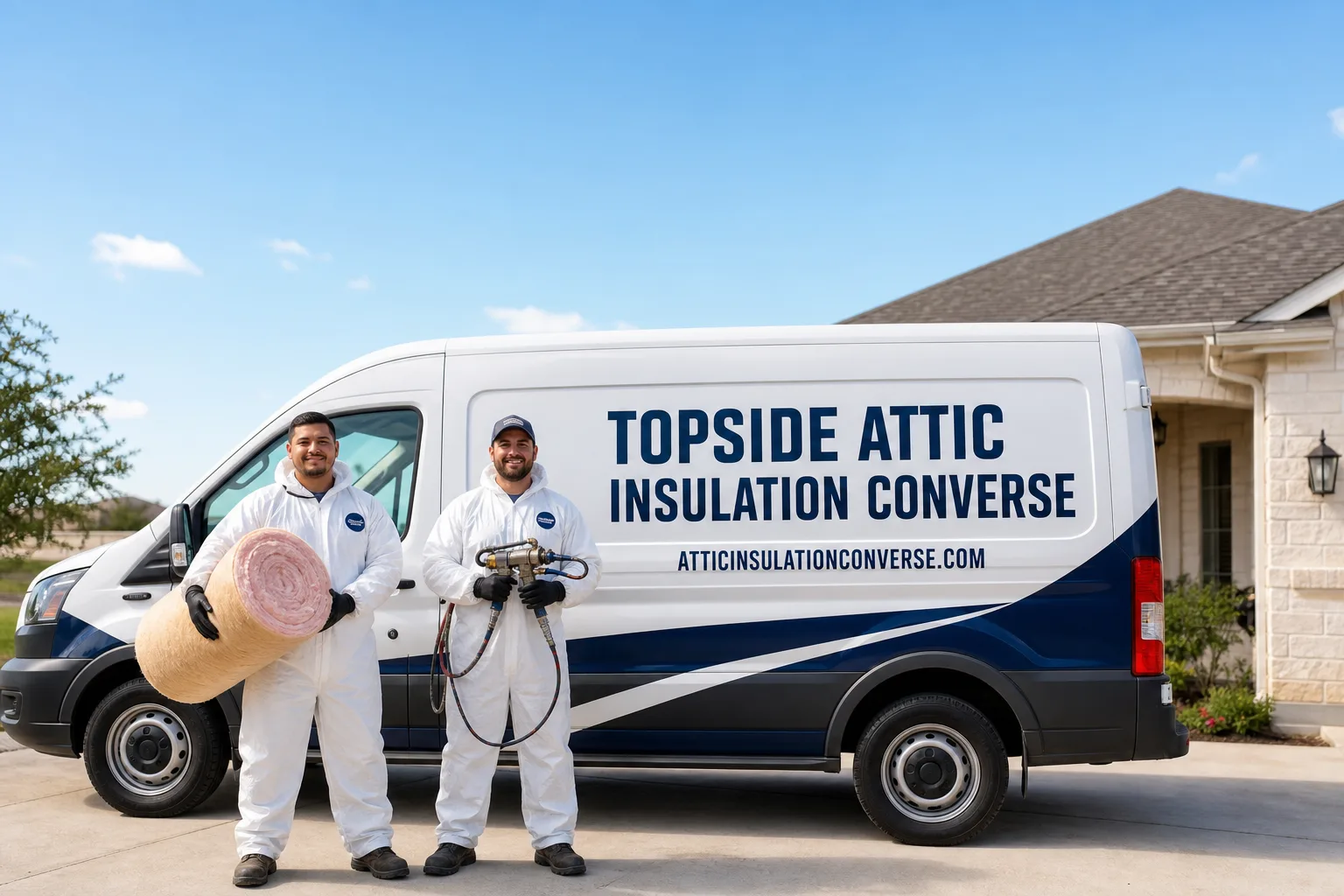
Fast, Reliable Attic Insulation Across Live Oak
Most attic insulation jobs in Live Oak run between $1,800 and $4,200 depending on the condition of what’s already up there and how much air sealing the attic floor needs first. We typically respond to Live Oak calls the same day or next morning, and our crews are familiar with the low-pitched ranch roofs and vented attics that dominate neighborhoods from Meadow Village to the corridors off Toepperwein Road. If your ceiling feels hot by mid-afternoon or your AC runs nonstop through August, the problem usually starts above the drywall. Call (830) 420-0953 for a free written estimate - we’ll measure what you’ve got, show you the photos, and give you a flat price before any work starts.
Why Topside Attic Insulation Converse Is Live Oak’s Preferred Attic Insulation Company
We’ve sealed and insulated more than 9,000 homes since 2016, and a disproportionate share of our blower-door records come from the 1960s-1980s ranches clustered around Live Oak’s JBSA-Randolph corridor. These homes share a common problem: original fiberglass batts that have been baked, compressed, and shoved aside until they perform closer to R-6 than the R-38 Climate Zone 2 minimum. Our Live Oak customers see the difference in their documentation packet - before-and-after blower-door numbers, photos of every bay, and a written scope they signed off on before we started.
Our reviews from Live Oak homeowners consistently mention two things: the crew showed up on time (you get a text when your technician is en route), and the written price matched the final invoice. No add-ons, no “while we’re up there” surprises. Under Haven Standard Clause 1, the price is flat, the scope is written, and the warranty is delivered before anyone lifts a tool.
Response time to Live Oak is typically same-day or next-morning because we dispatch from our San Antonio office and know the local street grid - from the older sections near Pat Booker Road to the subdivisions that filled in during the 1980s expansion. We don’t waste time finding addresses or guessing which roof pitch we’ll encounter.
Local knowledge matters here because Live Oak’s housing stock is unusually uniform. When we walk into a pre-1990 ranch, we already know what we’re likely to find: vented attic, low clearance, original batts crushed around the air handler, and top plates that were never sealed. That predictability lets us diagnose faster and quote accurately on the first visit.
Our Attic Insulation Services in Live Oak
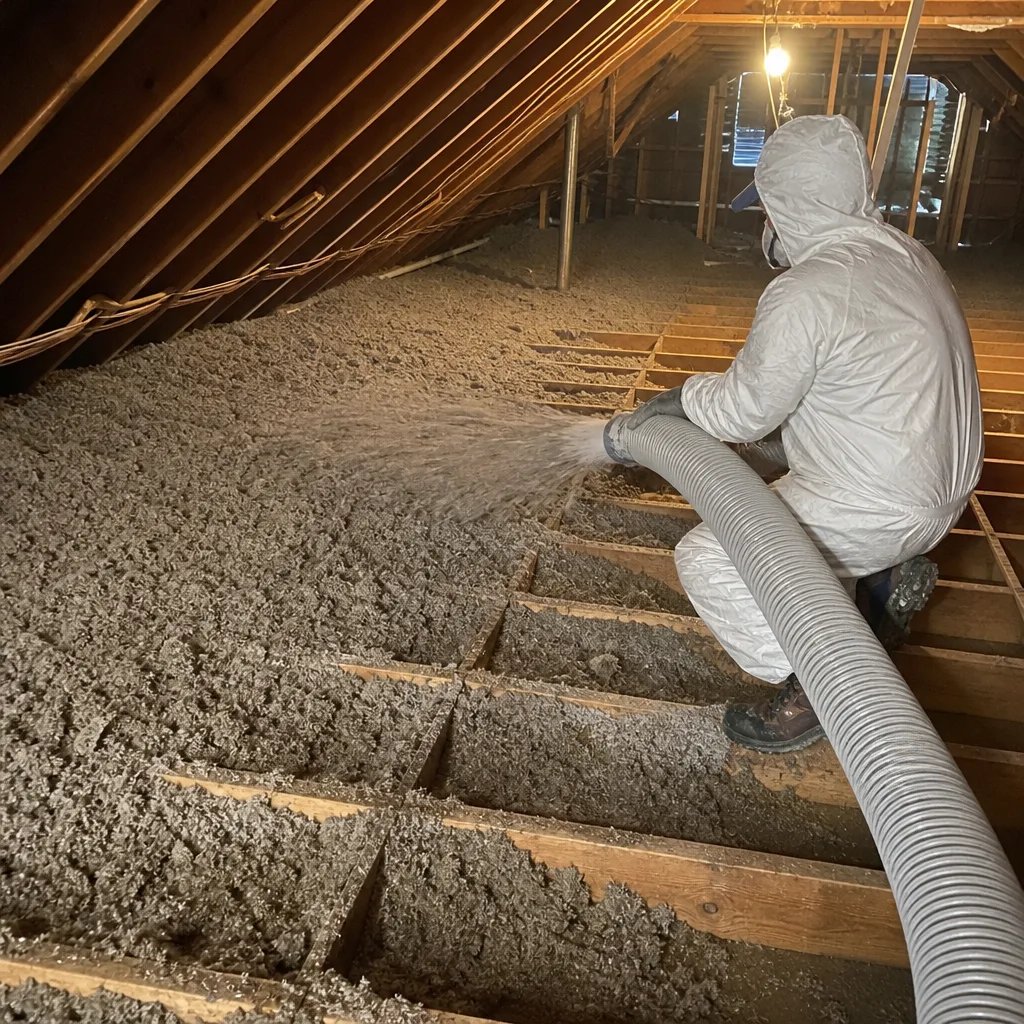
Blown-In Attic Insulation
Blown-in cellulose or fiberglass is the practical retrofit for most Live Oak attics because the low-pitched roof lines common in 1960s-1980s ranches simply don’t leave enough clearance to add batt layers without compressing them. Compression kills R-value. We install blown-in material - we typically use GreenFiber cellulose or Owens Corning fiberglass - to the full depth required for R-38, and we never blow over an unsealed attic floor. Our Attic Insulation team starts with top plates, can lights, and penetrations, then blows to a uniform depth with baffles protecting every soffit vent. The homeowner gets photos, a written scope, and blower-door numbers if air sealing was part of the job.
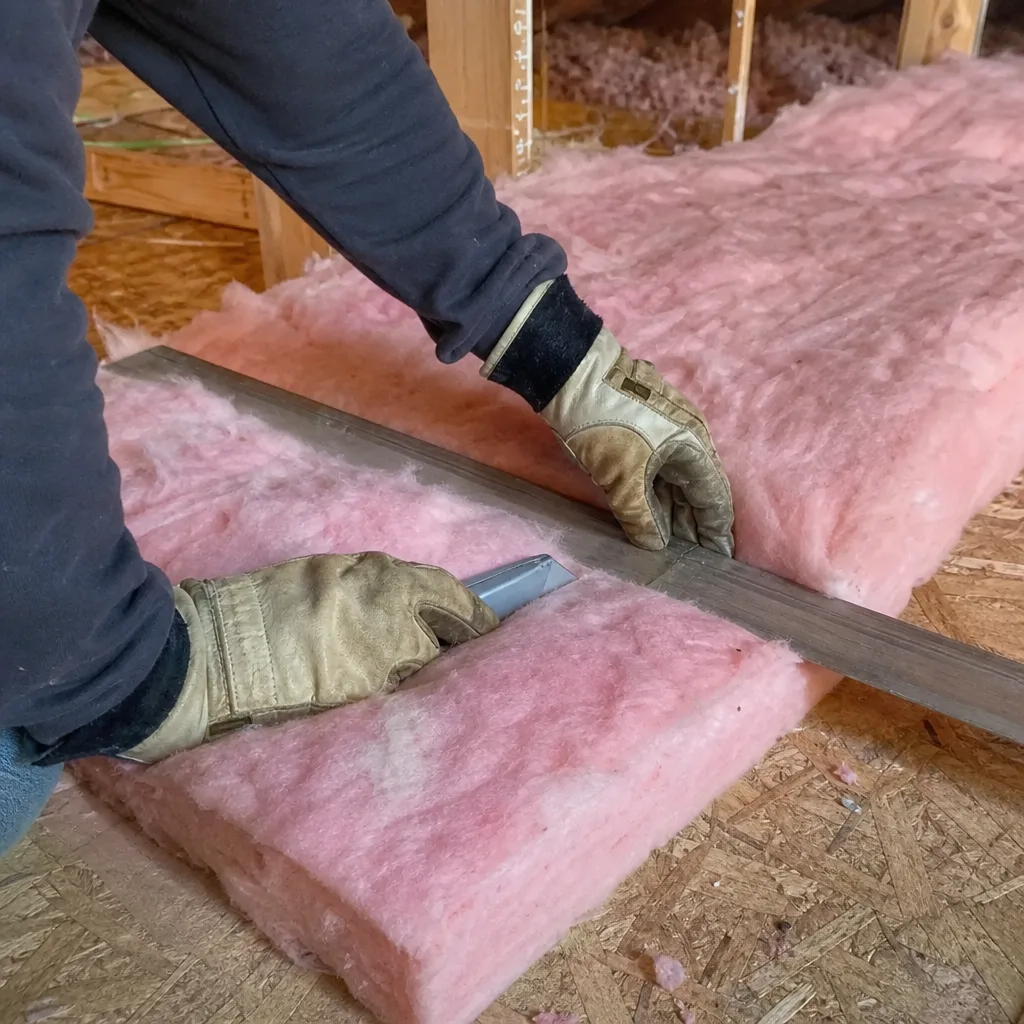
Attic Batt Insulation
New batt installation in Live Oak makes sense primarily for new construction, room additions, or complete gut renovations where we have open framing and full clearance to work with. In existing 1960s-1980s ranches, we rarely recommend batts as a retrofit because the cavity space is already compromised by electrical, HVAC, and decades of service traffic. When we do install batts, we source from Johns Manville, Knauf, or Rockwool - brands we stock locally so Live Oak jobs aren’t waiting on material delivery.
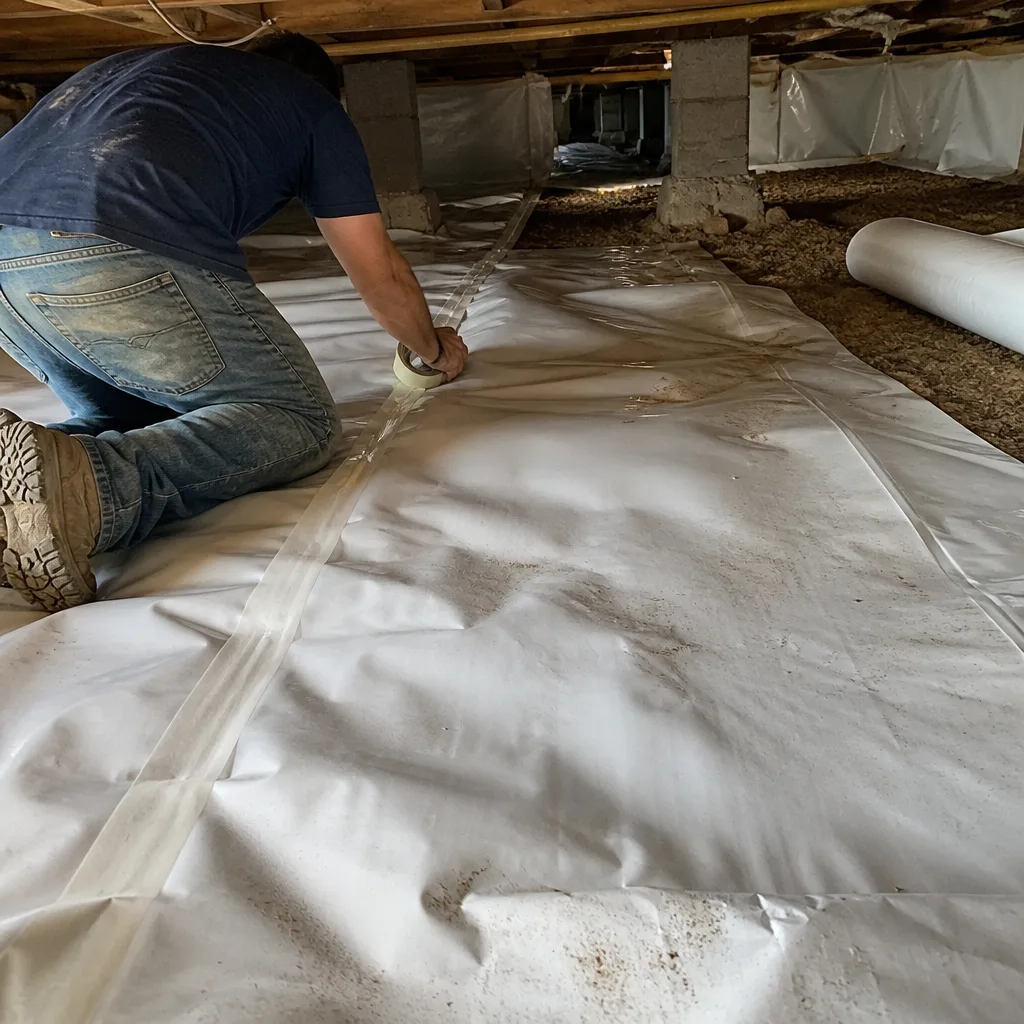
Attic Insulation Top-Up
Top-ups sound like the economical choice, but in Live Oak they’re often a waste of money. The original fiberglass batts in these attics haven’t just settled - they’ve been heat-cycled until they lost resilience, then crushed flat by HVAC technicians climbing past the air handler. Adding new material on top of that damaged layer doesn’t recover the lost R-value; it just buries the problem. We inspect first. If the existing insulation is intact and uncompressed, we’ll top up to R-38 with blown-in material. More commonly, we recommend removal and replacement so the new insulation performs as rated.
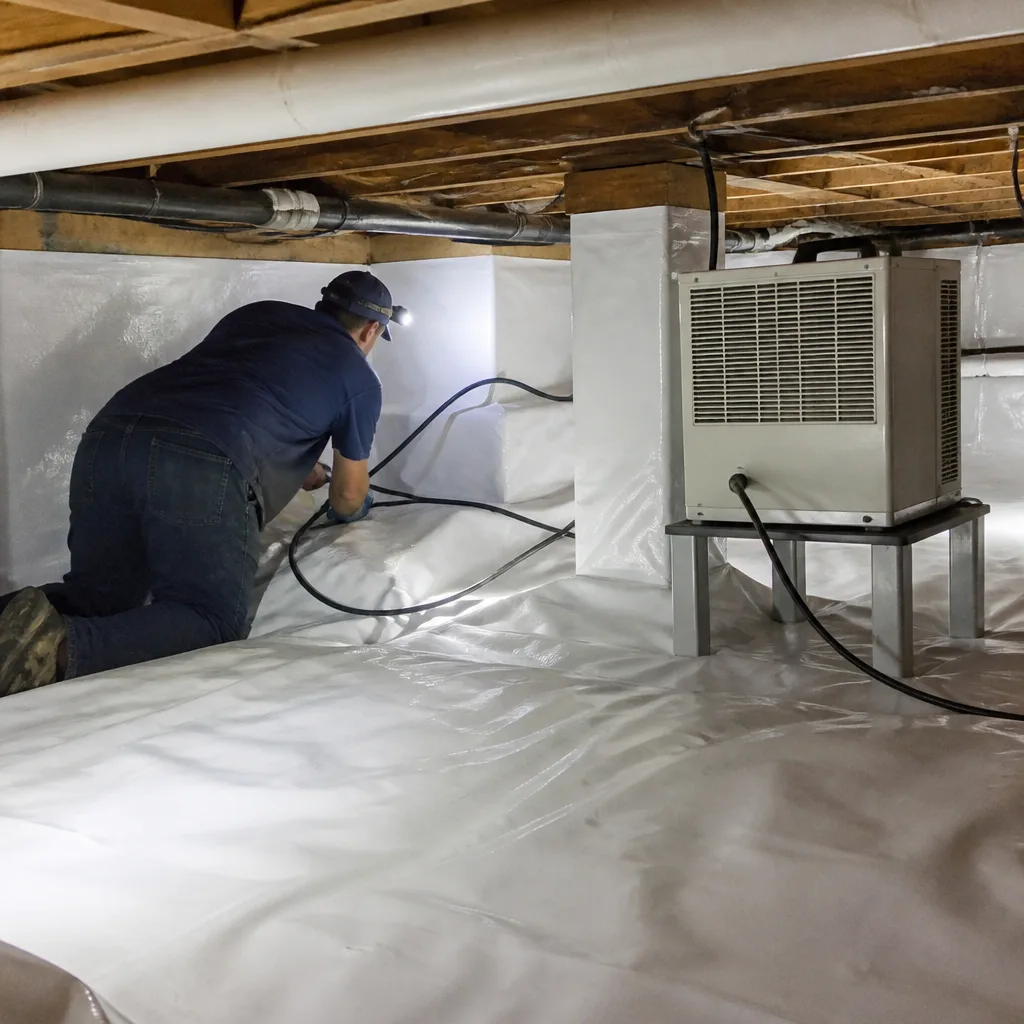
Attic Insulation Replacement
Full replacement is the right call for most pre-1990 Live Oak homes. We remove the degraded batt material, seal the attic floor properly, install baffles at every soffit vent, and blow new insulation to full R-38 depth. The job typically takes one day for a 1,500-2,000 square foot ranch. Your documentation packet includes before-and-after photos, the written scope you approved, and blower-door test results if air sealing was performed. The 365-Day Done Right Promise applies to all completed work.
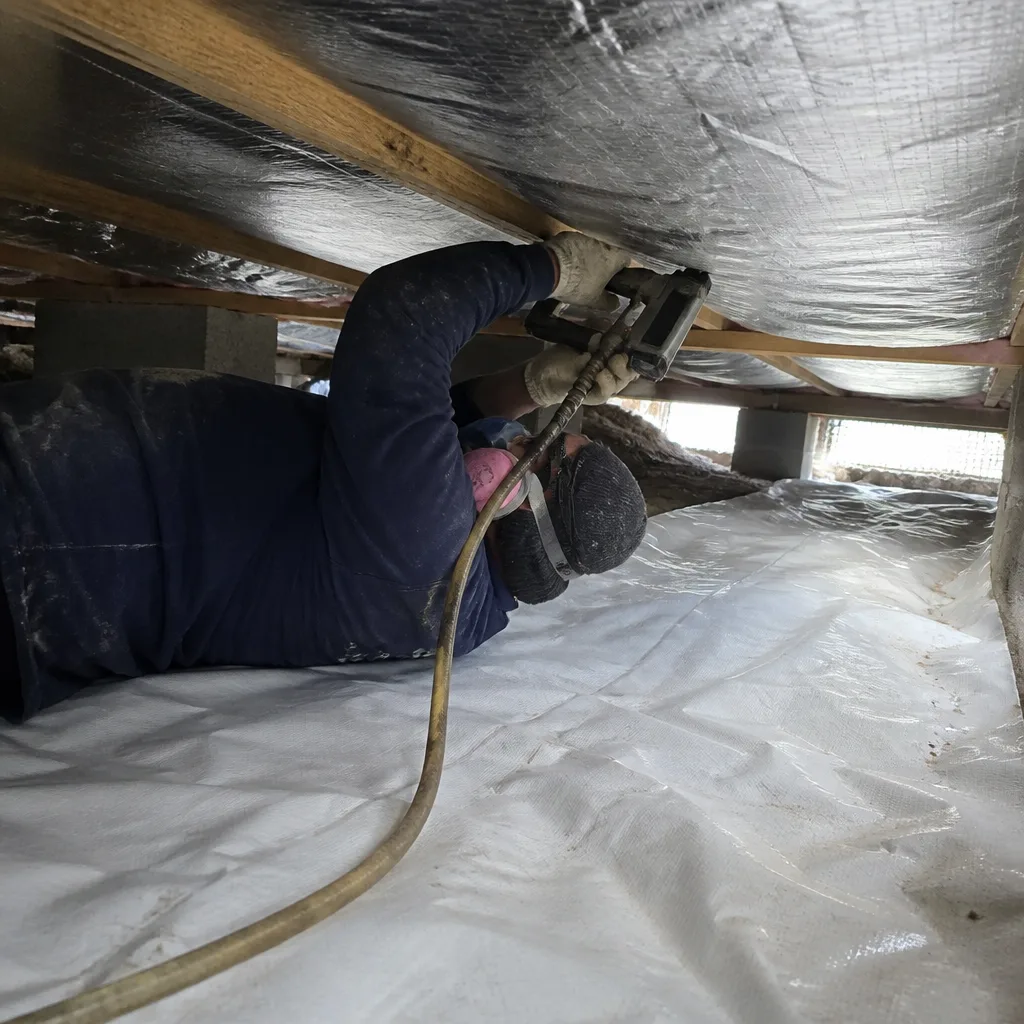
Attic Baffles & Ventilation Prep
Live Oak’s vented attics need functioning airflow or moisture accumulates in the sheathing during our humid shoulder seasons. Baffles - properly called rafter vents - maintain the channel from soffit to ridge vent so insulation doesn’t block intake airflow. In low-clearance ranch attics, this is precision work: too short and the soffit chokes; too tall and they interfere with the insulation depth. We install baffles as standard on every blown-in job, not as an upsell. Proper ventilation prep also prevents the wind-washing that can strip heat from exposed batts near the eaves.
What happens when you call
- 1
A real person answersNo phone trees - you reach a local pro.
- 2
You get an upfront price rangeHonest numbers before anyone is dispatched.
- 3
A background-checked tech heads outLicensed & insured, dispatched right away.
- 4
You approve before work beginsNothing starts until you say go.
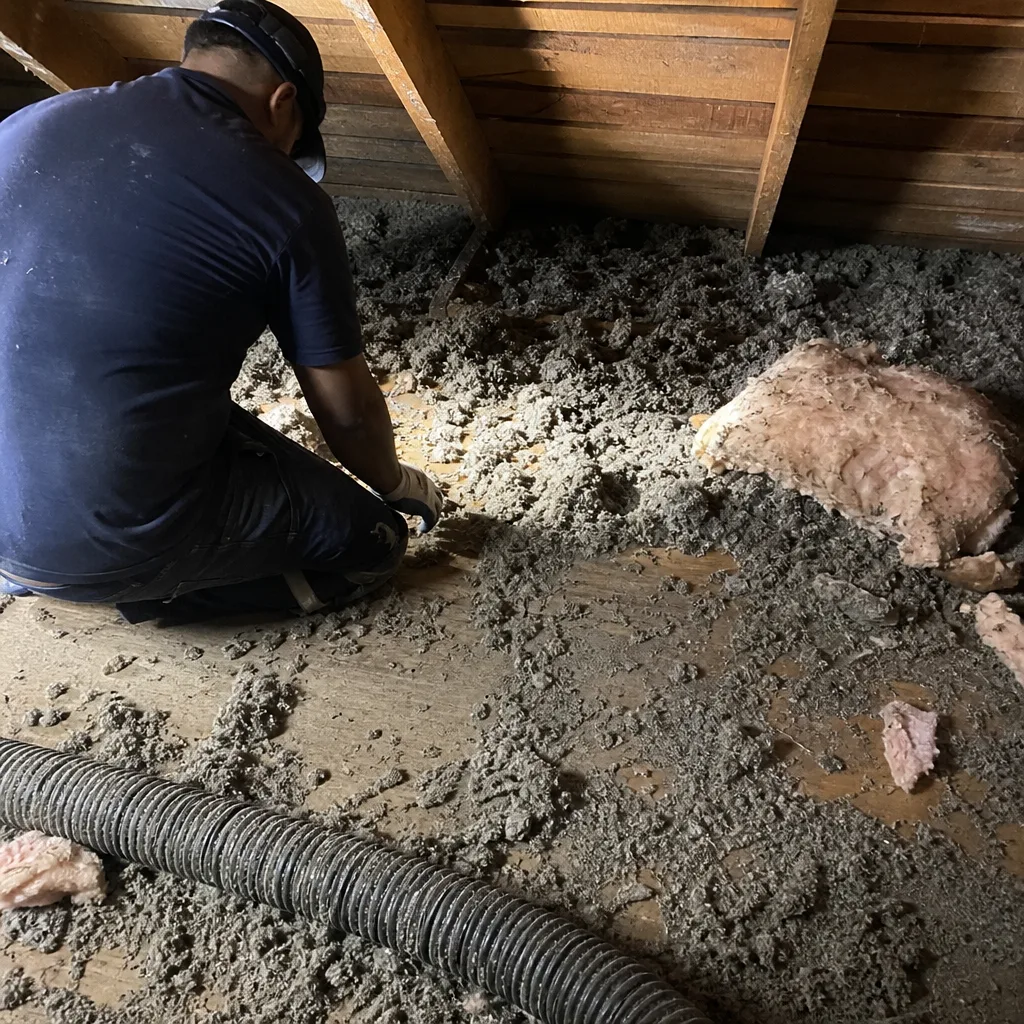 Before
 After
AfterTrusted Brands We Service in Live Oak
We source insulation materials from the manufacturers that professional installers actually spec: Johns Manville, Knauf, Rockwool, CertainTeed, Owens Corning, Icynene, Demilec, and GreenFiber. No proprietary lock-in, no house-brand markup. For Live Oak’s climate and housing stock, we most often reach for GreenFiber cellulose (treated for fire and pest resistance, excellent at filling irregular cavities in older attics) or Knauf fiberglass blown-in (consistent density, non-combustible). We keep common R-values and baffle sizes stocked locally, so most Live Oak jobs start within a few days of estimate approval rather than waiting on a freight delivery.
Common Attic Insulation Problems We See in Live Oak Homes
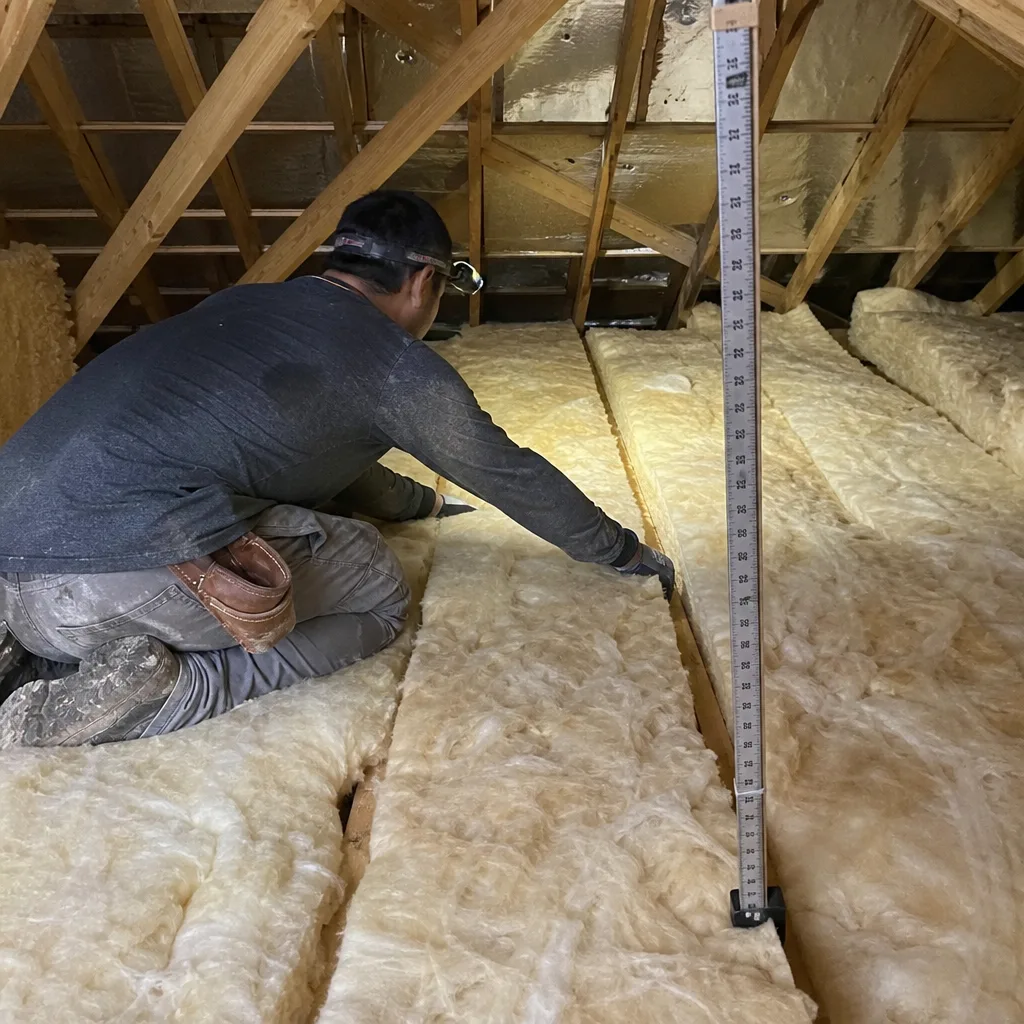
- Original batts crushed to R-6 around HVAC equipment. Decades of service calls in Live Oak’s 1960s-1980s ranches have shoved fiberglass batts aside or compressed them flat near the air handler, leaving entire ceiling bays effectively uninsulated. We measure this with a thermal camera and show the homeowner the photos before quoting removal.
- Heat-cycled batts that lost loft permanently. Attics in Live Oak routinely exceed 140°F in summer. Fiberglass batts baked in that environment for 40+ years don’t bounce back. They settle. Top-ups over that damaged layer don’t restore performance.
- Unsealed top plates and penetrations bypassing insulation. Even where batts look intact, conditioned air leaks through gaps around wiring, plumbing stacks, and the top plates of partition walls. Our blower-door test quantifies this leakage before we seal it.
- Low-pitched roofs making batt retrofits impractical. The shallow roof lines common in Live Oak’s tract ranches leave 6-12 inches of clearance or less. Adding batts squishes them. Blown-in material fills to uniform depth without compression.
Pricing for Attic Insulation in Live Oak, TX
Here’s what most Live Oak homeowners can expect:
| Service | Typical Range |
|---|---|
| Attic air sealing only (blower-door verified) | $800 - $1,800 |
| Blown-in insulation top-up (good existing condition) | $1,200 - $2,400 |
| Insulation removal + replacement with air sealing | $2,800 - $4,800 |
| Spray foam insulation (open-cell, full attic) | $4,500 - $7,200 |
| Baffles and ventilation prep (per job, not per baffle) | $400 - $800 |
What moves you within these ranges: attic square footage, current insulation condition, accessibility (some Live Oak ranches have hatches in closets with limited headroom), and whether we find active air leaks that need sealing first. We never recommend sealing without measuring, and we never blow insulation over an unsealed floor. Every estimate is free, written, and delivered before any work starts - Haven Standard Clause 1. Call (830) 420-0953 to schedule.
We Also Serve Cities Near Live Oak
Our crews work daily across the northeast Bexar County corridor, including Live Oak, Converse, Universal City, Windcrest, and Schertz. Same written-price standard, same documentation packet, same 365-Day Done Right Promise. Dispatch and scheduling are coordinated from our San Antonio office; crews serve each city locally without the delays of a distant home base.
Serving Live Oak, TX - Our Local Coverage Area
We’re based in the Live Oak area and know this community well. Use the map below to see our service coverage - if you’re nearby, we can almost certainly help.
FAQs - Attic Insulation in Live Oak
Usually no, and we’d need to inspect to be certain. The original batts in these 1960s-1980s ranches have typically been heat-cycled until they lost resilience, then crushed flat by HVAC technicians accessing the air handler - we regularly measure effective R-values of R-6 to R-8 in ceilings that need R-38. Adding new material on top of that damaged layer buries the problem rather than fixing it. Call (830) 420-0953 and we’ll photograph what you’ve got, give you a written price for removal and replacement, and you can decide with actual information.
The low-pitched roof lines in Live Oak’s ranch tract homes leave too little attic clearance to add batt layers without compressing them, and compressed batts lose R-value. Blown-in cellulose or fiberglass fills irregular cavities to full depth without squashing, and spray foam (where budget allows) adds both insulation and air sealing in one application. Our crew was called to a 1972 single-story ranch off Toepperwein Road where the original fiberglass batts had been shoved aside and crushed flat around the air handler by decades of HVAC service calls, leaving entire ceiling bays near R-6. After installing baffles and ventilation prep, we blew in GreenFiber cellulose to bring the attic up to R-38 and the homeowner immediately noticed the back bedrooms holding temperature through the afternoon.
Most pre-1990 Live Oak ranches we test show ceiling insulation performing between R-6 and R-8 - against the current Climate Zone 2 minimum of R-38. That’s not a small gap. An R-6 ceiling in a 1,800 square foot ranch can lose 4-5 times more heat through the attic plane than an R-38 ceiling in identical conditions. The gap is unusually consistent block-to-block here because Live Oak’s housing stock was built fast for JBSA-Randolph personnel and successive owners rarely invested in upgrades. Call (830) 420-0953 for a free estimate - we’ll measure what you’ve got and show you the thermal images.
Yes - Uri revealed how many of these 1960s-1980s slab-on-grade ranches lack adequate insulation at the walls and pipe penetrations, not just the attic. When temperatures dropped into the teens for multiple days, homes with R-6 ceilings and uninsulated slab edges lost heat faster than their heating systems could replace it. The attic is the single largest surface area, but it’s not the only thermal weak point. We address this with full building-envelope assessments when homeowners request them, though attic insulation remains the highest-impact single upgrade for Live Oak’s climate.
It depends on what else is wrong, but attic insulation is usually the biggest single lever. In Live Oak’s climate, cooling-season heat gain through an under-insulated ceiling plane can account for 25-35% of total AC load. Bringing a ceiling from R-6 to R-38 typically reduces that portion by half or more. If your ducts are also leaking in the attic, or your top plates are unsealed, the improvement is even larger once we address those too. We measure with a blower-door test - a pressurization reading that shows, in one number, how much conditioned air your building envelope is losing - so you can see the before-and-after in documented form, not just a promise. Call (830) 420-0953 for a free written estimate.
Written by Wes Okafor, Owner at Envelope Insulation Co., serving Live Oak and the northeast Bexar County corridor under The Haven Standard since 2016.