
Rockwool Spray Foam Insulation in Converse: What to Know First
We provide independent Rockwool spray foam insulation in Converse, TX, with most jobs completed in one day and a written price delivered before any work starts. Our typical turnaround from call to crew on-site is 24-48 hours for standard jobs, and we publish before-and-after blower-door numbers on every applicable project so you can verify the result in CFM50, not promises. This page is for Rockwool owners in Converse who need open-cell, closed-cell, rim joist, garage ceiling, or roof deck spray foam work done right the first time. Call (830) 420-0953 for a free estimate with a written scope.
How Rockwool Products Fail - and How We Fix Them
- Comfortbatt thermal bridging in wall cavities. Comfortbatt’s semi-rigid batts leave subtle gaps at stud edges and electrical boxes, creating thermal bridges - localized heat paths that bypass the insulation entirely. In Converse, where summer attic temperatures regularly hit 140°F, these bridges show up as hot stripes on infrared. We remove the compromised batts, seal all penetrations with closed-cell spray foam at the rim and top plates, then dense-pack the cavity or transition to full spray foam depending on the wall condition.
- Comfortboard 80 degradation at roof deck contact points. Comfortboard 80, the rigid board used in exterior applications, can compress or shift where it meets spray foam at complex roof geometries, particularly in the low-slope sections common on 1970s-1990s ranch homes near Foster Road. The board’s density (8.0 lbs/ft³) doesn’t flex with seasonal truss movement. We diagnose the gap pattern, remove the failed sections, and apply open-cell spray foam directly to the roof deck for continuous contact and vapor permeability.
- Safe’n’Sound settling in floor assemblies above garages. Safe’n’Sound, engineered for acoustic performance rather than thermal, settles 10-15% in horizontal applications when installed without proper support netting. In Converse garage ceiling jobs, we’ve found this creates a void at the center of each bay where cold air drops through. We vacuum out the settled material, install proper retention, and spray closed-cell foam to the garage ceiling for both thermal break and structural rigidity.
- Afb evo moisture retention in crawl spaces. Afb evo, the lightweight acoustic batt, absorbs crawl space humidity in Converse’s clay-heavy soils more readily than denser alternatives. Once the facing delaminates, the batt becomes a mold substrate. We remove the affected material, install a proper vapor barrier on the crawl floor, and apply closed-cell spray foam to rim joists and band boards - the structural members most vulnerable to rot.
- Top-plate leakage behind all Rockwool attic installations. This isn’t a product defect; it’s an installation error we see repeatedly. Rockwool batts laid over unsealed top plates - the horizontal framing member where walls meet the attic floor - allow conditioned air to escape into the attic through thousands of linear feet of cracks. We pull back existing Rockwool, seal every top plate and penetration with foam, then reinstall or upgrade. The blower-door test before and after proves the difference.
Our Rockwool Spray Foam Insulation Process
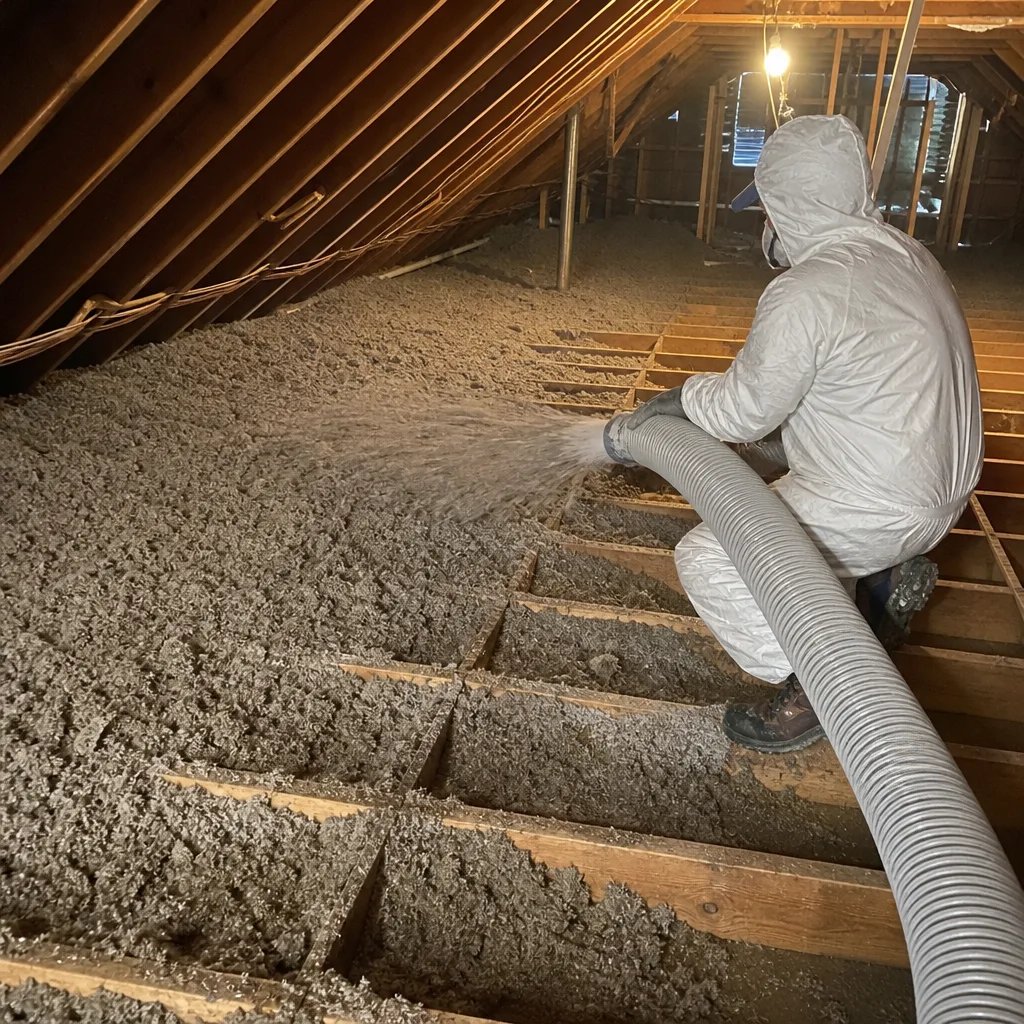
- 1
Call and schedule. A live person answers, or you can text. We book a diagnostic visit with a named technician and send a text when they’re en route - Haven Standard: Arrive on schedule.
- 2
On-site assessment and blower-door test. We pressurize the house to 50 pascals and record the CFM50 baseline. In Rockwool homes, we map thermal bridges with infrared and identify where the existing material has failed or was never properly complemented by air sealing.
- 3
Written price and scope. You get a flat price, written scope, and written warranty before anyone lifts a tool. No exceptions. This is Haven Standard Clause 1.
- 4
Air sealing first, then insulation. Seal the leaks first. Then insulate. The numbers will tell you if it worked. We foam all top plates, penetrations, can lights, and rim joists before applying any spray foam.
- 5
Spray foam application and real-time monitoring. We apply the specified foam type - open-cell for vapor-permeable roof decks, closed-cell for rim joists and garage ceilings - monitoring substrate temperature and lift thickness per manufacturer specs.
- 6
Final blower-door test and documentation. We retest, print the before-and-after report, and deliver your Documented Photo Record. You leave knowing exactly what changed.
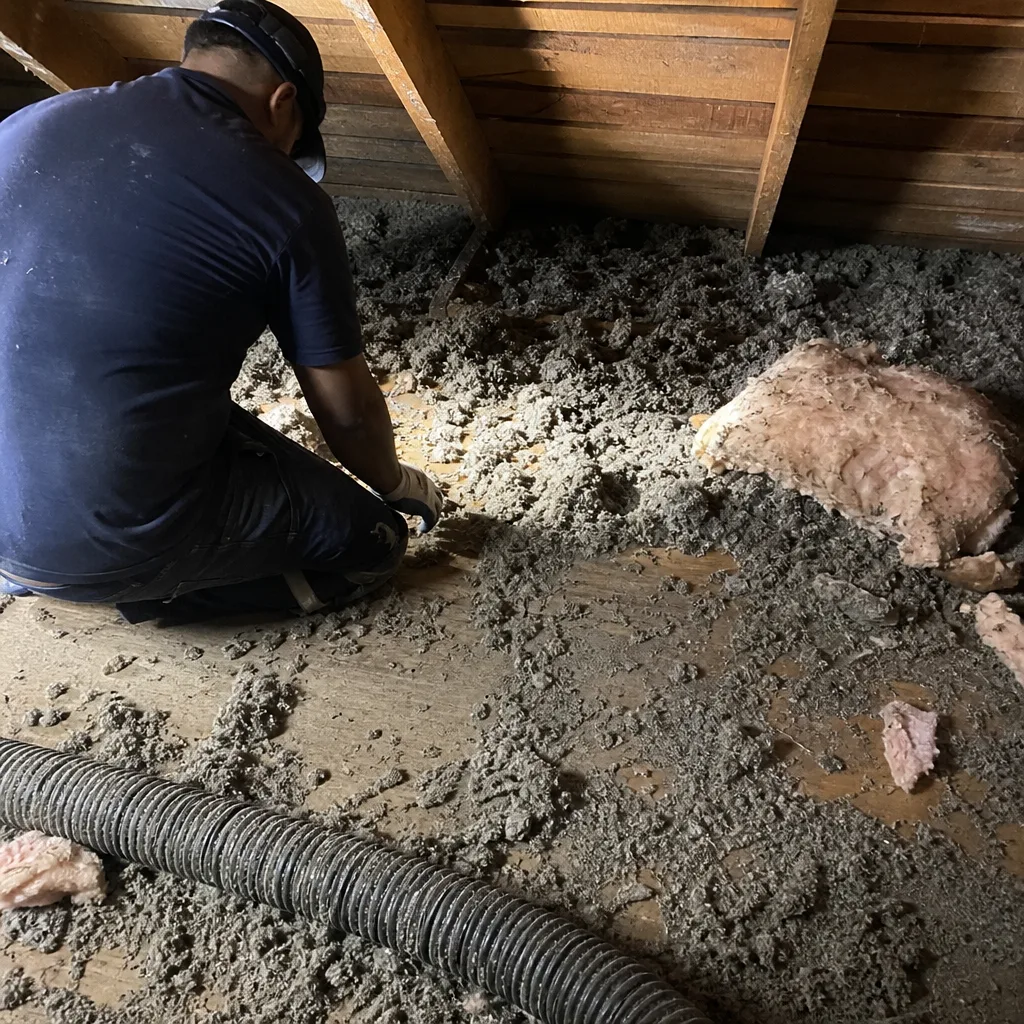 Before
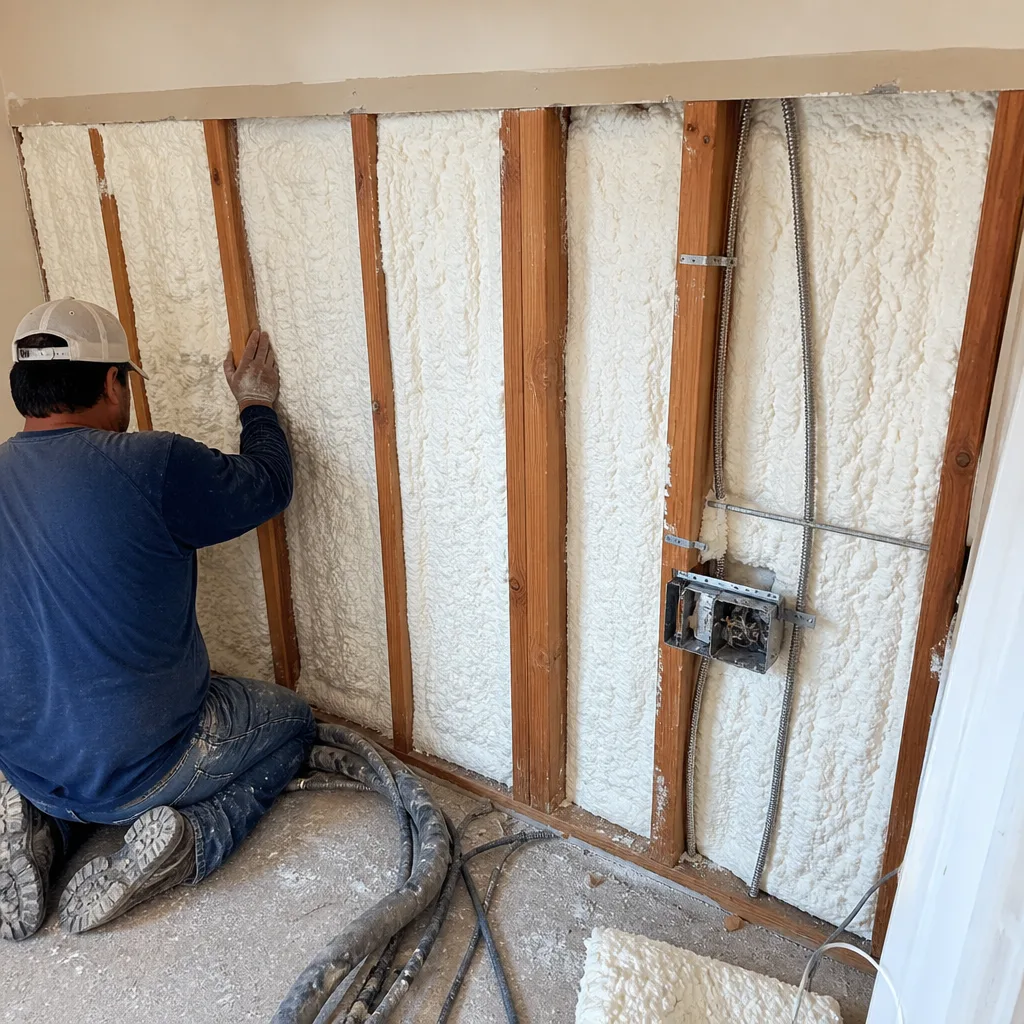 After
AfterWhat Rockwool Spray Foam Insulation Costs in Converse
Most Rockwool-to-spray-foam transitions in Converse run in these ranges, based on 2024-2025 material and labor costs:
| Job Type | Typical Range | What Moves the Price |
|---|---|---|
| Rim joist (closed-cell), standard basement/crawl | $1,800-$3,200 | Linear feet of foundation, accessibility, existing Rockwool removal |
| Garage ceiling, 2-car, Rockwool removal + closed-cell | $2,400-$4,500 | Bay count, ductwork relocation, fire-rated barrier requirements |
| Roof deck (open-cell), 1,200 sq ft attic | $4,500-$7,800 | Deck condition, need for ignition barrier, complexity of framing |
| Full wall cavity conversion, 2,000 sq ft home | $6,500-$11,000 | Interior or exterior access, electrical/plumbing density, finish repair |
These are real numbers for Converse homes, not teaser rates. The price moves up with removal difficulty, down with straightforward access. We also provide a Free Second Opinion on any written estimate you’ve received - bring us the competing quote and we’ll read it with you. Call (830) 420-0953 for your written price.
Why Converse Homeowners Call Topside Attic Insulation Converse for Rockwool Work
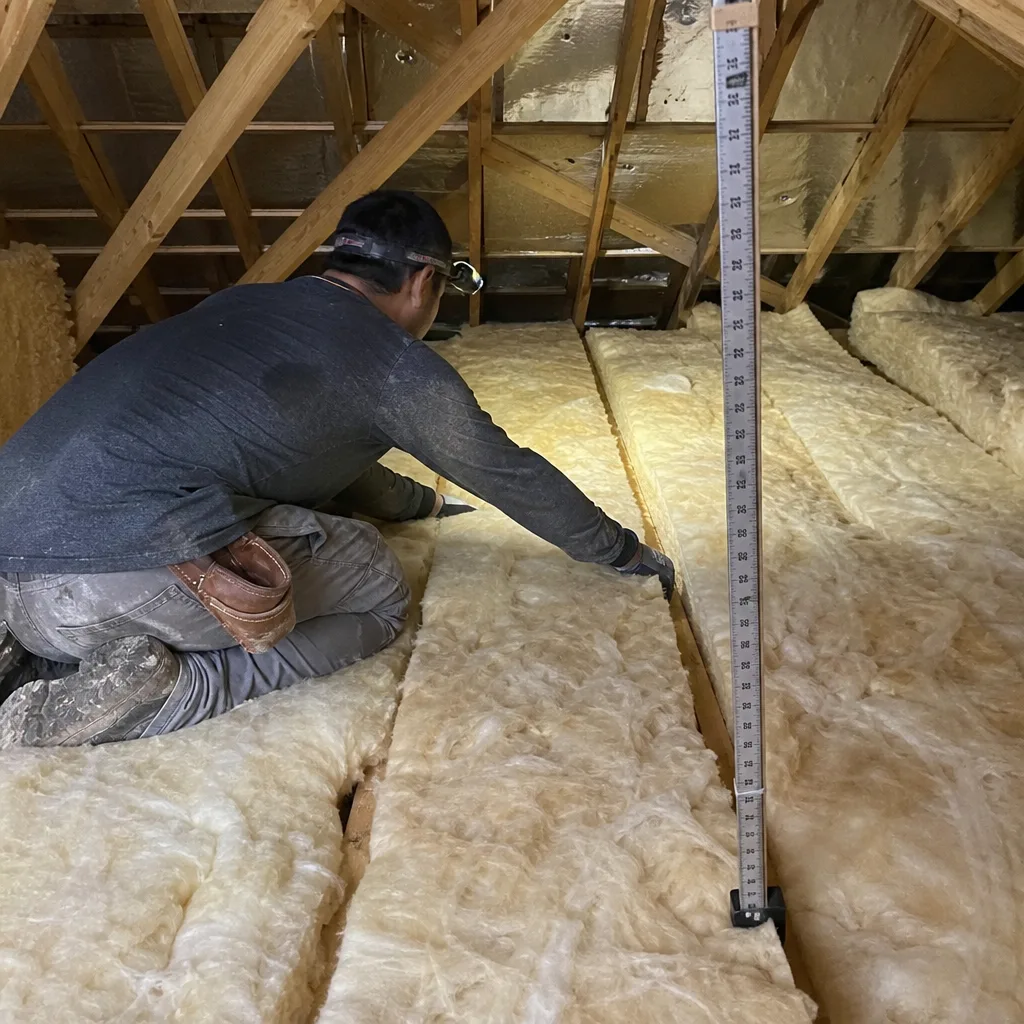
We’ve served the Converse area for years, including older ranch-style homes near Foster Road where unsealed top-plate penetrations were bleeding conditioned air long before anyone touched the blown-in cellulose. Wes Okafor runs a blower-door test before and after every job so customers leave with a printed report. Our 365-Day Done Right Promise means if it’s not right, we make it right - backed by a written scope and warranty delivered before work starts. We source materials from Rockwool, Owens Corning, Johns Manville, Knauf, and others, including Reflectix when radiant barrier backup makes sense, so you’re never locked into a single product line. Background-checked, uniformed technicians. Calls answered live, 24/7.
FAQs
Rockwool’s product warranty covers manufacturing defects in the original material, not subsequent modifications by third parties. As an independent Rockwool service provider, we document the condition of existing Rockwool before removal and install spray foam to code-compliant depths and densities so your building envelope performs as intended. For warranty questions on recently installed Rockwool, we can review your original paperwork during the free estimate. Call (830) 420-0953.
Spray foam requires an ignition barrier or thermal barrier to meet IRC fire safety standards, which Rockwool batts achieve inherently. We specify intumescent coatings or gypsum barrier installations where required by Converse building code, and we pull permits when the scope triggers inspection. The fire performance of the completed assembly, not the foam alone, is what matters - and we document that compliance in your job packet.
Repair is cheaper only when the Rockwool is dry, properly supported, and the air leakage is minimal. In Converse, we find that Rockwool installed without prior air sealing usually needs removal and reinstallation with sealing, which approaches the cost of spray foam conversion without delivering spray foam’s air barrier properties. We quote both paths when both are viable so you can compare real numbers, not guesswork.
Most Rockwool-to-spray-foam jobs in Converse are scheduled within 24-48 hours of your call, with same-day availability for urgent cases like exposed rim joists or failed garage ceiling insulation. Crews carry closed-cell and open-cell stock for common applications, so material sourcing rarely delays the job. Call (830) 420-0953 to check today’s availability - estimates are free.
We use quality aftermarket fasteners, adhesives, and mesh compatible with Rockwool’s density and composition, sourced from Johns Manville, Knauf, and other major suppliers. We do not use proprietary lock-in products. Every material is listed in your written scope with its specification so you know what was installed and why.
Written by Wes Okafor, Owner & Lead Insulation Technician, Topside Attic Insulation Converse at Topside Attic Insulation Converse, serving Converse and nearby areas.