
Icynene Radiant Barrier Installation: The Converse Owner’s Guide
Most Icynene radiant barrier installations in Converse run between $1,800 and $3,400 for a typical 1,500-2,500 square foot attic, including material, labor, and the air-sealing prep that should happen first. We stock Icynene-compatible radiant barrier rolls and foil-faced rigid board on our trucks, and we can usually get to Converse homes same-day or next-day. Homeowners usually figure out something’s wrong when their summer AC runs non-stop but the house never quite cools, or they spot foil that’s pulled loose, torn by rodents, or corroded from attic moisture.
Which Icynene Models This Applies To
Icynene doesn’t manufacture a standalone radiant barrier product, but their open-cell and closed-cell spray foam systems are often paired with radiant barrier components in hybrid attic assemblies. If your home was insulated between 2010 and 2020, you likely have Icynene Classic Plus, Icynene ProSeal Eco, or Icynene MD-R-200 spray foam on the roof deck or walls, with a radiant barrier layer installed separately on the attic floor or rafters.
To identify what you’ve got, check the spray foam surface for the Icynene stamp or a job card left by the original installer. The radiant barrier itself is usually kraft-faced foil, double-sided reflective film, or foil-faced polyiso board. Measure the existing material’s thickness and note whether it’s perforated (allows vapor through) or non-perforated (blocks vapor). In Converse’s humid subtropical climate, mixing a non-perforated barrier with Icynene’s vapor-open foam can trap moisture and rot roof sheathing. That’s a compatibility gotcha we’ve seen in at least a dozen Live Oak and Universal City jobs.
We source OEM-grade radiant barrier materials from Icynene’s approved supplier list, but we also install quality aftermarket equivalents from Reflectix when the application calls for it. The aftermarket route saves roughly 15-20% on material cost without sacrificing performance, provided the emissivity rating stays at 0.05 or lower.
Signs Your Icynene Radiant Barrier Installation Is Failing
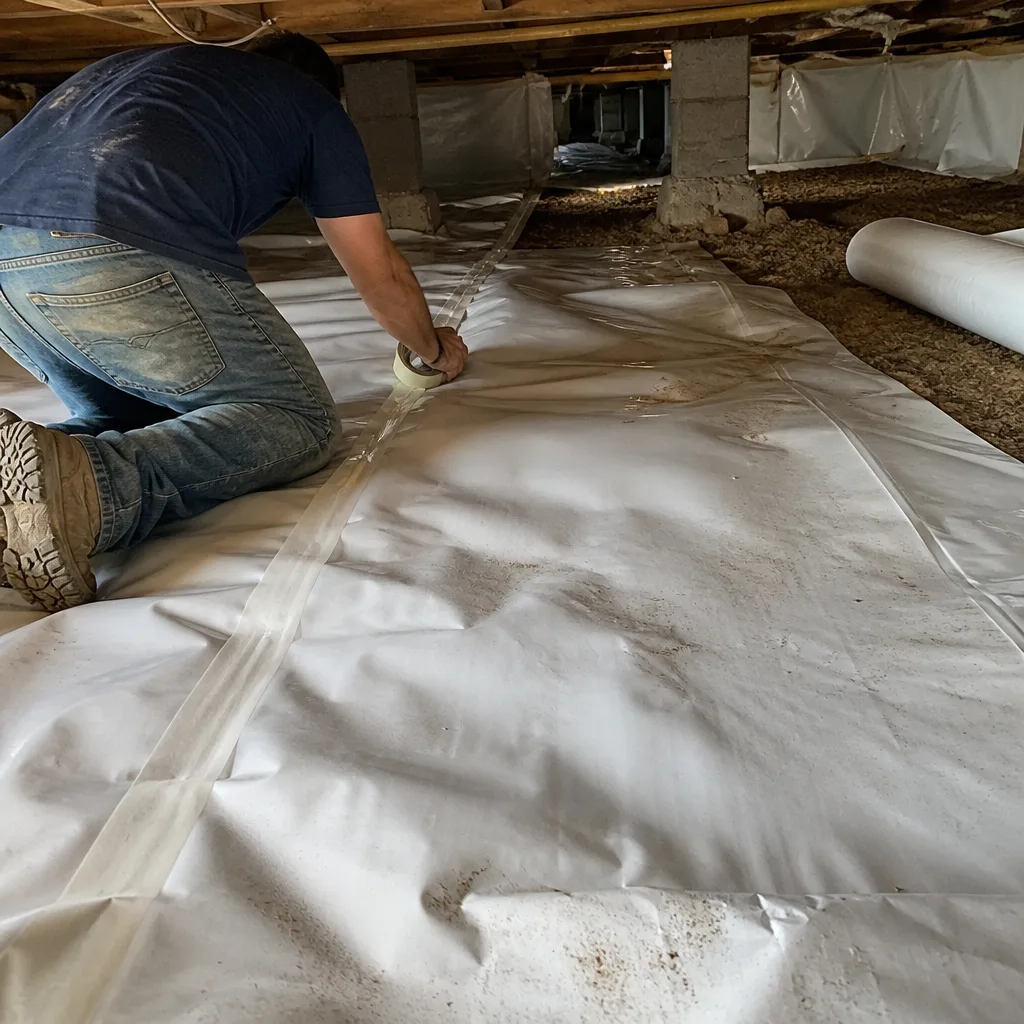
- Second-floor rooms run 8-12°F hotter than downstairs by 3 PM. This usually means the radiant barrier has pulled away from the rafters or developed gaps at the ridge, letting infrared radiation from the roof deck heat the attic air directly. Icynene foam on the roof deck helps, but it’s not a substitute for intact radiant barrier coverage.
- Your summer electric bill jumped 25% or more year-over-year with no rate change. Foil that looked fine in March can oxidize and lose reflectivity by August in a Converse attic. We check emissivity with a handheld meter; anything above 0.10 is effectively worn out.
- You see water stains on the attic-side of the radiant barrier or on the Icynene foam itself. This points to a vapor-drive mismatch. Icynene open-cell foam is vapor-permeable; if a non-perforated radiant barrier was installed on the wrong side of the assembly, condensation forms at the foil surface during our spring and fall shoulder seasons when attic temperatures swing 40°F in a day.
- Foil is torn, chewed, or hanging in strips. Roof rats and squirrels are common in Converse’s established neighborhoods, especially near Converse City Park and the older sections of Oak Creek. They nest behind loose radiant barrier and shred it for bedding. The fix isn’t just replacing the foil; it’s finding how they got in.
- Your Icynene foam looks yellowed or powdery where it meets the radiant barrier. UV degradation from attic light fixtures or gable vent sunlight breaks down the foam’s surface chemistry. The radiant barrier installation often needs to come out to assess whether the foam underneath is still sound.
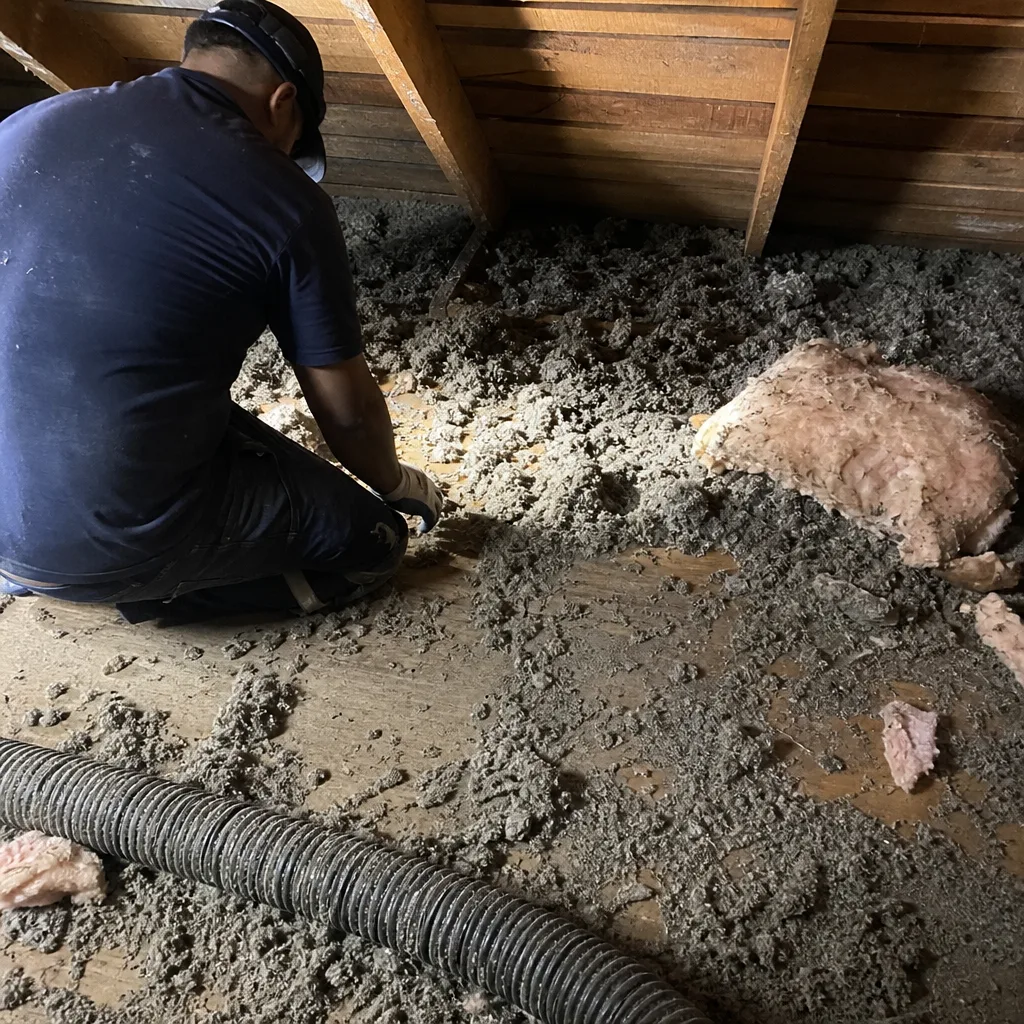 Before
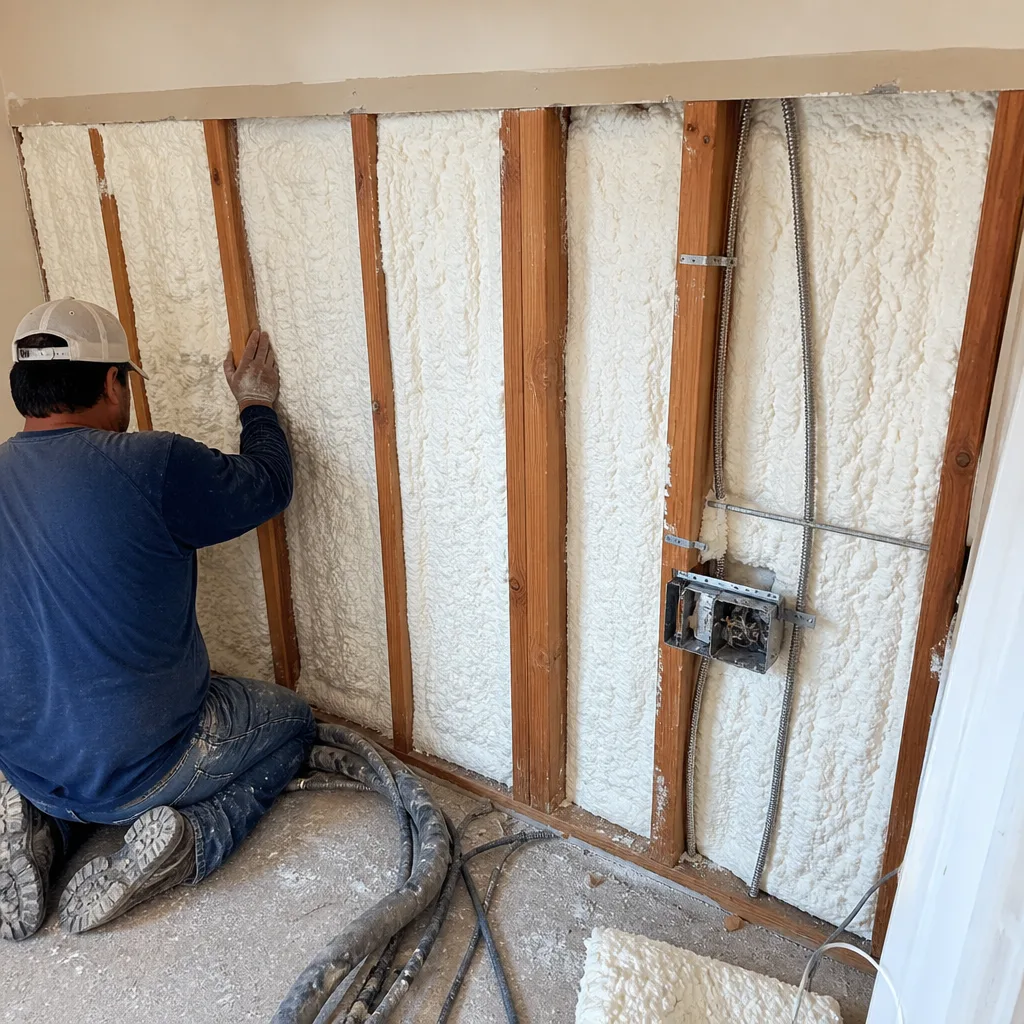 After
AfterReplacement Cost & What’s Included
Here’s how pricing breaks down for a typical Converse home:
| Component | Price Range |
|---|---|
| Radiant barrier material (perforated foil, 500-1,000 sq ft attic) | $480-$920 |
| Air sealing of top plates, can lights, and penetrations | $340-$580 |
| Labor for removal, prep, and installation | $680-$1,200 |
| Blower-door test (before and after) | $180-$280 |
| Documented Photo Record and written scope | Included |
| Typical total installed | $1,800-$3,400 |
What drives the range: attic accessibility (steep pitches add time), whether we’re removing failed material first, and how much air sealing the top plates need. We never quote over the phone without seeing the space, but we do put a written price in your hand before any work starts. That’s Haven Standard Clause 1. The 365-Day Done Right Promise covers the installation, and you’ll get before-and-after blower-door numbers so you can verify the envelope tightened.
DIY or Call Us?
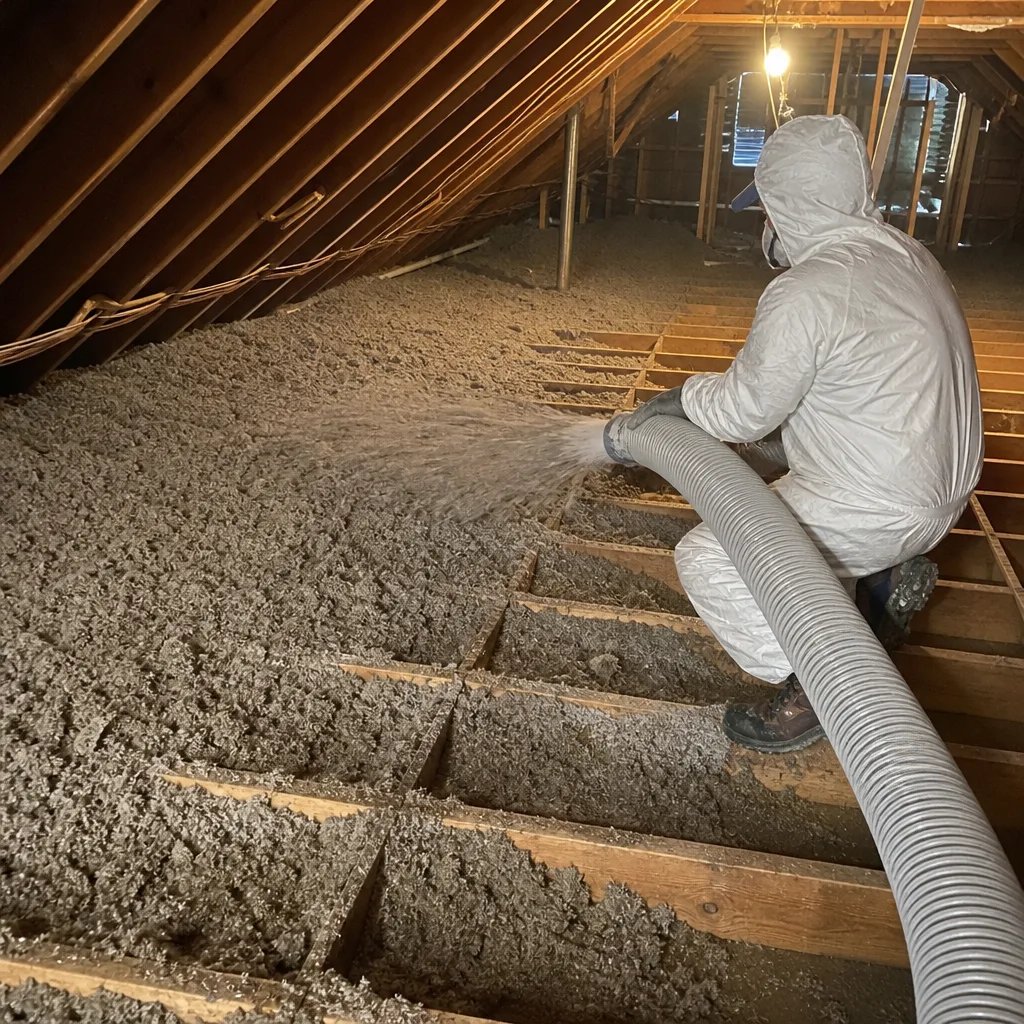
There’s no high-tension spring or electrical hazard in radiant barrier work, but there are ways DIY goes sideways fast. Walking a Converse attic in July is dangerous heat-wise; the radiant barrier you’re installing is the very thing that would make it bearable, so you’re working against physics. More importantly, laying foil over unsealed top plates is like putting a lid on a leaky pot. The barrier will perform poorly, and you’ll never know by how much because you don’t have a blower-door test to measure it.
What you can safely check: look for torn or hanging foil from the attic hatch with a flashlight, note any musty smells, and take photos of labels on the existing material. Then call us at (830) 420-0953. We’ll read your photos with you and schedule a look. Seal the leaks first. Then insulate. The numbers will tell you if it worked.
FAQs
In Converse’s climate, a properly installed perforated radiant barrier lasts 15-25 years, but attic conditions cut that short. Rodent activity, roof leaks, or dust accumulation on the foil surface can degrade performance in 8-12 years. We check emissivity during every energy audit and tell you whether cleaning or replacement is the better spend. Call (830) 420-0953 to schedule - estimates are free.
Small tears and loose seams can be patched with foil tape rated for high-temperature applications, but widespread oxidation, rodent damage, or vapor-trapping installation errors mean full replacement. We’ve tried patching in Schertz and Windcrest jobs where the foil looked “mostly okay,” and the blower-door numbers always tell the truth: patch jobs don’t restore performance. Call (830) 420-0953 and we’ll show you what the test says.
Most residential radiant barrier replacements in Converse take one full day for a crew of two, assuming standard attic access and no major air-sealing surprises. Jobs where we’re also addressing Icynene foam degradation or extensive rodent proofing run into a second day. We give you a written timeline with the written price before anyone starts. Call (830) 420-0953 to get on the schedule.
We keep perforated foil rolls, foil-faced polyiso board, and Reflectix equivalents on our Converse-area trucks. For specialized Icynene hybrid assemblies requiring exact vapor-permeance matching, we can source within 24 hours. Wes Okafor reviews every material spec against the existing assembly before the crew loads out. Call (830) 420-0953 - we’ll confirm stock for your specific setup.
Written by Wes Okafor, Owner & Lead Insulation Technician, Topside Attic Insulation Converse at Topside Attic Insulation Converse, serving Converse and nearby areas.