
Icynene Crawl Space Encapsulation: The Converse Owner’s Guide
Most Icynene crawl space encapsulation jobs in Converse run between $3,800 and $7,200 installed, depending on square footage, existing moisture damage, and whether the rim joists need spray foam air sealing before the vapor barrier goes down. We stock Icynene-compatible polyethylene vapor barriers, closed-cell spray foam for rim joist sealing, and sump basin assemblies on our trucks, and we can usually inspect and quote same-day. Homeowners in Converse typically call us after noticing a musty smell that won’t clear, floors that feel cold even with the heat running, or a humidity reading above 65% on a basic basement hygrometer - all signs the encapsulation system has a breach, a failed seam, or missing rim joist sealing that Icynene’s open-cell foam alone wasn’t designed to handle below grade.
Which Icynene Models This Applies To
Icynene doesn’t sell crawl space encapsulation as a branded kit the way they sell spray foam systems, so what we’re matching is the Icynene foam that was originally applied to your rim joists or band boards, plus the vapor barrier and drainage components that should have been installed with it. If your crawl space has Icynene open-cell foam on the rim joists, you’ll see the yellowish-cream color and the soft, spongy texture - that’s Icynene’s LD-C-50 or MD-R-200 series, common in Converse builds from 2012 to 2020. The compatibility issue isn’t the foam itself; it’s that open-cell Icynene is vapor-permeable, meaning it allows moisture through. In Converse’s clay-heavy soils and seasonal humidity swings, that permeability means the foam can wick moisture if there’s no closed-cell seal or proper vapor barrier beneath it.
We carry 6-mil and 10-mil reinforced polyethylene vapor barriers, closed-cell spray foam for rim joist touch-ups where Icynene open-cell has degraded, and proper seam tape rated for below-grade use. The OEM-equivalent decision here is straightforward: Icynene doesn’t manufacture vapor barriers or drainage matting, so “OEM” for the encapsulation layer means sourcing from the same suppliers Icynene dealers use - Stego, Crawlspace Depot, or similar - rather than big-box 6-mil sheeting that’ll off-gas and split at the seams within two summers. We check your existing Icynene foam for water staining or compression, measure the crawl space to the inch, and specify barrier thickness based on whether your grade is below the water table in neighborhoods like Woodlake or above it near Randolph Metrocom.
Signs Your Icynene Crawl Space Encapsulation Is Failing
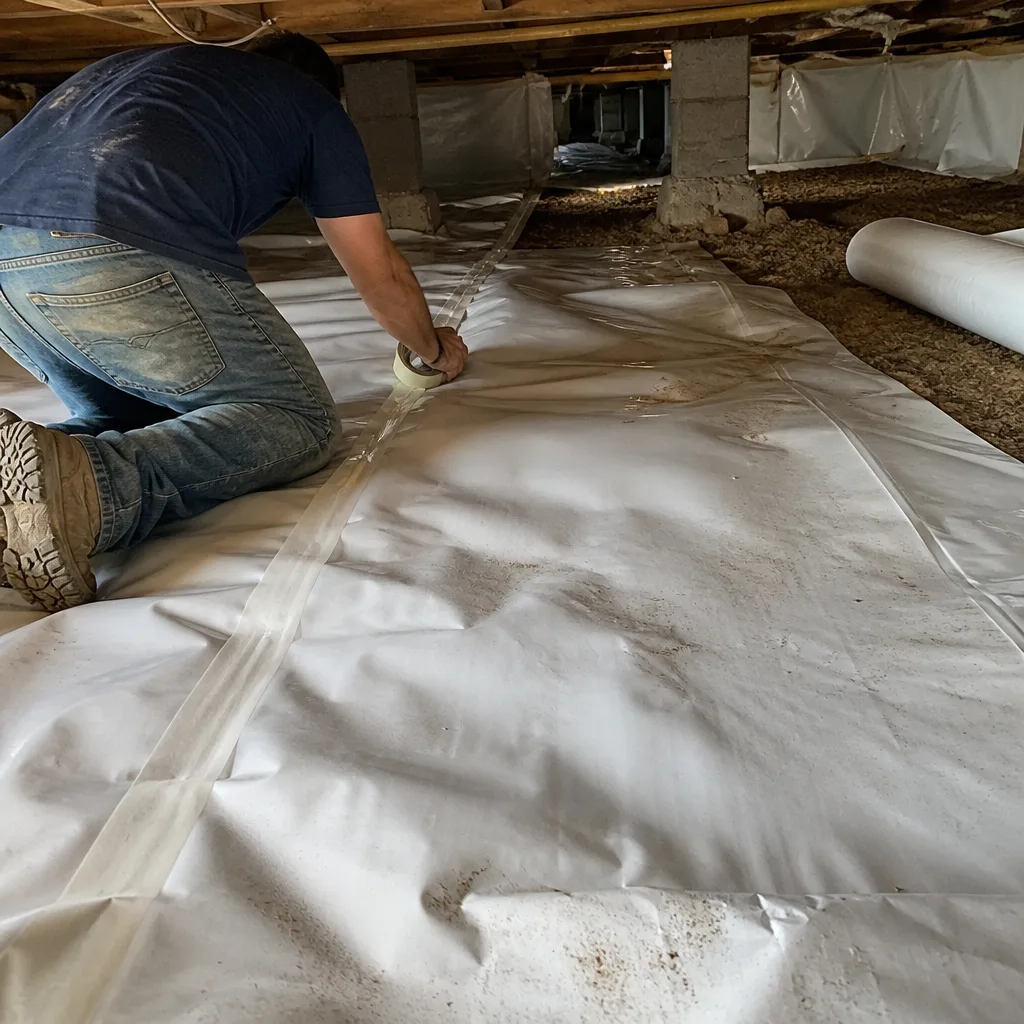
- Musty odor that persists after dehumidifier use. This usually means the vapor barrier has a seam separation or the Icynene open-cell foam has absorbed moisture through its permeable structure, creating a slow mold food source in Converse’s 70%+ summer humidity. The smell won’t clear until the wet foam is removed or dried and the barrier resealed.
- Cold floors in winter despite adequate attic insulation. When rim joist sealing fails - whether Icynene foam has pulled away or was never applied to the full perimeter - outside air circulates directly under your subfloor. We see this most in 1970s ranch homes near Foster Road where the original builder skipped rim joist treatment entirely.
- Visible condensation on ductwork or plumbing lines in the crawl space. This indicates the dew point is being hit inside the encapsulated space, meaning your vapor barrier has a breach or the dehumidifier isn’t keeping relative humidity below 55%. In Converse, where summer ground temperatures stay in the low 70s, uncontrolled humidity will condense on any surface below the ambient air temperature.
- Sagging or pooling vapor barrier. If the polyethylene has pulled from its fasteners or the drainage matting beneath has compressed, water can collect between the barrier and the soil. This accelerates barrier degradation and can wick upward through Icynene’s open-cell structure if the foam extends to the sill plate without a closed-cell cap.
- Increasing energy bills with no change in usage. A failing encapsulation system lets conditioned air escape through rim joist gaps and forces your HVAC to work harder. We verify this with a blower-door test - a pressurization reading that shows, in one number, how much air your building envelope is losing - before and after any remediation.
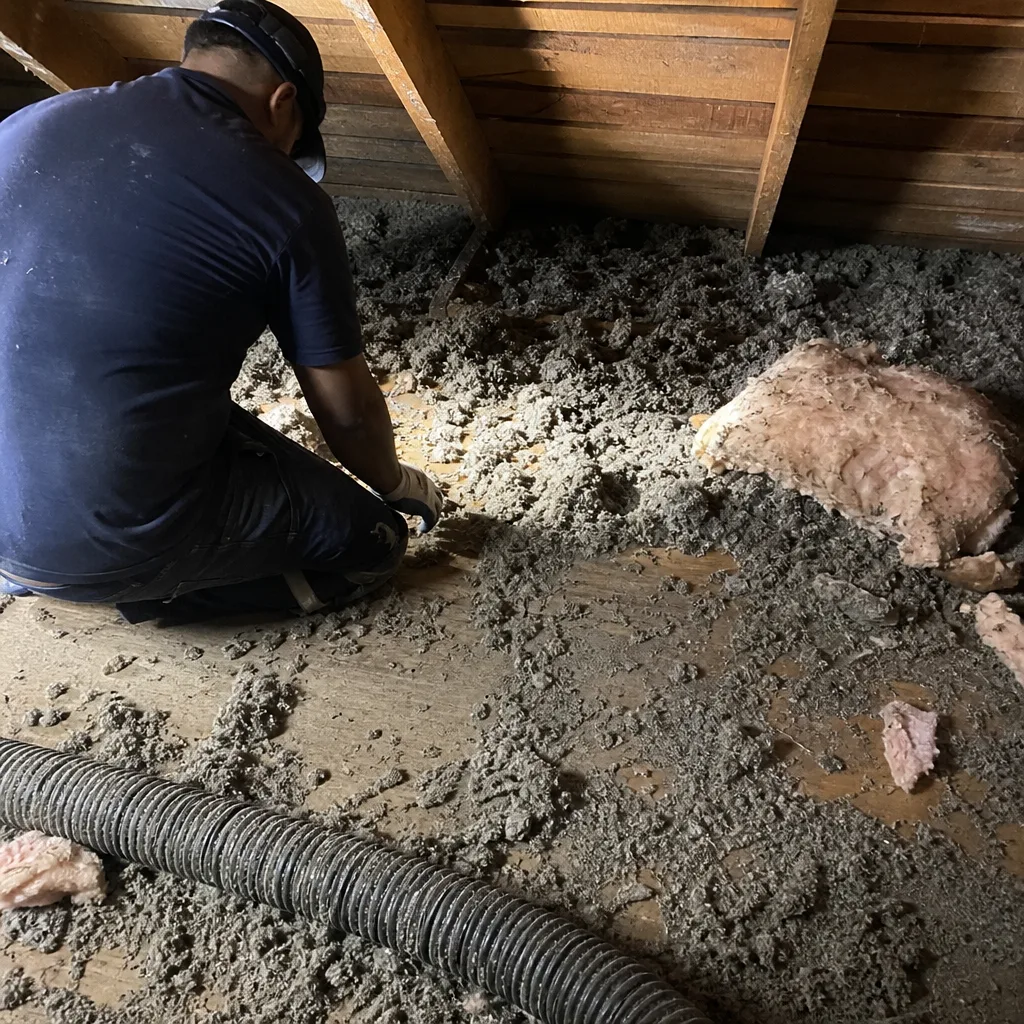 Before
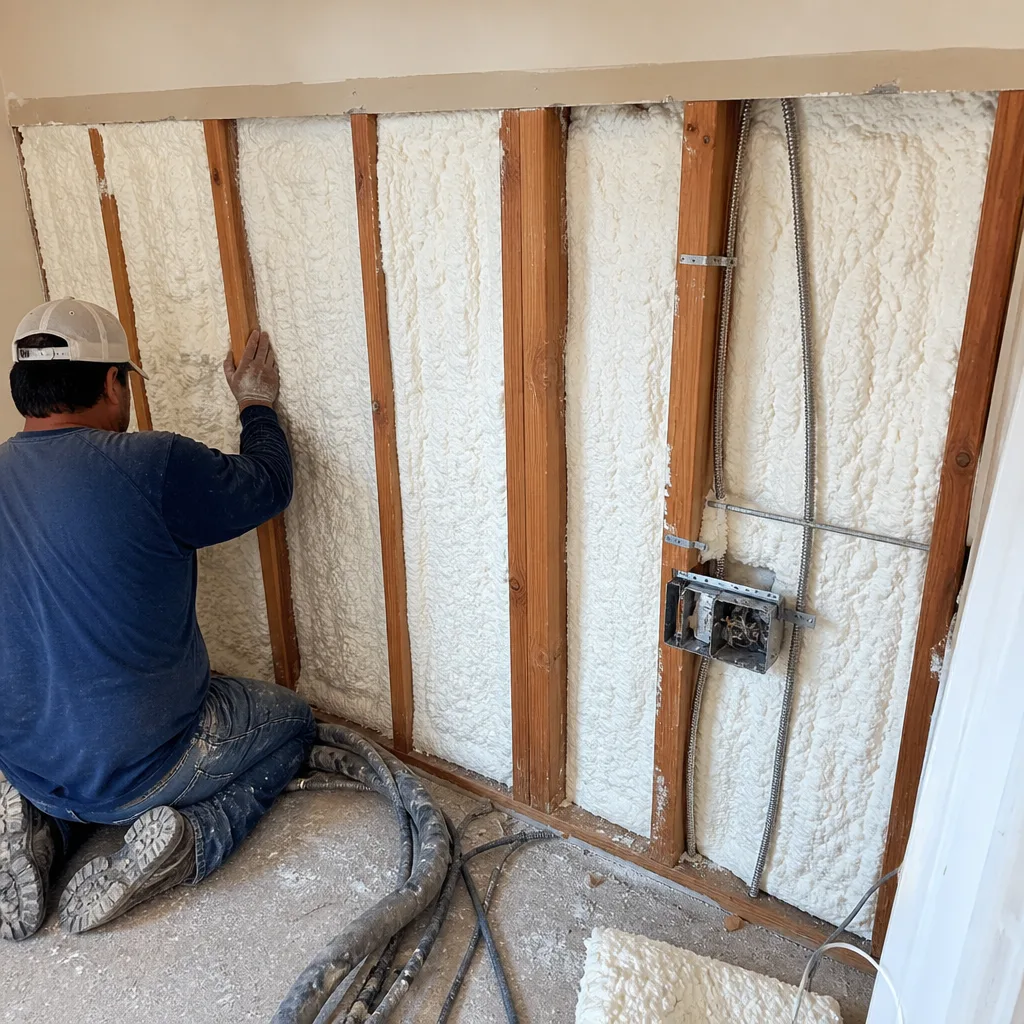 After
AfterReplacement Cost & What’s Included
In Converse, a full Icynene crawl space encapsulation replacement typically runs $3,800 to $7,200, with most single-family homes in the $4,500 to $5,800 range. That includes removal of saturated or mold-affected Icynene open-cell foam, installation of a 10-mil reinforced vapor barrier with sealed seams and mechanical fastening to walls, closed-cell spray foam application at rim joists for vapor impermeability, and a new dehumidifier discharge line if needed. What drives the high end: standing water requiring a sump basin and pump, structural repairs to sill plates, or access limitations in crawl spaces under 18 inches clear.
We don’t quote by phone without photos or a site visit - Haven Standard Clause 1 requires a written price before any work starts, and crawl spaces vary too much for guesswork. Every job closes with a Documented Photo Record and, on applicable jobs, before-and-after blower-door readings so you can verify the air-sealing result. Our 365-Day Done Right Promise covers all completed work.
DIY or Call Us?
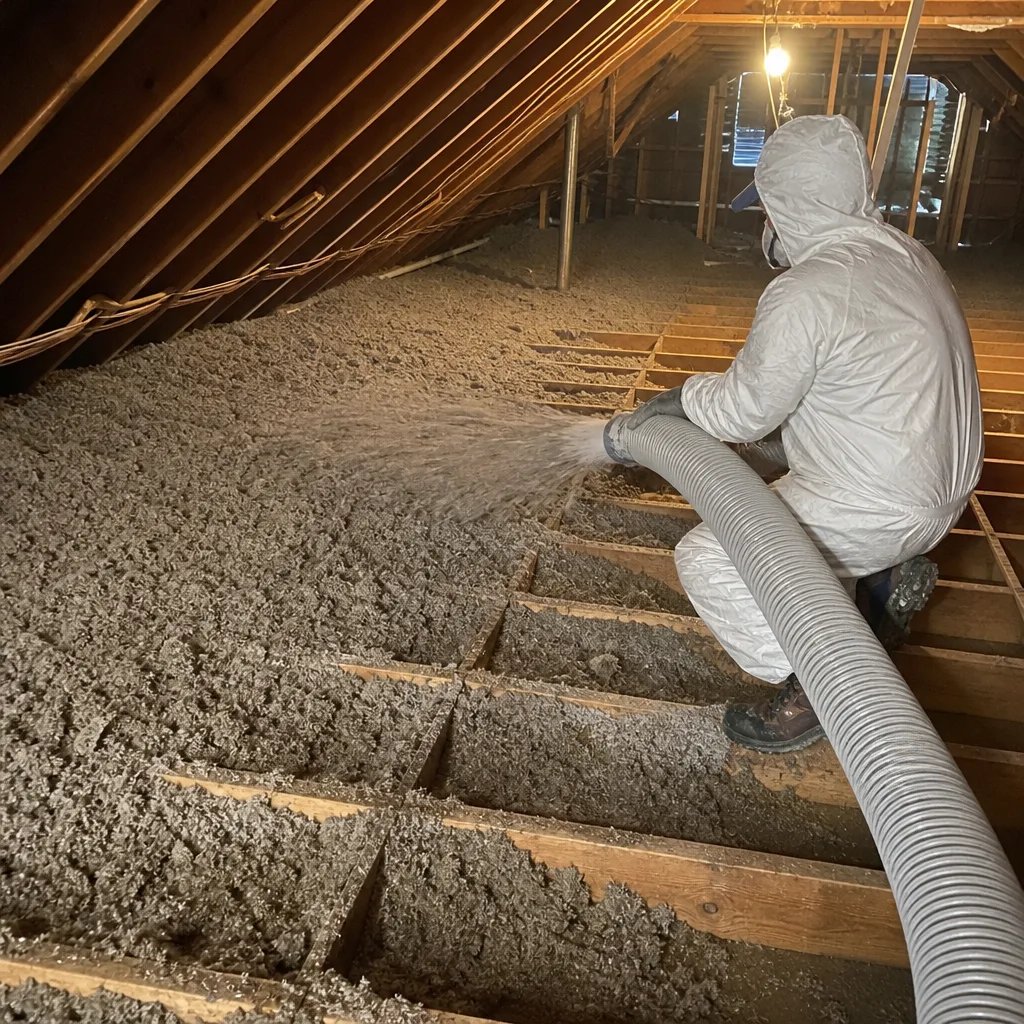
There’s a safe middle ground here, and then there’s where DIY goes wrong. You can check your crawl space humidity with a $15 hygrometer, photograph any visible barrier damage, and verify your dehumidifier’s drainage line isn’t kinked. What you shouldn’t do: spray additional foam, cut into existing Icynene without respiratory protection, or attempt to remove water-saturated foam yourself. Open-cell Icynene that has absorbed moisture can harbor mold spores; disturbing it without containment spreads them through your HVAC return pathways. The rim joist work requires proper spray foam equipment and training to achieve the closed-cell density that stops vapor drive in Converse’s soil conditions. If your hygrometer reads above 60% or you see stained foam, call (830) 420-0953. We’ll inspect, document, and give you a written price before anyone lifts a tool.
FAQs
Properly installed encapsulation with a quality vapor barrier and closed-cell rim joist seal lasts 15 to 20 years in Converse’s climate. The failure point we see most often isn’t the Icynene foam itself but the vapor barrier seams or inadequate dehumidification - both fixable without full replacement. Call (830) 420-0953 for an inspection and exact scope.
Yes, if the barrier is intact except for localized seam separation or small punctures. We use Stego seam tape and patch material rated for below-grade use. If the barrier has widespread embrittlement or if moisture has saturated the Icynene foam beneath it, partial replacement is the honest recommendation. We stock patch materials and full barrier rolls - we’ll tell you which applies after seeing it.
Most Converse crawl spaces take two to three days: one day for removal and drying assessment, one day for installation, and possible third day if sump work or extensive rim joist repair is needed. We don’t rush the drying phase - sealing wet foam or framing guarantees future mold. You’ll get a written schedule with your written price before work starts.
We carry 10-mil reinforced vapor barriers, closed-cell spray foam for rim joist sealing, Stego seam tape, drainage matting, and sump basin assemblies on every crawl space truck. We also stock Reflectix radiant barrier material for hybrid applications where floor insulation is part of the scope. Same-day installation is available for most repairs; full encapsulation typically schedules within a week.
Ready to stop the moisture and the musty smell? Call (830) 420-0953 for a free inspection and written estimate. We’ll run a blower-door test if your home qualifies, show you the photo documentation from past Converse jobs, and give you a flat price before any work starts - that’s Haven Standard, no exceptions.
Written by Wes Okafor, Owner & Lead Insulation Technician, Topside Attic Insulation Converse at Topside Attic Insulation Converse, serving Converse and nearby areas.