
Demilec Attic Air Sealing: The Converse Owner’s Guide
Demilec-compatible attic air sealing in Converse typically runs $1,800-$3,400 installed for a complete top-plate and penetration seal on a 1,800-2,400 square foot home, and we stock the acrylic adhesive sealants and expanding foam components for same-day starts on most jobs. Most Converse homeowners discover their Demilec air sealing has failed when summer attic temperatures spike past 140°F and the HVAC runs nonstop, or when a recent energy audit flags CFM50 readings above 3,500 cubic feet per minute at 50 pascals - the threshold where unsealed top plates and can-light penetrations are actively pulling conditioned air into the attic. We see this pattern repeatedly in Converse ranch homes built between 1975 and 1995, where original Demilec sealant has cured past its effective life in our heat-cycling climate.
Which Demilec Models This Applies To
Demilec produces open-cell and closed-cell spray foam systems, but the attic air sealing components we replace are the acrylic-based caulks, one-part expanding foams, and hybrid sealant tapes applied at top plates, wire penetrations, and duct chases - not the spray foam insulation itself. The critical identifier is the product label: Demilec’s SEALECTION 500 and Agribalance lines used in Texas attics between 2008 and 2018 were typically paired with Demilec-brand acrylic sealants rated for 200°F continuous exposure, though many Converse installers substituted generic Big Box store foam that fails at 160°F.
To confirm what you have, check the cured foam color: Demilec’s OEM sealant cures to a distinct pale yellow, while aftermarket substitutes usually cure white or beige. The spec that matters is compression set resistance - Demilec’s original formulation maintains seal integrity through 50,000+ thermal cycles, critical in Converse where attic temperatures swing from 40°F winter mornings to 150°F summer peaks. We stock both OEM Demilec sealants and Johns Manville equivalent-grade acrylics that meet the same ASTM C920 Class 25 standard; for homes with active blower-door testing, we match the original product to avoid introducing a variable that skews your before-and-after numbers.
Signs Your Demilec Attic Air Sealing Is Failing
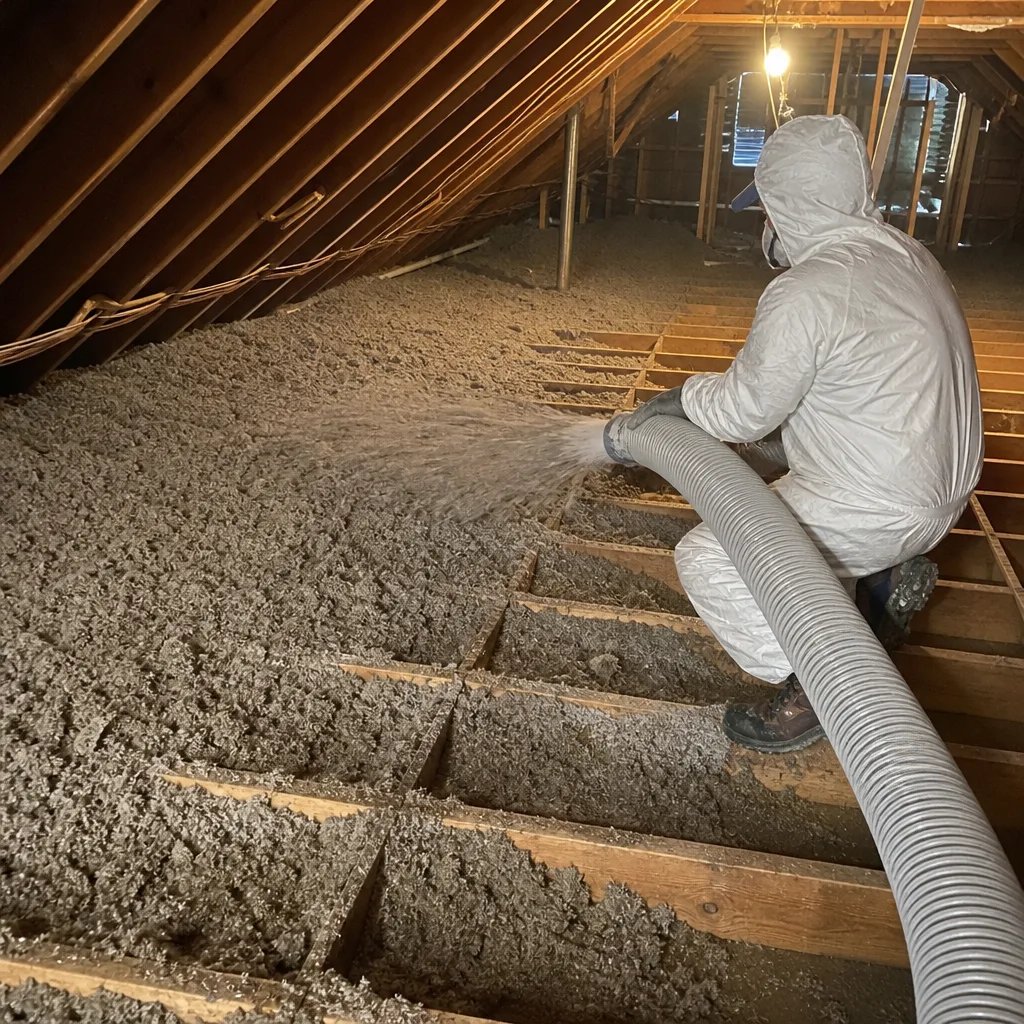
- Your HVAC runs 20+ minutes longer to reach setpoint than it did three summers ago. This happens when cured Demilec sealant at top plates has shrunk or cracked, creating a direct chimney effect that pulls conditioned air upward. In Converse’s clay-soil zones, foundation settling amplifies the gap opening at wall-to-attic junctions.
- Dust streaks appear on ceiling drywall near interior walls, especially after windy days. These “ghost marks” are filtration lines - air being drawn through the drywall as it leaks past failed sealant at the top plate. The drywall acts as a filter, trapping attic dust that sealant should have blocked.
- Blown-in insulation shows uneven settlement with bare patches near eaves and light fixtures. Air movement from unsealed penetrations scours insulation away from leak sites. We regularly find this in Converse’s Foster Road-area ranches where original Demilec foam was applied too thin at can-light housings.
- Your summer electric bill jumped 15-30% year-over-year with no rate increase. Failed air sealing forces your HVAC to condition attic air volume indirectly. One Converse customer we tested in 2023 was losing 2,800 CFM50 through a single unsealed chase - equivalent to a 2.5-square-foot hole in the envelope.
- Infrared camera or blower-door test shows top plates glowing 15°F warmer than surrounding drywall in winter. This indicates warm attic air infiltrating downward past failed sealant. Demilec’s original acrylic should maintain a thermal break; when it fails, the temperature differential becomes visible within minutes of startup.
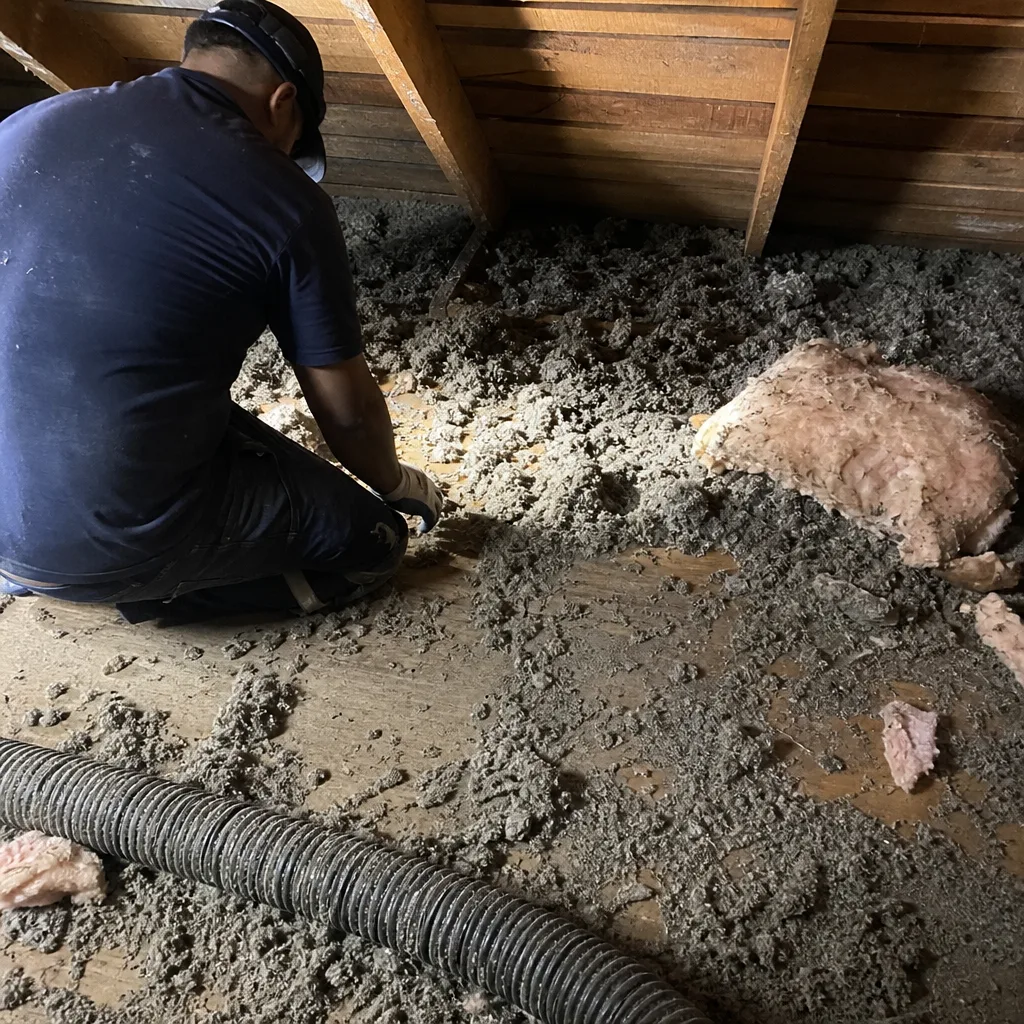 Before
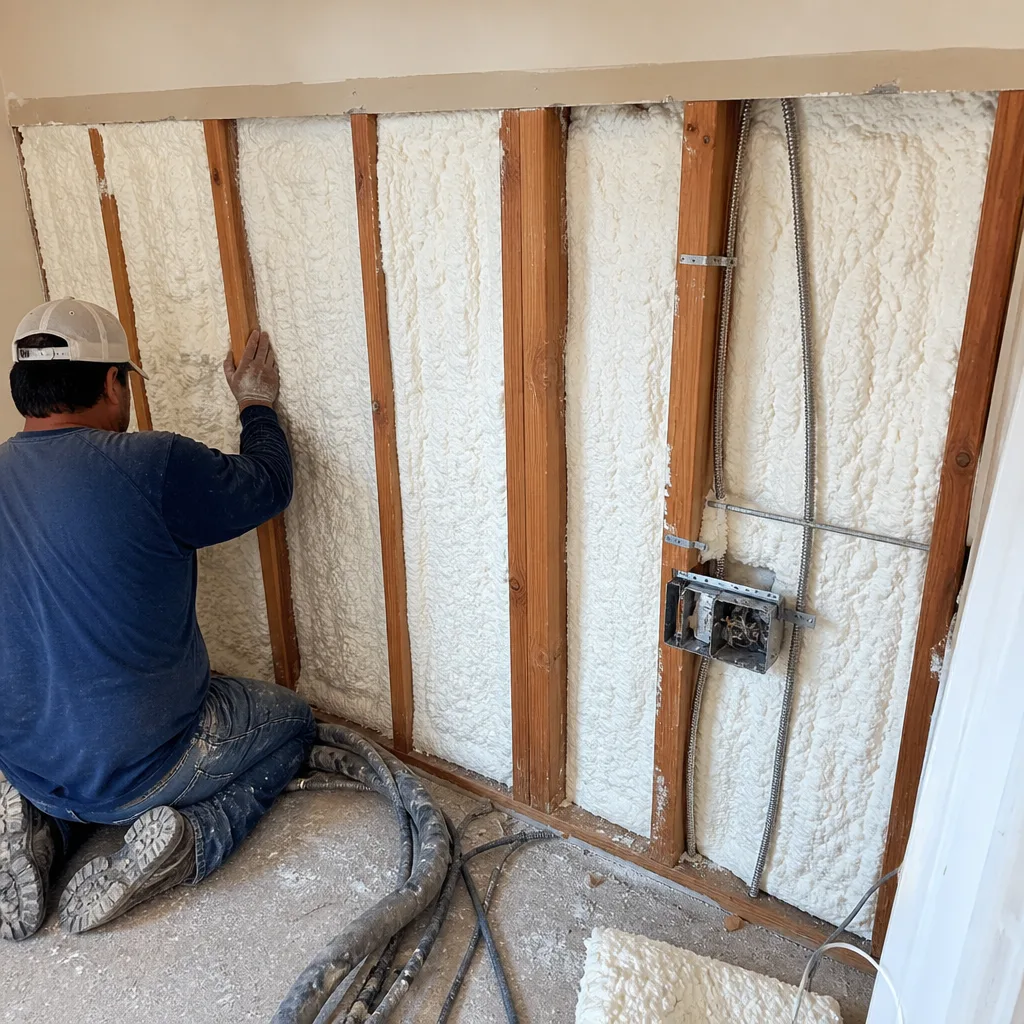 After
AfterReplacement Cost & What’s Included
Complete Demilec attic air sealing in Converse runs $1,800-$3,400 for most homes, with the spread driven by attic square footage, accessibility (truss spacing and decking presence), and whether we’re sealing over existing insulation or require removal first. Here’s how that breaks:
| Component | Range |
|---|---|
| Labor: top-plate seal, penetration mapping, can-light boxing | $1,200-$2,200 |
| Materials: Demilec/OEM-compatible acrylic sealant, expanding foam, fire-rated boxes | $400-$800 |
| Insulation removal/replacement (if needed) | $200-$400 additional |
| Before-and-after blower-door test with printed report | Included |
Every job gets a Written Price Before Any Work Starts under Haven Standard Clause 1, and we publish your blower-door numbers - pre-seal CFM50, post-seal CFM50, and the percentage reduction - on a printed report you keep. The 365-Day Done Right Promise covers material and labor; if sealant fails or we missed a penetration, we return and fix it. We are an independent service provider, not affiliated with Demilec.
DIY or Call Us?
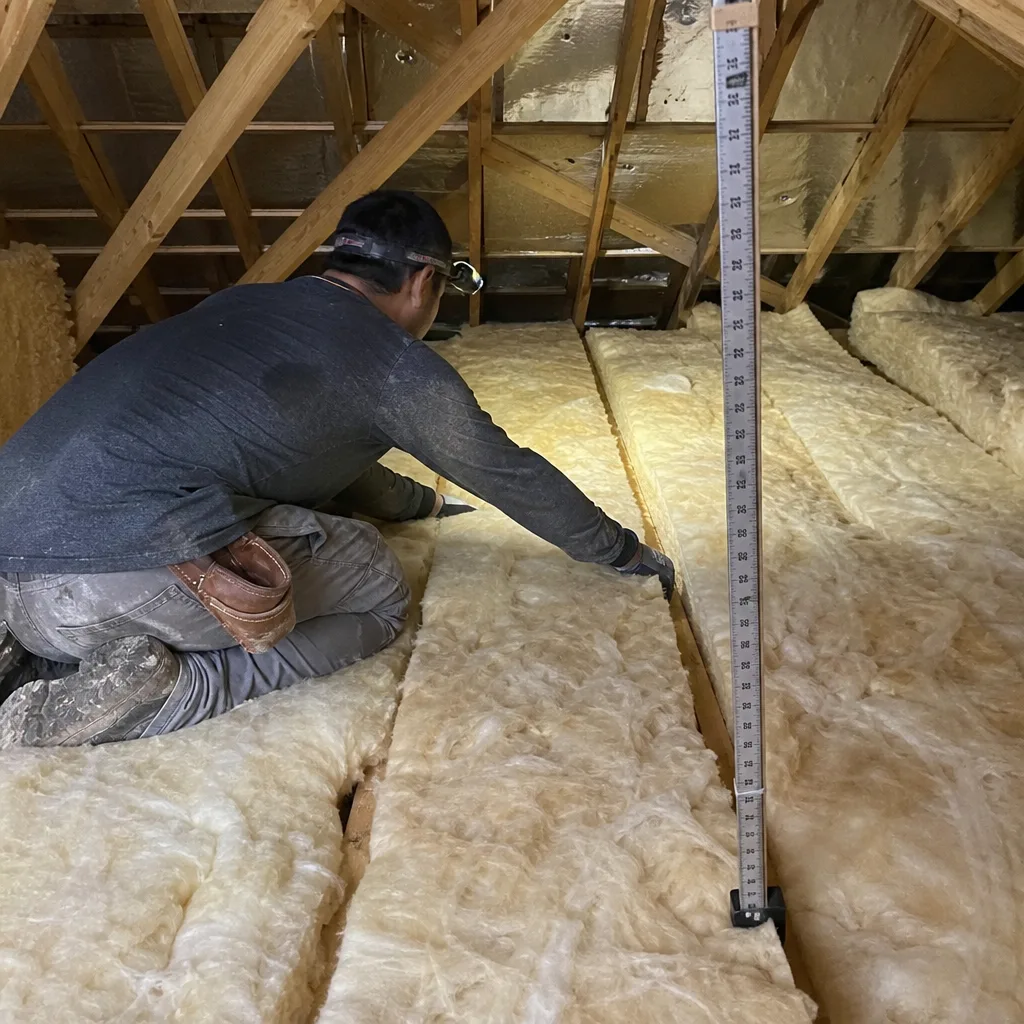
There’s a safe middle ground and a hard stopping point. An owner can verify failure with a smoke pencil at outlet and switch plates on exterior walls - if smoke pulls upward when the HVAC runs, you’ve got top-plate leakage. You can also photograph cured foam color and check product labels in the attic for Demilec markings.
Where DIY ends: attic work in Converse summer heat is genuinely dangerous - temperatures above 130°F cause heat exhaustion in under 15 minutes, and walking joists while applying sealant requires three points of contact you don’t have. More critically, sealing can lights without IC-rated fire boxes creates a fire hazard, and applying expanding foam around active knob-and-tube wiring (still present in some pre-1975 Converse homes) can overheat conductors. We carry respirators rated for isocyanate exposure, thermal imaging to find every penetration, and the blower-door rig to prove the seal worked. Call (830) 420-0953 when you’re ready for numbers you can verify.
FAQs
Properly applied Demilec acrylic sealant lasts 15-20 years in Converse’s climate, though attic installations exposed to sustained 150°F+ peaks may see degradation at 12-15 years. The thermal cycling in Texas - 80°F+ daily swings in summer attics - accelerates compression set compared to cooler climates. Call (830) 420-0953 and we’ll inspect your existing sealant’s condition at no charge.
Spot repair works only when the original sealant is still flexible and the failure is isolated to one or two penetrations. Once Demilec acrylic has cured past its elastic phase - common after 12+ years in Converse heat - new sealant won’t bond chemically to the old, and mechanical removal is required. We test bond strength during our initial inspection and tell you which path applies before quoting.
Most Converse homes finish in one full day for sealing only, or two days if insulation removal and replacement are included. We run the blower-door test first thing, seal all day, and retest before leaving so you leave with documented proof. Crew size is two technicians for safety in attic heat.
We stock Demilec-compatible acrylic sealants, one-part expanding foams, and fire-rated light boxes on every truck serving Converse - no supplier delay for standard residential jobs. Specialty commercial-grade Demilec products for large-volume applications may require 48-hour ordering. Call (830) 420-0953 to confirm your specific material is on the truck today.
Seal the leaks first. Then insulate. The numbers will tell you if it worked.
Ready to see your home’s actual leakage numbers? Call (830) 420-0953 for a free estimate. We’ll run the blower-door test, show you where your Demilec sealing stands, and give you a written price before any work starts - Haven Standard Clause 1, no exceptions. We also stock Reflectix radiant barrier components if your attic needs layered envelope work.
Written by Wes Okafor, Owner & Lead Insulation Technician, Topside Attic Insulation Converse at Topside Attic Insulation Converse, serving Converse and nearby areas.