
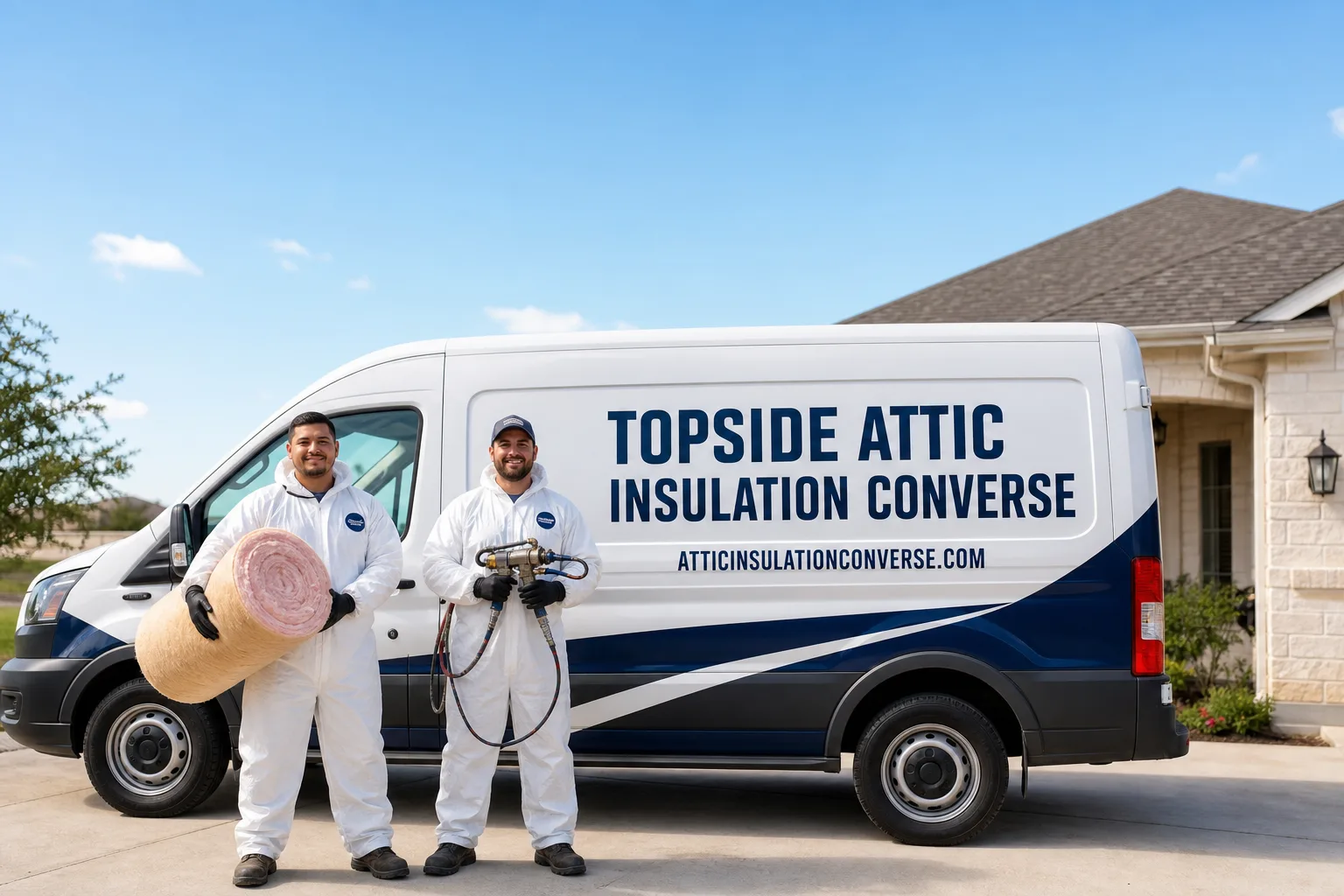
Fast, Reliable Blown-In Insulation Across New Braunfels
Most blown-in insulation jobs in New Braunfels run $1,800-$4,200 for a typical attic, and our crews can usually inspect and quote same-day. We dispatch to New Braunfels from our San Antonio office, with technicians routinely working the I-35 corridor from Veramendi to the Canyon Lake area. If your upstairs won’t cool down or your energy bills keep climbing in a home built after 2010, the problem is often settled, undersized builder-grade insulation that never performed to its labeled R-value. Call (830) 420-0953 to schedule a free estimate with a written price before any work starts.
Why Topside Attic Insulation Converse Is New Braunfels’s Preferred Blown-In Insulation Company
We’ve sealed and insulated over 9,000 homes since 2016, and a growing share of them are in New Braunfels’s fast-built subdivisions where production builders cut insulation corners during the 2010s-2020s boom. Our New Braunfels customers leave reviews that specifically mention the before-and-after blower-door numbers we publish, the photo records we deliver, and the fact that we air-seal first before blowing anything in. One recent review from a Creekside homeowner noted we found a top plate gap their builder had missed, sealed it, then blew in cellulose, and their summer upstairs temperature dropped 11 degrees.
Response time to New Braunfels is typically same-day or next-day for estimates, with crews already running the corridor between Seguin and San Antonio. We don’t ask you to wait for a callback window. A live person answers calls 24/7, and you’ll get a text when your technician is en route with a name and photo.
Our local knowledge runs deep. We know which Veramendi floor plans have the notorious attic bypasses around the HVAC chase. We’ve measured attic temperatures above 150°F in the treeless phases of Creekside built on bare caliche. And we’ve documented how the river-valley humidity from the Comal and Guadalupe affects vapor management in slab-on-grade homes throughout the city. That context changes what material we recommend and how we install it.
Our Blown-In Insulation Services in New Braunfels
Blown-In Fiberglass
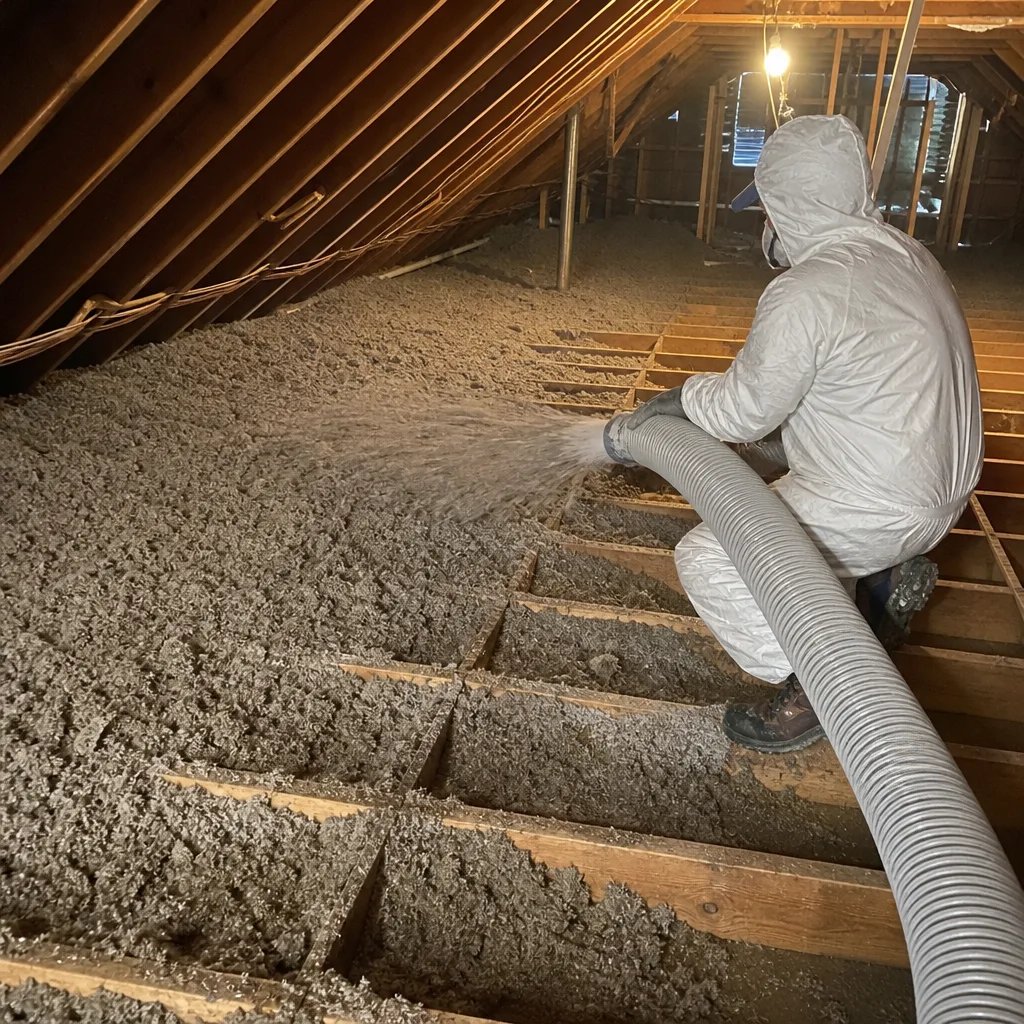
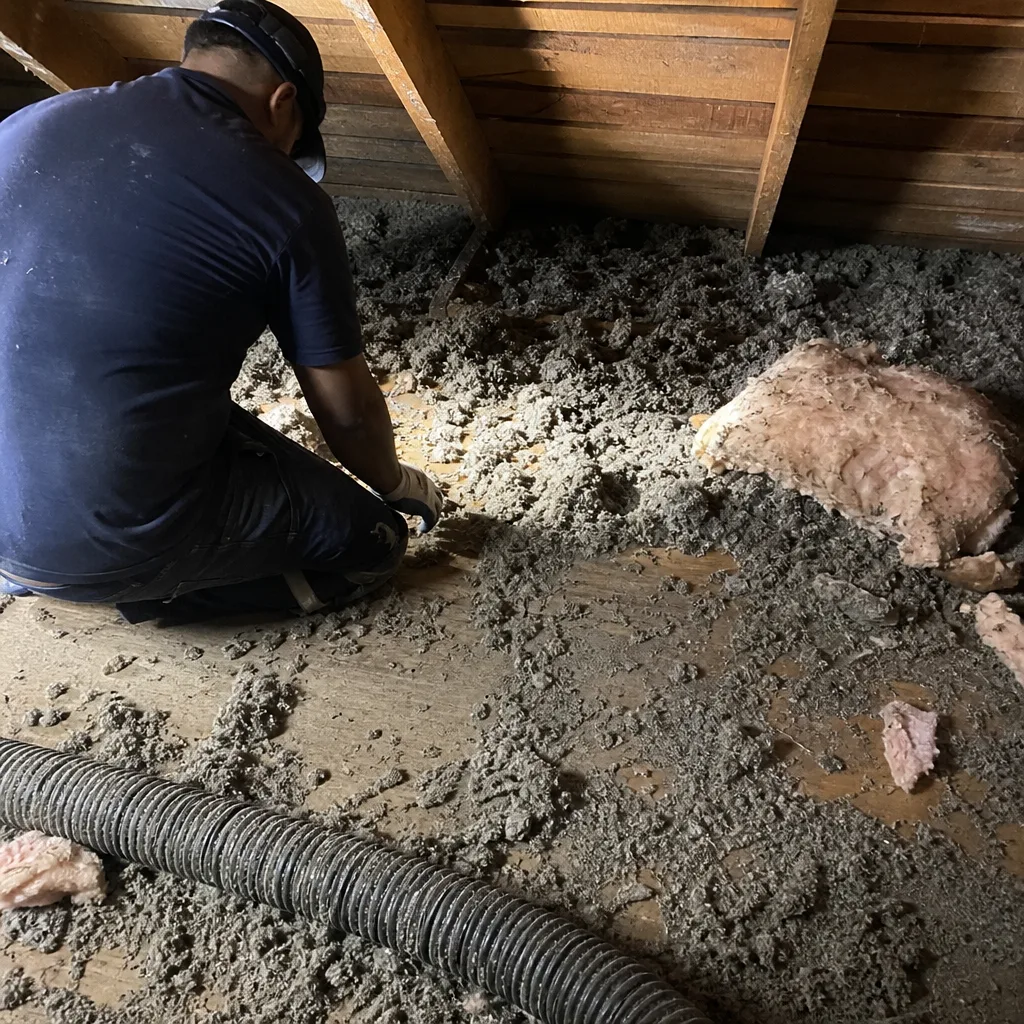
We install Owens Corning and Johns Manville blown fiberglass in New Braunfels attics where the existing insulation has settled or where we’re starting fresh after removal. In the open, treeless subdivisions along I-35, fiberglass holds up well when installed to proper depth with adequate air sealing beneath it. We were called to a 2018-built tract home in Veramendi where the builder-grade blown fiberglass had settled to a fraction of its original depth, leaving the attic near 150°F by midday. We removed the collapsed insulation, air-sealed the attic floor, and blew in Owens Corning fiberglass to a uniform depth that brought the attic temperature down and stopped the second-story from baking. The homeowner said the upstairs finally felt like part of the house.
Blown-In Cellulose
Cellulose, treated with borate for fire and pest resistance, performs well in New Braunfels’s older homes near downtown and Gruene where wall cavities are empty and attics need dense packing. It’s also our choice for homeowners who want a higher recycled content and better sound dampening from I-35 traffic. In the historic limestone and frame structures around the German-settlement core, cellulose dense-packed into stud bays provides the first real thermal envelope these homes have ever had. For attics, we typically blow cellulose over air-sealed floors in homes where humidity management is a priority.
Dense-Pack Wall Insulation
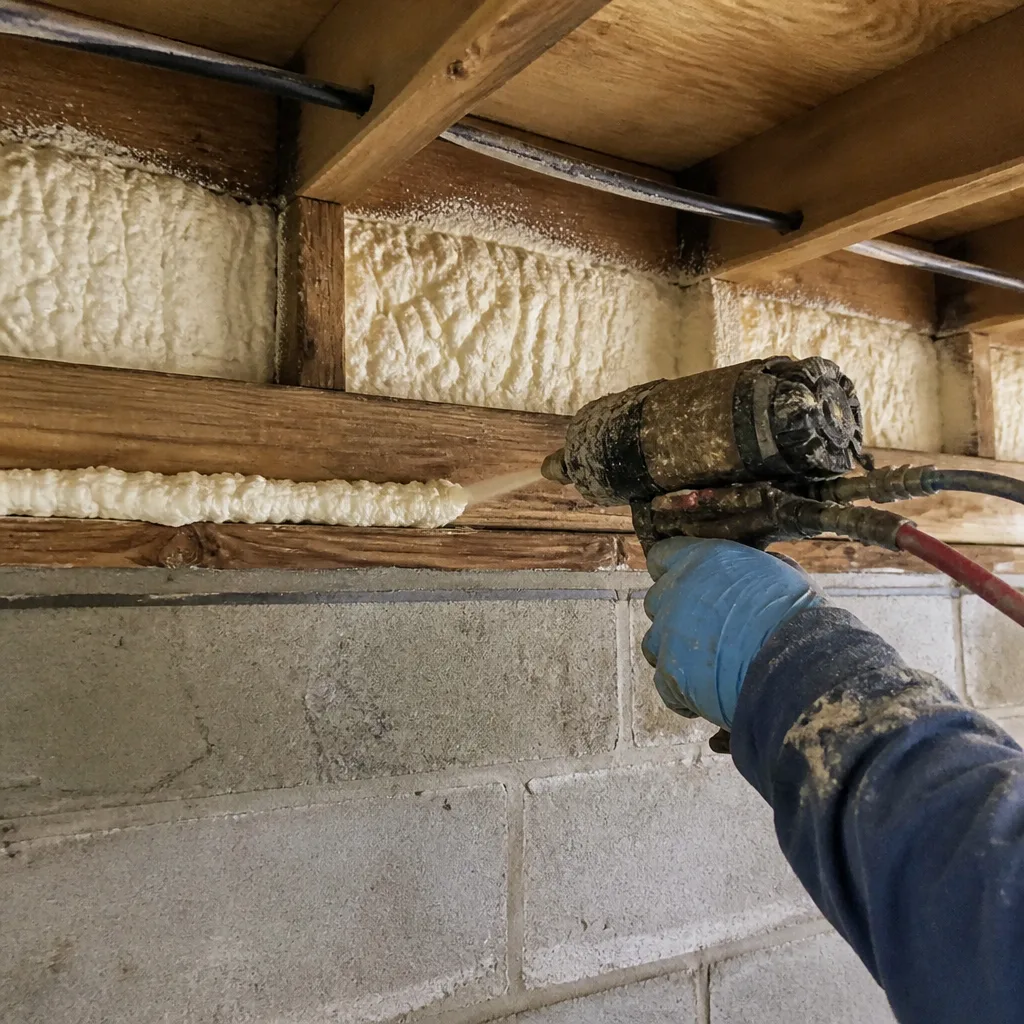
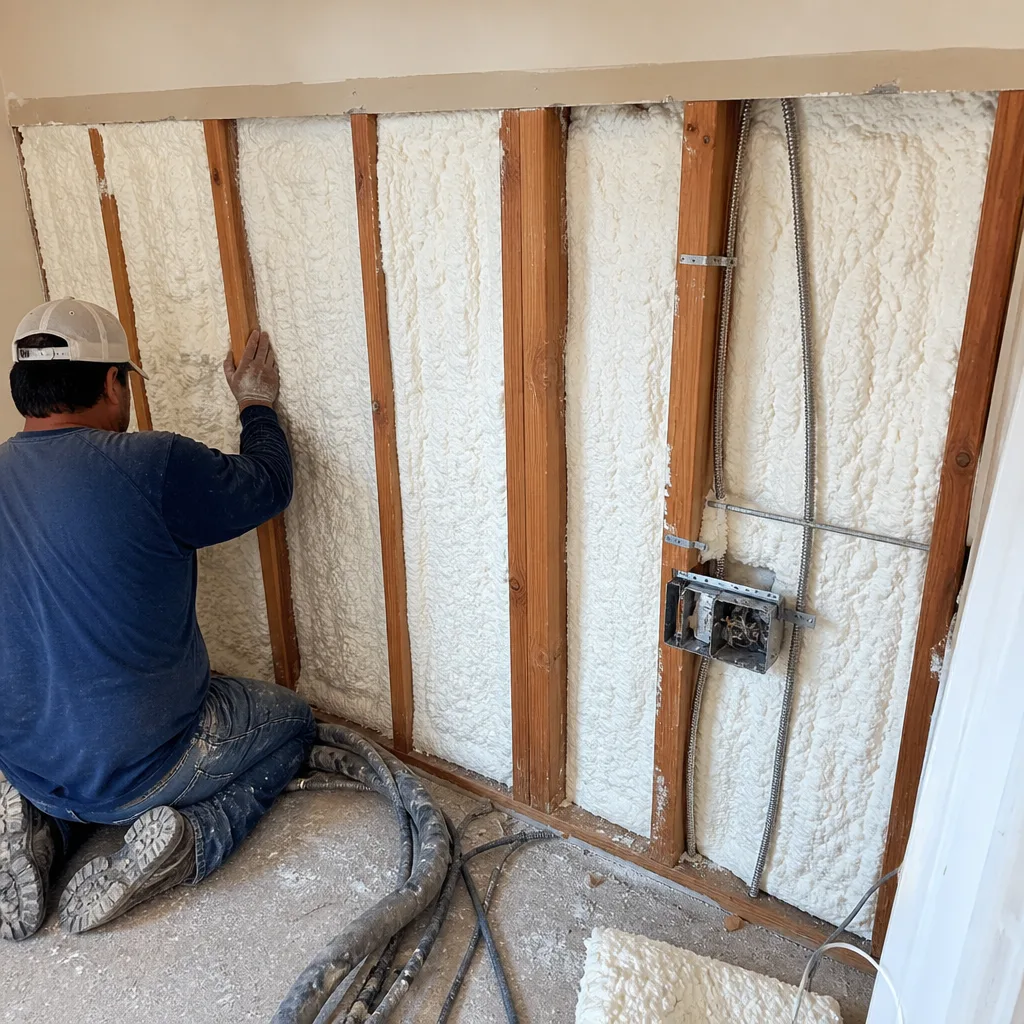
Many New Braunfels homes, especially the 19th- and early 20th-century structures near Gruene and the downtown historic district, have empty wall cavities with no original insulation. We dense-pack cellulose or fiberglass into these cavities at pressure, filling gaps around plumbing and wiring without removing interior drywall. The result is a measured, documented reduction in air leakage that shows up on the blower-door report we leave with you. This is slow, precise work, and we price it with a written scope before starting.
Blown-In Top-Up
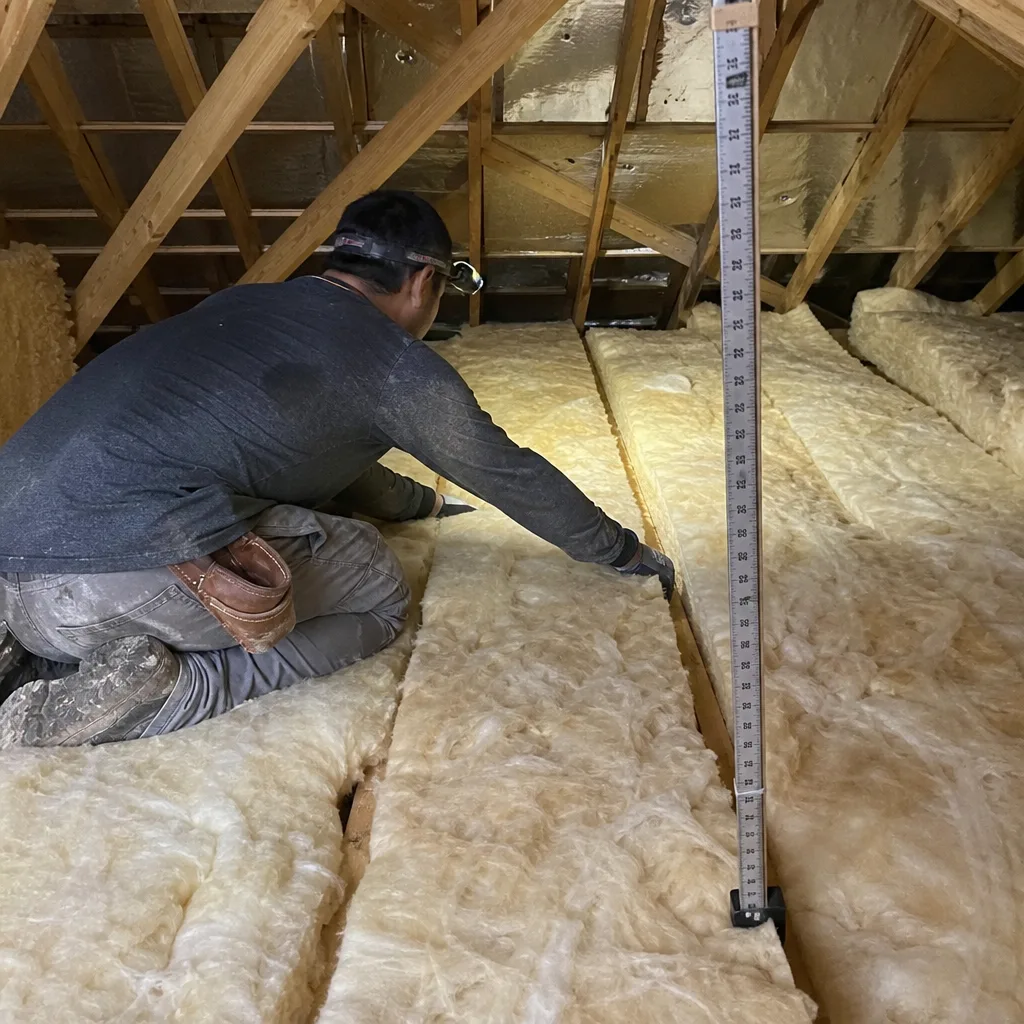
Not every New Braunfels attic needs full removal. In some cases, particularly homes built in the mid-2010s where the original blown fiberglass is still partially functional but settled, we can air-seal penetrations and blow additional material on top. We measure existing depth, calculate the gap to target R-value for our climate zone, and quote only what’s needed. A typical top-up in a 2,400-square-foot New Braunfels attic runs $1,200-$2,400, depending on access and the condition of what’s already there.
What happens when you call
- 1
A real person answersNo phone trees - you reach a local pro.
- 2
You get an upfront price rangeHonest numbers before anyone is dispatched.
- 3
A background-checked tech heads outLicensed & insured, dispatched right away.
- 4
You approve before work beginsNothing starts until you say go.
 Before
 After
AfterTrusted Brands We Service in New Braunfels
We source blown-in materials from Owens Corning, Johns Manville, and Knauf, with no proprietary lock-in that limits your options. For New Braunfels homes dealing with the combined stress of Hill Country heat and river-valley humidity, we select products based on what the specific attic or wall assembly needs, not what moves fastest through our warehouse. We stock common densities and treat sizes locally, so most jobs don’t wait on material delivery. If your home needs something specialized, we specify it in the written scope and schedule around its arrival.
Common Blown-In Insulation Problems We See in New Braunfels Homes
- Settled builder-grade fiberglass in production homes. The vast majority of New Braunfels housing stock is 2010s-2020s tract construction insulated to bare-minimum Texas Energy Code. We’ve measured attics in Veramendi and Creekside where labeled R-30 had compressed to R-15 or less within five years, often because the initial install was thin to begin with.
- Humidity-trapped batts in river-corridor slab homes. The Comal and Guadalupe river valleys raise indoor humidity in newer slab-on-grade homes, and improperly vapor-managed batt insulation holds that moisture against framing. We find degraded paper-faced batts and diminished R-value in homes that look new from the curb.
- Post-Uri freeze damage revealing undersized original installs. After Winter Storm Uri in February 2021, a disproportionate number of our New Braunfels calls came from owners of 5-10-year-old production homes in I-35 corridor subdivisions. Their builder-grade blown fiberglass had settled or was undersized from day one, failing to protect pipes and living spaces during the freeze.
- Unsealed attic floors dumping conditioned air. Even where insulation depth looks adequate, we regularly find unsealed top plates, can lights, and HVAC chases in New Braunfels attics. The insulation sits on a leaky floor, and the air you paid to cool escapes faster than the R-value can matter. Our Blown-In Insulation team never blows new material over an unsealed surface.
Pricing for Blown-In Insulation in New Braunfels, TX
Here’s what blown-in insulation costs in the New Braunfels market, based on jobs we’ve completed in 2024 and 2025:
| Service | Typical Range |
|---|---|
| Attic blown-in fiberglass (full install, air sealing included) | $2,400-$4,200 |
| Attic blown-in cellulose (full install, air sealing included) | $2,200-$3,800 |
| Blown-in top-up over existing insulation | $1,200-$2,400 |
| Dense-pack wall insulation (per square foot of wall) | $3.50-$5.50 |
| Insulation removal + replacement (attic) | $3,000-$5,500 |
What moves a job toward the high end: limited attic access, extensive air-sealing work around a complex HVAC chase, removal of degraded or pest-contaminated existing material, and homes over 3,500 square feet. What keeps it lower: open attic space, accessible hatch, and partial top-ups where removal isn’t needed. Every quote we provide in New Braunfels is a flat written price with a written scope and written warranty before anyone lifts a tool. No exceptions. Call (830) 420-0953 for your specific estimate.
We Also Serve Cities Near New Braunfels
Our crews run regular routes to Seguin, Cibolo, Schertz, and Universal City from the same dispatch base that serves New Braunfels. If you’re in one of these neighboring communities and dealing with the same tract-home insulation issues, the same pricing structure and same Haven Standard documentation apply. We don’t charge extra for the drive.
Serving New Braunfels, TX - Our Local Coverage Area
We’re based in the New Braunfels area and know this community well. Use the map below to see our service coverage - if you’re nearby, we can almost certainly help.
FAQs - Blown-In Insulation in New Braunfels
Because “new” doesn’t mean “well-insulated” in this market. New Braunfels’s decade-long status as one of America’s fastest-growing cities meant production builders were erecting tract homes at speed, typically installing blown fiberglass to the bare minimum required by Texas Energy Code. We’ve found 2018 and 2019 builds in Veramendi and Creekside where the attic insulation had already settled to half its labeled depth, leaving the second story 10-15 degrees hotter than the downstairs. The homes look new. The thermal envelope isn’t. Call (830) 420-0953 and we’ll measure what you actually have.
The Comal and Guadalupe rivers create localized humidity pressure that standard batt insulation in slab-on-grade homes isn’t designed to manage. When vapor drives inward during our hot, humid months and hits a poorly detailed air barrier, fiberglass batts trap moisture against framing, compress, and lose R-value. We address this by air-sealing first, then selecting blown-in products with appropriate vapor permeability for the specific assembly. In some river-corridor homes, we recommend cellulose for its hygroscopic stability. The right material choice depends on what we find during inspection.
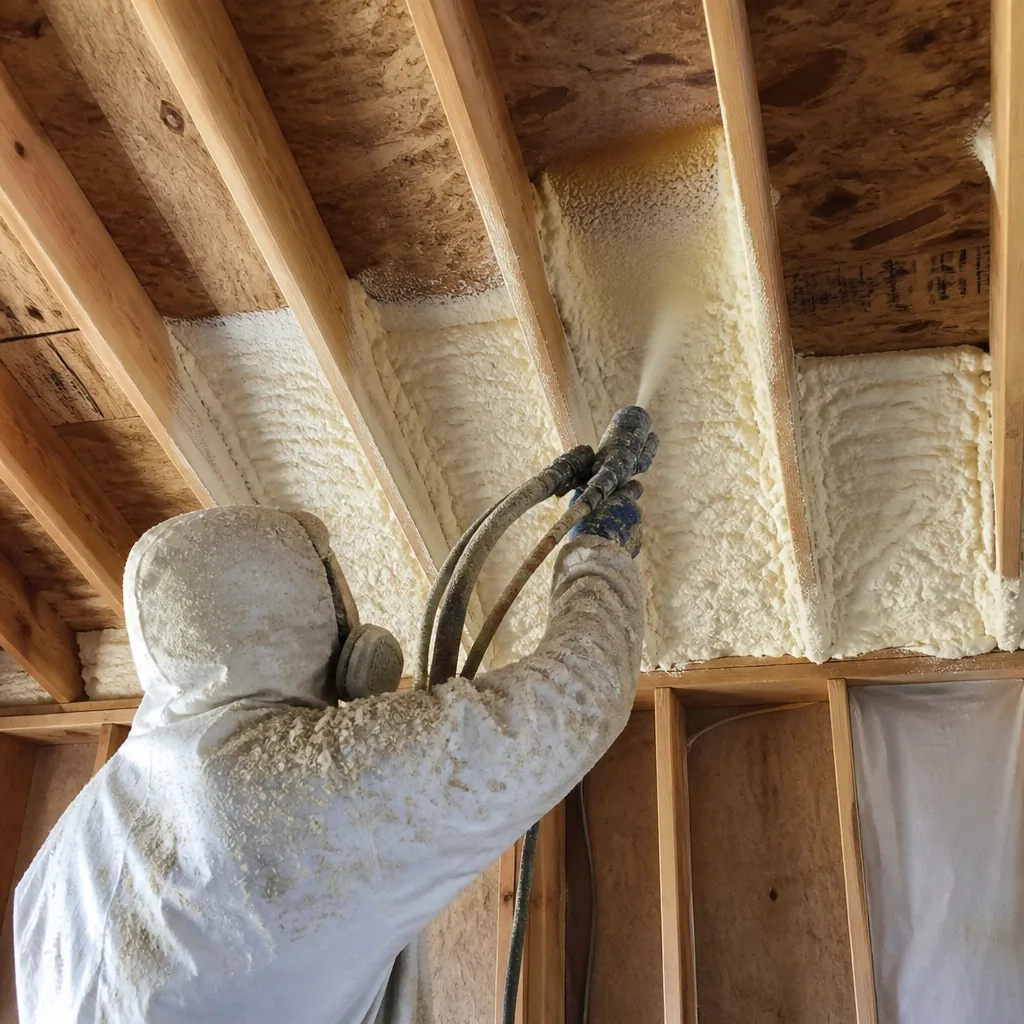
Uri exposed how many 5-10-year-old production homes along the I-35 corridor had builder-grade blown fiberglass that was undersized or settled from day one. Homeowners who assumed their 2015-2020 builds were code-compliant found pipes freezing and living spaces dropping to dangerous temperatures because the attic wasn’t actually holding heat in. Post-storm, we’ve seen strong local demand for both blown-in upgrades and full spray-foam attic encapsulation as homeowners realize their “new” homes need real envelope performance. The 365-Day Done Right Promise applies to all our insulation work if you’re upgrading for freeze protection.
Veramendi, Creekside, and the Canyon Lake corridor subdivisions top the list, all built during the 2010s-2020s boom with code-minimum insulation that has settled or was thin to begin with. The historic core around downtown and Gruene also sees major gains, but for different reasons: those 19th- and early 20th-century limestone and frame structures often have zero wall insulation and minimal attic coverage. Two different housing eras, two different failure modes, both correctable with the right blown-in approach and documented air sealing.
The soil doesn’t directly affect the insulation, but the combination of caliche substrate and minimal mature tree cover creates brutal attic conditions. Caliche reflects and radiates heat; without shade, roof decks in subdivisions like those along FM 306 and the I-35 frontage can push attic air past 150°F. That extreme thermal cycling accelerates the settling and degradation of loose-fill fiberglass. Blown-in insulation works fine here, but it needs to be installed to proper depth over a thoroughly air-sealed attic floor. We measure and document that seal with a blower-door test so you can see the actual performance change, not just the material depth.
Written by Wes Okafor, Owner at Topside Attic Insulation Converse, serving New Braunfels since 2016 under The Haven Standard.