

Fast, Reliable Blown-In Insulation Across San Antonio
Blown-in insulation in San Antonio typically costs $1.20-$2.80 per square foot for attic top-ups and $2.50-$4.50 per square foot for dense-pack wall work, with most attic jobs on a standard 1,200-square-foot home running $1,800-$3,400 complete. Our crews dispatch from the San Antonio office and usually book within 48 hours. Call (830) 420-0953 for a written price before any work starts.
We’ve been sealing and insulating San Antonio homes since 2016, and the housing stock here doesn’t forgive shortcuts. The city splits into two distinct worlds: the mid-century military tract belt of Converse, Universal City, and Leon Valley, where R-11 batts sag in 150°F attics, and the limestone-block cores of Monte Vista and King William, where blown-in won’t work at all. We know which is which before we cross your threshold. Our Blown-In Insulation team treats air sealing as a hard prerequisite, not an upsell, and publishes before-and-after blower-door numbers on every job so you can verify what you paid for.
Why Topside Attic Insulation Converse Is San Antonio’s Preferred Blown-In Insulation Company
We’ve sealed and insulated over 9,000 homes since 2016, every one with a written price before work started and a documented record when the crew left. In San Antonio, that history matters because the retrofit market is dominated by a specific housing era - the 1950s-70s federal-spec tract homes built for JBSA Lackland, Fort Sam Houston, and Randolph - and contractors who don’t recognize the failure patterns in those attics waste your money blowing insulation over problems that should be fixed first.
Our San Antonio customers leave reviews that mention specifics: the blower-door printout, the photo record, the technician who texted when he was ten minutes out. We answer calls 24/7 with a live person, no voicemail loops. Background-checked, uniformed technicians arrive on schedule under Haven Standard: Arrive on schedule, you get a named technician and a text when they are on the way.
Dispatch and scheduling are coordinated from our San Antonio office, so crews serving Alamo Heights, the northeast military corridor, and the northwest side aren’t driving in from another metro. That matters in July, when attic temperatures peak and you need someone who can get there before the next billing cycle closes.
Our Blown-In Insulation Services in San Antonio
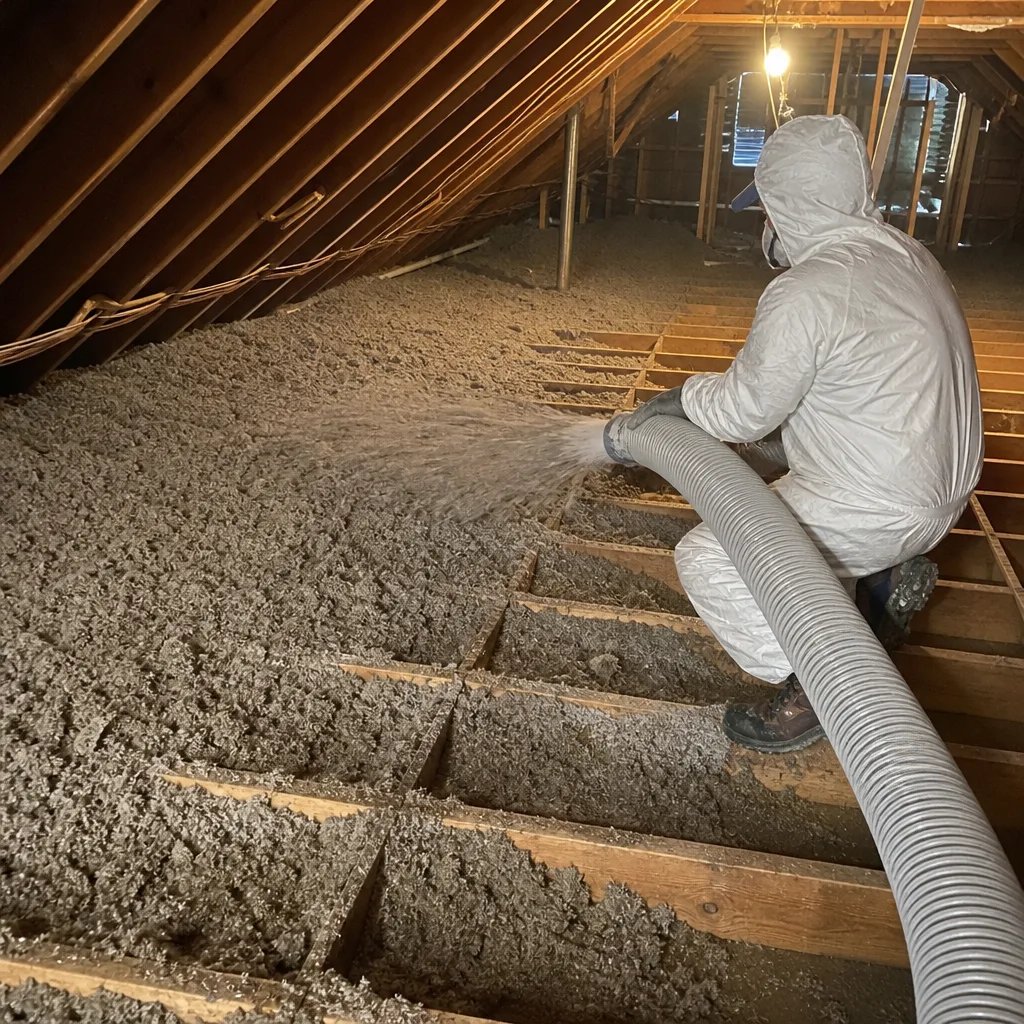
Blown-In Cellulose
We use GreenFiber cellulose on most San Antonio slab-on-grade homes in the military tract belt. Cellulose handles the radiant-heat load better than fiberglass in our climate, and at R-3.2-R-3.8 per inch it packs the joist bays efficiently even where low-pitch mid-century roofs limit headroom to 12-18 inches. Every cellulose job starts with sealing top plates, can lights, and flue chases. We won’t blow over an unsealed attic floor.
Blown-In Fiberglass
Fiberglass works well in newer San Antonio builds where attic framing allows full-depth coverage to R-49 or R-60, and where moisture management is already handled. We source from Johns Manville and Knauf. In Stone Oak or Helotes additions where spray foam was spec’d originally but missed the kneewalls, blown-in fiberglass fills the gap without the chemical cure time of foam. We still seal first, then insulate.
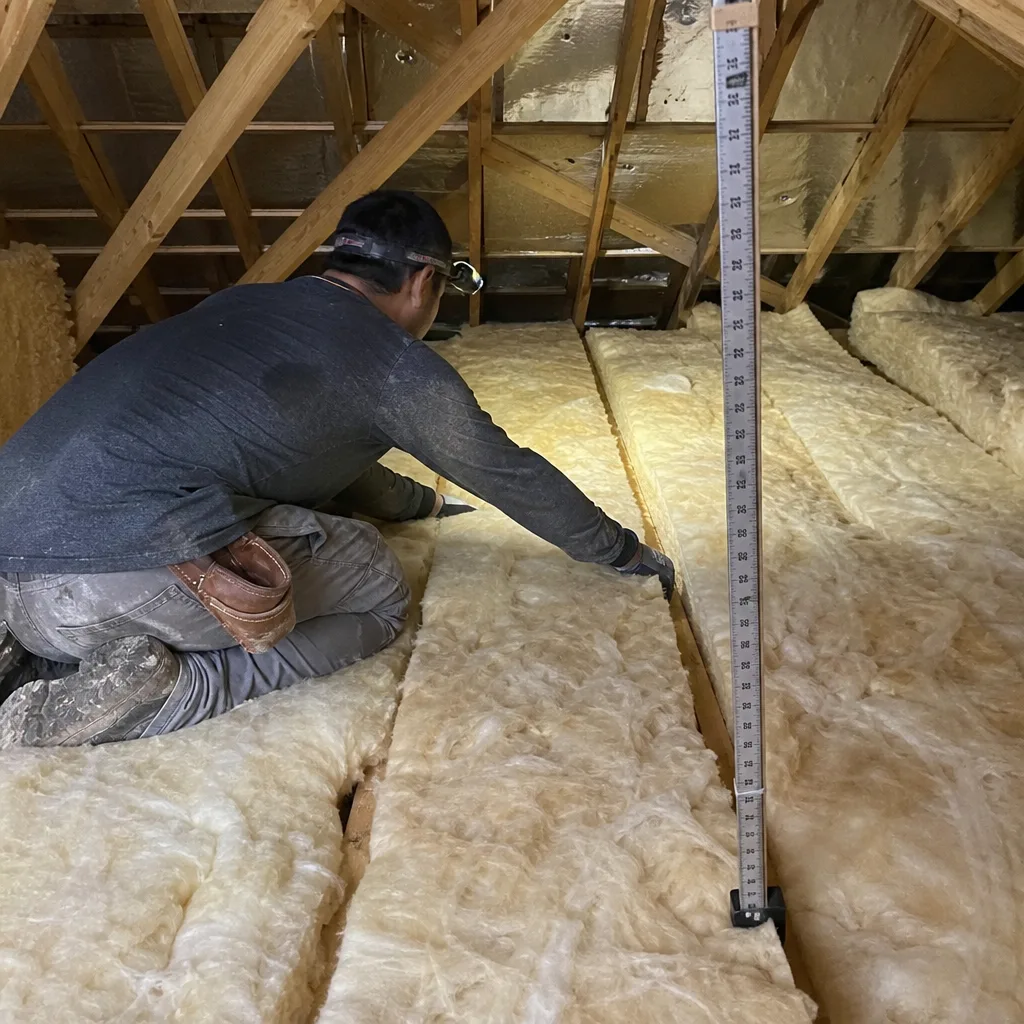
Dense-Pack Wall Insulation
Dense-pack is our solution for the hollow wall cavities in post-WWII wood-frame homes across Converse, Schertz, and Cibolo - the 2×4 studs with no insulation that bleed conditioned air year-round. We drill access holes, pack Rockwool or cellulose to 3.5 pounds per cubic foot, then patch and paint-match. Not every San Antonio home qualifies. Limestone-block or hollow-clay-tile walls in Monte Vista, Beacon Hill, or King William have no cavity to fill; we tell you that upfront, before we write a price.
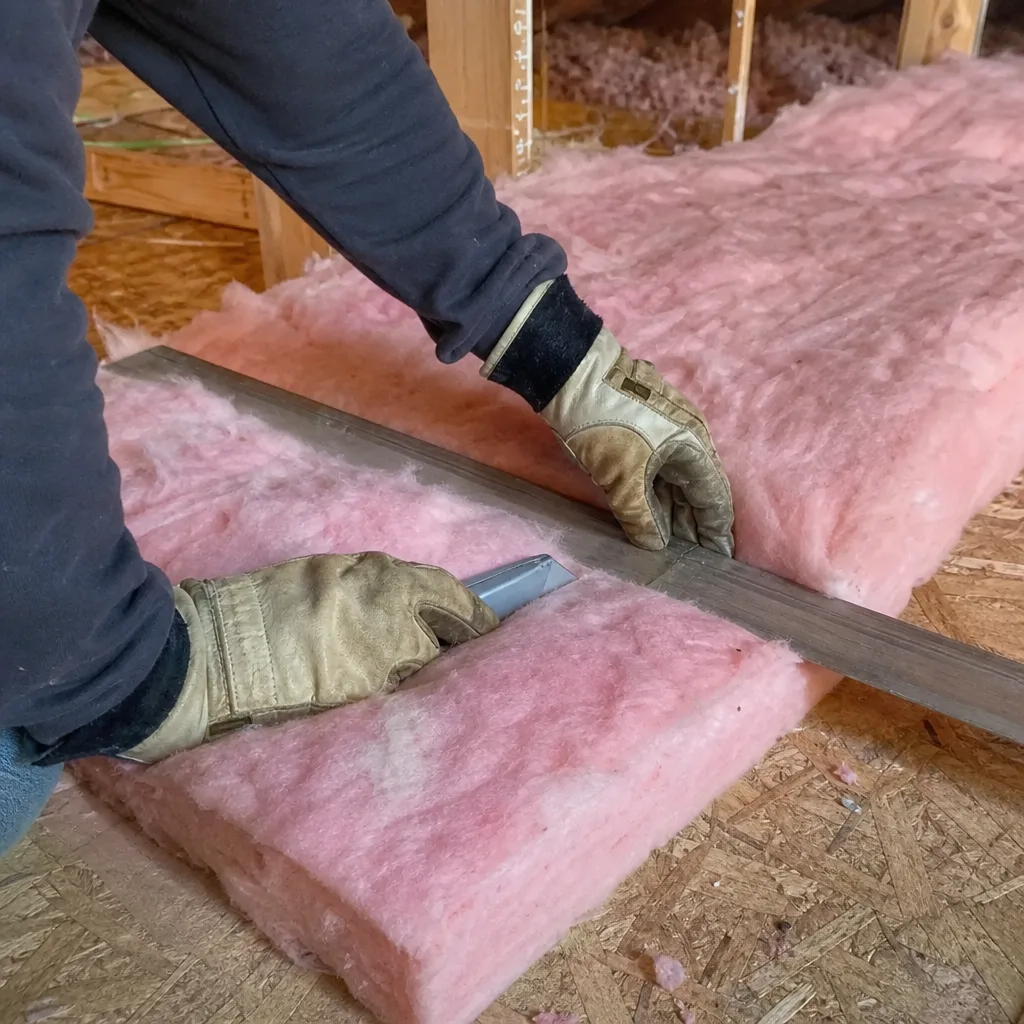
Blown-In Top-Up
The most common call we get in San Antonio. Homeowners with original R-11 batts from the 1960s or 1970s want to know if we can just blow over the top. Sometimes yes, sometimes no. If the batts have compressed, separated, or absorbed moisture, we vacuum them out first. If they’re intact but thin, we run a blower-and-vacuum prep pass to clear recessed cans and soffit baffles, then blow to R-38. The difference between a proper top-up and a lazy one is whether your attic still hits 150°F in August.
What happens when you call
- 1
A real person answersNo phone trees - you reach a local pro.
- 2
You get an upfront price rangeHonest numbers before anyone is dispatched.
- 3
A background-checked tech heads outLicensed & insured, dispatched right away.
- 4
You approve before work beginsNothing starts until you say go.
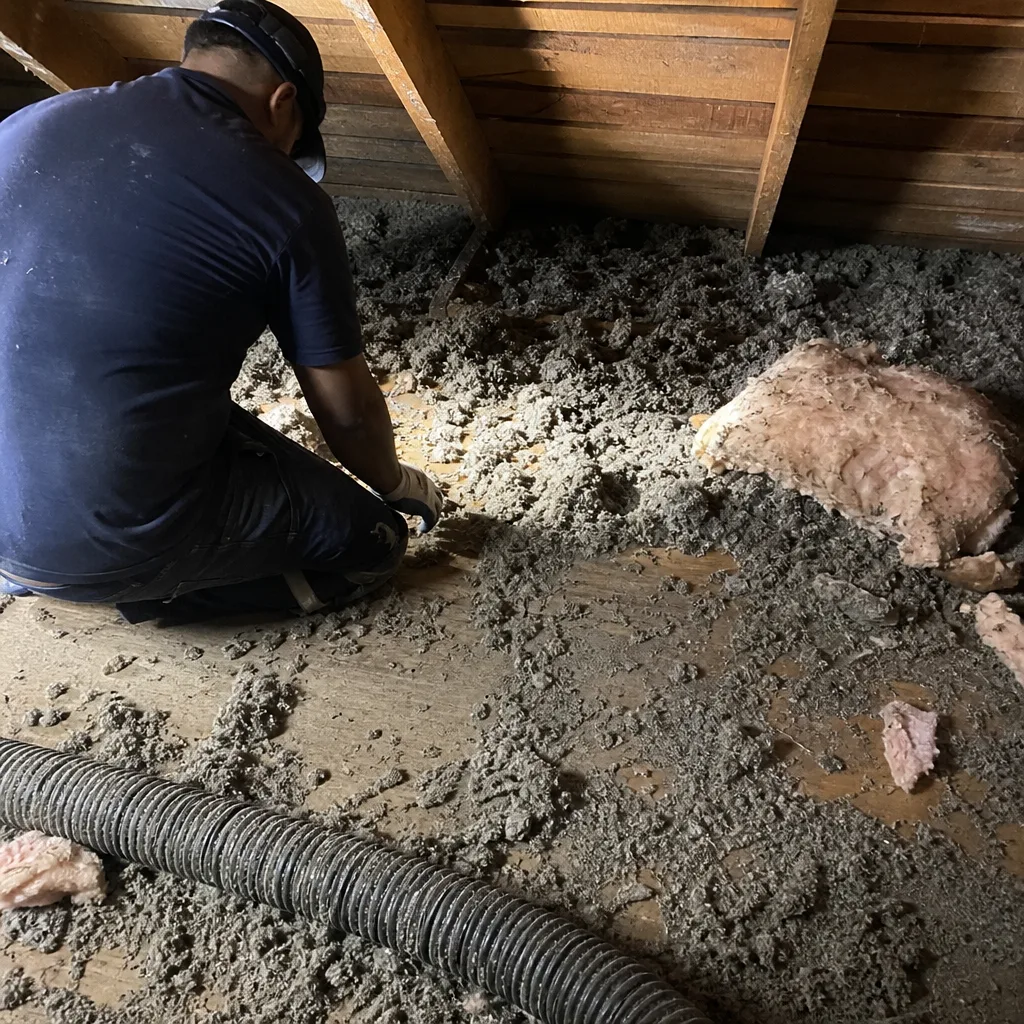 Before
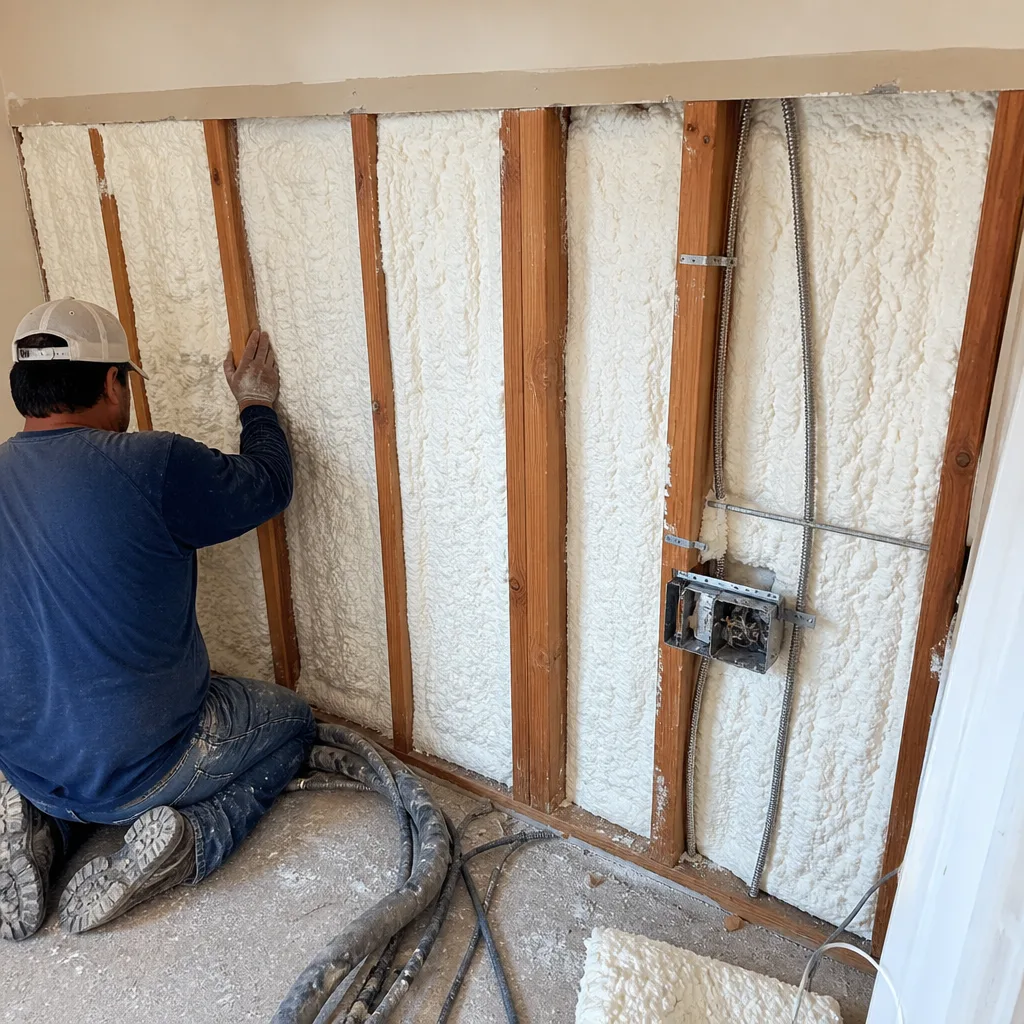 After
AfterTrusted Brands We Service in San Antonio
We stock Owens Corning, Johns Manville, Knauf, Rockwool, CertainTeed, and GreenFiber - no proprietary lock-in, so we match the material to your home’s condition, not our warehouse inventory. For San Antonio’s cooling-dominated climate, that flexibility matters. Rockwool’s density performs well in dense-pack wall applications where we need fire resistance and sound dampening along the Randolph AFB flight path. GreenFiber cellulose, treated with borate for pest and mold resistance, is our default for attic top-ups in the military tract belt where summer attic temperatures stress lesser materials. We carry enough stock locally that most San Antonio jobs don’t wait on a distributor truck from Austin.
Common Blown-In Insulation Problems We See in San Antonio Homes
- Collapsed R-11 batts in mid-century tract homes. The original fiberglass in 1950s-70s Converse and Universal City ranches has compressed to half its labeled thickness or separated entirely at the center of the bay. A blown-in top-up laid over this mess reads R-38 on paper but delivers R-19 at the ceiling plane. We find it every week.
- Unsealed recessed cans and top-plate gaps wicking 150°F attic air into living space. Low-pitch mid-century roofs bake the attic to 150°F+ in July and August. Blown-in cellulose without air-sealing first just hides the convection paths. The homeowner’s back rooms still won’t cool below 80°F, and the AC runs fourteen hours a day.
- Blocked soffit vents from post-Uri retrofits. Winter Storm Uri drove a wave of quick insulation work across the northeast military corridor in 2021. We regularly find attics where baffles were skipped at the soffits, so the new blown-in insulation dams against the intake vents and turns the attic into a solar oven. No airflow, no performance.
- Homeowners in Monte Vista or King William expecting blown-in wall fill. Solid limestone block or hollow clay tile has no cavity. The only viable retrofit is interior rigid foam plus full drywall replacement. We deliver this news during the initial inspection, not after we’ve written a price for work we can’t perform.
Pricing for Blown-In Insulation in San Antonio, TX
A typical blown-in attic top-up on a 1,200-square-foot San Antonio home runs $1,800-$3,400. Dense-pack wall insulation on the same footprint runs $2,800-$5,200, depending on interior or exterior access and the number of stories. Full attic vac-out, air sealing, and re-blow to R-38 on a mid-century ranch in Converse or Universal City usually falls between $3,500-$6,000.
What moves the number: attic accessibility (some military-era homes have hatches too small for a person, let alone a hose), whether we need to vacuum existing material, the extent of air sealing required at can lights and flue chases, and whether soffit baffles need replacement. We give you a flat written price before anyone lifts a tool. Haven Standard Clause 1. Free second opinion on any competing written estimate.
Call (830) 420-0953 for an exact quote on your San Antonio home. Estimates are free, and we bring a blower-door on every applicable job so you can see the starting number.
We Also Serve Cities Near San Antonio
Our crews work daily in Converse, Universal City, Schertz, and Cibolo - the same military-tract housing stock, the same low-pitch roofs, the same R-11 legacy. If you’re in the northeast corridor or the I-35 expansion zone, you’re within our standard dispatch radius from the San Antonio office. We also handle Blown-In Insulation in San Antonio proper, from Alamo Heights to Leon Valley to the northwest side.
Serving San Antonio, TX - Our Local Coverage Area
We’re based in the San Antonio area and know this community well. Use the map below to see our service coverage - if you’re nearby, we can almost certainly help.
FAQs - Blown-In Insulation in San Antonio
Sometimes we can blow over intact batts, but in most 1960s Converse ranches we find the original fiberglass has compressed, separated, or absorbed enough attic dust to compromise performance. We inspect first. If the batts are failing, we vacuum them out, air-seal the attic floor, then blow GreenFiber cellulose to R-38. If they’re intact but thin, we run a prep pass to clear recessed cans and soffits before topping up. Call (830) 420-0953 and we’ll give you a written price for either scenario after we look.
Because insulation slows heat transfer but doesn’t stop air movement. If your recessed cans, top plates, and flue chases weren’t sealed before the blow-in, 150°F attic air convects into your living space through gaps the cellulose can’t close. We fix this by sealing first, then insulating, and we prove the result with a before-and-after blower-door test. A typical San Antonio mid-century ranch drops from 4,000+ CFM50 to under 2,500 CFM50 after proper air sealing.
No. Solid limestone block and hollow clay tile - common in Monte Vista, Beacon Hill, and King William - have no wall cavity to fill. Dense-pack requires a stud bay. For these homes, the only viable retrofit is interior rigid foam board plus full drywall replacement, which is a different scope and price point entirely. We tell you this during inspection, before we write any price.
Blown-in attic insulation helps if your pipes are in or near the attic floor and the existing R-11 isn’t keeping the cavity above freezing during a multi-day outage. But the real protection is air-sealing the attic floor to stop stack effect from pulling warm house air out, and sealing the penetrations where pipes enter the conditioned space. We address both. After Uri, we also inspect for quick retrofits where baffles were skipped and vents blocked - common in the 2021 rush. Call (830) 420-0953 for a post-Uri assessment with photo documentation.
Cellulose for most slab-on-grade homes in the military tract belt. GreenFiber cellulose, treated with borate, handles our cooling-dominated climate and radiant-heat load better than fiberglass in attics that regularly hit 150°F. Fiberglass works well in newer builds with deeper joist bays and existing moisture management. We stock both from Johns Manville, Knauf, and Rockwool, and we match the material to your home’s condition, not our preference.
Written by Wes Okafor, Owner at Envelope Insulation Co., serving San Antonio since 2016.