
CertainTeed Radiant Barrier Installation: The Converse Owner’s Guide
Most CertainTeed radiant barrier installations in Converse run between $1,800 and $3,400 for a typical 1,800-2,400 square foot attic, including material, labor, and the air-sealing prep that makes it actually work. We stock CertainTeed-compatible rolls and tape on every truck, and most Converse jobs start same-day or next-day. Homeowners usually figure out something’s wrong when their summer electric bill jumps $80-$150 over the previous year, or when they touch the ceiling on an August afternoon and it feels like a griddle.
Which CertainTeed Models This Applies To
CertainTeed doesn’t sell a standalone “radiant barrier system” under one model name. What we see in Converse attics is their MemBrain smart vapor retarder paired with reflective sheathing, or their CertaWrap reflective housewrap used as attic-grade radiant barrier in retrofit applications. The product you’re holding will have a printed roll tag: look for “ASTM C1313” compliance and a perm rating, usually 1.0 or lower for the reflective face. If the tag’s faded, measure the roll width. CertainTeed ships 48-inch and 60-inch widths for residential attic runs; commercial-grade 96-inch exists but won’t fit between standard 24-inch on-center trusses without waste.
OEM CertainTeed tape is the foil-scrim-kraft (FSK) pressure-sensitive roll, 3-inch width, rated to 180°F. We also carry a Johns Manville FSK equivalent that meets the same spec and bonds to CertainTeed’s aluminum facing without delamination. The aftermarket tape saves about $40 on material but voids no warranties, because CertainTeed’s product warranty covers manufacturing defects, not installation method. We use OEM tape on jobs where the homeowner wants the paper trail clean, and JM equivalent where the budget’s tight and the attic’s getting sealed properly either way.
One compatibility gotcha in Converse: homes built 2005-2012 with CertainTeed reflective roof sheathing installed at the factory. That sheathing has a 0.03 emissivity rating and a 25-year thermal warranty, but it’s only effective if the attic side stays clean and dust-free. We’ve pulled down radiant barrier that’s been buried under blown-in cellulose that settled, or stained by rodent activity. In those cases, the sheathing isn’t failed, it’s just covered. We clean and re-expose it rather than sell you material you don’t need.
Signs Your CertainTeed Radiant Barrier Installation Is Failing
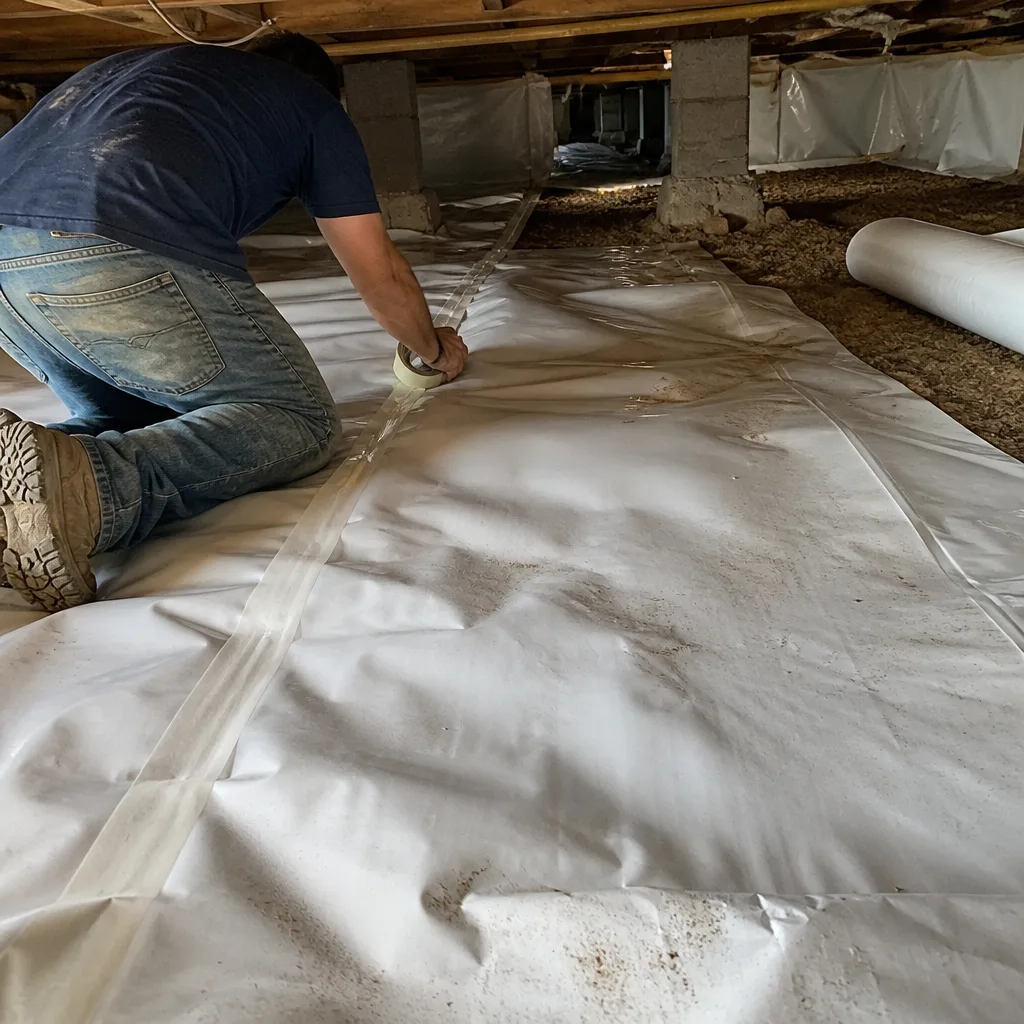
- Second-floor rooms run 6-10°F hotter than downstairs by 4 p.m. The radiant barrier’s either torn, sagging below the rafters where it can’t reflect, or installed without proper air gap. Heat radiates off the roof deck and straight into the conditioned space.
- Dust coating on the reflective surface you can wipe off with a finger. Aluminum facing loses reflectivity when dust accumulates. In Converse, we see this every 5-7 years because our Hill Country dust carries fine limestone particulate that sticks to static-charged foil.
- Sagging or torn sections hanging from rafter staples. CertainTeed’s FSK facing is reinforced, but the scrim degrades at sustained 180°F+. Attics in Converse hit 140°F regularly, 160°F in a bad summer. After 8-10 years, the adhesive on staple flanges gives way.
- Water stains on the barrier’s paper backing. This means roof leak or condensation. MemBrain’s smart vapor retarder is designed to open at high humidity, but if it’s trapped against the deck without airflow, moisture condenses on the cold side and the kraft backing delaminates.
- Your HVAC runs 20+ minutes longer per cycle than it did three years ago. The equipment’s working harder because radiant heat gain through the roof assembly increased. We verify this with an infrared camera: failed barrier shows 120°F+ roof deck temperatures versus 90-95°F where barrier’s intact.
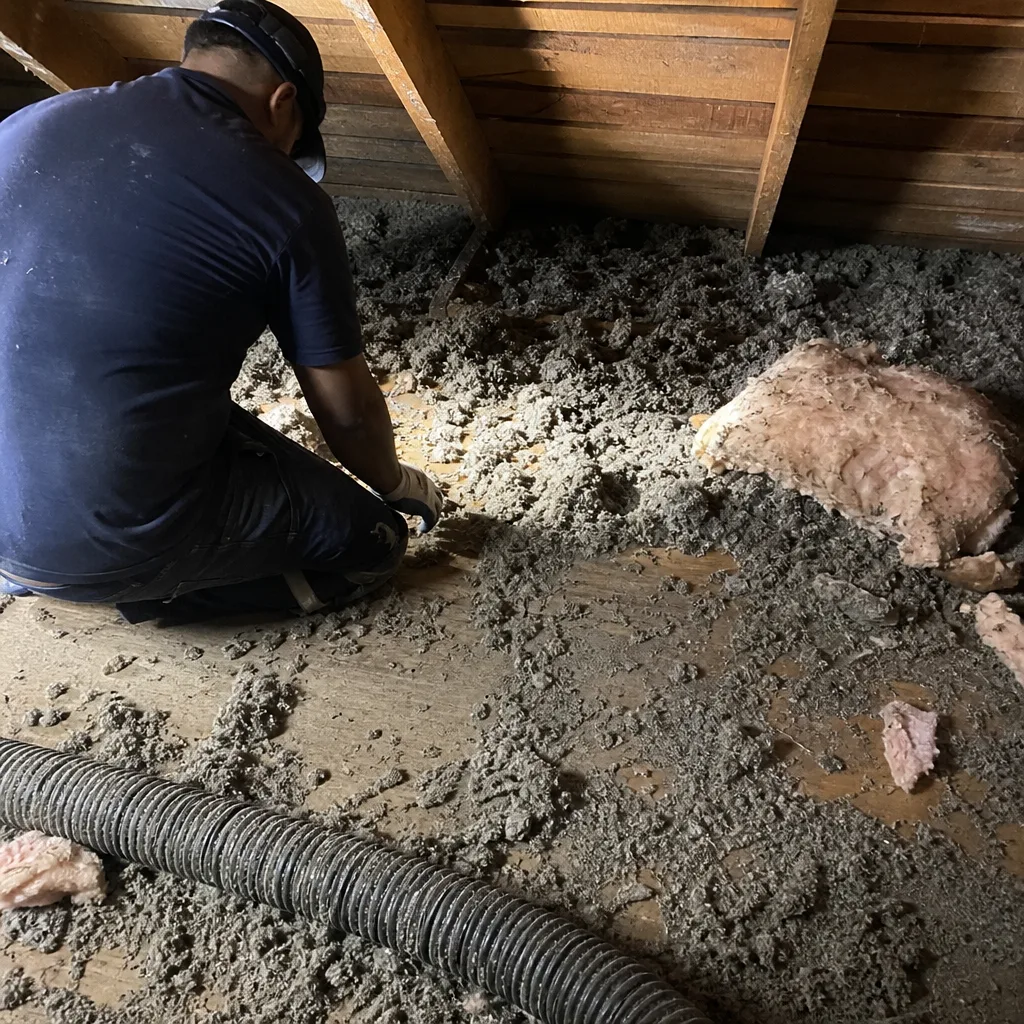 Before
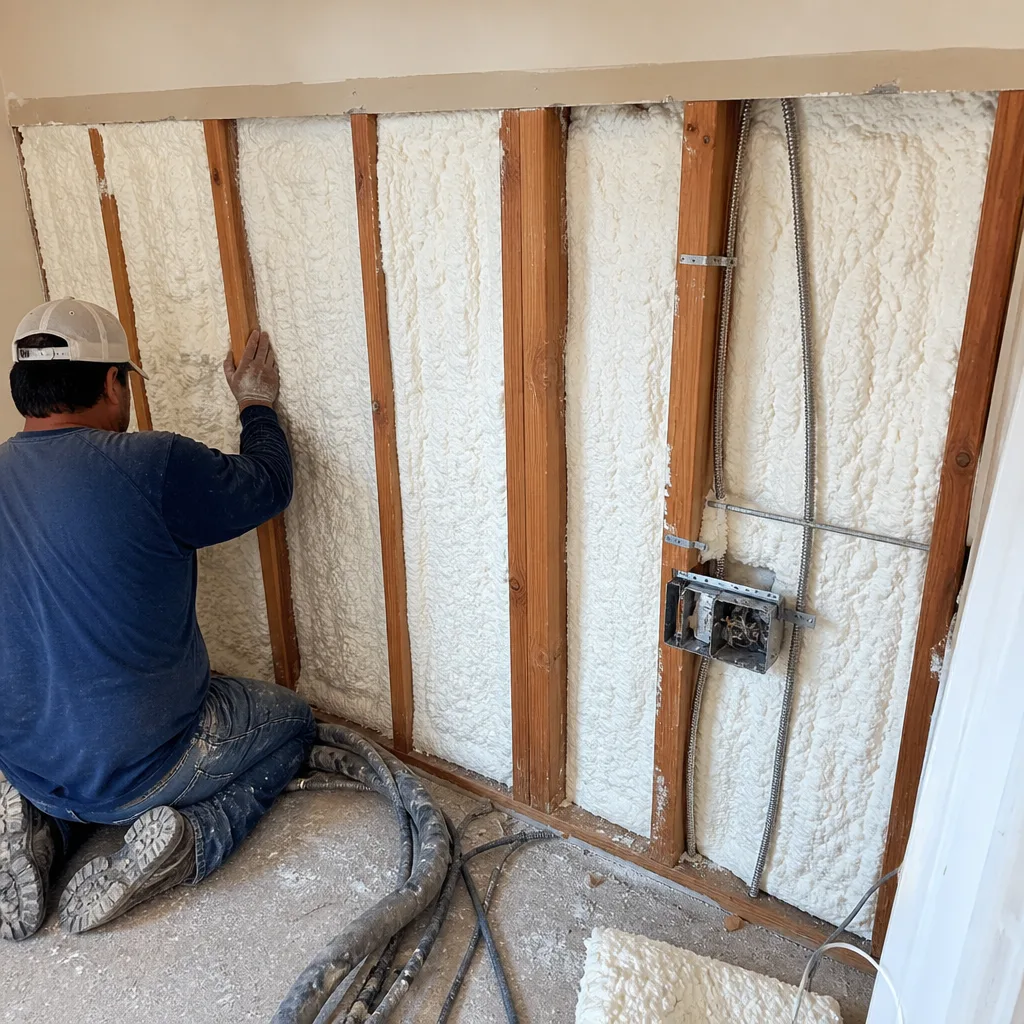 After
AfterReplacement Cost & What’s Included
| Component | Price Range (Converse) |
|---|---|
| CertainTeed-compatible radiant barrier material (per sq ft) | $0.85 - $1.40 |
| FSK tape (OEM or JM equivalent) | $45 - $75 per roll |
| Labor: remove failed material, prep surface, install new | $1,100 - $2,200 |
| Air sealing (top plates, can lights, penetrations) | $350 - $650 |
| Before-and-after blower-door test | Included |
| Documented Photo Record | Included |
The spread depends on attic square footage, pitch (steeper = slower work), and how much failed material we’re removing. A 2,000-square-foot attic with walkable pitch, clean removal, and standard top-plate sealing lands around $2,400. Add $400-$600 if we’re pulling out rodent-soaked insulation underneath and sanitizing before the barrier goes back up.
Every job gets the Haven Standard written scope before we start: exact square footage, material spec, air-sealing checklist, and the 365-Day Done Right Promise in writing. No work starts without it.
DIY or Call Us?
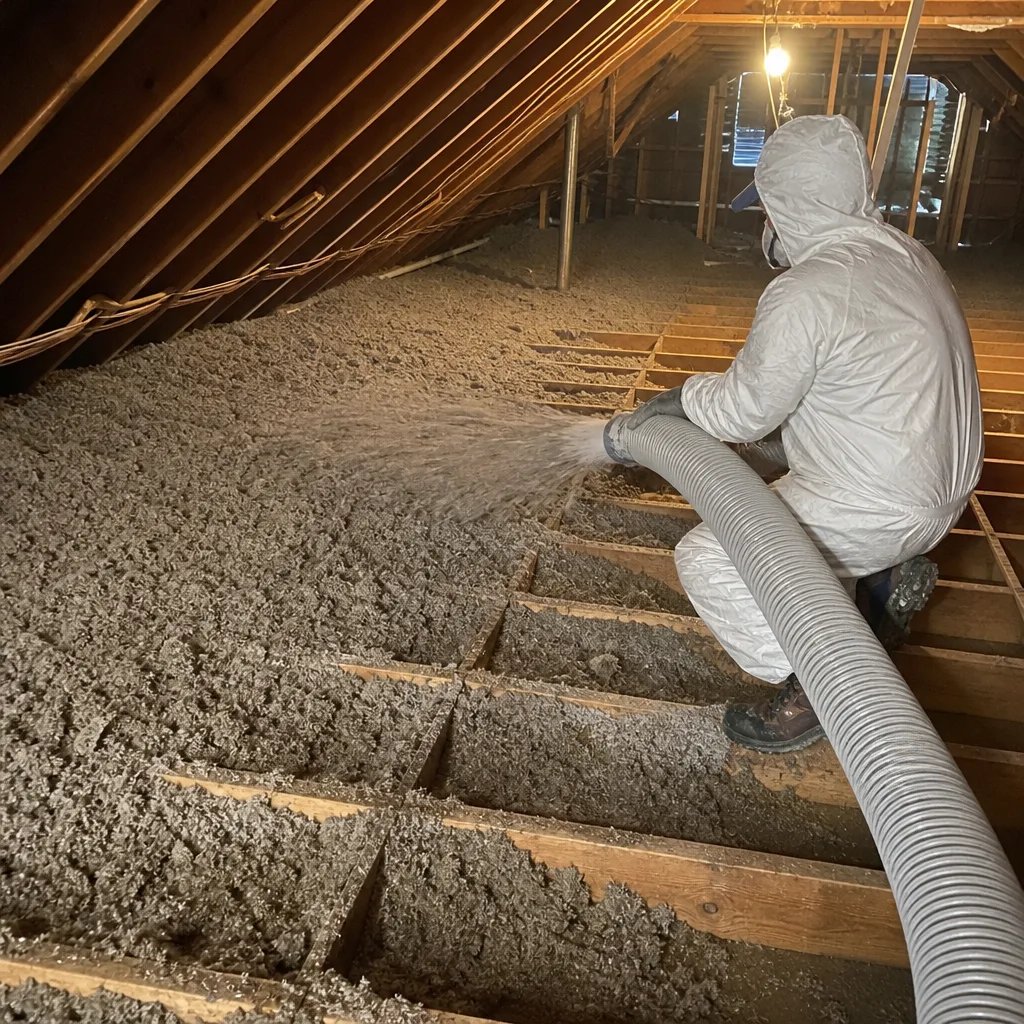
You can safely check what you’ve got. Bring a flashlight to the attic, photograph the roll tags or any printed markings, and note whether the barrier’s stapled to the rafters (correct) or laid on the attic floor (wrong, and useless after dust settles). Measure a clean section’s width. That’s the extent of what we’d recommend doing yourself.
Installation is where DIY goes wrong. Radiant barrier only works with a minimum 3/4-inch air gap between the reflective surface and the roof deck. Staple it tight against the sheathing and you’ve built an expensive conductor, not a reflector. The Converse heat pushes attic fasteners to failure within a few seasons if they’re not corrosion-resistant and properly spaced. And working on rafters in 130°F heat, carrying rolls that catch every wind current from the gable vent, is how people fall through ceilings.
We carry CertainTeed-compatible material on the truck, and we seal the leaks first. Then insulate. The numbers will tell you if it worked. Call (830) 420-0953 for a written price before any work starts.
FAQs
Expect 15-20 years if installed with proper air gap and the attic stays dry. The reflective surface itself doesn’t degrade, but the scrim reinforcement and adhesive backing take a beating from our summer heat cycles. Dust accumulation starts reducing performance after year 5; we recommend inspection at year 7. Call (830) 420-0953 and we’ll check it for free.
Small tears, under 12 inches, can be patched with FSK tape if the surrounding material is still taut and clean. Multiple tears, sagging, or delaminated backing mean the whole run’s compromised. We’ve tried patching what should’ve been replaced; the homeowner calls back in 18 months when the patch lifts. Call (830) 420-0953 and we’ll tell you which category you’re in.
Most Converse residential attics take one day, 6-8 hours for a two-person crew. That includes removal of failed material, air sealing, installation, and the blower-door test. Larger attics or jobs requiring insulation removal first may run into a second day. We give you the schedule in writing with the price.
Yes. We carry 48-inch and 60-inch rolls, OEM CertainTeed FSK tape, and JM equivalent. We also stock Reflectix as an alternative for homeowners who want a different price point, though we spec it separately because the emissivity ratings differ. If your attic needs a width we don’t have on the truck, we’ll have it next morning. No waiting on shipping.
Topside Attic Insulation Converse is an independent service provider. We are not affiliated with CertainTeed Corporation. We source CertainTeed materials through authorized distribution and install them according to manufacturer specifications and our own Haven Standard air-sealing protocol.
Ready to get your attic performance back? Call (830) 420-0953 for a free estimate. We’ll measure your attic, identify what CertainTeed product (or compatible equivalent) matches your existing installation, and deliver a written price before any work starts. Every job includes air sealing, a before-and-after blower-door test, and a Documented Photo Record you keep.
Written by Wes Okafor, Owner & Lead Insulation Technician, Topside Attic Insulation Converse at Topside Attic Insulation Converse, serving Converse and nearby areas.