
Demilec Crawl Space Encapsulation: The Converse Owner’s Guide
We stock and install Demilec-compatible crawl space encapsulation systems in Converse, with most full encapsulation jobs running between $3,800 and $7,200 depending on crawl space square footage and whether the foundation needs active dehumidification. Same-day assessments are available, and we carry Demilec vapor barrier membrane rolls, seam tape, and closed-cell spray foam on our trucks for most standard residential thicknesses. Most Converse homeowners first notice trouble when their floors feel cold despite the heat running, or they catch a musty smell that the HVAC seems to recycle through the house - both point to a compromised vapor barrier or failed seam seals letting ground moisture into the conditioned envelope.
Which Demilec Models This Applies To
Demilec’s crawl space line breaks into two families: the Heatlok HFO High Lift series used for rim joist and band board sealing, and the Sealection 500 open-cell system sometimes found in older Converse homes where builders prioritized cost over moisture resistance. The vapor barrier side runs through Demilec’s Agribalance and Heatlok Soya formulations, typically installed at 10-mil or 16-mil thickness depending on whether the crawl sees standing water after heavy rain.
To identify what you have, check the spray foam for a Demilec lot code stamped directly on the cured surface, usually near the access hatch. Vapor barriers should have a printed mil rating and ASTM E1745 Class A or C notation in the corner fold. We also stock Reflectix radiant barrier products for hybrid systems where the original installer layered reflective sheeting over foam. For Demilec specifically, the 16-mil barrier is worth the upgrade in Converse’s clay-heavy soils - the 10-mil tears at seam stress points after three to five years of seasonal expansion. We’re an independent service provider, not affiliated with Demilec, so we source both OEM rolls and compatible aftermarket membrane from Johns Manville and CertainTeed when the original spec has been discontinued.
Signs Your Demilec Crawl Space Encapsulation Is Failing
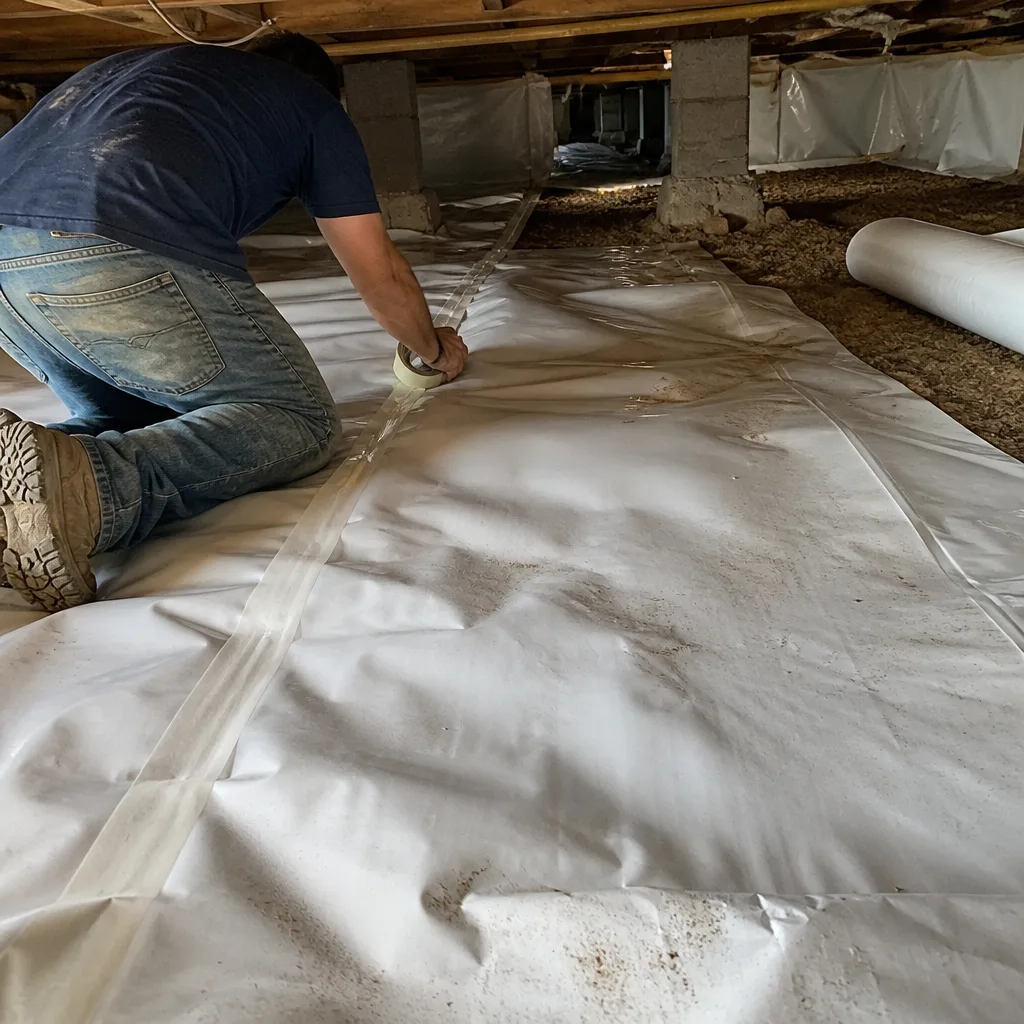
- Cold floors in winter, hot floors in summer. When the vapor barrier separates at seams or the spray foam pulls away from rim joists, the crawl space returns to outside temperature. Your flooring becomes a thermal bridge - a material that conducts outdoor conditions straight into your living space - and the HVAC works harder for no gain.
- Musty odor that air fresheners can’t touch. That smell is mold metabolizing on organic material in the crawl. Demilec’s closed-cell foam is mold-resistant when intact, but gaps at the sill plate let humid Converse air condense on cooler surfaces above the dew point.
- Visible sagging or pooling on the barrier. Water above the membrane means either a plumbing leak or, more commonly, that the barrier was never properly sealed to the foundation walls. Standing water voids most manufacturer warranties and accelerates seam tape failure.
- Insect or rodent activity in the crawl. Gaps at penetrations - where plumbing and electrical enter - are entry points. Demilec foam, when continuous, blocks these paths; separated foam is essentially a highway for pests.
- Increased energy bills with no other explanation. We see this in Converse ranch homes near Foster Road where the original encapsulation was installed without blower-door verification. If the envelope wasn’t tested, the crawl likely wasn’t sealed tight enough to begin with.
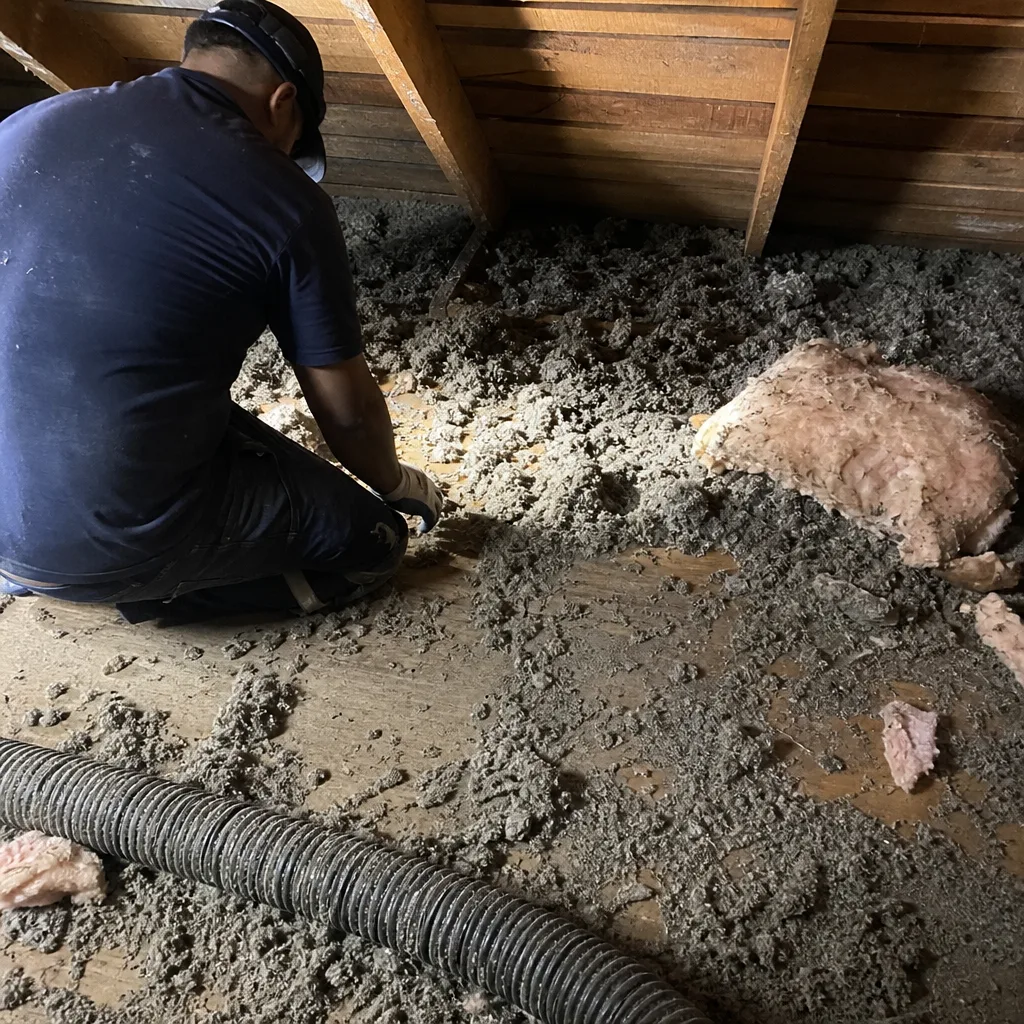 Before
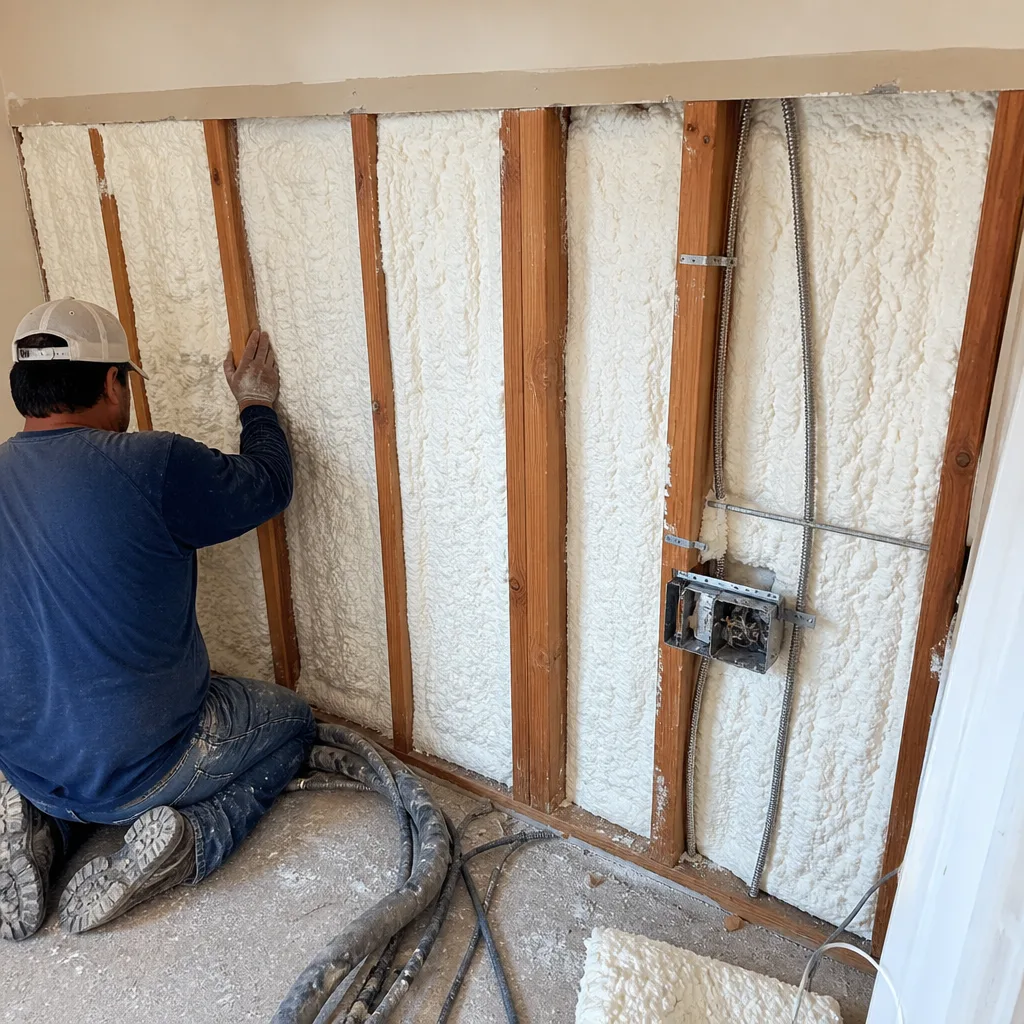 After
AfterReplacement Cost & What’s Included
Full Demilec-compatible encapsulation in Converse typically falls between $3,800 and $7,200 installed. The low end covers a clean, dry crawl under 1,000 square feet with straightforward access and intact rim joists - barrier replacement, seam welding, and perimeter sealing only. The high end includes active dehumidification, mold remediation prep, and re-foaming band boards where the original Demilec application has degraded.
What drives the range: crawl height (less than 18 inches requires specialized equipment), existing moisture damage to floor joists, and whether the foundation needs a sump pit or gravity drain. Every job we quote in Converse gets a written price before any work starts - Haven Standard Clause 1 - and includes a Documented Photo Record of conditions found, work performed, and final state. Where applicable, we run a blower-door test before and after to show the air leakage reduction in CFM50. Our 365-Day Done Right Promise covers all completed encapsulation work.
DIY or Call Us?
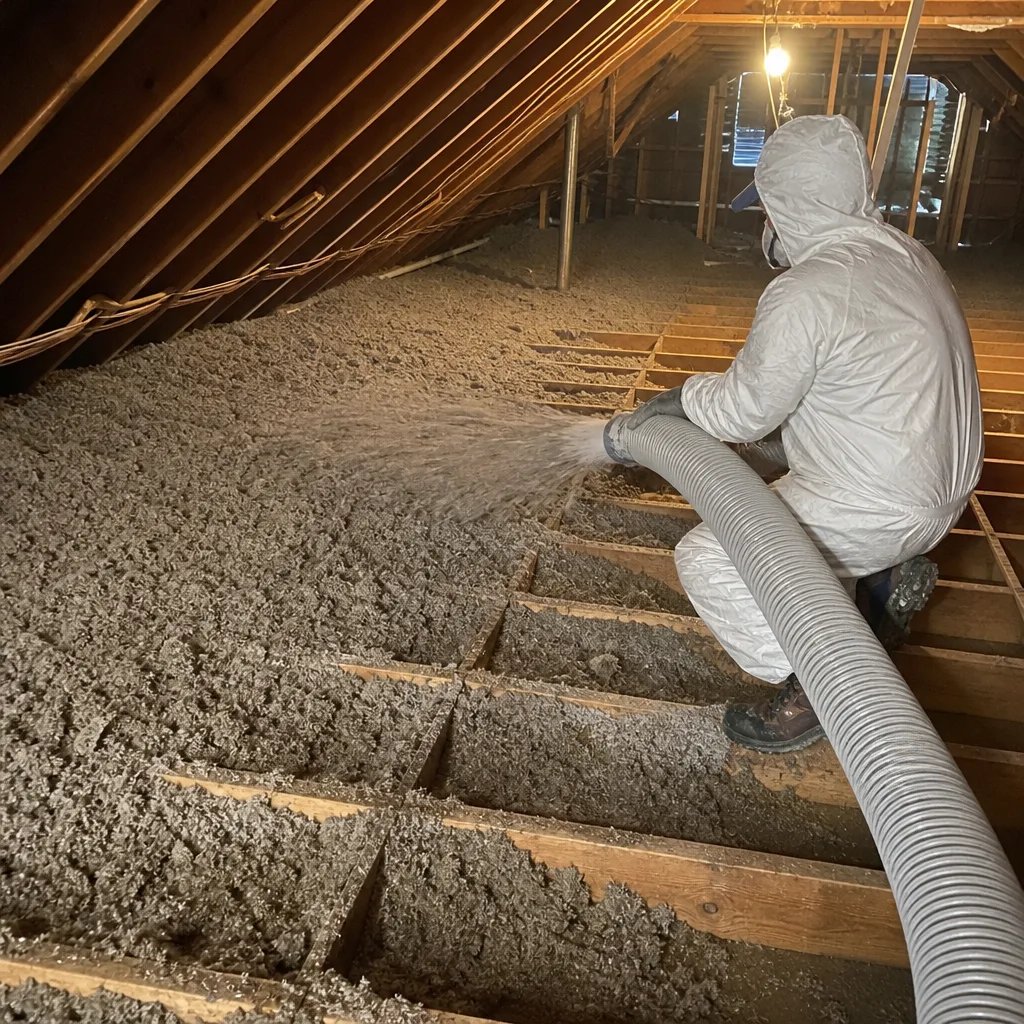
There’s safe reconnaissance and then there’s work that belongs to someone with a respirator and training. Homeowners can check the access hatch for visible barrier damage, look for standing water with a flashlight, and note any musty smell intensity - all useful information to relay when you call. What you shouldn’t do: enter a crawl space with sagging vapor barrier over standing water (electrocution risk from unseen wiring), attempt to remove old spray foam without proper PPE (isocyanate exposure), or cut and re-tape seams expecting a lasting seal without addressing the underlying moisture source.
We carry Demilec-compatible 16-mil barrier, closed-cell foam for rim joist touch-ups, and seam welding equipment on our trucks. Most Converse assessments happen same-day. Call (830) 420-0953 and we’ll read your situation over the phone, then schedule a look with a written price before anyone starts.
FAQs
Properly installed Demilec closed-cell foam and 16-mil vapor barrier should perform for 15 to 20 years in Converse’s climate, though the 10-mil barrier often needs seam repair at year 5 in clay-soil areas with significant seasonal heave. The key variable is whether the original installer sealed the envelope before adding insulation - unsealed top plates and penetrations force the crawl system to fight pressure differentials it wasn’t designed for. Call (830) 420-0953 for an assessment of your specific installation.
Localized seam failures and small barrier tears can be patched with compatible tape and membrane if the surrounding material is still supple and the foundation is dry. We don’t recommend patching if the foam has pulled away from rim joists, if mold is present on the substrate, or if the barrier has become brittle - in those cases, partial or full replacement is the only fix that holds. We offer free second opinions on any written estimate you’ve received for this work.
Most residential crawl spaces in Converse take one to two days: day one for removal, substrate prep, and any needed air sealing; day two for barrier installation, foam application, and curing time. Jobs requiring dehumidifier installation or extensive mold remediation prep add a day. You’ll receive a written scope with the exact timeline before work starts, plus a Documented Photo Record when the crew leaves.
We stock Demilec-compatible 16-mil and 10-mil vapor barrier rolls, closed-cell spray foam for rim joist sealing, seam tape, and mechanical fasteners on our trucks. For full encapsulation replacements, we order fresh membrane to ensure lot consistency in color and thickness - no piecing together partial rolls from the shop. Call (830) 420-0953 to confirm current stock for your specific repair.
Written by Wes Okafor, Owner & Lead Insulation Technician, Topside Attic Insulation Converse at Topside Attic Insulation Converse, serving Converse and nearby areas.