
Demilec Radiant Barrier Installation: The Converse Owner’s Guide
Demilec radiant barrier installation in Converse typically runs $1,800-$3,400 for a complete attic application depending on roof pitch and square footage, and we stock Demilec-compatible radiant barrier rolls and spray foam hybrid systems for same-day starts on most residential jobs. Most Converse homeowners figure out something’s wrong when their summer electric bills spike 20-40% above the previous year despite the thermostat never moving, or when they climb into the attic and find the existing radiant barrier torn, dusty to the point of uselessness, or never installed to begin with in homes built before 2012.
Which Demilec Models This Applies To
Demilec doesn’t sell a standalone radiant barrier product under a single model name. Instead, they manufacture open-cell and closed-cell spray foam systems, notably the Heatlok HFO Pro and Sealection 500 lines, that are often paired with reflective radiant barrier substrates in hybrid attic assemblies. The compatibility question isn’t “which Demilec model” but whether your existing foam was sprayed directly to the roof deck, leaving no air gap for a radiant barrier to function, or whether a previous contractor installed a foil-faced assembly that has since degraded.
To identify what you’re working with: check the spray foam surface for Demilec’s lot code stamps, usually found on the foam’s exposed face near the ridge line. The lot code format is a 6-8 digit string with a date prefix. If you see bare foam with no reflective substrate, you’re likely looking at a roof-deck spray application where adding a radiant barrier requires either a retrofit with standoff battens or a switch to a different insulation strategy entirely. We don’t push proprietary lock-in. Topside Attic Insulation Converse sources Demilec, Reflectix, and other manufacturer materials, and we’re not affiliated with Demilec. We’ll match the assembly to your roof geometry, not the other way around.
Signs Your Demilec Radiant Barrier Installation Is Failing
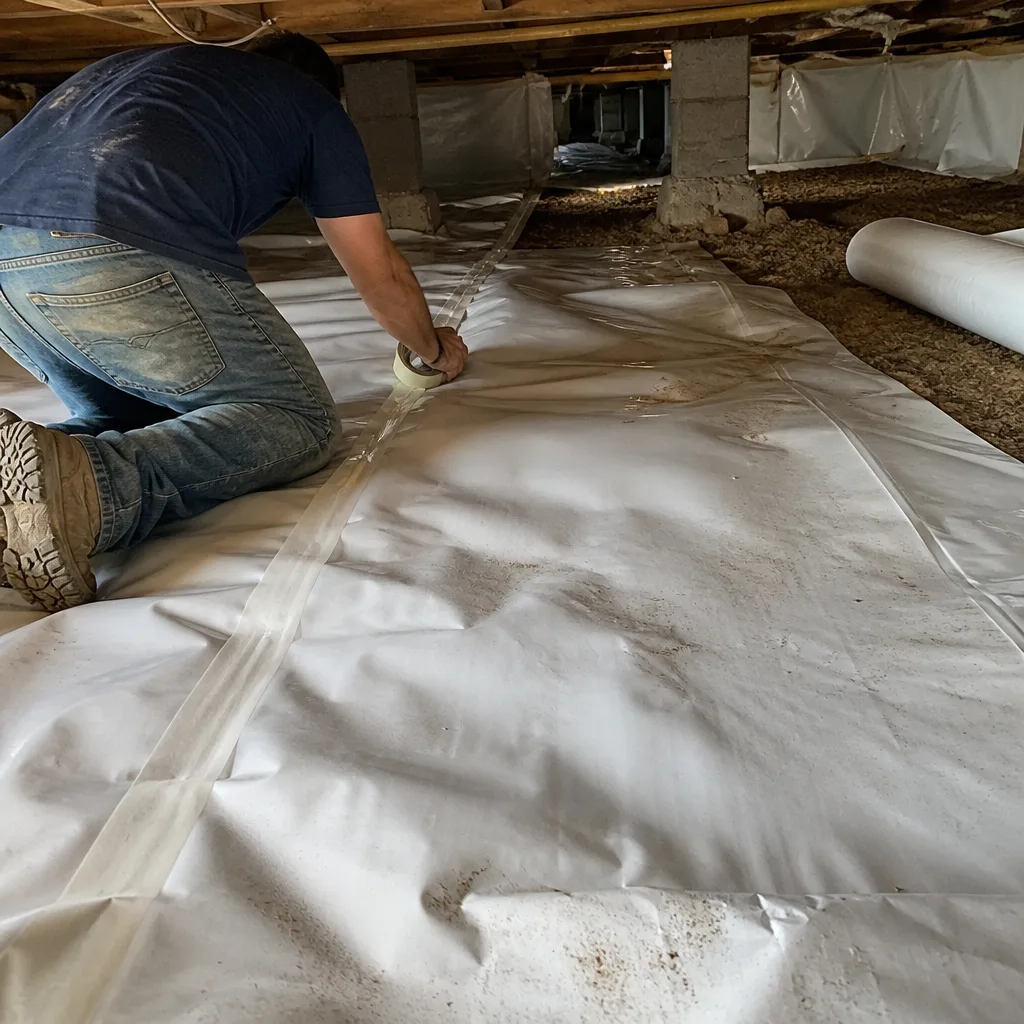
- Attic temperature exceeds 130°F on mild summer days. A functioning radiant barrier should drop peak attic temperatures 20-30 degrees below an unprotected roof deck. When the foil surface oxidizes or accumulates a layer of Converse dust thick enough to matte the reflective finish, it stops rejecting infrared radiation and starts absorbing it.
- Second-story rooms stay hot despite new HVAC equipment. The thermal bypass isn’t in the ductwork. It’s radiant heat gain through the roof deck overwhelming the ceiling insulation. In Converse, where roof pitches on ranch-style homes near Foster Road are often shallow, that heat has a short path to the living space.
- Visible tearing, sagging, or gaps in existing foil. Staple-fastened radiant barriers in vented attics fatigue at attachment points within 7-10 years due to Texas heat cycling. Once the foil sags, it loses the critical air gap, usually 3/4 inch minimum, that makes the reflection physics work.
- Spray foam on the roof deck with no thermal break. Demilec foam sprayed directly to metal or asphalt-shingle roof decking conducts heat through the solid foam mass. Without a radiant barrier or exterior cool-roof coating, the assembly performs like an uninsulated skillet in July.
- Energy bills climbing year-over-year with no rate change. CPS Energy rates in the Converse area have been relatively stable, so a 15% jump in kWh usage points to envelope failure. We verify this with a blower-door test, a pressurization reading that shows, in one number, how much air your building envelope is losing.
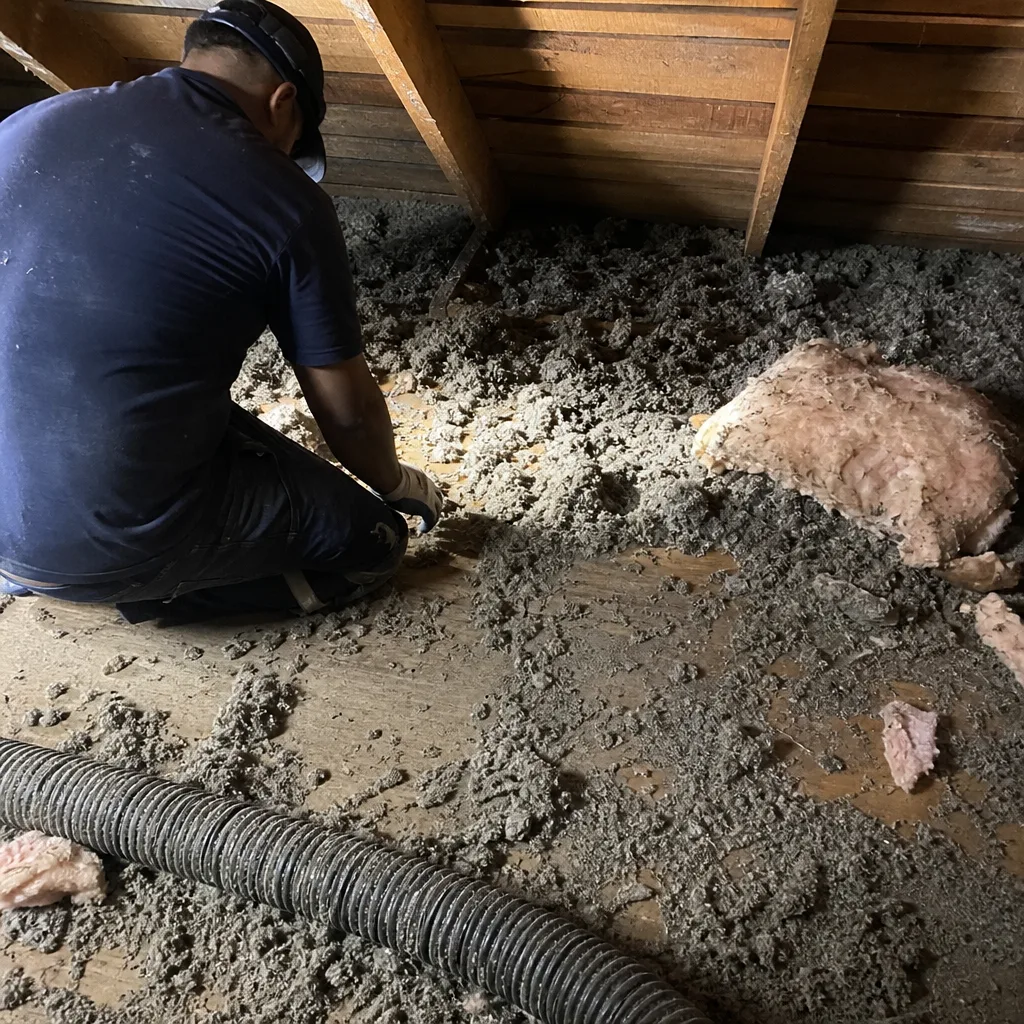 Before
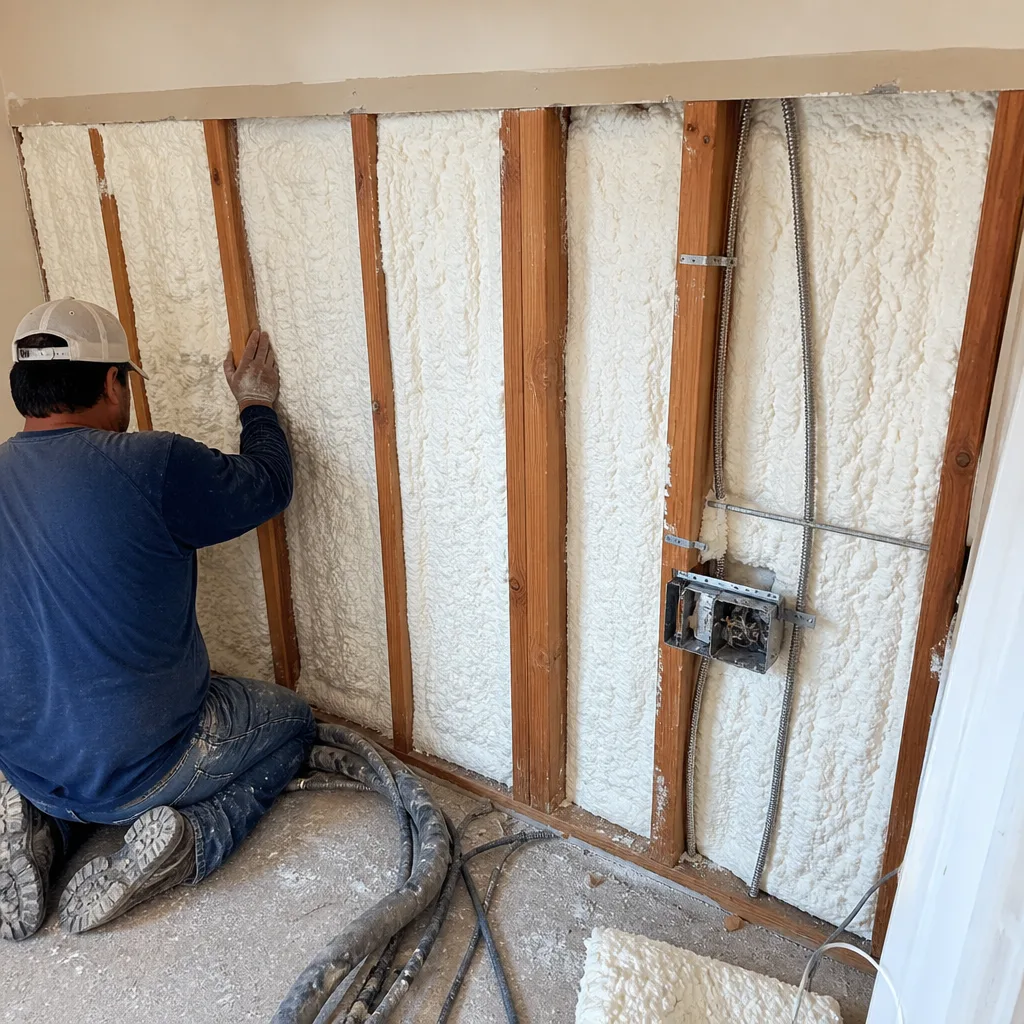 After
AfterReplacement Cost & What’s Included
Most Demilec-related radiant barrier retrofits in Converse run between $1,800 and $3,400 installed. The low end covers a straightforward staple-up foil application in a 1,200-1,500 square foot attic with good access and a roof pitch under 6:12. The high end reflects steep pitches requiring scaffolding, hybrid assemblies combining spray foam with reflective substrates, or jobs where we have to remove degraded existing material first.
What drives the range: roof pitch (steeper means slower, more safety gear), existing material removal, whether we need to install standoff battens to create the required air gap, and attic air sealing scope. We don’t blow insulation over an unsealed attic floor. Air sealing of top plates, can lights, and penetrations is completed before any insulation is added. Every job gets a Written Price Before Any Work Starts, always, and closes with a Documented Photo Record. On applicable jobs, you’ll receive before-and-after blower-door numbers so you can verify the envelope tightened. The 365-Day Done Right Promise applies to all completed work.
DIY or Call Us?
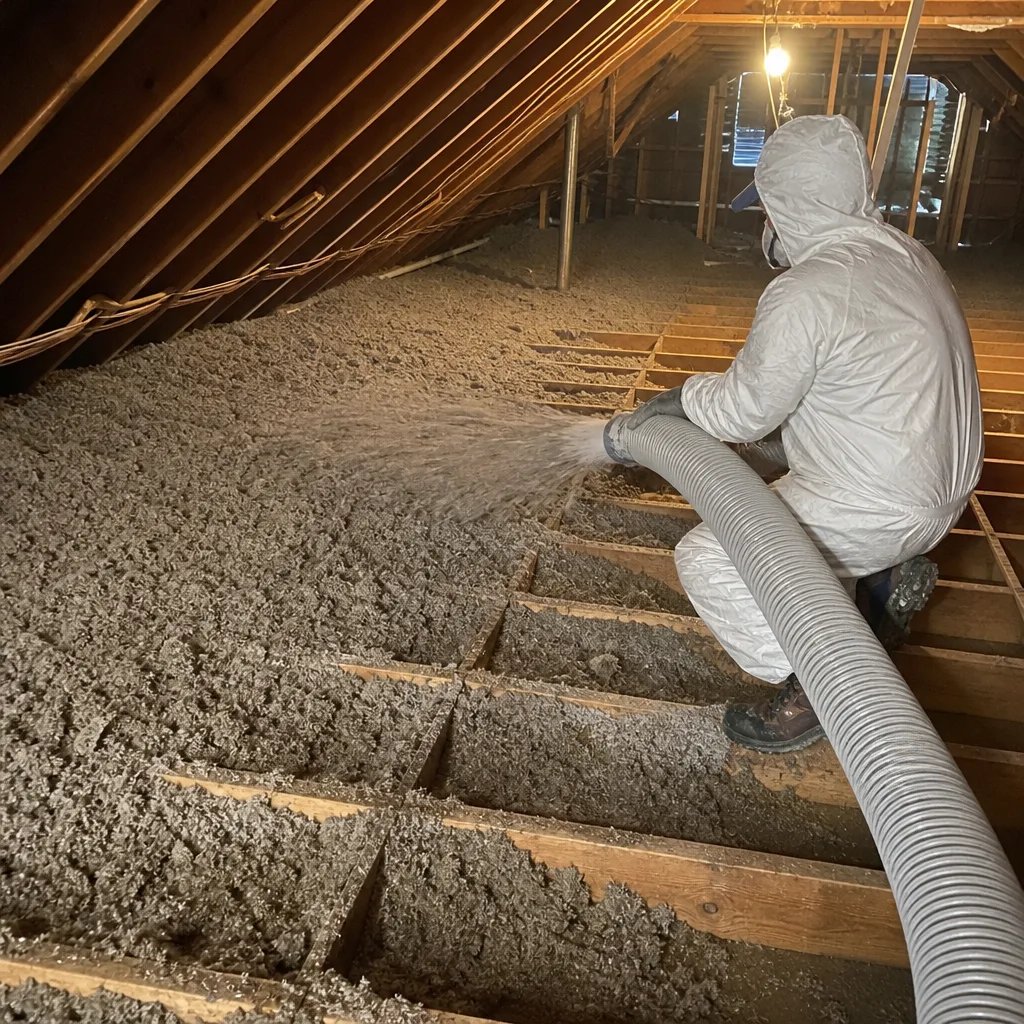
There’s no high-tension spring or electrical hazard in radiant barrier work, but there are two honest ways DIY goes wrong in Converse attics. First, working in a 140°F attic on a July afternoon is a heat-stress risk that sends more homeowners to the ER than they expect. Second, installing radiant barrier without sealing air leaks first is like putting a raincoat over a wet shirt. The conditioned air you’re trying to keep still escapes through the ceiling plane.
What you can safely check: verify your attic has the required ventilation, typically 1 square foot of net free vent area per 150 square feet of attic floor in unvented assemblies, or confirm whether your existing barrier has the 3/4-inch minimum air gap. What you shouldn’t attempt: spray foam touch-ups, working near active electrical without lockout, or any roof-deck work. Seal the leaks first. Then insulate. The numbers will tell you if it worked. Call (830) 420-0953 for a free estimate with a written price before any work starts.
FAQs
A properly installed radiant barrier in Converse should perform 15-20 years, though dust accumulation on the reflective surface can degrade effectiveness after 7-10 years in our caliche-dust environment. We include access-path planning in our scope so you or a future technician can inspect or gently vacuum the surface without tearing it. Call (830) 420-0953 for an exact quote, estimates are free.
Small tears can be patched with matching foil tape, but sagging, widespread oxidation, or installations without the required air gap usually mean full replacement is more cost-effective than chasing individual failures. We photograph the existing condition and show you exactly what we found before quoting either approach. Call (830) 420-0953 for an exact quote, estimates are free.
Most residential radiant barrier installations in Converse are completed in one day, with larger or steep-pitch jobs occasionally extending to a second day. We arrive with the material on the truck, run the blower-door test before and after, and leave you with the documented readings and photos the same evening. Call (830) 420-0953 to check availability.
We stock Demilec-compatible spray foam systems and reflective radiant barrier substrates on our trucks for same-day starts, though we verify your specific roof assembly and attic conditions before recommending a particular product. We’re not affiliated with Demilec, and we also carry Reflectix and other brands so we’re not pushing a single manufacturer’s solution. Call (830) 420-0953 for an exact quote, estimates are free.
Written by Wes Okafor, Owner & Lead Insulation Technician, Topside Attic Insulation Converse at Topside Attic Insulation Converse, serving Converse and nearby areas.