
Demilec Vapor Barrier Installation: The Converse Owner’s Guide
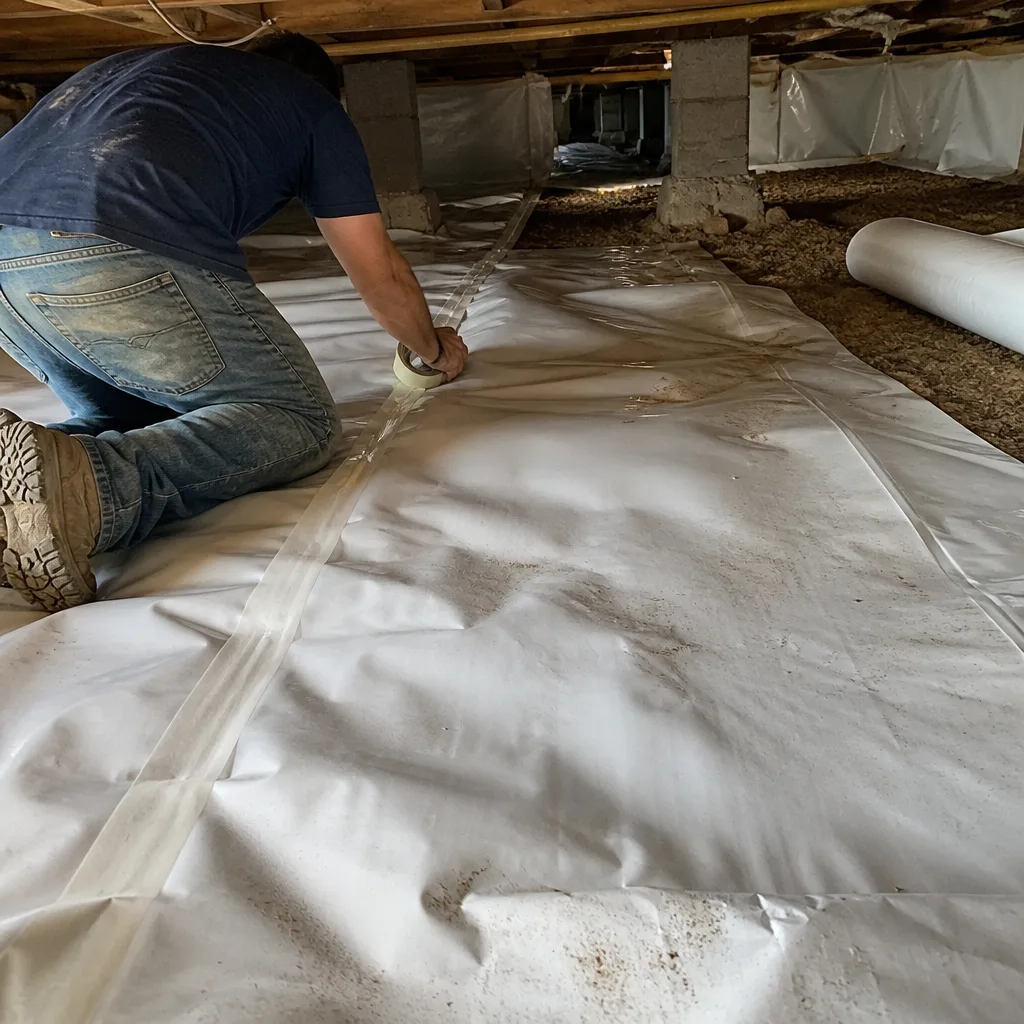
Demilec vapor barrier installation in Converse typically runs $1,800-$3,400 for crawl space encapsulation depending on square footage and existing moisture damage, and we stock Demilec-compatible poly sheeting and seam tape on every truck for same-day starts. Most Converse homeowners discover the problem when spring humidity spikes - the musty smell hits first, then the floor feels cold even with the AC running, or they spot condensation droplets clinging to the underside of their subfloor. If your crawl space has standing water after a hard rain or your fiberglass insulation is sagging and black at the edges, the vapor barrier has either failed or was never properly sealed at the perimeter.
Which Demilec Models This Applies To
Demilec doesn’t sell vapor barriers as standalone retail SKUs like a furnace filter - their building envelope products are specified by mil thickness, permeance rating, and application type. What we install in Converse crawl spaces is Demilec-compatible 10-mil or 15-mil reinforced polyethylene, matched to the original spec or upgraded based on what we find. The 10-mil is standard for drier sites near Randolph Air Force Base; 15-mil goes in where clay soil holds moisture against the foundation, common in the Blackland Prairie soils east of Loop 1604.
To identify what you’ve got now, check the stamp on the existing poly - it’ll read something like “10-mil, 0.06 perms” or show no marking at all, which usually means a builder-grade 6-mil that was never meant to last. We don’t push OEM-only replacements; Demilec-spec equivalent from Johns Manville or CertainTeed performs identically when the seam tape and mechanical fastening are done right. The compatibility gotcha in Converse is foundation height: ranch-style homes with 18-inch crawl clearance need thinner, more flexible sheeting to work the corners without tearing, while pier-and-beam with 3 feet or more takes the heavier reinforced product without issue.
Signs Your Demilec Vapor Barrier Installation Is Failing
- Musty odors rising through floor registers. When the vapor barrier tears at seams or pulls away from the foundation walls, ground moisture evaporates directly into the crawl space air. That humid air gets drawn into your HVAC return, and the smell is your first indicator that the envelope is compromised.
- Cold floors in summer with the AC running. A functioning vapor barrier keeps crawl space relative humidity below 60%. Once it fails, evaporative cooling at the subfloor drops surface temperature 5-10 degrees below the conditioned space above - you’ll feel it walking barefoot across tile or engineered wood.
- Sagging or stained insulation between joists. Fiberglass batts absorb moisture like a sponge when humidity climbs past 70%. The weight pulls them from the fasteners, and the brown or black staining is either mold colonization or rust from the joist hangers - both mean the barrier isn’t stopping water vapor migration.
- Standing water or mud after rain events. This isn’t always a grading problem. In Converse’s clay-heavy soils, a intact vapor barrier with proper perimeter sealing prevents capillary wicking even when the ground is saturated. If water pools on top of the poly, the seal has failed at the walls; if it’s underneath, the barrier was never extended up the stem wall to create a proper lap.
- Increased energy bills with no thermostat change. Wet insulation loses R-value fast - saturated fiberglass performs at roughly 20% of its rated value. Your HVAC runs longer to compensate, and the blower-door test we run before and after sealing will show the difference in CFM50, cubic feet per minute at 50 pascals of pressure.
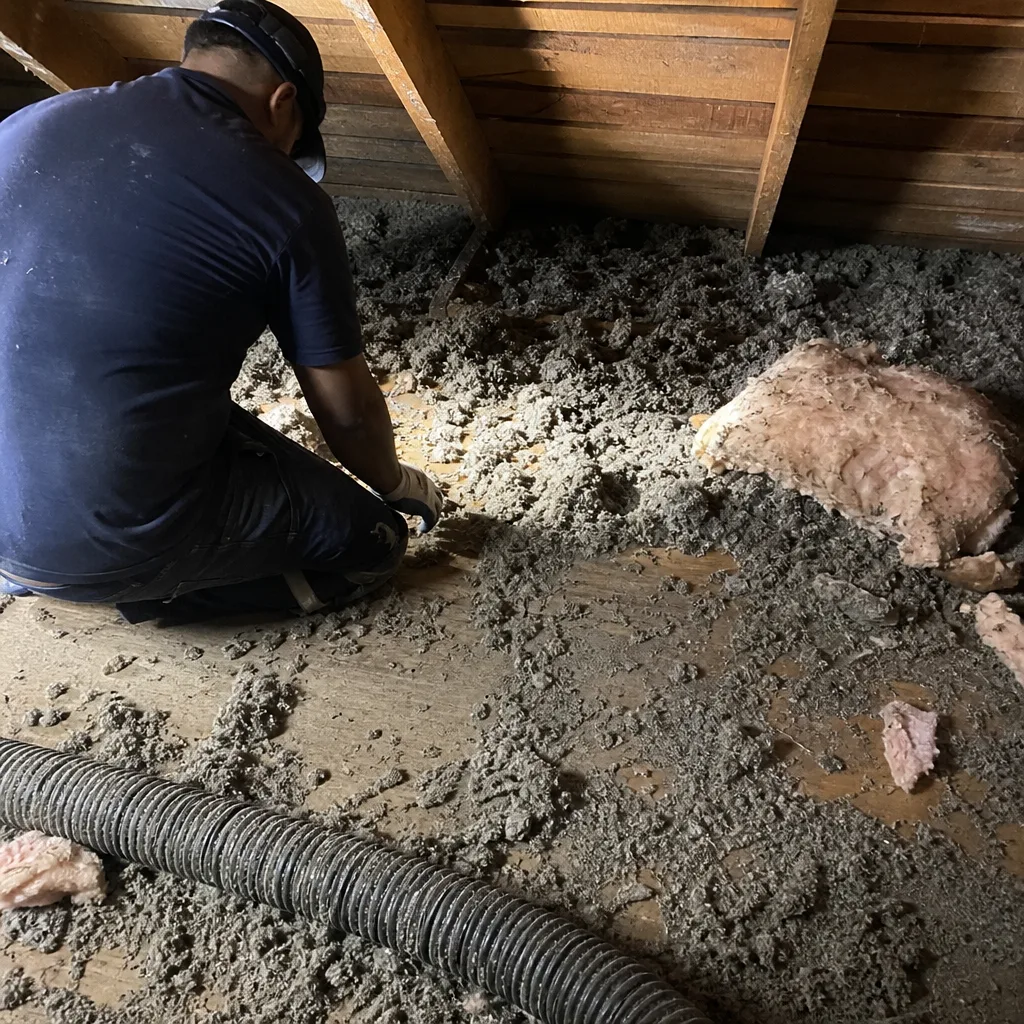 Before
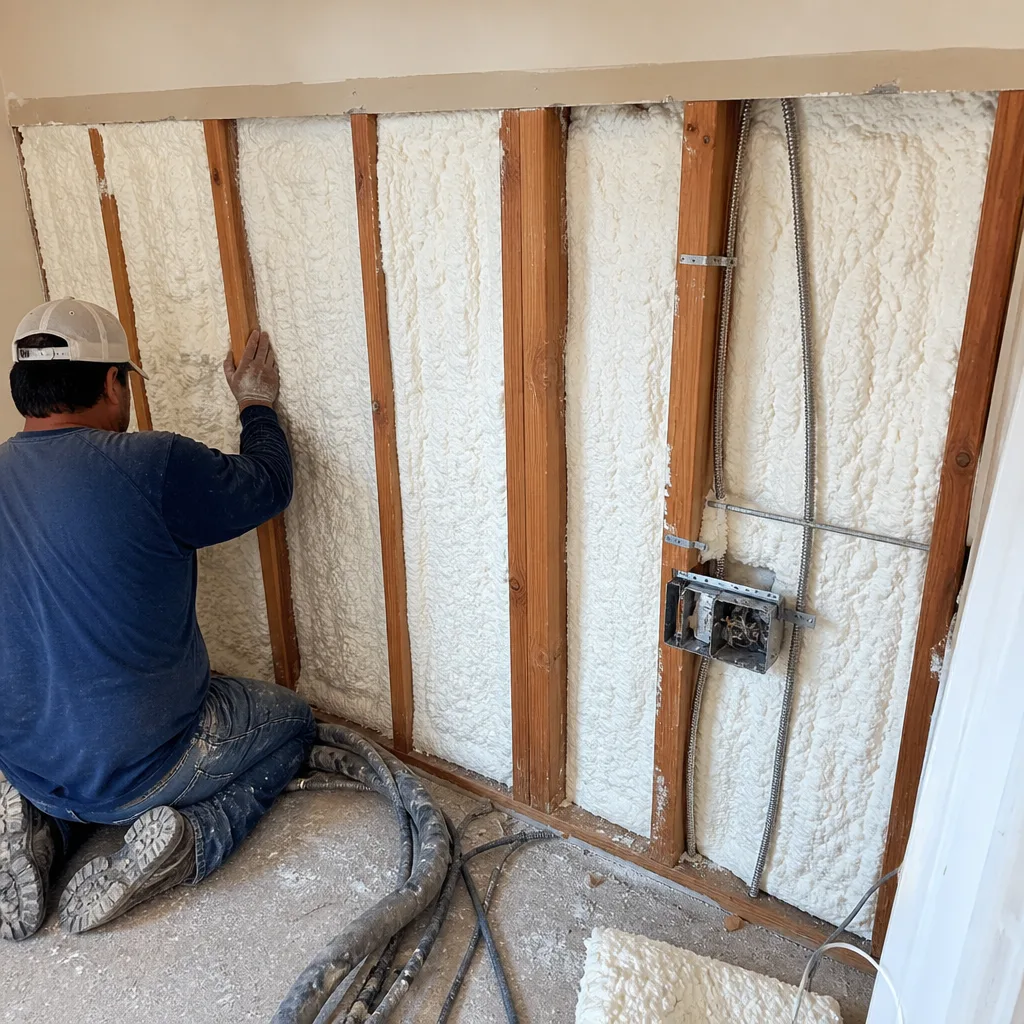 After
AfterReplacement Cost & What’s Included
Most full crawl space vapor barrier replacements in Converse run $1,800-$3,400 installed. The low end covers a clean, rectangular crawl under 1,000 square feet with good access and minimal debris; the high end hits pier-and-beam foundations with multiple mechanical chases, rodent-damaged insulation removal, or mold remediation prep.
Here’s how the price breaks: poly sheeting and seam tape are 35-40% of the total, labor for removal, surface prep, and installation is 45-50%, and the remainder covers dehumidifier pad installation or sump pump tie-ins if the moisture source demands it. We don’t quote by phone without photos or a site visit - the Haven Standard requires a written price before any work starts, and that price comes from measuring what we’re actually walking into. Every job includes a Documented Photo Record and, when applicable, before-and-after blower-door numbers so you see the envelope tighten. The 365-Day Done Right Promise covers all completed work.
DIY or Call Us?
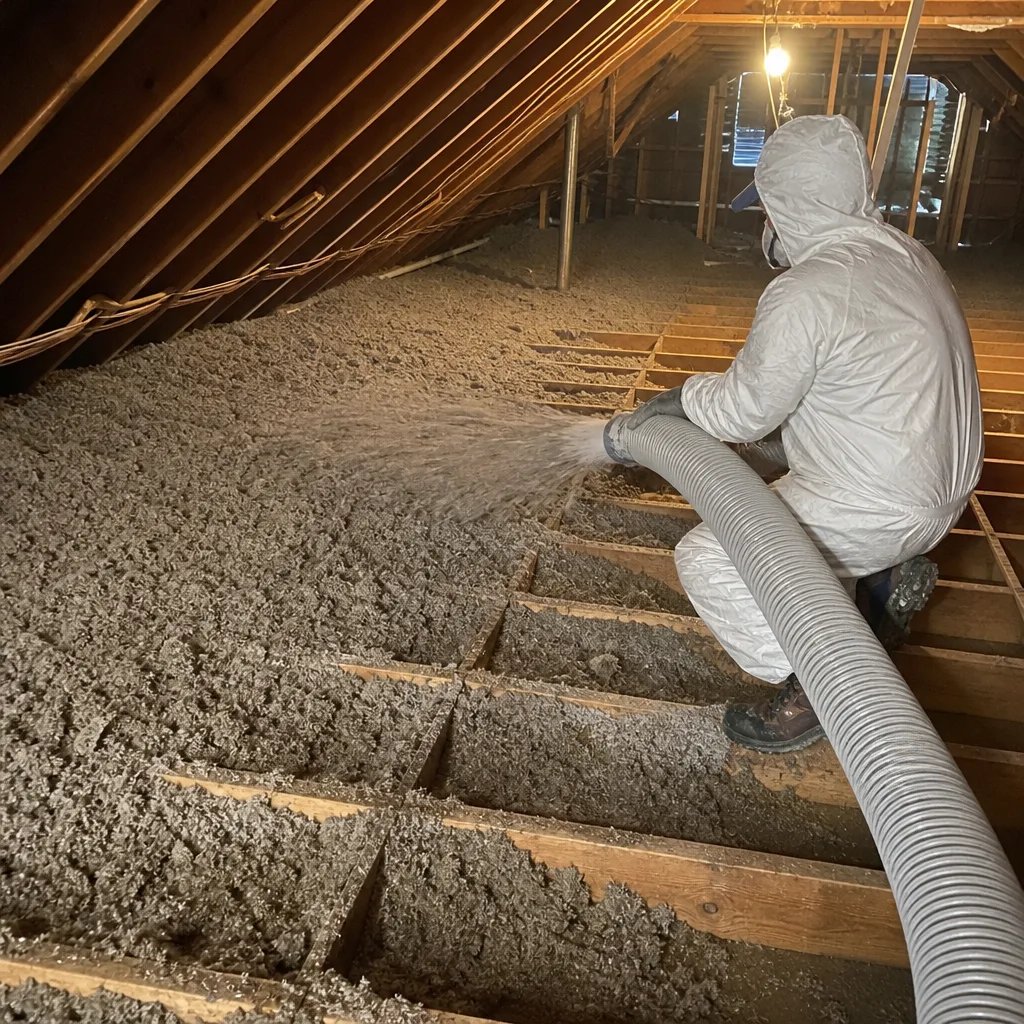
There’s no high-tension danger in vapor barrier work like there is with garage door springs or gas lines, but DIY goes wrong in ways that cost more to fix than doing it right the first time. What you can safely check: pull back a corner of the existing poly and look for standing water, mold on the soil side, or whether the barrier ever extended up the foundation walls at all. If it’s just a 6-mil sheet laid flat on the ground with no perimeter seal, you’re looking at a complete redo, not a patch.
Where DIY fails: seam tape application in 90-degree humidity, proper overlap at mechanical penetrations, and the decision whether to condition the crawl space or just seal it. We’ve found homeowners in Converse who laid new poly over old, trapping moisture between layers and accelerating rot. We stock Demilec-compatible 10-mil and 15-mil reinforced sheeting, pressure-sensitive seam tape rated for below-grade use, and mechanical fasteners for every foundation type. Call (830) 420-0953 for a written price before anyone lifts a tool - that’s Haven Standard Clause 1, no exceptions.
FAQs
A properly installed 10-mil or 15-mil reinforced barrier lasts 15-20 years in Converse’s climate, but the clay soils and seasonal humidity swings here mean seam failure at the perimeter is the usual killer, not the poly itself. The 6-mil builder-grade product many homes started with is typically failing at 7-10 years. Call (830) 420-0953 for an exact quote - estimates are free.
Small punctures or tears under 6 inches can be patched with compatible seam tape if the surrounding poly is still supple and the perimeter seal is intact. If the material is brittle, the seams are lifting multiple places, or there’s moisture trapped underneath, patching is false economy - you’ll be back in the crawl space next season. Call (830) 420-0953 for an exact quote - estimates are free.
A standard 1,000-square-foot crawl space with good access takes one day for removal, surface prep, and new installation; pier-and-beam with limited clearance or extensive debris adds a second day. We don’t start without a written price and a confirmed scope, so there’s no mid-job surprise. Call (830) 420-0953 for an exact quote - estimates are free.
Yes - we carry 10-mil and 15-mil reinforced poly, pressure-sensitive seam tape, and mechanical fasteners for every foundation type we encounter in Converse, including the older ranch-style homes near Foster Road where unsealed top-plate penetrations were bleeding conditioned air long before anyone touched the blown-in cellulose. Same-day starts are available when the scope is confirmed. Call (830) 420-0953 for an exact quote - estimates are free.
Topside Attic Insulation Converse is an independent service provider, not affiliated with Demilec. We also stock and install Reflectix radiant barrier and other building envelope materials - no proprietary lock-in, ever.
Written by Wes Okafor, Owner & Lead Insulation Technician, Topside Attic Insulation Converse at Topside Attic Insulation Converse, serving Converse and nearby areas.