
GreenFiber Vapor Barrier Installation: The Converse Owner’s Guide
We stock and install GreenFiber-compatible vapor barrier systems in Converse, with most crawl space and attic floor jobs running between $1,800 and $3,400 depending on square footage and whether the existing barrier needs full removal. Same-day installation is available when we have your measurements, and we carry 6-mil and 10-mil polyethylene sheeting plus seam tape and mastic on every truck. Most Converse homeowners discover their vapor barrier has failed when they notice a sharp musty smell climbing from the crawl space in July, or when their hardwood floors start cupping from below-grade moisture migration - both signs that the polyethylene layer has torn at seams, pulled away from piers, or degraded past its useful life in the alkaline clay soils common east of I-410.
Which GreenFiber Models This Applies To
GreenFiber produces loose-fill cellulose insulation, not standalone vapor barrier products, so the “GreenFiber vapor barrier installation” we’re called for in Converse is the moisture-control layer installed beneath or adjacent to GreenFiber cellulose in crawl spaces and attic floors. The compatibility question is really about which GreenFiber cellulose densities and application depths work with which vapor barrier assemblies. GreenFiber’s Sanctuary line, commonly blown at R-30 to R-49 in Converse attics, requires a Class I or Class II vapor retarder on the warm-in-winter side in climate zone 2 per IECC - that’s the technical distinction between a vapor barrier (0.1 perm or less) and a vapor retarder (1.0 perm or less). We see the confusion often: a homeowner will have 12 inches of GreenFiber Sanctuary blown over a 6-mil poly barrier that was never properly sealed at the perimeter, and the cellulose wicks moisture from the crawl space through gaps in the poly.
To identify what you have, check the crawl space floor for stamped markings on the polyethylene - 6-mil or 10-mil, ASTM E1745 Class A/B/C - and look for the GreenFiber bag labels in the attic, which show product code (SAN-LF for loose-fill, SAN-SF for stabilized). We install virgin 10-mil polyethylene with reinforced scrim for crawl spaces in Converse, or cross-laminated HDPE where rodent activity is present. OEM-spec vapor barrier from GreenFiber’s distribution channel isn’t a standalone product; we source compatible barrier material from Johns Manville and CertainTeed that meets the same perm ratings and installs with GreenFiber’s recommended clearances. The aftermarket decision here is straightforward: the barrier is a commodity polyethylene product, and the critical spec is thickness, seam integrity, and proper termination at walls and piers - not brand matching.
Signs Your GreenFiber Vapor Barrier Installation Is Failing
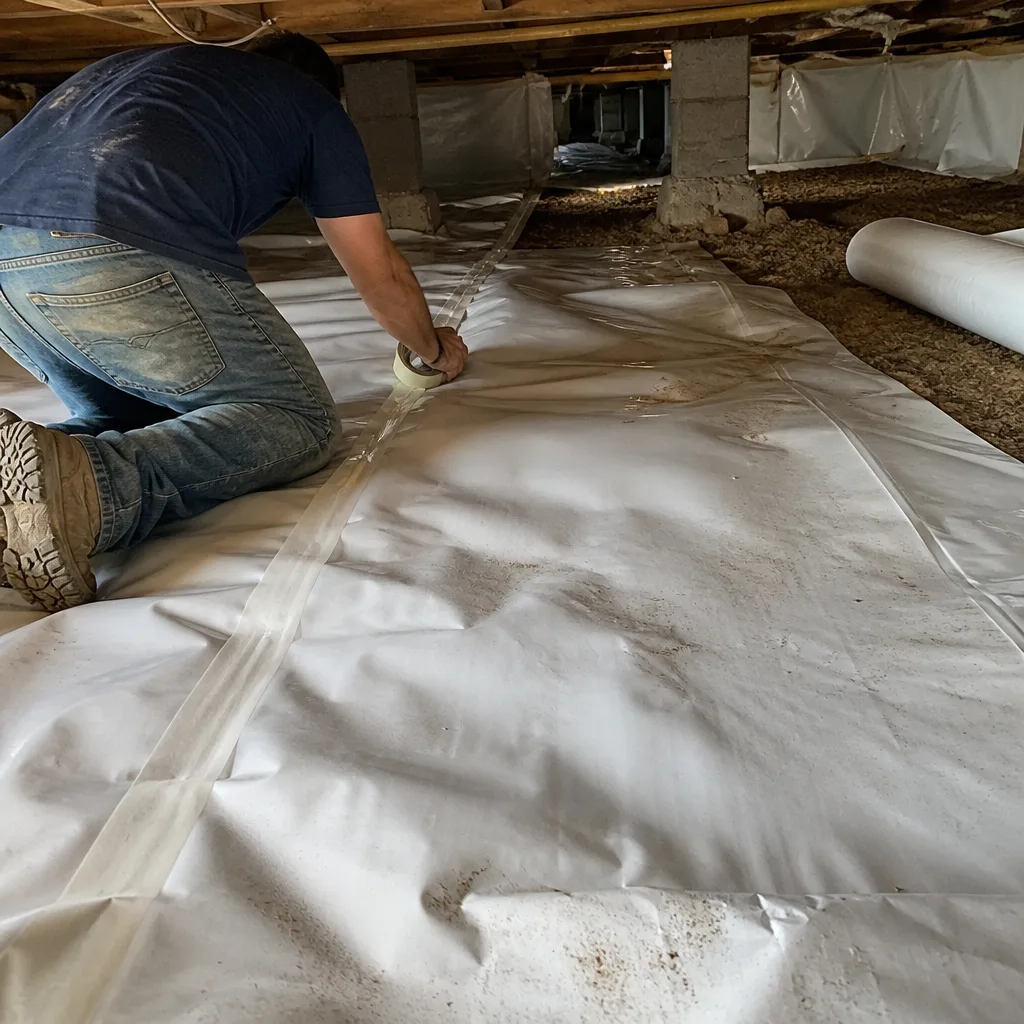
- Musty odors rising from crawl space vents or floor gaps. In Converse, where summer relative humidity hangs above 70% for months, a torn or unseamed vapor barrier lets soil moisture evaporate directly into the crawl space air. The cellulose above acts like a wick, pulling that moisture into the insulation layer where mold colonizes on the paper backing.
- Hardwood floor cupping or laminate bubbling, especially near exterior walls. When the vapor barrier pulls away from the foundation perimeter - common in the expansive clay soils around Converse where seasonal shrink-swell cycles stress tape bonds - moisture migrates upward through the subfloor. The cupping pattern follows the wall line because that’s where the barrier termination failed first.
- Visible mold or mildew on floor joist bottoms. GreenFiber cellulose is treated with borates for fire and pest resistance, but those chemicals don’t prevent mold growth on the wood structure beneath. We find this most often in homes near Live Oak and Universal City where water tables sit higher and crawl spaces were built without adequate grade drainage.
- Insulation compression or staining in the crawl space. Saturated cellulose loses its loft and R-value; you’ll see it matted against the subfloor or discolored to a darker gray. In Converse’s cooling-dominated climate, this happens when warm humid air hits the cool subfloor and condenses because the vapor barrier below isn’t blocking soil moisture.
- Increased cooling bills with no equipment change. Wet insulation conducts heat faster than dry insulation - the technical term is increased thermal conductivity. Your AC runs longer to maintain setpoint because the GreenFiber above the crawl space is performing at half its rated R-value, and the ductwork in that humid space is losing cooling capacity to the surrounding air.
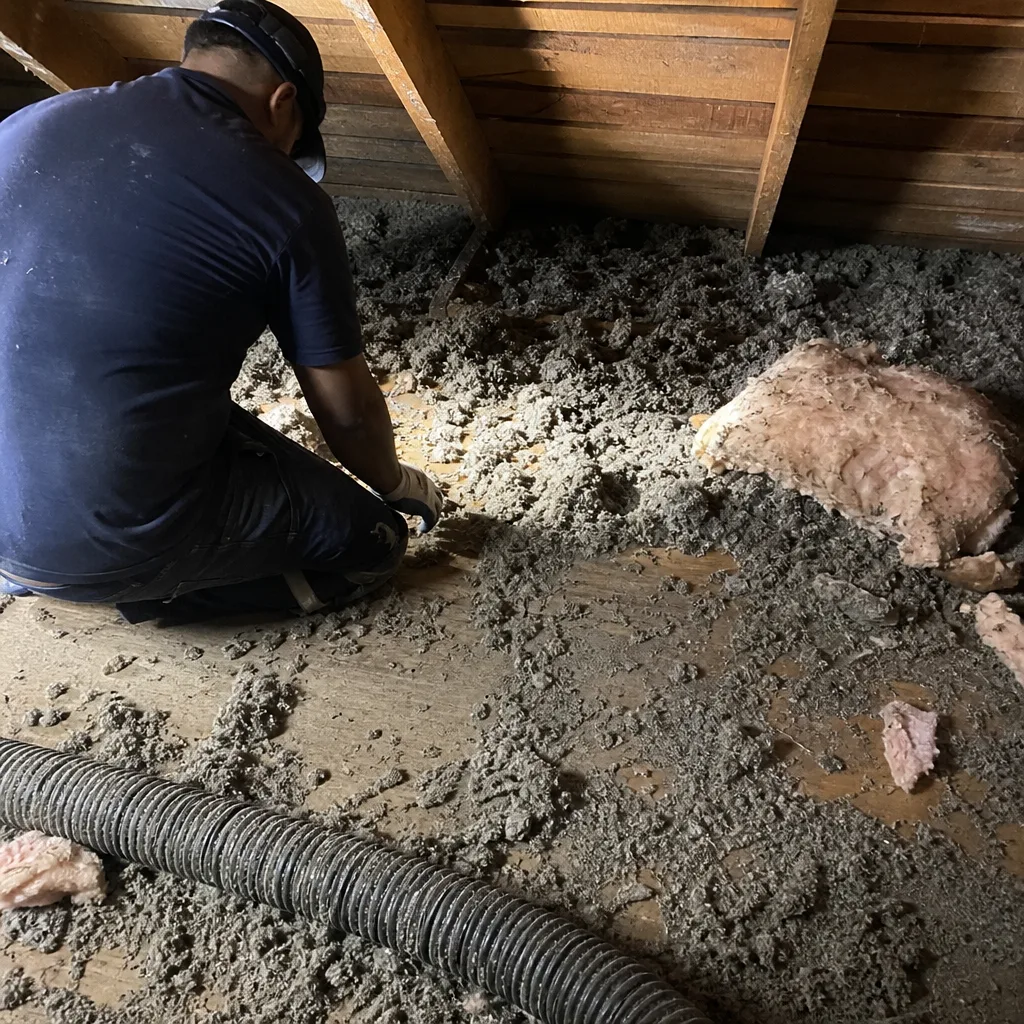 Before
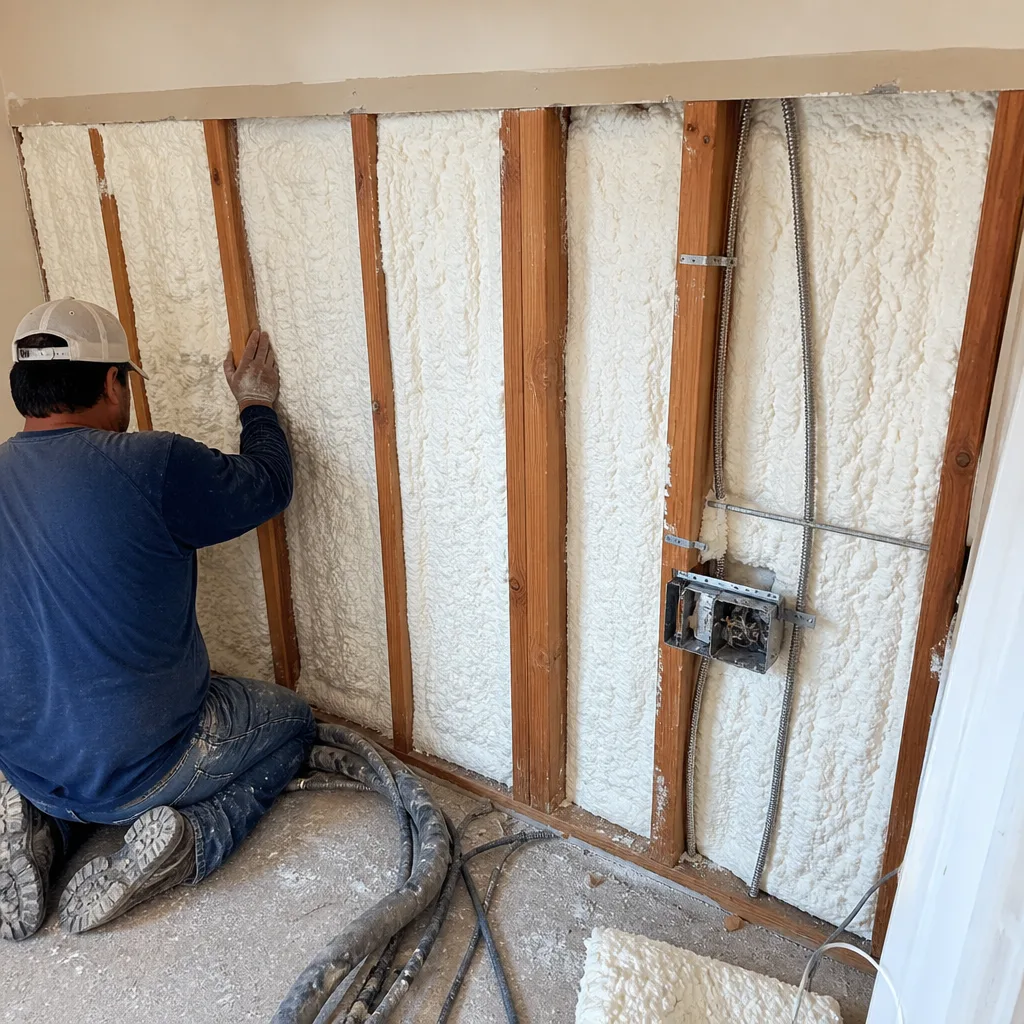 After
AfterReplacement Cost & What’s Included
Most full vapor barrier replacements in Converse run $1,800 to $3,400 for crawl spaces between 1,200 and 2,400 square feet. Here’s how that breaks down:
- 6-mil standard polyethylene: $1.80-$2.40 per square foot installed, including removal of existing degraded material, surface prep, and new poly laid with 12-inch seam overlaps taped with acrylic adhesive.
- 10-mil reinforced polyethylene: $2.60-$3.20 per square foot installed, with woven scrim for puncture resistance - we recommend this in crawl spaces with rocky soil or frequent service traffic.
- Cross-laminated HDPE (rodent-resistant): $3.40-$4.10 per square foot installed, for properties near greenbelts or with documented rodent history.
The range driver is access - a 36-inch crawl space with clear perimeter runs faster than an 18-inch space requiring hand removal of old material around ductwork and plumbing. Every job includes seam sealing with mastic at all penetrations, termination sealing to foundation walls with mechanical fasteners and acoustic sealant, and a Documented Photo Record of the completed barrier before we close the access. We publish before-and-after blower-door numbers when the vapor barrier replacement is paired with air sealing of the crawl space envelope - the pressure boundary between conditioned and unconditioned space. Work carries our 365-Day Done Right Promise; if seams fail or moisture readings climb, we return and make it right.
DIY or Call Us?
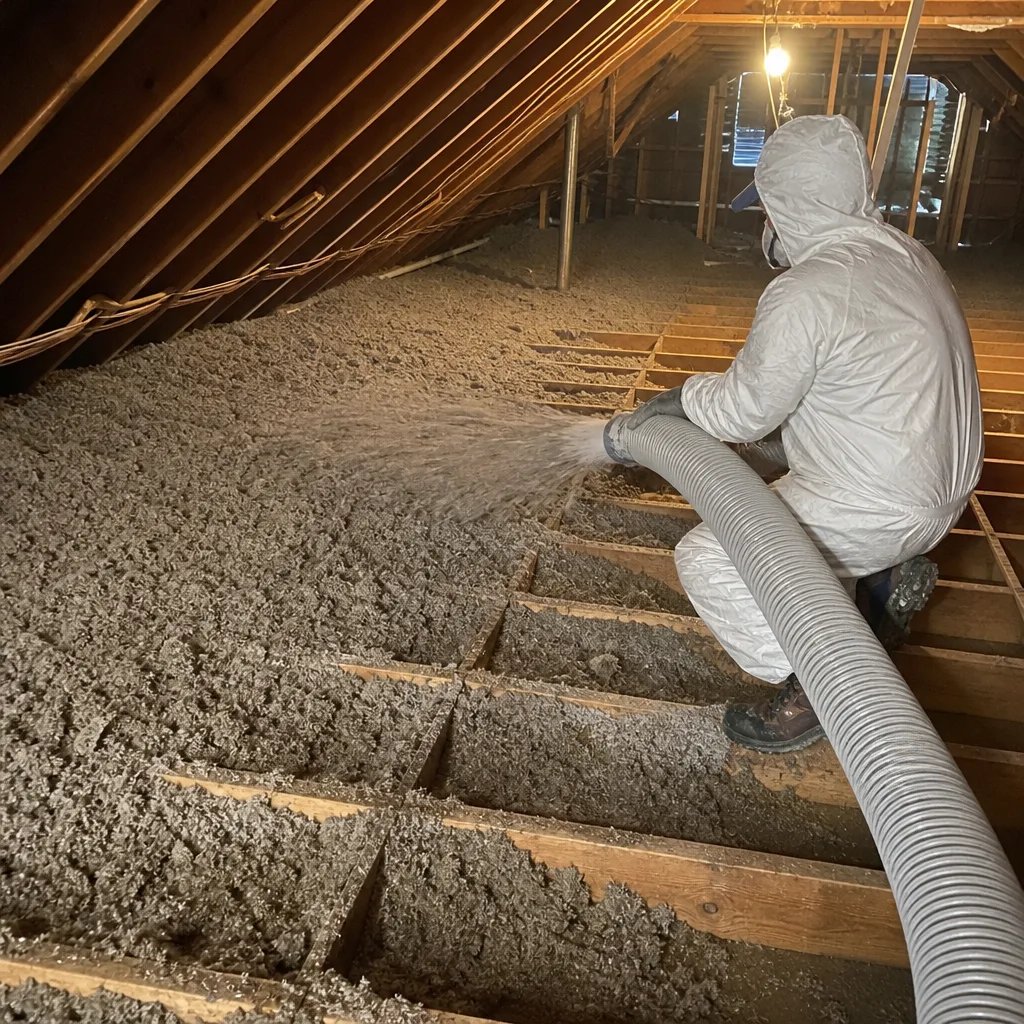
What you can safely check: verify your crawl space access is clear, measure the approximate square footage, and photograph any visible tears, pulled seams, or mold on joists. Use a moisture meter on the subfloor if you own one - readings above 19% indicate active moisture migration. What goes wrong with DIY: polyethylene sheeting from the hardware store is typically 4-mil or 6-mil non-reinforced material that tears on the soil during installation, and the critical failure point is seam sealing - duct tape fails in months, and without proper acrylic vapor-barrier tape or mastic at penetrations, you’ve spent a weekend for a result that degrades before the next rainy season. In Converse’s clay soils, barrier perimeter termination requires mechanical fastening to foundation walls that most homeowners don’t have the tools or access to execute properly. We’re not affiliated with GreenFiber - we’re an independent service provider - and we’ll give you a Free Second Opinion on any written estimate you’ve already received. Call (830) 420-0953 for a written price before any work starts.
FAQs
A properly installed 10-mil reinforced polyethylene vapor barrier in Converse typically lasts 15 to 20 years, though we’ve seen 6-mil non-reinforced product fail in 5 to 7 years due to UV degradation at perimeter vents and rodent damage. The alkaline clay soils east of I-410 accelerate tape adhesive failure at seams, which is why we mechanically fasten and mastic-seal all terminations. Call (830) 420-0953 for an exact quote - estimates are free.
Small punctures under 2 inches can be patched with vapor-barrier tape and mastic if the surrounding material is still flexible and the seam system is intact, but in Converse we more often find that “repair” calls are really partial replacements - the original 6-mil poly has become brittle, seams have failed across 30% or more of the surface, and patching creates a quilt of weak points. We assess this on every visit and give you a written scope for either option. Call (830) 420-0953 for an exact quote - estimates are free.
Most crawl space vapor barrier replacements in Converse take one day for crews of two technicians, or two days if full removal of degraded material is required plus air sealing of the rim joist and top plates. We arrive with the barrier material, tape, mastic, and fasteners on the truck - no waiting on delivery. You’ll get a named technician and a text when they’re on the way, under Haven Standard: Arrive on schedule.
We carry 6-mil, 10-mil reinforced, and cross-laminated HDPE vapor barrier in standard roll widths, plus acrylic seam tape, mastic, mechanical fasteners, and acoustic sealant on every Converse-area truck. GreenFiber itself does not manufacture standalone vapor barrier products; we install compatible polyethylene barriers sized to work with GreenFiber cellulose insulation assemblies, along with Reflectix radiant barrier products where the job calls for combined moisture and heat control. Same-day installation is available when we have your crawl space dimensions and access conditions confirmed by phone.
Written by Wes Okafor, Owner & Lead Insulation Technician, Topside Attic Insulation Converse at Topside Attic Insulation Converse, serving Converse and nearby areas.