
Icynene Crawl Space Encapsulation & Vapor Barrier in Converse: What to Know First
We provide independent Icynene crawl space encapsulation and vapor barrier service in Converse, typically completing most jobs in one to two days after your initial inspection. As an independent Icynene service provider, we work with the open-cell and closed-cell formulations already installed in your crawl space - no manufacturer authorization required to diagnose moisture failures, replace degraded vapor barriers, or re-encapsulate after rodent damage. Most Converse homeowners with Icynene in their crawl spaces see project costs between $2,800 and $6,400 depending on square footage, existing condition, and whether the original foam needs partial removal before we can seal properly. Call (830) 420-0953 for a written price before any work starts - that’s Haven Standard Clause 1, no exceptions.
This page is for Converse homeowners who found Icynene spray foam in their crawl space when they bought the house, or had it installed years ago, and are now dealing with moisture issues, musty smells, or sagging vapor barriers that the original installer won’t return to address.
How Icynene Products Fail - and How We Fix Them
- Icynene MD-C-200 (open-cell) absorbing ground moisture in Converse clay soils. Open-cell Icynene is vapor-permeable by design - a feature in walls, a liability in crawl spaces where the water table sits high after spring rains. We’ve pulled saturated MD-C-200 off rim joists in Live Oak-adjacent homes where the vapor barrier failed first, letting humidity wick directly into the foam. Our fix: remove the compromised sections, install a 20-mil reinforced polyethylene ground barrier sealed to walls with butyl tape, then reapply closed-cell Icynene or an equivalent where thermal value is needed.
- Icynene LD-C-50 (low-density open-cell) collapsing after rodent nesting. LD-C-50’s soft structure makes it easy for rats and mice to tunnel through - we’ve found cavities packed with nesting material in older Converse subdivisions near Randolph Air Force Base where tree lines meet crawl space vents. The fix isn’t patching the foam; it’s removing the contaminated sections, sealing entry points with galvanized hardware cloth, and switching to a denser material or full encapsulation that eliminates the vented environment rodents prefer.
- Icynene H2Foam Lite (water-blown closed-cell) delaminating from damp concrete block. H2Foam Lite bonds well to dry substrates, but Converse crawl spaces built in the 1970s and 80s often have block walls that never fully dry - efflorescence, that white powdery salt deposit, signals active moisture migration. We grind the efflorescence, apply a masonry waterproofing primer, then reinstall. Without that prep step, any foam will fail again within two seasons.
- Icynene Classic Max (open-cell) trapping humidity behind improperly sealed vapor barriers. When a previous contractor stapled 6-mil plastic to dirt and called it done, warm Converse air hits cool foam and condenses. Classic Max doesn’t rot, but the wood behind it does. We install a true encapsulation system - sealed seams, mechanical fastening, conditioned air supply if needed - so the foam and structure stay dry.
- Original Icynene vapor barriers degrading from UV exposure through foundation vents. Even brief sunlight through unscreened vents breaks down polyethylene over 5-7 years. We replace with UV-stabilized 12-mil or 20-mil barrier material and seal vents as part of a conditioned crawl space strategy, which Icynene’s own installation guidelines recommend for our climate zone but many original installers skipped to cut costs.
Our Icynene Crawl Space Encapsulation & Vapor Barrier Process
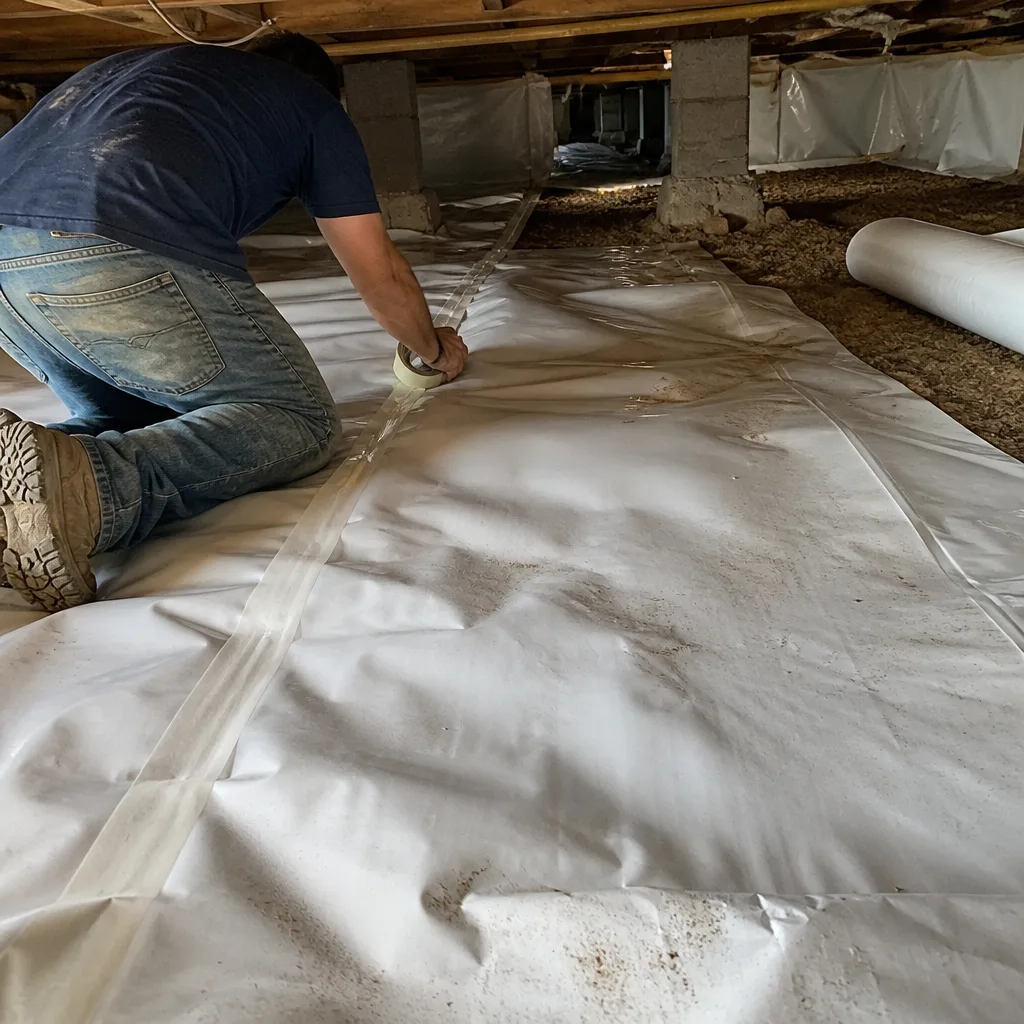
- 1
Inspection with documented photo record. We photograph every square foot of your existing Icynene installation, noting formulation type, condition, and moisture indicators. You get these photos before we leave - not available on request, included by default.
- 2
Blower-door test if the crawl space connects to conditioned space. Many Converse homes have ductwork or plumbing chases that turn a crawl space into an accidental return plenum. We measure that leakage in CFM50 so you know if encapsulation will also improve your HVAC efficiency.
- 3
Written price before any work starts. Flat price, written scope, written warranty - Haven Standard Clause 1. No surprises, no “we found more once we started.”
- 4
Removal of failed Icynene and old vapor barrier, with disposal. We don’t encapsulate over rot or contamination. Partial removal of waterlogged MD-C-200 or rodent-compromised LD-C-50 is standard on about 40% of Converse jobs we see.
- 5
Air sealing and moisture control installation. Seal rim joists, sill plates, and penetrations first - “Seal the leaks first. Then insulate. The numbers will tell you if it worked.” Then install reinforced vapor barrier, mechanical dehumidification if humidity loads warrant it, and replacement insulation appropriate to the space.
- 6
Post-work documentation and 365-Day Done Right Promise. Final photos, updated blower-door reading if applicable, and your warranty in writing. If it’s not done right, we make it right.
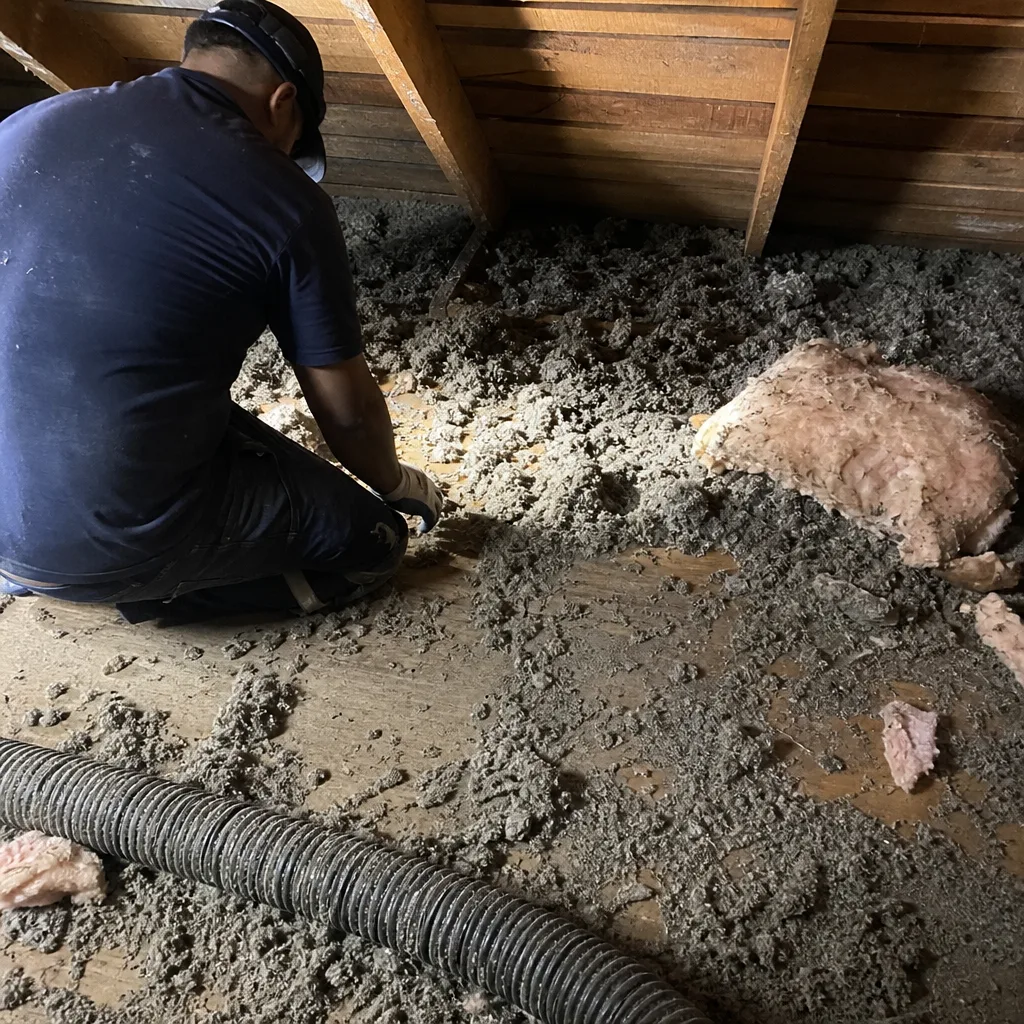 Before
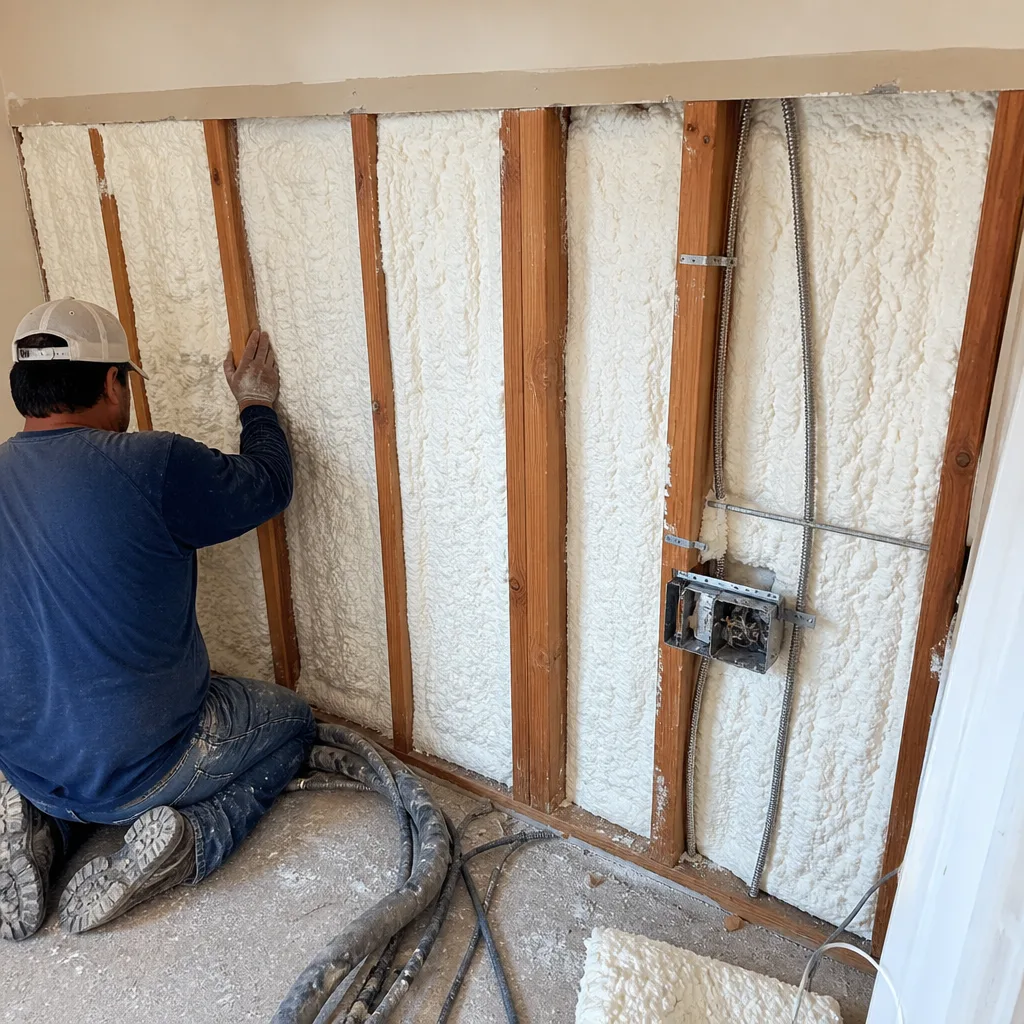 After
AfterWhat Icynene Crawl Space Encapsulation & Vapor Barrier Costs in Converse
| Scenario | Typical Range |
|---|---|
| Vapor barrier replacement only (existing Icynene intact) | $2,800 - $4,200 |
| Partial Icynene removal + re-encapsulation (under 800 sq ft) | $4,500 - $6,400 |
| Full removal of failed open-cell + closed-cell replacement + encapsulation | $6,200 - $9,800 |
| Conditioned crawl space conversion (dehumidifier, sealed vents, new barrier) | $8,500 - $14,000 |
What moves the price: square footage, accessibility (Converse’s older ranch homes on Foster Road often have 18-inch clearance versus 3 feet in newer builds), whether the existing Icynene is waterlogged and requires hazmat-style removal, and if we need to address active drainage issues before sealing. We also service Reflectix radiant barrier systems when they’re part of the same envelope, though Icynene and Reflectix solve different problems and we won’t sell you one when you need the other.
Call (830) 420-0953 for a written estimate - free, no obligation, and we’ll read any competing quote with you line by line if you want a second opinion.
Why Converse Homeowners Call Topside Attic Insulation Converse for Icynene Work
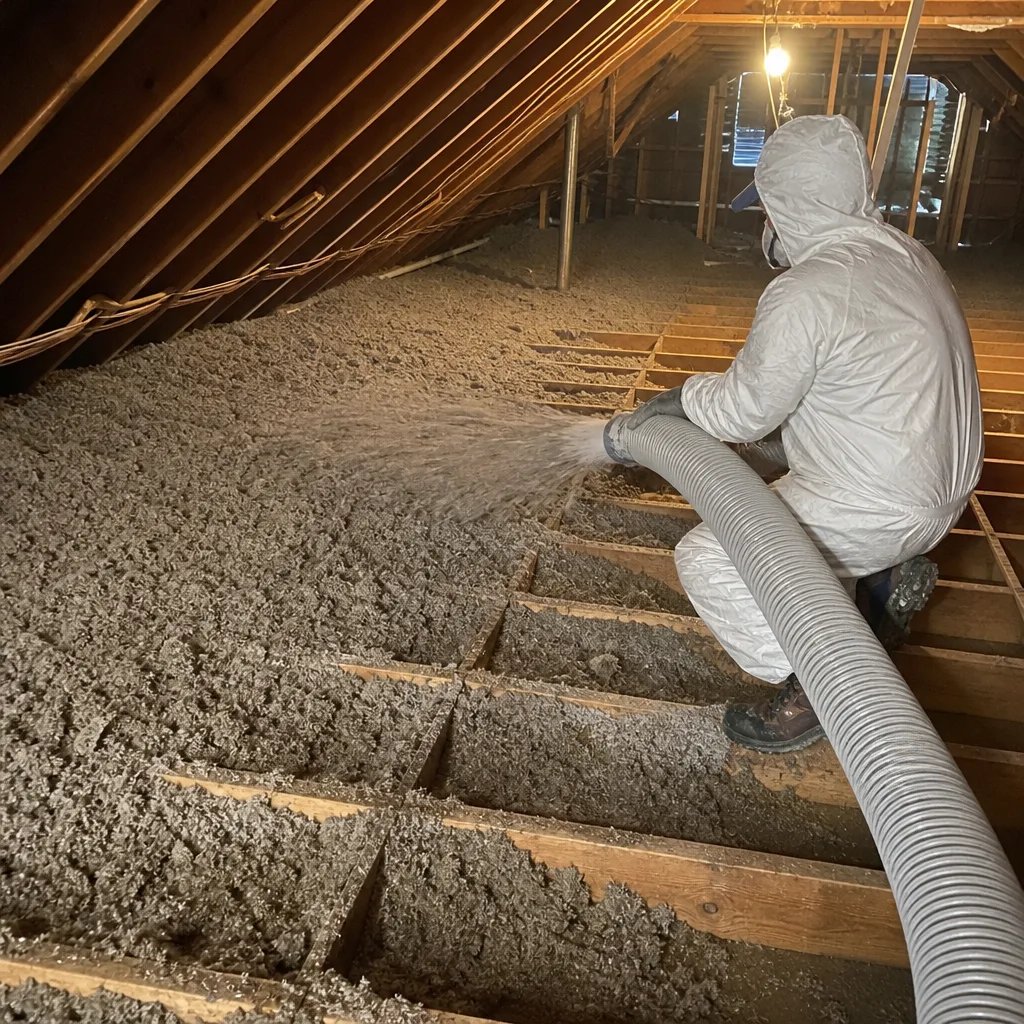
We’ve sealed and insulated over 9,000 homes since 2016, and a growing share are fix-it jobs - homeowners who paid once for Icynene in their crawl space and got incomplete encapsulation. Wes Okafor grew up on Chicago’s South Side, trained at Kennedy-King College’s building trades program, and spent two decades applying that classroom work in Texas attics and crawl spaces. He and his crew know the difference between MD-C-200 and H2Foam Lite without reading the can, and they know why that matters for your warranty.
Our background-checked, uniformed technicians arrive on schedule with a text when they’re en route. Calls are answered by a live person, 24/7 - no voicemail loops, no callback windows measured in business days. Every job closes with a Documented Photo Record and, where applicable, before-and-after blower-door numbers printed for your files. The 365-Day Done Right Promise applies to all work, backed by a written scope and warranty delivered before anyone lifts a tool.
FAQs
No - Icynene’s product warranty covers material defects, not installation or subsequent modifications, and it doesn’t prohibit independent service work. The original installer’s workmanship warranty may be void if they specified maintenance you skipped, but our encapsulation doesn’t affect Icynene’s coverage for foam that fails due to manufacturing issues. We document existing foam condition before we start so there’s no dispute about what was pre-existing damage. Call (830) 420-0953 if you want us to review your original paperwork with you.
We use Icynene-formulated products for repairs and additions where matching the existing foam matters for thermal performance, but we’re not locked into any single brand - we also source from Owens Corning, Johns Manville, Knauf, Rockwool, CertainTeed, Demilec, and GreenFiber. For vapor barriers and encapsulation hardware, we use proven non-proprietary materials: Stego, Crawlspace Depot, or equivalent 20-mil reinforced polyethylene with proper seam tape. No proprietary lock-in means you get what’s right for the job, not what a manufacturer requires us to sell.
Repair is cheaper when less than 30% of the foam is compromised and the vapor barrier failure is recent - typically $2,800 to $4,500 in Converse. Full removal and re-encapsulation makes sense when open-cell Icynene is waterlogged throughout, rodent contamination is extensive, or the original installer skipped critical air sealing. We don’t quote repair on jobs that need replacement; the written price reflects what will actually last. Call (830) 420-0953 for an honest assessment - our Free Second Opinion applies even to our own recommendations if you want another pair of eyes.
Same-day or next-day inspection for active water intrusion, mold concerns, or HVAC failure tied to crawl space conditions. Actual encapsulation work typically schedules within 3-5 business days after you approve the written price. We don’t do emergency vapor barrier installation at 10 PM - that’s not when quality work happens - but we will guide you through immediate steps to reduce damage until our crew arrives. Live person answers the phone at (830) 420-0953 whenever you call.
We encapsulate; we don’t regrade your yard or install French drains. If your Converse home needs sump pump work, exterior waterproofing, or foundation repair, we’ll note it in our inspection report and can refer trusted local contractors we’ve worked alongside. We won’t seal a crawl space that’s actively taking on water from a failing foundation - the encapsulation would fail, and we’d know it before we started. The written price only covers work that will perform as specified.
Written by Wes Okafor, Owner & Lead Insulation Technician, Topside Attic Insulation Converse at Topside Attic Insulation Converse, serving Converse and nearby areas.