
Johns Manville Radiant Barrier Installation: The Converse Owner’s Guide
Johns Manville radiant barrier installation in Converse typically runs $1,800-$3,400 for a standard 1,800-2,400 square foot attic, and we stock the full JM AP Foil-Faced and Formaldehyde-free kraft-faced product lines on our trucks for same-day starts. Most Converse homeowners discover their radiant barrier is failing when summer attic temperatures climb past 140°F despite the shiny layer overhead, or when they spot sagging, torn sections, or corrosion on the aluminum-facing after years of Bexar County humidity cycling. We see this pattern repeatedly in Converse homes built between 2005 and 2015, where original radiant barriers were installed without proper air sealing beneath them.
Which Johns Manville Models This Applies To
Johns Manville manufactures radiant barriers under two primary product families: the AP Foil-Faced line (polypropylene scrim reinforced, ASTM C1313 compliant) and the Formaldehyde-free kraft-faced line used primarily in vented attic applications. The critical compatibility gotcha in Converse is that JM’s AP Foil-Faced line comes in two scrim densities - standard 2×2 mesh and heavy-duty 3×3 mesh - and retrofitting the wrong density over existing insulation can create thermal bridging at fastening points. Check your existing barrier’s edge printing: “JM AP-120” indicates standard weight, while “JM AP-180” or “HD” suffix denotes heavy-duty. We do not install generic reflective sheeting and call it Johns Manville-compatible; we source OEM JM product through our distributor network, and we’ll show you the mill roll labels when we arrive. Topside Attic Insulation Converse is an independent service provider, not affiliated with Johns Manville Corporation. We also stock Reflectix double-reflective insulation for homeowners who need a different spec match.
Signs Your Johns Manville Radiant Barrier Is Failing
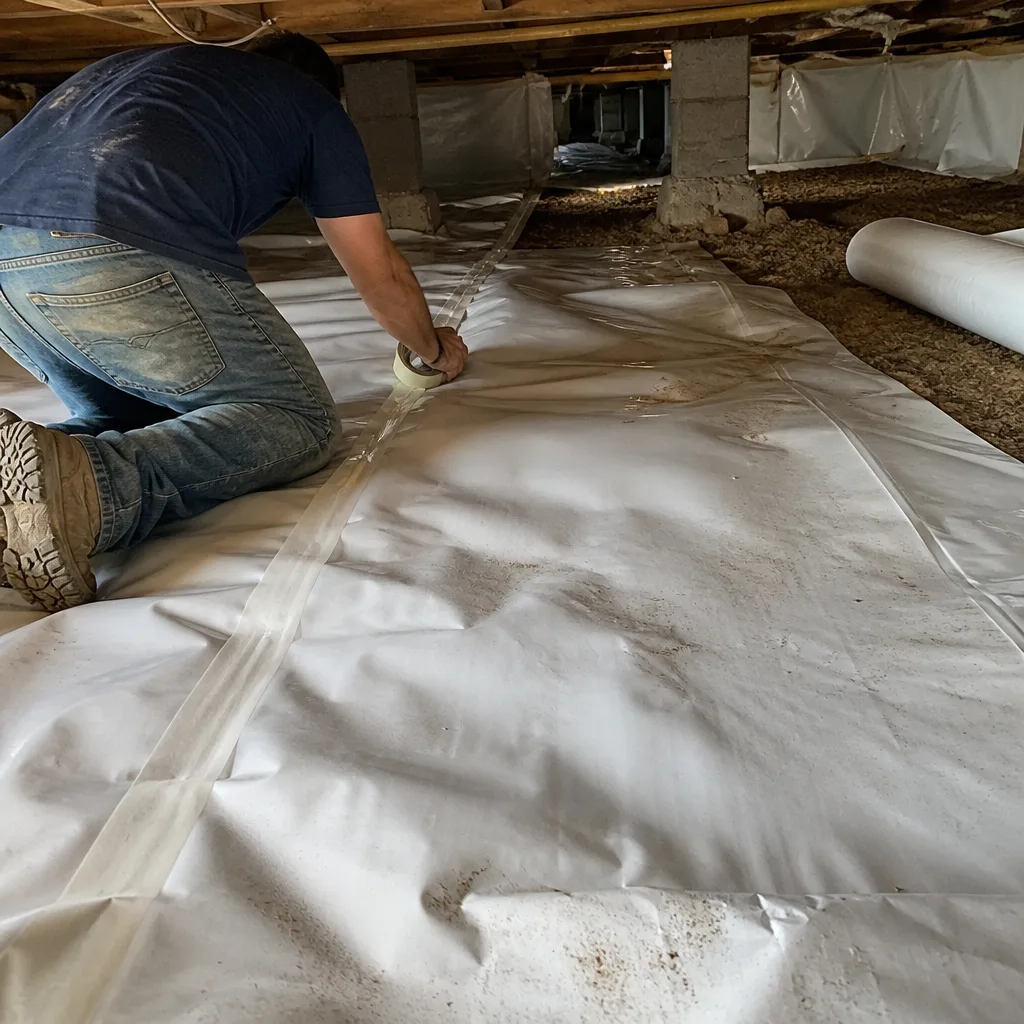
- Attic temperature spikes 25-35°F above ambient on hot Converse afternoons. The aluminum oxide layer on JM foil-facing degrades after roughly 8-12 years of UV exposure through gable vents or turbine gaps; once oxidation exceeds 30% surface area, emissivity rises and the barrier stops reflecting radiant heat back toward the roof deck.
- Sagging or draping between truss bays, especially near ridge vents. JM’s kraft-faced line uses a water-based adhesive strip that weakens in sustained humidity above 70% RH - common in Converse from May through October - causing the barrier to detach and create an air gap that actually traps heat.
- Visible tears, rodent gnawing, or compression from stored boxes. The polypropylene scrim tears at roughly 15 psi point load; once breached, the barrier becomes a collection surface for dust, which permanently raises emissivity regardless of the aluminum layer beneath.
- Condensation staining on ceiling drywall directly below the barrier. This indicates the barrier was installed without adequate attic ventilation or air sealing, creating a dew point condition where warm moist air hits the cooler foil surface - a failure of system design, not just the product.
- Your HVAC runtime in August matches or exceeds what it was before the barrier went in. A properly functioning radiant barrier should reduce cooling load by 5-10% in a Converse summer; if your kilowatt hours haven’t moved, the barrier is no longer doing the one job it has.
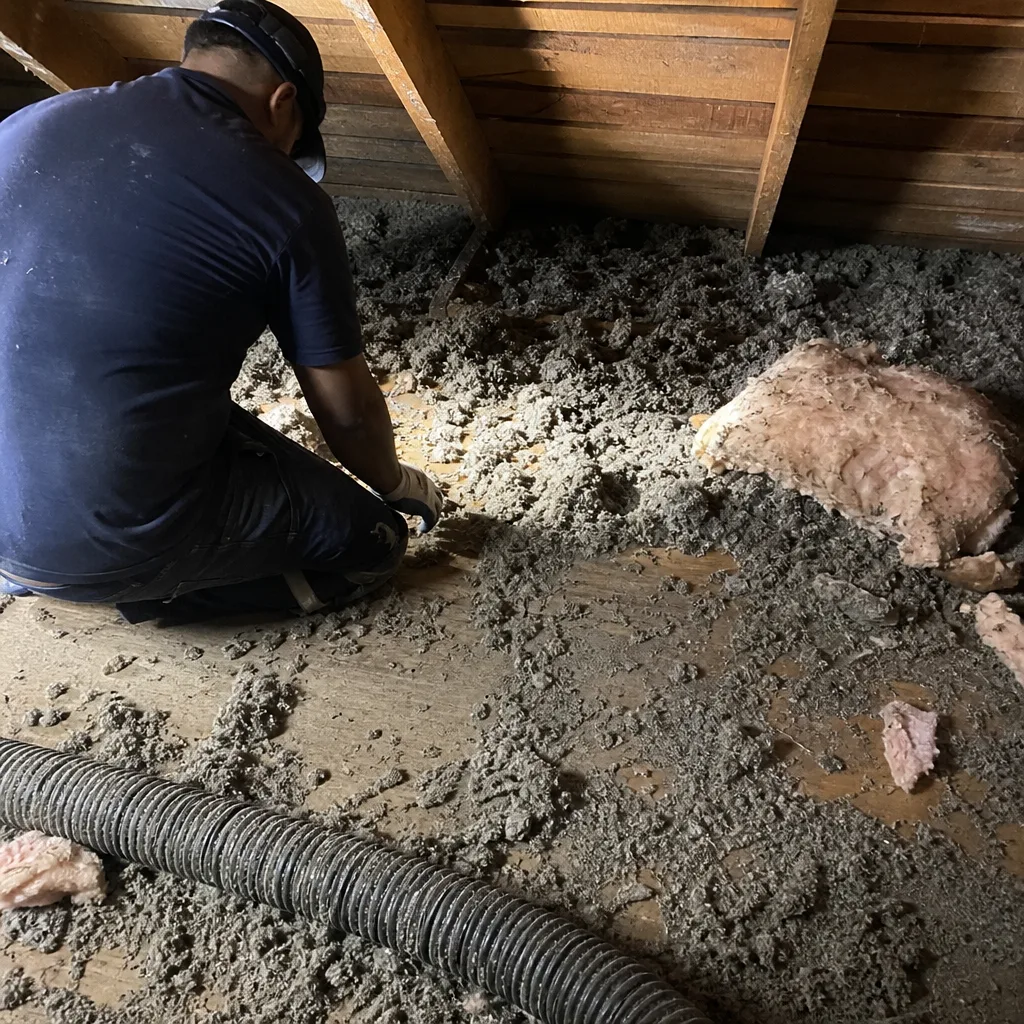 Before
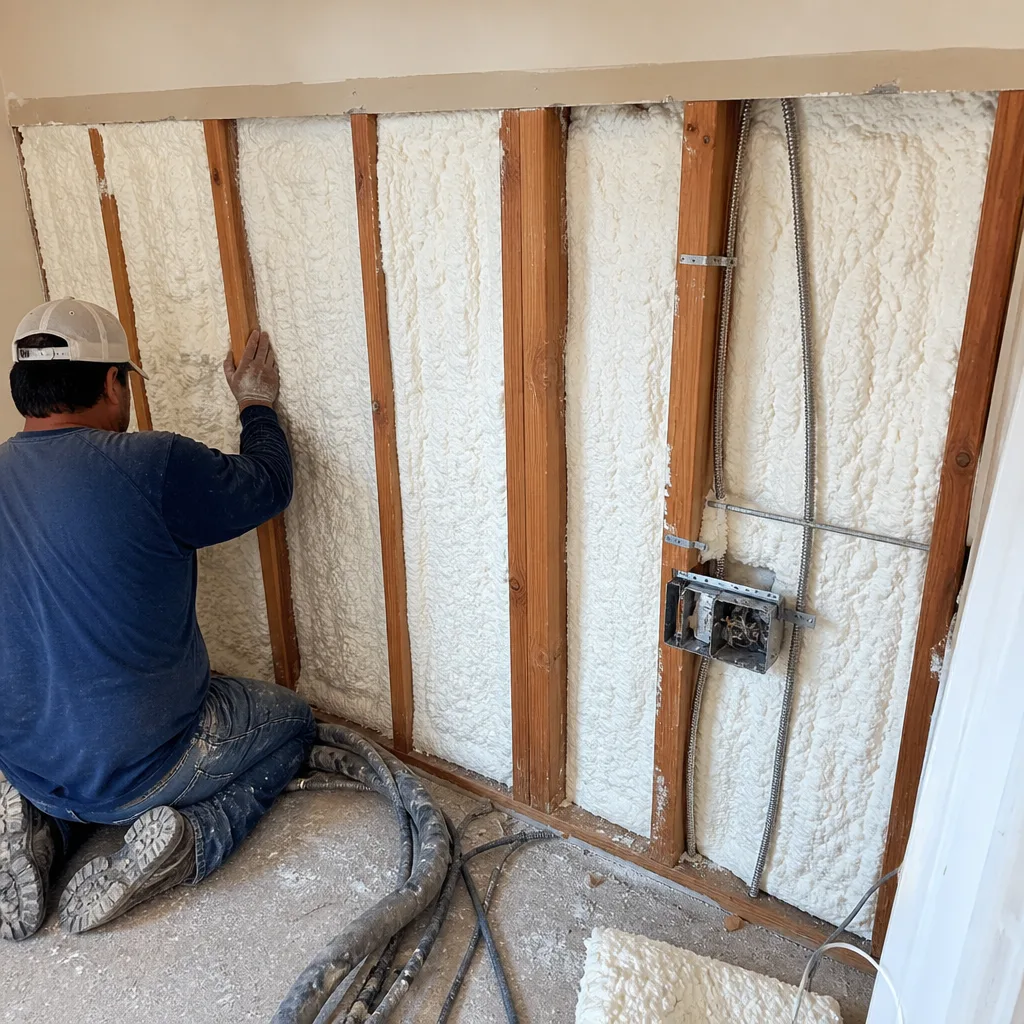 After
AfterReplacement Cost & What’s Included
| Scope | Price Range in Converse |
|---|---|
| Partial replacement (1,000-1,500 sq ft, localized failure) | $1,200-$1,900 |
| Full attic replacement (1,800-2,400 sq ft, standard pitch) | $1,800-$3,400 |
| Full replacement with air sealing package (top plates, can lights, penetrations) | $2,800-$4,600 |
| Steep pitch or limited attic access surcharge | +$300-$500 |
What drives the range: attic square footage, pitch (steeper = slower work), whether we need to remove degraded existing barrier first, and whether the job includes our air sealing prerequisite. Every quote under Haven Standard Clause 1 is a flat price, written scope, written warranty - delivered before anyone lifts a tool. The 365-Day Done Right Promise covers labor and material defects. We publish before-and-after blower-door numbers on every job that includes air sealing, so you’ll see your CFM50 drop in black and white.
DIY or Call Us?
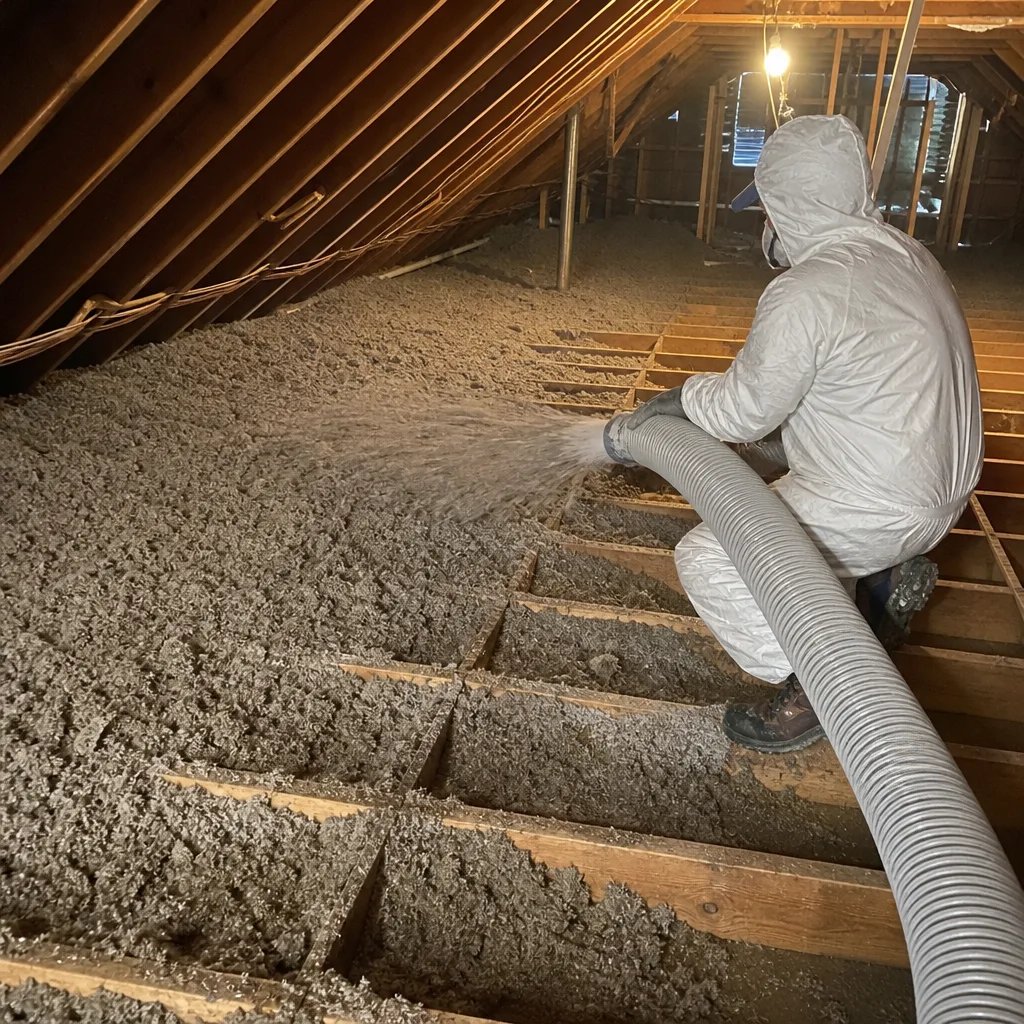
Homeowners can safely check three things: confirm the JM product code printed on the barrier edge, photograph any sagging or torn sections for our review, and verify attic ventilation intake/exhaust ratios with a simple smoke pencil test. Where DIY goes wrong is in the installation physics - radiant barrier only works with precise emissivity values (0.05 or lower for JM AP Foil-Faced), and hand wrinkles, dust contamination, or incorrect facing orientation (shiny side must face the open attic air, not the insulation) can negate the entire investment. More critically, stapling through electrical wiring or compressing insulation around recessed can lights creates fire and moisture risks we see on second-opinion calls monthly. For a documented installation with printed blower-door verification, call (830) 420-0953 - estimates are free, and we bring the written price with us.
FAQs
JM’s AP Foil-Faced line is rated for 15-20 years in controlled conditions, but Converse’s combination of high summer attic temperatures (sustained 130-150°F) and humidity cycling through gable vents typically compresses functional lifespan to 8-12 years before emissivity degradation measurably reduces performance. Call (830) 420-0953 and we’ll test your existing barrier’s reflectivity with an infrared thermometer - estimates are free.
Localized tears in the polypropylene scrim can be patched with JM-approved foil tape if the surrounding aluminum layer is still intact, but oxidation, widespread sagging, or dust contamination always warrants full replacement - patchwork on a degraded substrate is throwing good money after bad. We document the condition with photos before recommending either path. Call (830) 420-0953 for an honest second opinion.
Most Converse homes in the 1,800-2,400 square foot range take one crew day for removal and replacement, or two days if we include our air sealing package - top plates, can light enclosures, and penetration sealing before the new barrier goes in. We don’t blow insulation over an unsealed attic floor. Seal the leaks first. Then insulate. The numbers will tell you if it worked.
We carry JM AP Foil-Faced in 4-foot and 6-foot widths, both standard and heavy-duty scrim, plus the full fastening and seam-tape system - enough to start most jobs same-day in Converse, Live Oak, and Universal City. If your attic requires a custom width or the kraft-faced line, we can have it within 24 hours through our San Antonio distributor. Call (830) 420-0953 to confirm availability for your specific model.
Ready to get your attic performance back? Call (830) 420-0953 for a free estimate. We’ll arrive with a written price, run a blower-door test if air sealing is part of the scope, and leave you with a Documented Photo Record and printed performance numbers - Haven Standard, no exceptions.
Written by Wes Okafor, Owner & Lead Insulation Technician, Topside Attic Insulation Converse at Topside Attic Insulation Converse, serving Converse and nearby areas.