
Johns Manville Wall Insulation in Converse: What to Know First
We provide independent Johns Manville wall insulation service in Converse, with most jobs scheduled within 48 hours and completed in a single day. A typical drill-and-fill exterior wall job in a 1,800-square-foot Converse ranch runs between $2,400 and $4,200, and we put that price in writing before anyone loads a truck. This page is for homeowners who already have Johns Manville insulation in their walls and need to add, replace, or troubleshoot it - whether you’re dealing with settled batts in a 1980s build off FM 78 or you’re insulating previously empty wall cavities in a newer home near Converse North. Call (830) 420-0953 for a free estimate with a written price.
How Johns Manville Products Fail - and How We Fix Them
- Formaldehyde-free batts losing loft in humid wall cavities. Johns Manville’s Climate Pro batts, common in Converse homes built 2010-2018, rely on fiber structure to maintain R-value. In south-central Texas humidity, repeated wet-dry cycles compress the fibers against the vapor barrier, dropping performance from R-13 to effective R-8 or lower. We remove the compressed material and replace with new JM batts only after sealing the cavity’s air leaks - otherwise the new batts follow the same path.
- Sound & Fire batts sagging in metal-stud walls. The 1000 Series SAFB (Sound Attenuation Fire Batt) is dense by design, but in Converse’s older commercial conversions and metal-stud additions, improper friction-fit or missing support tabs lets gravity win over time. The batt settles to the bottom third of the cavity, leaving the top uninsulated and the bottom compressed. We reinstall with proper support hardware or switch to a damp-spray application where stud spacing is irregular.
- Spider blown-in fiberglass bridging in narrow cavities. Johns Manville’s Spider product is engineered to stick without netting, but in the 2×4 walls common in Converse’s 1960s-70s ranch stock, the fiber can bridge across rather than fill to full depth - creating hidden voids. We verify fill density with wall-cavity inspection ports and re-blow any spot that doesn’t hit target density, typically 0.5 to 1.0 pounds per square foot depending on the specified R-value.
- Polyiso board separation at foundation rim joists. When JM AP Foil or similar rigid board is used in basement or crawl-space perimeter walls in Converse’s clay-heavy soils, seasonal expansion and contraction cracks the adhesive bond. Gaps form at the board edges, and the foil facing becomes a vapor trap if the interior isn’t conditioned. We remove compromised boards, seal the rim joist with closed-cell spray foam for air sealing, then reinstall rigid insulation with mechanical fastening - not adhesive alone.
- Mineral wool batts incompatible with existing cellulose. Homeowners sometimes layer JM Rock Wool over old GreenFiber or similar cellulose in retrofit jobs, not realizing the density mismatch creates a convection loop at the interface. The mineral wool’s higher rigidity leaves gaps where the softer cellulose compresses, and the different vapor permeance can trap moisture in Converse’s spring shoulder seasons. We pull both materials, air-seal the cavity properly, then install a single, consistent insulation system.
Our Johns Manville Wall Insulation Process
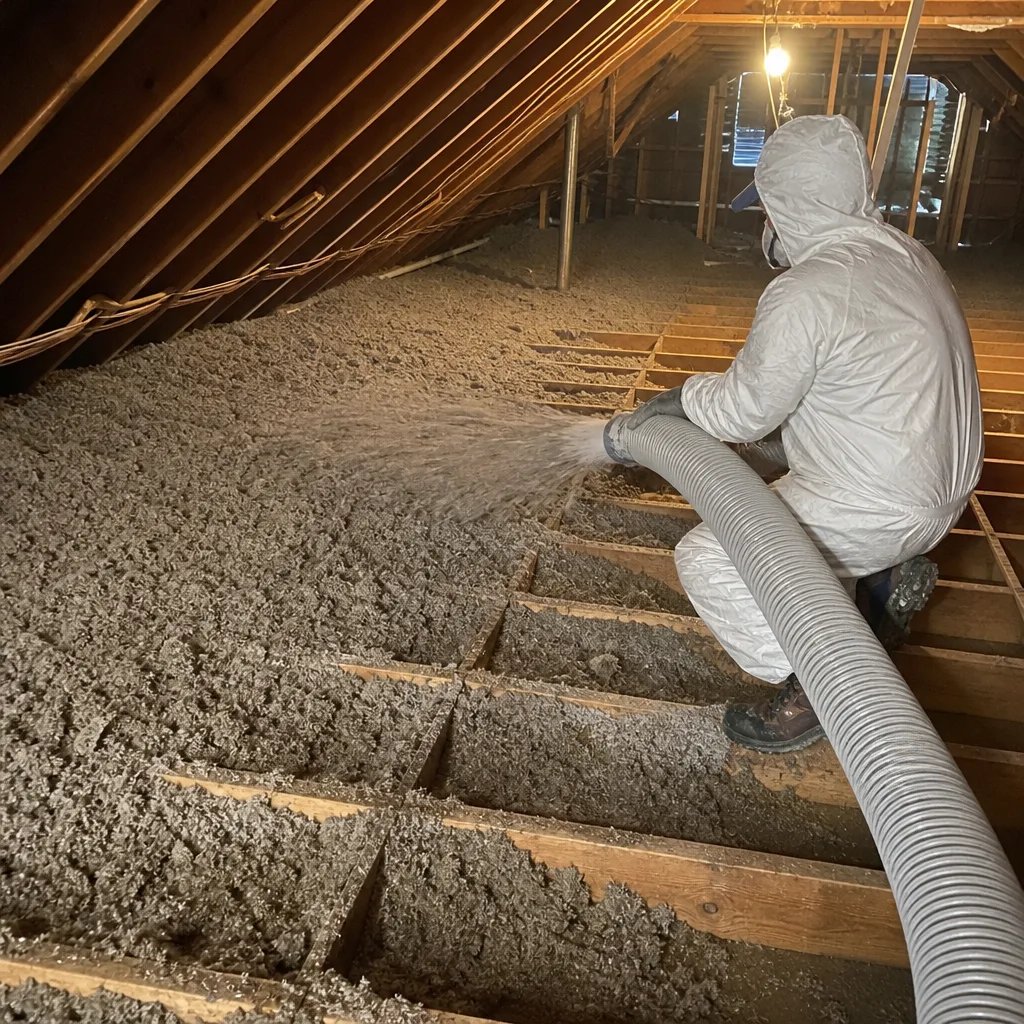
- 1
Call and scope. You describe the home: year built, wall construction, current insulation if known. We schedule a site visit in Converse, usually within 48 hours.
- 2
Blower-door test and thermal imaging. We pressurize the house to 50 pascals and record the CFM50 reading - a single number showing total envelope leakage. Infrared camera identifies which walls are actually losing heat, not just which ones you suspect.
- 3
Air sealing first. Top plates, electrical penetrations, and any gaps at the sole plate get sealed before insulation touches the cavity. Seal the leaks first. Then insulate. The numbers will tell you if it worked.
- 4
Material selection and written price. We specify the exact Johns Manville product - or a compatible alternative from Owens Corning, Knauf, or Rockwool if the application calls for it - and give you a flat price in writing. No work starts without it.
- 5
Installation and verification. Drill-and-fill, batt replacement, or full-gut reinstall depending on scope. We spot-check density and fill with inspection ports, then run a second blower-door test to measure the improvement.
- 6
Documentation and closeout. You receive a printed report with before-and-after blower-door numbers, photos of the work, and the written warranty. The 365-Day Done Right Promise applies from this moment.
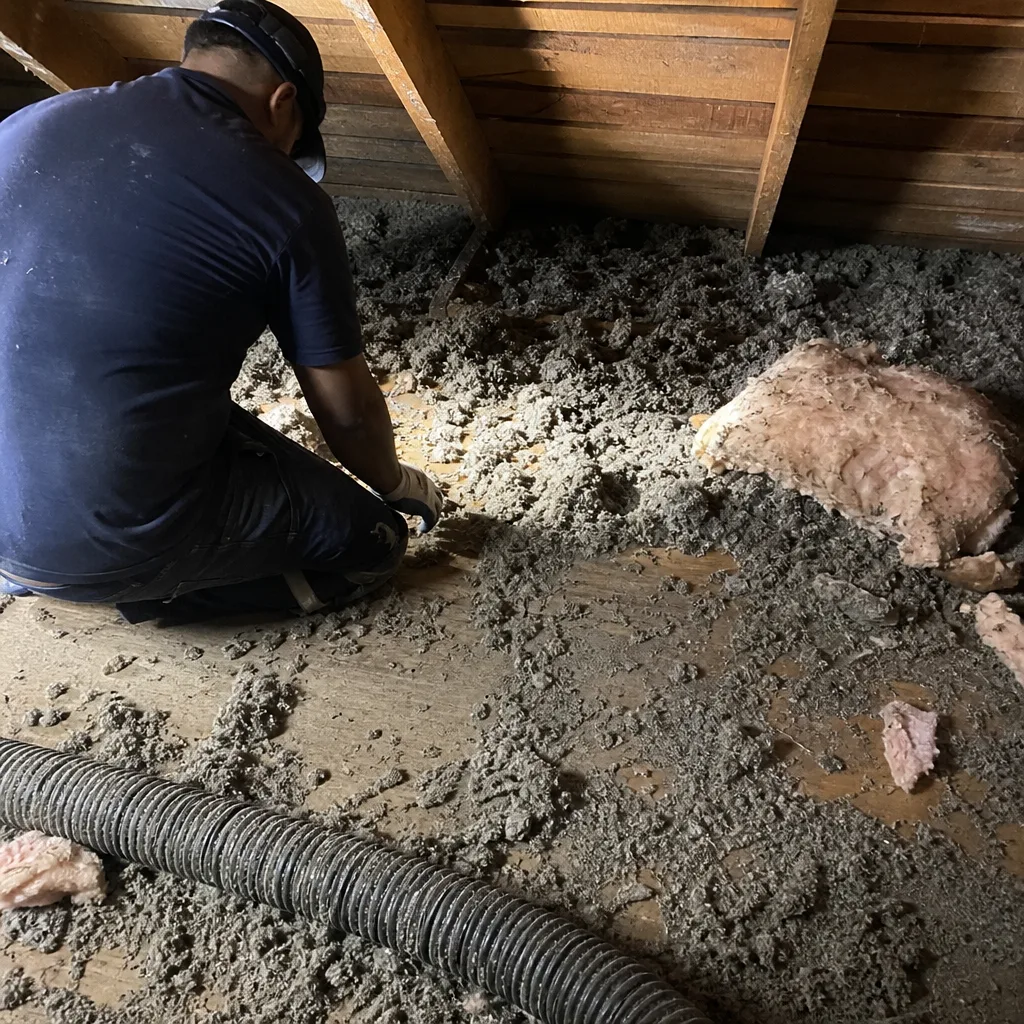 Before
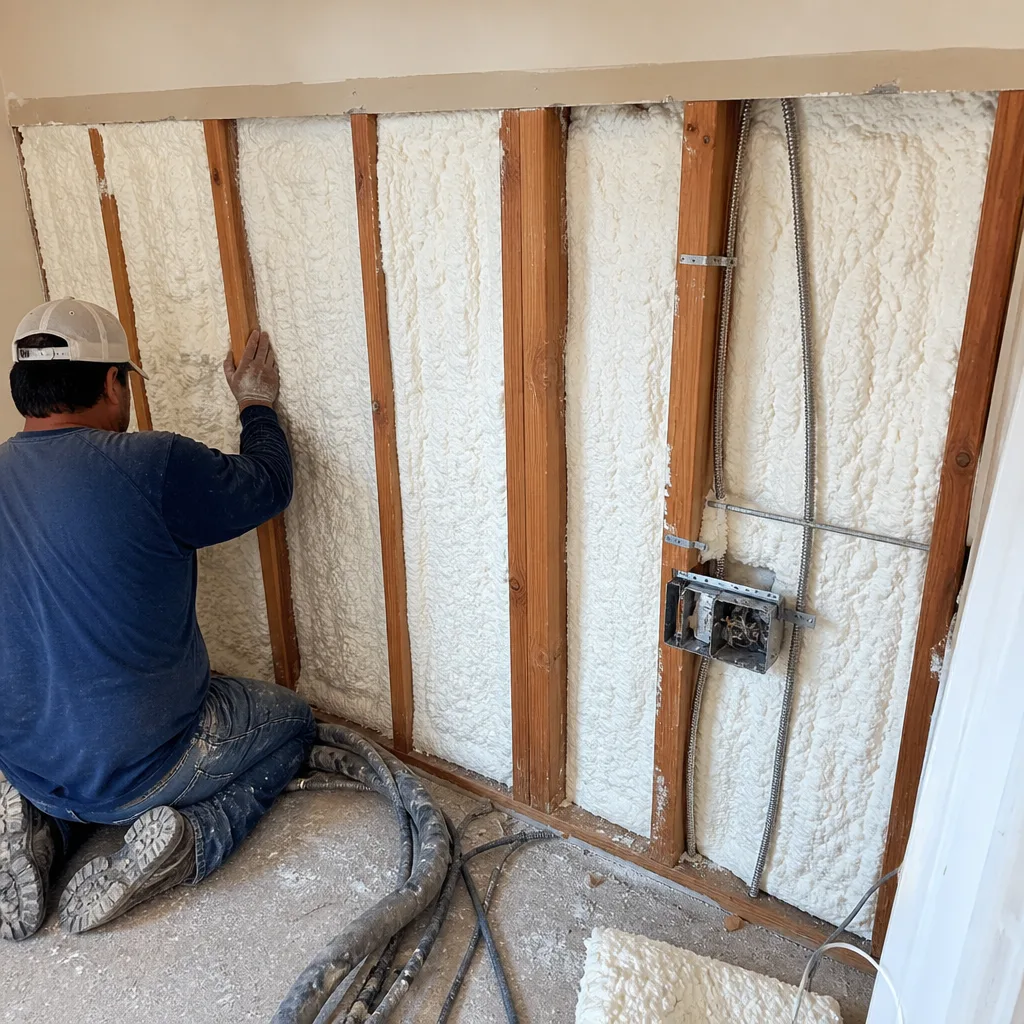 After
AfterWhat Johns Manville Wall Insulation Costs in Converse
Wall insulation pricing depends on cavity accessibility, existing material removal, and whether we’re working from inside or outside. For Converse homes, here’s what most jobs look like:
| Job Type | Typical Range | What Moves the Price |
|---|---|---|
| Drill-and-fill exterior walls (empty cavities) | $2,400 - $4,200 | Wall area, siding type (vinyl vs. brick), two-story vs. single |
| Batt replacement (interior demo) | $1,800 - $3,500 | Drywall repair scope, electrical box relocation, vapor barrier condition |
| Soundproofing interior walls (SAFB or mineral wool) | $1,200 - $2,800 per wall | Wall height, stud spacing, whether resilient channel is added |
| Rigid board (basement/crawl perimeter) | $3,500 - $6,000 | Linear footage, excavation access, termite shield requirements |
| Removal of failed insulation + reinstall | Add 40-60% to base | Hazardous material testing, disposal fees, cavity cleaning |
These are real ranges for Converse - not teaser rates. A written price before any work starts is Haven Standard Clause 1, always. Call (830) 420-0953 for your specific estimate; there’s no charge for the visit.
Why Converse Homeowners Call Topside Attic Insulation Converse for Johns Manville Work
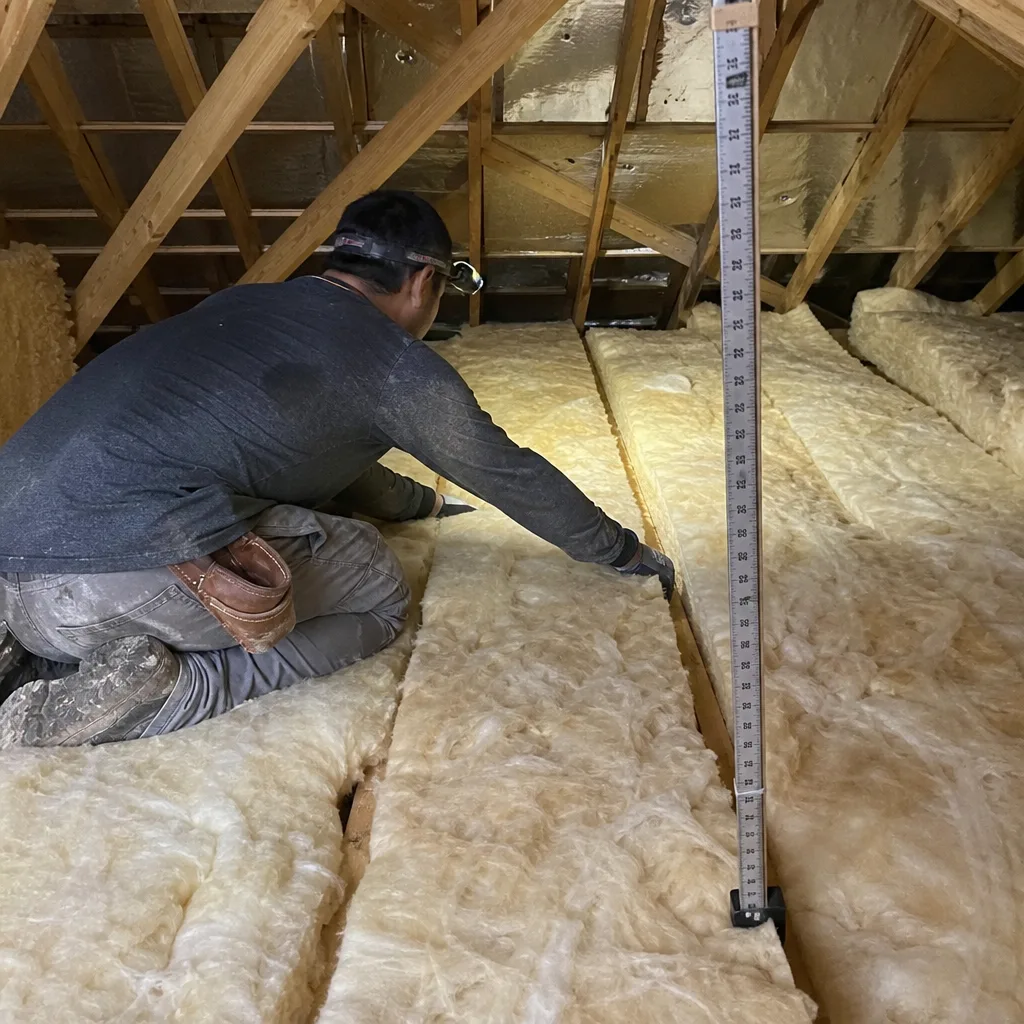
We’ve worked Johns Manville products in Converse long enough to know which batts were shipped with the old formaldehyde binder, which Spider lots had the early adhesion issues, and how the Texas humidity cycle affects each. Wes Okafor runs every job with the same standard: blower-door numbers before and after, photos you can scroll through, and a written warranty in your hand before the crew packs up. We’re an independent Johns Manville service provider - not affiliated with or authorized by the manufacturer - which means we source from JM, Owens Corning, Knauf, Rockwool, or others based on what your wall actually needs. If your Converse home has Reflectix radiant barrier that needs integration with new wall insulation, we handle that too. Live person answers the phone 24/7. The 365-Day Done Right Promise applies to everything we touch.
FAQs
No - wall insulation modifications don’t void Johns Manville’s product warranty, which covers manufacturing defects, not installation. As an independent Johns Manville service provider, we document our work separately so any future claim has clear boundaries between original material and our installation. Keep your documentation; you’ll need it if a defect ever surfaces. Call (830) 420-0953 if you want us to review your existing warranty paperwork before we start.
Most Converse appointments are scheduled within 48 hours of your call, and standard drill-and-fill jobs finish in one day. Interior gut-and-replace work typically runs two to three days depending on drywall repair scope. Emergency situations - like insulation saturated from a pipe leak - get same-day assessment. Call (830) 420-0953 to check current availability; a live person answers 24/7.
Repair is rarely worth it. Once fiberglass or mineral wool has compressed or sagged, the fiber structure doesn’t recover - adding new material on top creates density mismatches and hidden voids. Full removal and reinstall costs 40-60% more than a clean install, but it’s the only way to get the rated R-value and a valid warranty on our work. We’ll show you the thermal imaging so you can see exactly what’s failing before you decide.
We carry standard JM batts, Spider blow-in, and common SAFB densities on our Converse trucks. Specialized rigid board or high-density mineral wool for commercial STC ratings may need a two-day pull from the San Antonio distribution warehouse. We tell you during the estimate visit what’s in stock and what isn’t - no surprises after you’ve signed the scope.
We can match the product type and specified R-value, but we won’t guarantee identical appearance - manufacturing dye lots change, and aged fiberglass yellows differently than new. For performance, the match is exact. For aesthetics in an open wall application, we’ll note the variance in writing before we start. If you’re picky about visual consistency, we often recommend doing the full wall or switching to a deliberately different product so the contrast looks intentional.
Written by Wes Okafor, Owner & Lead Insulation Technician, Topside Attic Insulation Converse at Topside Attic Insulation Converse, serving Converse and nearby areas.