
Owens Corning Radiant Barrier Installation: The Converse Owner’s Guide
Owens Corning radiant barrier installation in Converse typically runs $1,800-$3,400 for a 1,500-2,500 sq ft attic, including material, labor, and air-sealing prep. Most Converse homes we see in the 78109 zip and along FM 78 corridor can be completed same-day once the attic floor is sealed. Homeowners usually notice the problem when their upstairs bedrooms won’t cool below 78°F even with the AC running flat out, or when they spot the original foil barrier flaking apart during a ductwork inspection.
Which Owens Corning Models This Applies To
Owens Corning doesn’t sell radiant barrier as a standalone branded kit the way they sell fiberglass batts. What we install are Owens Corning-compatible systems: the Atticat blown-in fiberglass jobs where radiant barrier is specified as a companion layer, and retrofits in homes originally insulated with OC Pink Panther batts where the builder stapled generic foil to the rafters and called it done. The compatibility gotcha is rafter spacing. Owens Corning foil-faced products are engineered for 24-inch on-center rafters, but Converse tract homes from the 1990s, especially the ranch builds near Woodlake and Live Oak, were framed 16-inch OC. That mismatch leaves gaps at the edges where heat bleeds through. We measure every bay before cutting. The OEM-vs-aftermarket question is straightforward for this material: Owens Corning doesn’t manufacture a proprietary radiant barrier membrane, so we source perforated, double-sided aluminum foil from the same supply chain OC contractors use, rated ASTM C1313 for emissivity below 0.05. You’re not sacrificing brand match because there isn’t one to match.
Signs Your Owens Corning Radiant Barrier Installation Is Failing
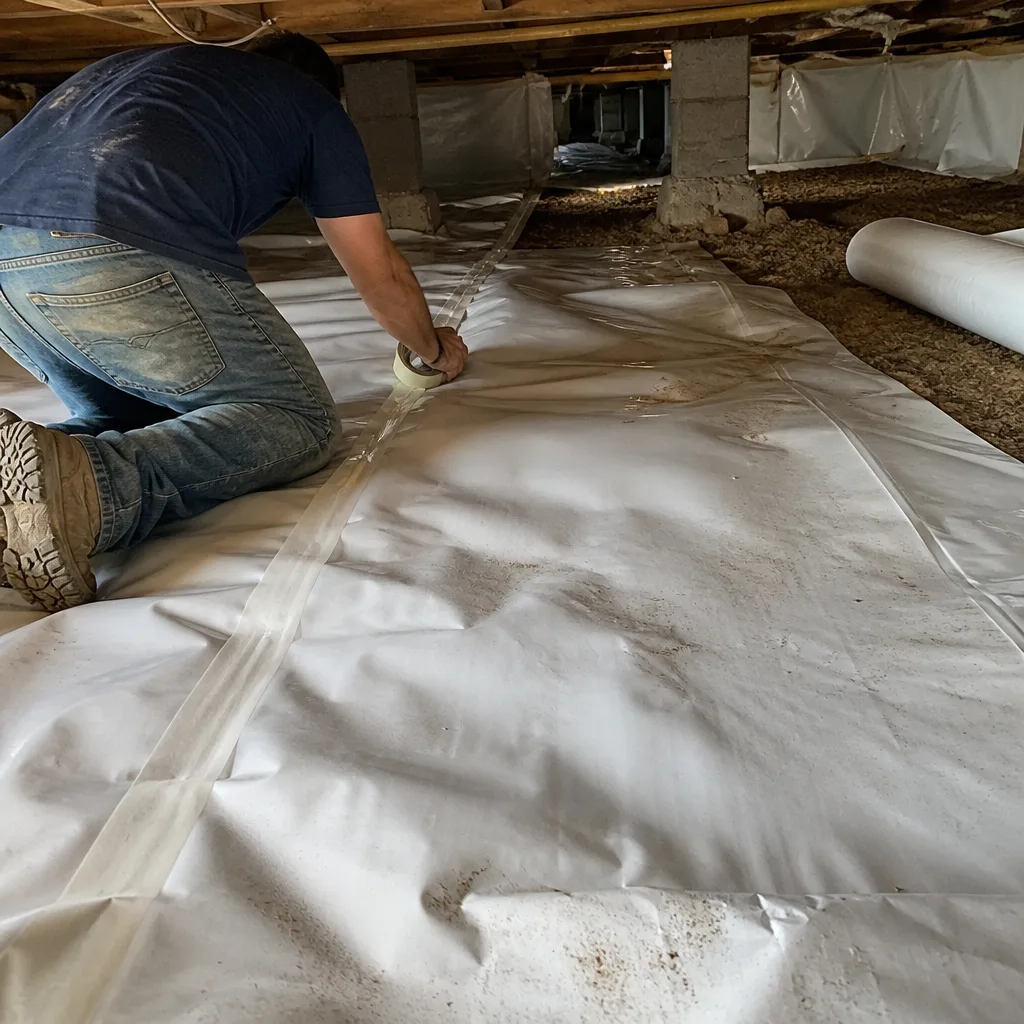
- Upstairs rooms lag 8-12 degrees behind the thermostat setting. The radiant barrier’s aluminum surface has oxidized or collected dust, pushing its emissivity above 0.20. At that point it’s reflecting less than half the roof-deck heat it was designed to block, and your ductwork in the attic is fighting a losing battle.
- Foil visible from the attic hatch is torn, flapping, or blackened. Converse wind events in spring 2024 pulled staples through the OSB on several homes we serviced near Converse North. Once the foil tears, it channels air like a sail instead of lying flat against the rafter bay. Blackening usually means a roof leak tracked along the foil underside, a common issue where original builder-grade stapling left puncture points.
- AC compressor runs 45+ minutes per cycle in July. Before-and-after blower-door numbers we’ve recorded on Converse jobs show unsealed attics with degraded radiant barriers pulling 4,000+ CFM50. The AC isn’t broken; the envelope is hemorrhaging.
- Insulation on the attic floor is flattened or discolored directly below foil gaps. Heat punching through a failed barrier spot-cooks the fiberglass beneath it, breaking down the binder and creating a compressed trail you can trace from below.
- Your summer electric bill jumped 20% year-over-year with no rate change. We pull CPS Energy interval data when homeowners have it. A failed radiant barrier shows as a flat, high demand curve between 2 PM and 7 PM, exactly when roof-deck temperatures in Converse hit 140°F-plus.
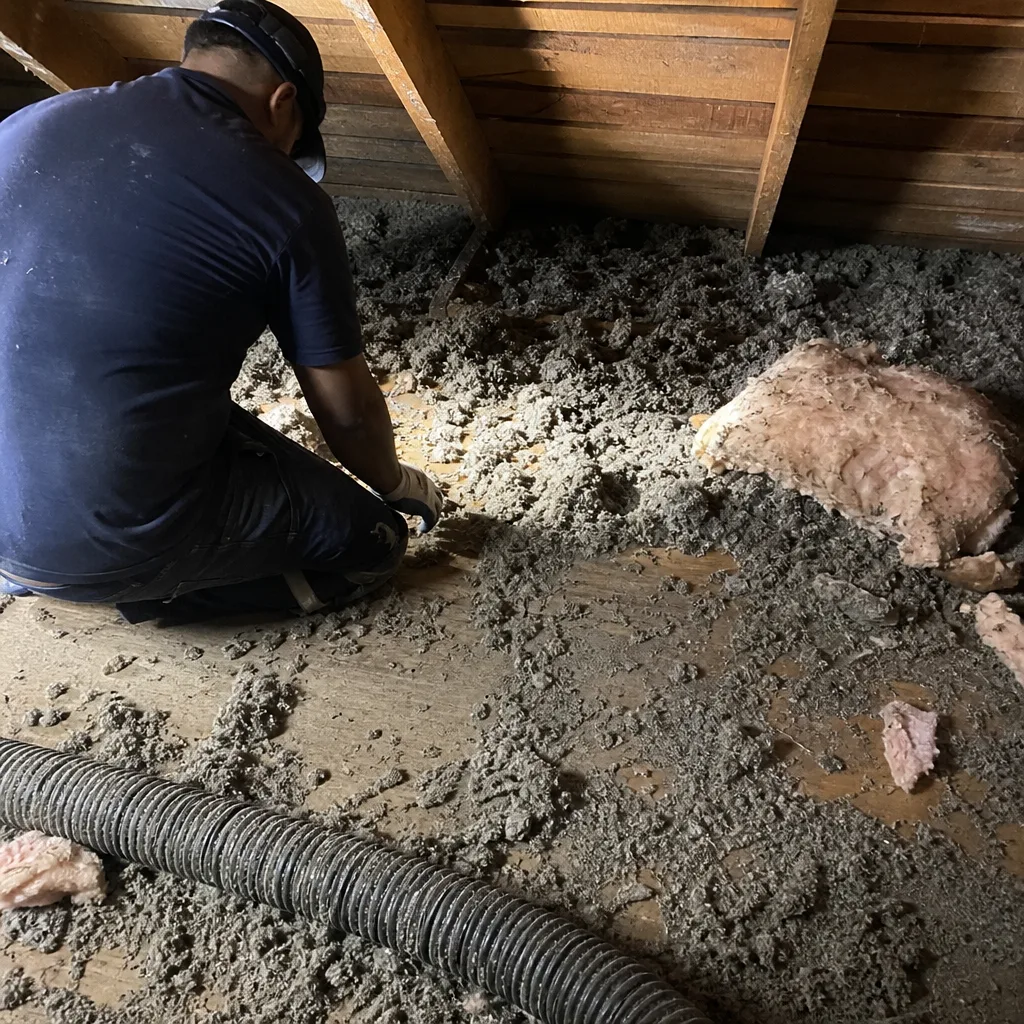 Before
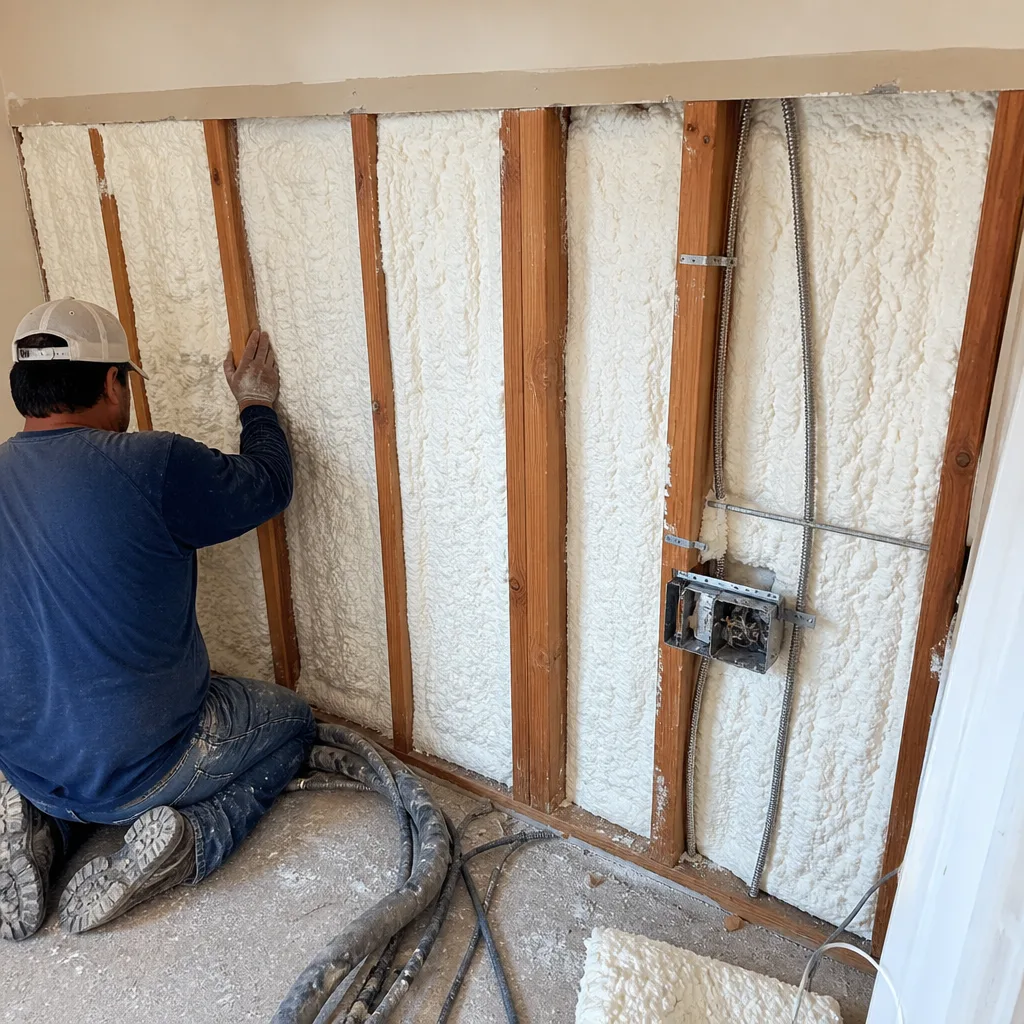 After
AfterReplacement Cost & What’s Included
Most Owens Corning-compatible radiant barrier installations in Converse fall between $1,800 and $3,400. The spread depends on three factors we measure during our free estimate: attic square footage, whether the existing foil needs removal (tacked staples vs. adhesive-backed failure), and the condition of the air seal beneath it. A 1,800 sq ft attic with intact but oxidized foil and unsealed top plates runs toward the higher end because we pull the old material, seal every penetration with fire-rated caulk and rigid foam, then install new perforated barrier with cap staples on 12-inch centers. The price includes material, labor, our Documented Photo Record, and before-and-after blower-door readings on every job. Under our 365-Day Done Right Promise, if the post-install CFM50 doesn’t improve or the upstairs temperature delta doesn’t shrink, we return and fix it. We are an independent service provider, not affiliated with Owens Corning.
DIY or Call Us?
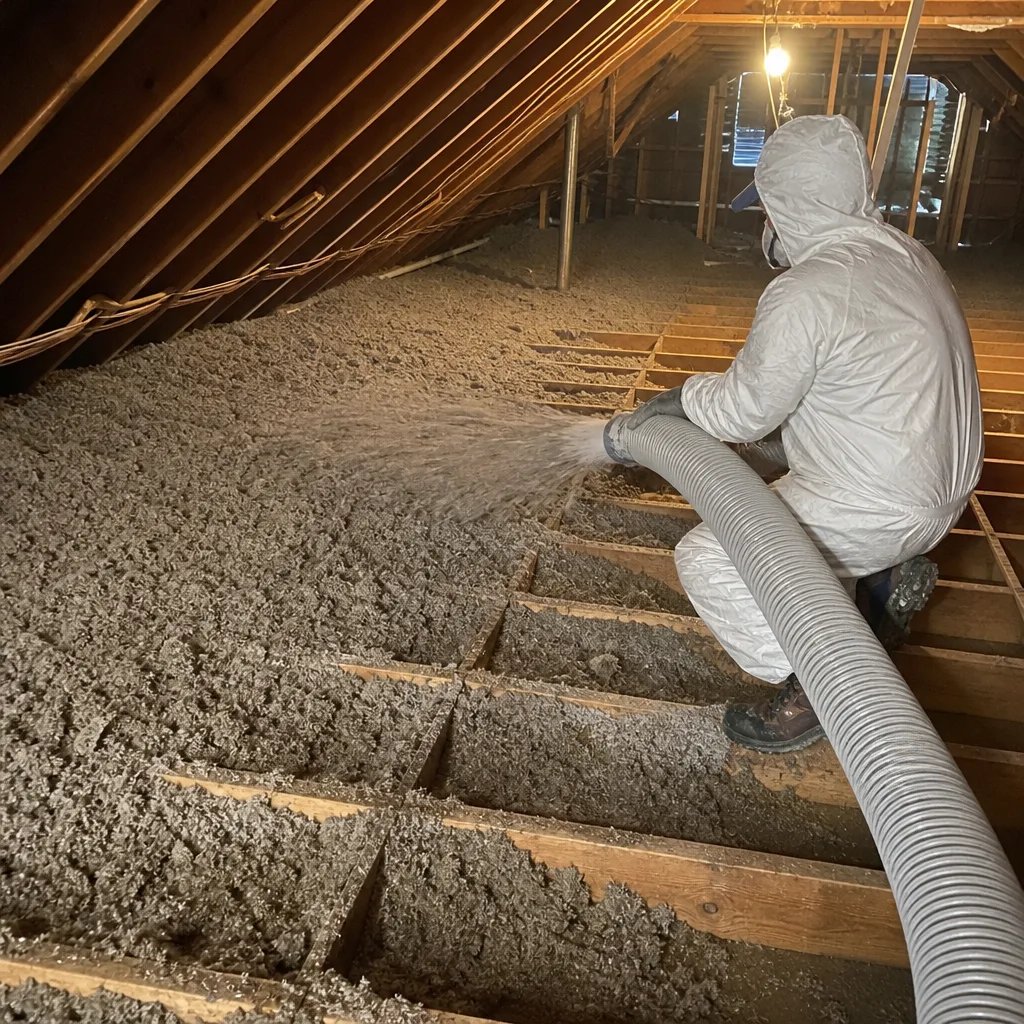
There’s nothing inherently dangerous about radiant barrier material itself, unlike high-tension garage door springs or live electrical work. The hazard is the attic environment in a Converse July: 130°F-plus deck temperatures, limited egress, and the temptation to cut corners on air sealing because it’s miserable up there. What a homeowner can safely check is the attic hatch condition, visible foil integrity from the access point, and whether their insulation is flattened in trails. Where DIY goes wrong is assuming new foil over an unsealed attic floor fixes anything. We’ve seen homeowners in the Schertz-Converse corridor spend a Saturday stapling barrier while conditioned air still whistled through unsealed can lights and top-plate gaps. The numbers will tell you if it worked, but only if you own a blower door and know how to run it. Most don’t. For a written price before any work starts and a crew that seals first, then insulates, call (830) 420-0953.
FAQs
Perforated aluminum radiant barrier in Converse attics typically performs for 15-25 years before oxidation or dust accumulation degrades emissivity. The lifespan shortens if the original install used non-perforated foil, which traps moisture and accelerates corrosion in our humid shoulder seasons. Call (830) 420-0953 for an attic inspection and exact condition report.
Spot repairs work only for isolated tears in otherwise clean, well-adhered foil. If the barrier is oxidized, dust-coated, or was installed without proper air sealing beneath it, partial patching wastes money because the underlying thermal bypass remains. We evaluate this during our free estimate and show you the photo evidence. Call (830) 420-0953 to schedule.
Most Converse residential attic radiant barrier installations, including air-sealing prep, are completed in one working day. Homes over 3,000 sq ft or with extensive old-foil removal may extend into a second morning. We give you a written schedule with the written price before anyone starts. Call (830) 420-0953 for availability.
Yes. We carry perforated double-sided aluminum barrier rated ASTM C1313, plus the cap staples, fire-rated sealants, and rigid foam needed for proper air-sealing prep. For Converse calls, we can typically inspect and install same-week, often same-day if the attic is accessible and the scope is straightforward. Call (830) 420-0953 to confirm truck stock and schedule.
Topside Attic Insulation Converse also stocks and installs Reflectix radiant barrier systems for homeowners who prefer that product line.
Wes Okafor, who leads our crew, grew up on Chicago’s South Side and learned insulation fundamentals at Kennedy-King College’s building trades program before spending two decades applying that training in Texas attics. He’s tracked every Converse job in a dog-eared phone notebook, not for marketing, but because a thermal bridge caught on infrared explains more than a paragraph ever could. His rule: “Seal the leaks first. Then insulate. The numbers will tell you if it worked.”
Written by Wes Okafor, Owner & Lead Insulation Technician, Topside Attic Insulation Converse at Topside Attic Insulation Converse, serving Converse and nearby areas.