
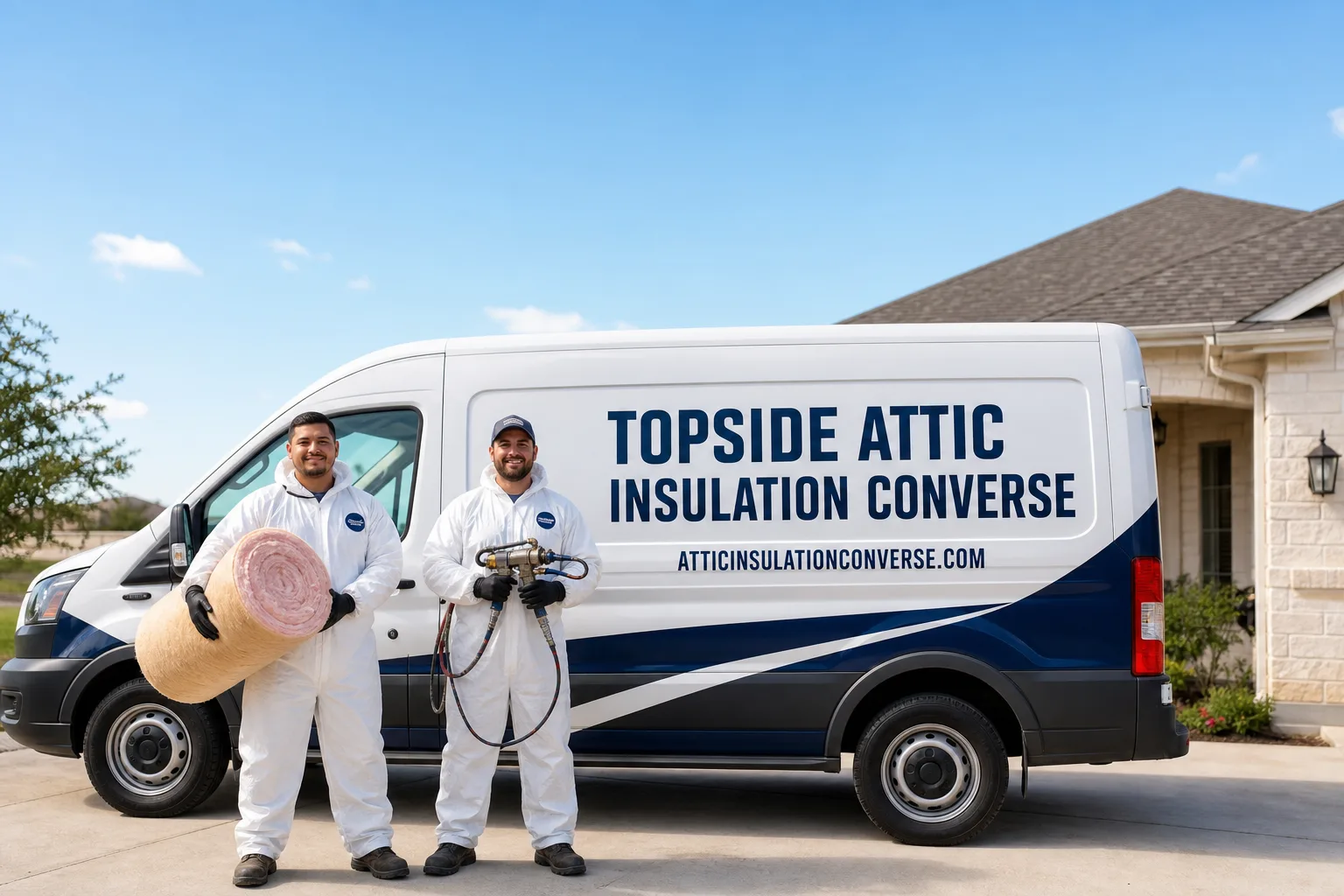
Trusted Home Energy Audit for Converse Homeowners
A Home Energy Audit in Converse typically costs $250-$650 depending on home size and testing depth, and most audits are scheduled within 48 hours with same-day report delivery. Our crew has performed envelope diagnostics on over 9,000 homes since 2016, and we publish before-and-after blower-door numbers on every job so you see the performance change you paid for. Call (830) 420-0953 to book - a live person answers 24/7, and your written price arrives before any work starts.
Converse sits on the edge of Bexar County’s blackland prairie clay, where summer humidity pushes 80% and winter cold snaps drop into the 20s. That swing puts stress on building envelopes that were never tested for air tightness. We’ve audited homes in Converse’s newer subdivisions near FM 1518 and in older pockets off Gibbs Sprawl Road where the original insulation has settled or been disturbed by roof work. The pattern we see: conditioned air leaking through top plates, can lights, and duct chases while the homeowner pays for attic insulation that was blown over gaps that should have been sealed first. Our home energy audit starts with a blower-door test - a pressurization reading that shows, in one number, how much air your building envelope is losing - so we know whether the problem is leakage, insulation performance, or both.
Wes Okafor has led Envelope Insulation Co. under The Haven Standard since 2016. Every audit includes a written scope, a Documented Photo Record, and flat pricing before anyone enters your attic. No exceptions.
What Our Home Energy Audit Service Includes
Blower Door Test
A blower door is a calibrated fan mounted in an exterior door frame that depressurizes your home to measure total air leakage. In Converse, where many homes were built during the 2000s-2010s construction boom with minimal air-sealing detail, we regularly see initial readings above 3,500 CFM50 on 2,000-square-foot homes. The test takes about 45 minutes and gives us a single figure we can compare against post-improvement results. We publish that before-and-after number on every applicable job so you have documented proof of the change.
You need this test if your HVAC runs constantly, if rooms stay uneven in temperature, or if your energy bills spike during August humidity surges. We perform the test following ASTM E779 standards using a Retrotec or Minneapolis Blower Door system, and we keep the equipment calibrated annually.
What we do specifically: we set up the blower door, run the depressurization protocol, then walk the house with a smoke pencil to locate the dominant leakage paths - typically around attic hatches, recessed can lights, and the top plates where interior walls meet the ceiling plane. We mark each location, photograph it for your record, and include it in the written scope with priority ranking.
Thermal Imaging Inspection
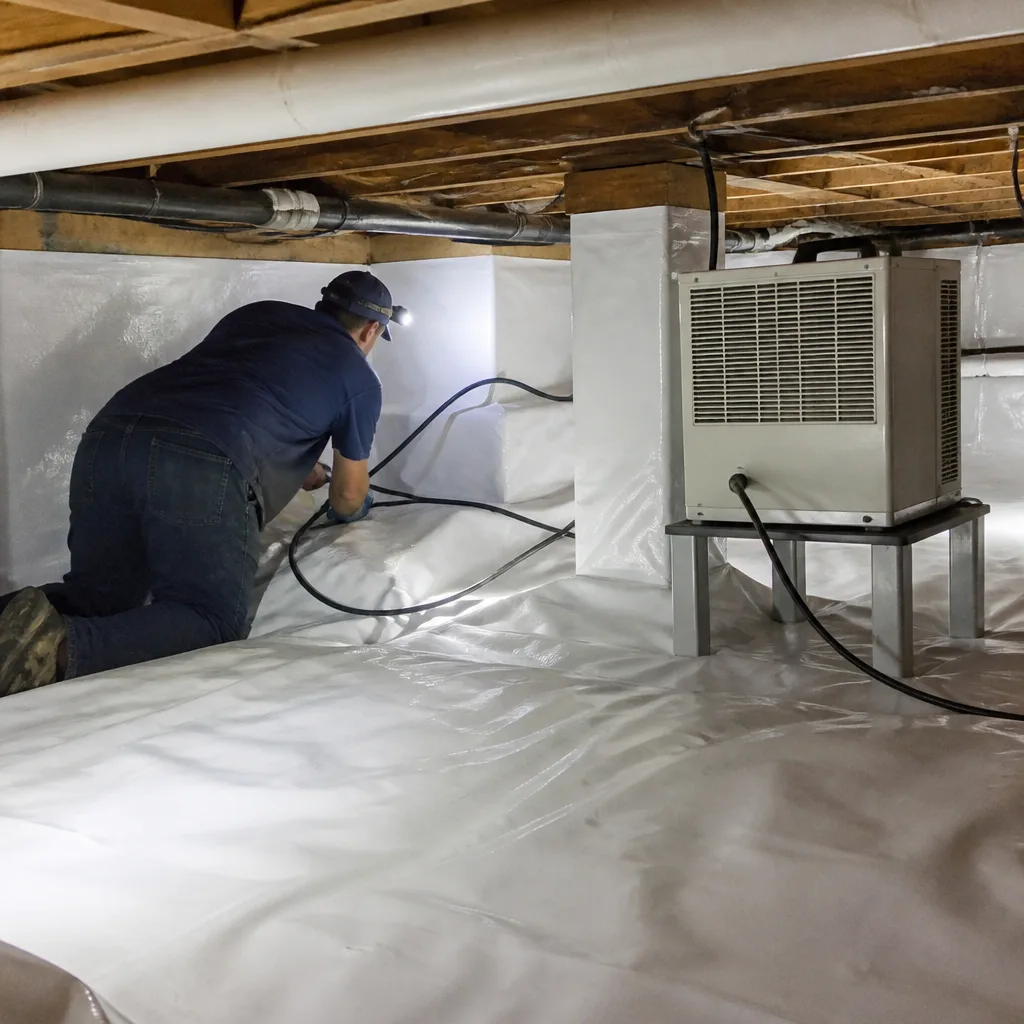
Thermal imaging uses an infrared camera to visualize surface temperature differences that indicate missing insulation, air leakage, or moisture intrusion. The camera doesn’t see through walls - it reads the surface temperature of drywall, siding, or roofing - and the patterns tell us where the thermal boundary is compromised.
You need this when you have rooms that won’t hold temperature, visible moisture staining, or if you’re considering insulation upgrades and want to know what’s actually in the walls. In Converse’s summer conditions, with 95-degree ambient temperatures and attic spaces pushing 140 degrees, thermal contrast is strong and the imaging is revealing.
What we do specifically: we run the thermal scan during or immediately after the blower-door test, when air movement exaggerates leakage patterns. We image every exterior wall, ceiling, and accessible floor boundary, then overlay the photos with visible-light references so you can locate each finding in your own home. The images go into your Documented Photo Record with annotations explaining what the color pattern means.
Insulation Inspection
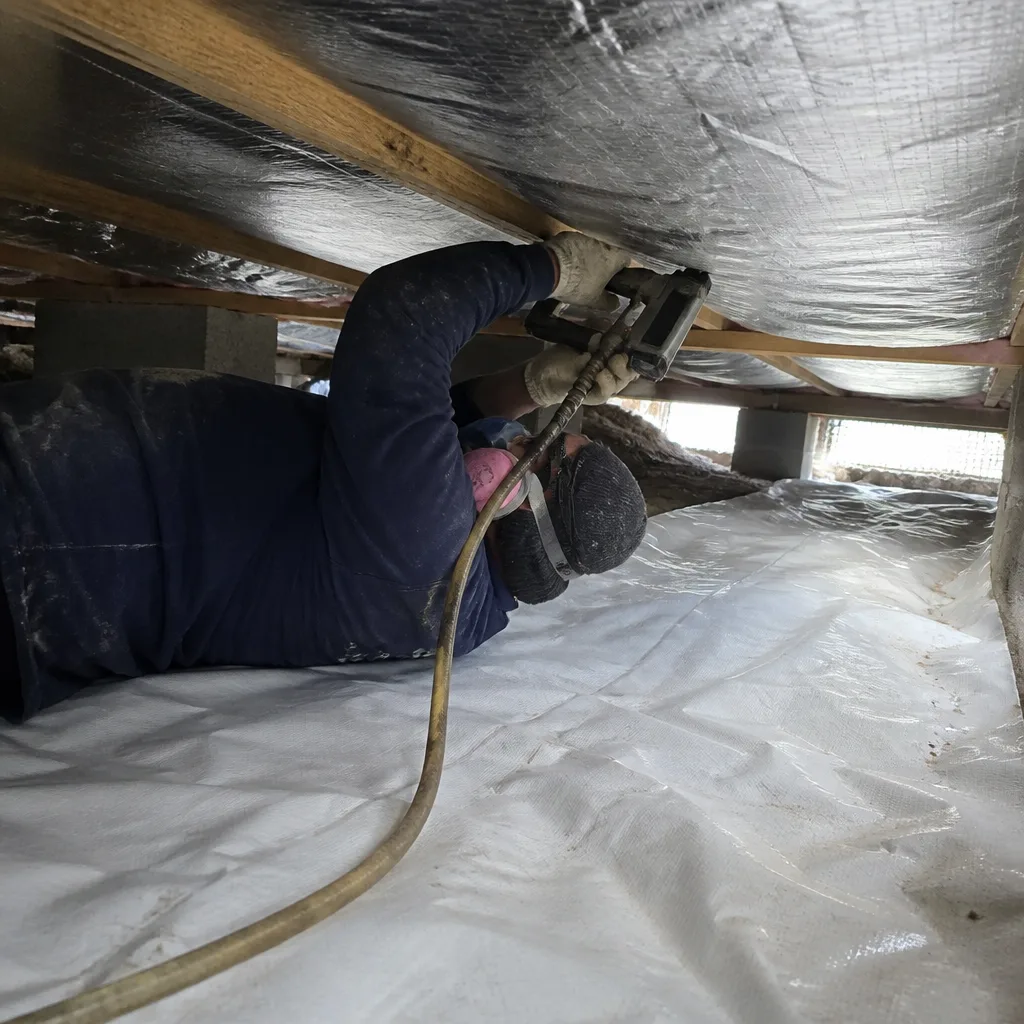
An insulation inspection assesses the type, depth, condition, and coverage of existing thermal insulation in attic, wall, and crawl space locations. In Converse, we find a mix of original fiberglass batts, blown cellulose from later upgrades, and in some newer homes, spray foam that may or may not have been applied at adequate thickness.
You need this if your home is over 10 years old, if you’ve had roof leaks or rodent activity, or if you’re comparing bids for insulation work and want to know what you’re starting with. Insulation that’s compressed, water-stained, or displaced by wiring or ductwork isn’t performing to its rated R-value.
What we do specifically: we measure insulation depth at multiple points using a ruled probe, identify the material type (fiberglass, cellulose, mineral wool, foam), check for gaps and compression, and photograph representative conditions. For attic spaces, we map the coverage against the conditioned footprint below so you can see where thermal protection is complete and where it’s not. We note any signs of prior rodent activity, moisture damage, or improper installation that would affect our recommendation.
Duct Leakage Test
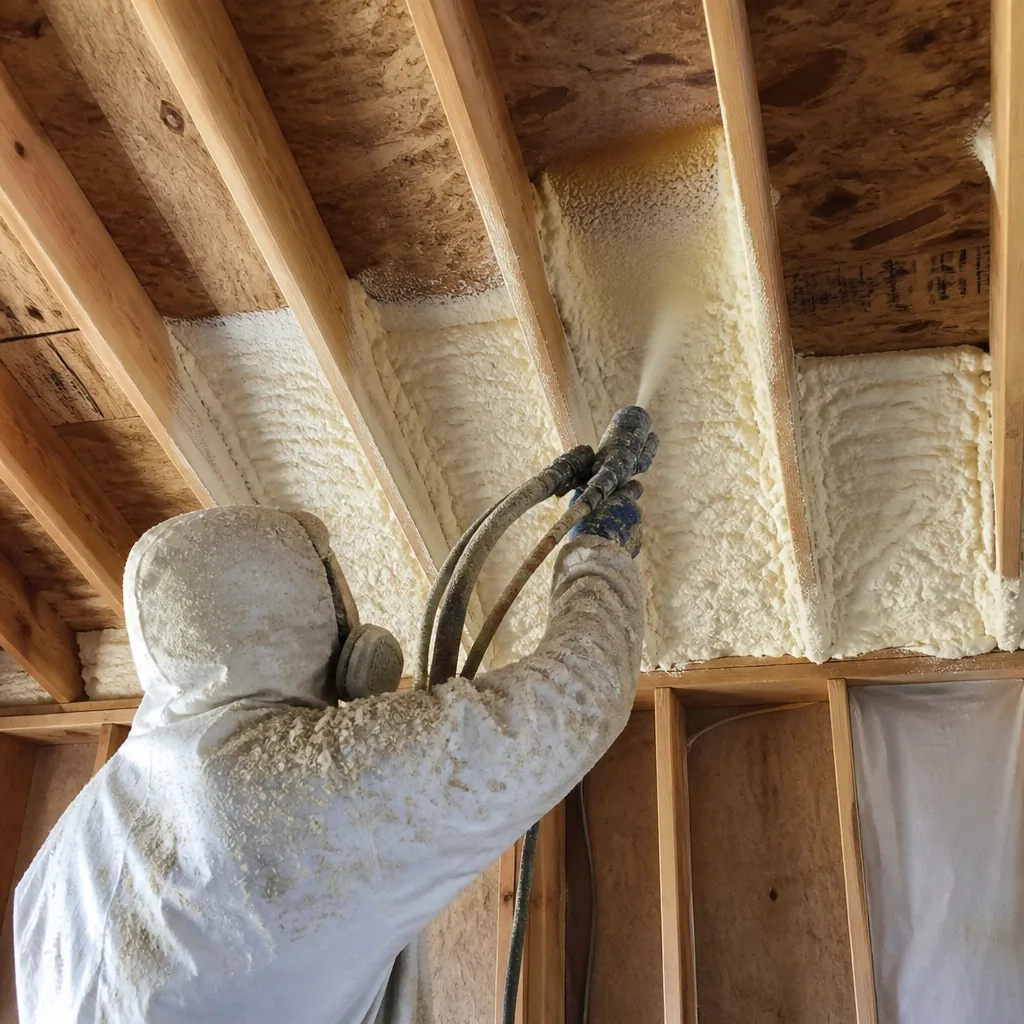
A duct leakage test pressurizes your HVAC duct system to measure how much conditioned air escapes before reaching your rooms. In Texas homes with attic ductwork - the majority in Converse - leakage rates of 20-30% are common, meaning you’re paying to cool your attic instead of your living space.
You need this if your utility bills are high despite reasonable thermostat settings, if certain rooms never get adequate airflow, or if your ducts run through an unconditioned attic or crawl space. The test is required by Texas energy code for new construction and is strongly recommended before any HVAC replacement.
What we do specifically: we seal the supply and return registers, connect a calibrated fan to the air handler, and measure leakage at 25 Pascals of pressure. We distinguish between leakage to the outside (the attic or crawl space, which costs you money) and leakage to the inside (between walls, which is less consequential). The result is expressed as a percentage of system airflow and as absolute CFM leakage. We include this number in your written report with a priority ranking relative to the other findings.
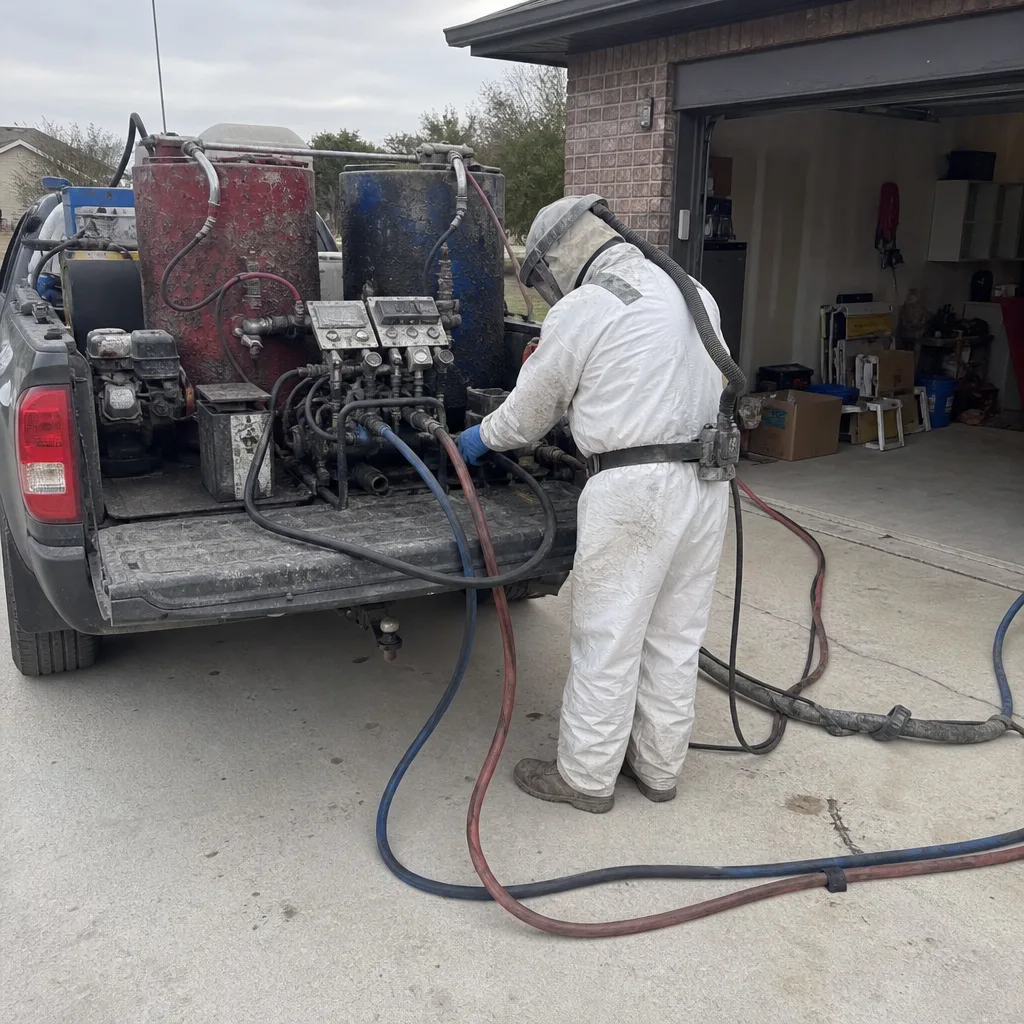
What happens when you call
- 1
A real person answersNo phone trees - you reach a local pro.
- 2
You get an upfront price rangeHonest numbers before anyone is dispatched.
- 3
A background-checked tech heads outLicensed & insured, dispatched right away.
- 4
You approve before work beginsNothing starts until you say go.
Brands We Service for Home Energy Audit
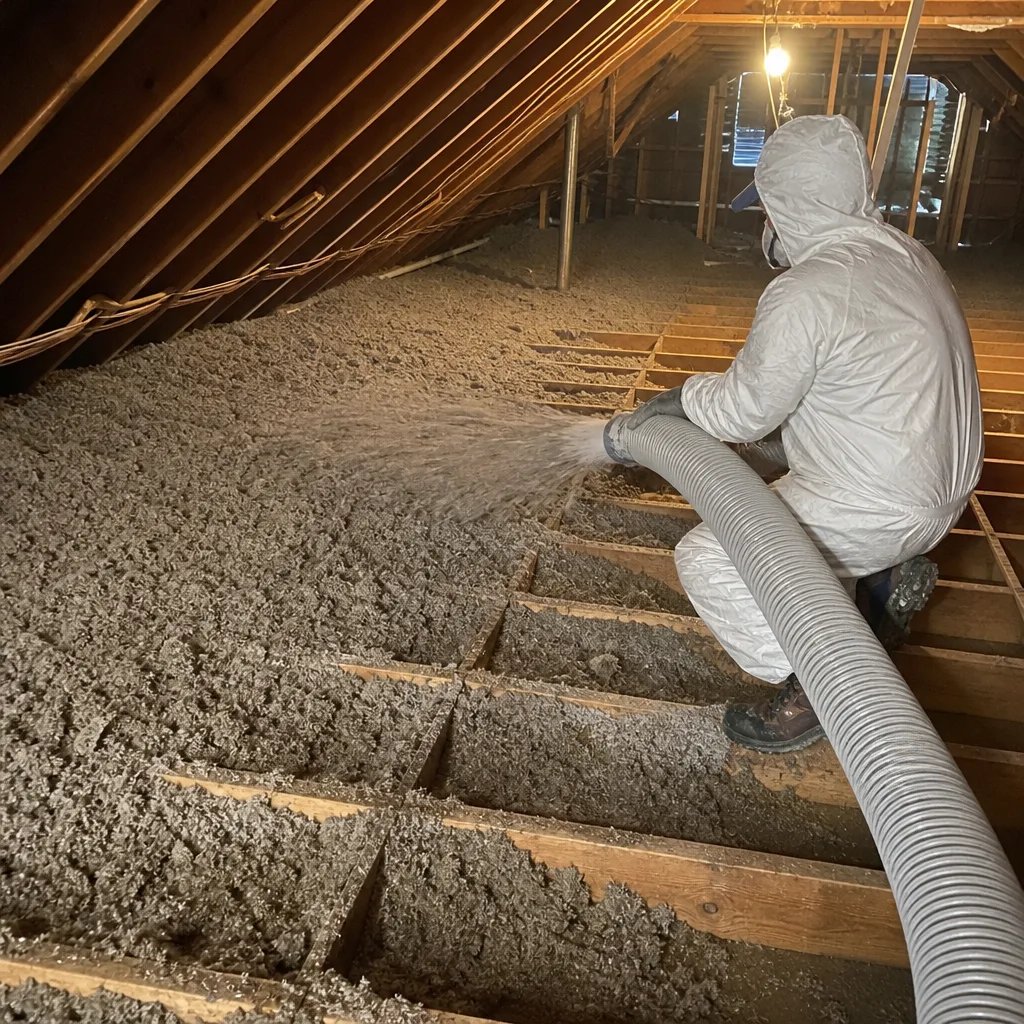
We’ve worked with insulation and air-sealing materials from Owens Corning, Johns Manville, and Knauf on hundreds of Converse-area homes. Owens Corning’s blown fiberglass and ProCat systems are common in local production builds from the 2010s, and we know how to assess whether the original installation depth matches the labeled R-value. Johns Manville’s Spider blown-in fiberglass and mineral wool batts appear in custom homes and retrofits where fire resistance or moisture tolerance is a priority - we inspect for proper density and coverage, particularly around complex roof geometries. Knauf’s EcoSeal water-based elastomeric sealant and Jet Stream blown fiberglass are products we’ve specified for air-sealing-first jobs where the blower-door target is aggressive.
Whether your home was built with GreenFiber cellulose, Owens Corning fiberglass, or any other material make, we can assess its current condition and specify what needs to change. We don’t sell proprietary products and we don’t lock you into a single brand. Our audit report names the material, the installation problem, and the fix - you decide who does the work, and we’ll provide a Free Second Opinion on any written estimate you bring us.
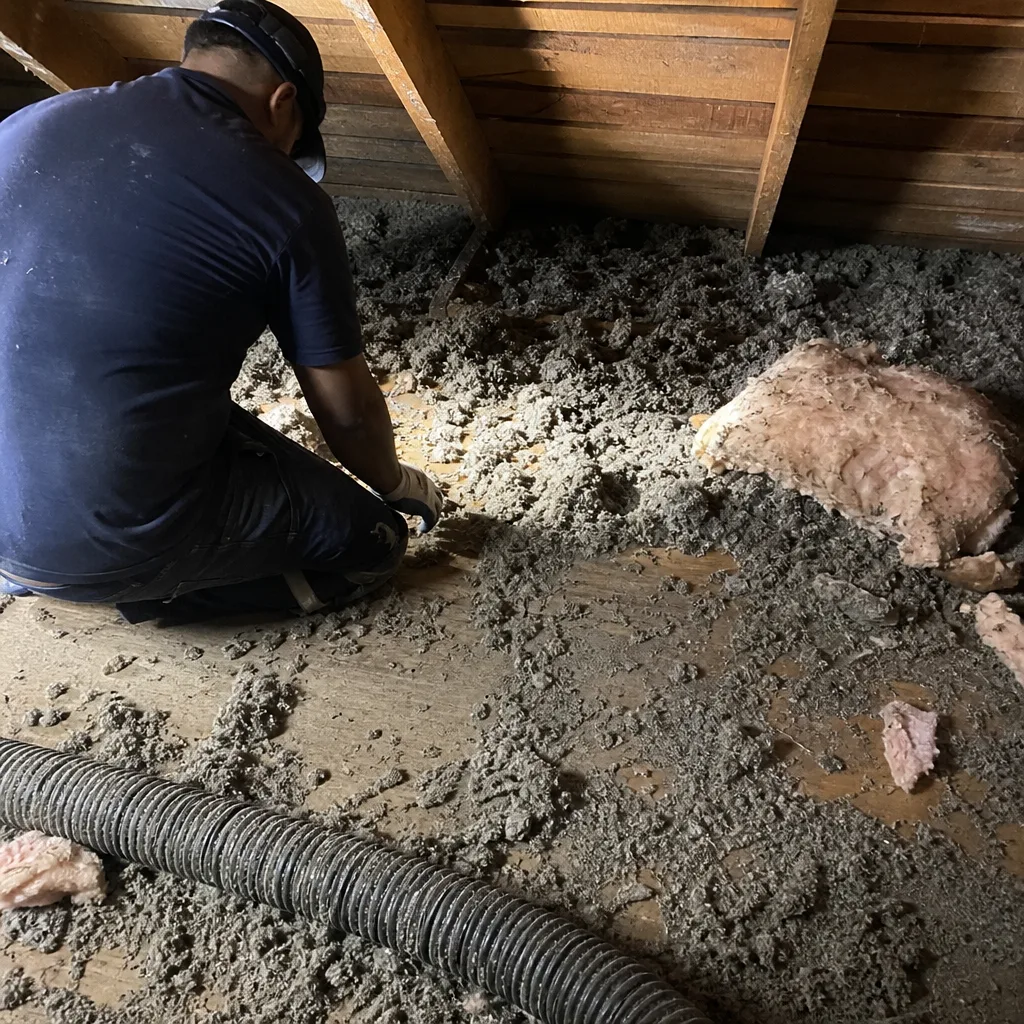 Before
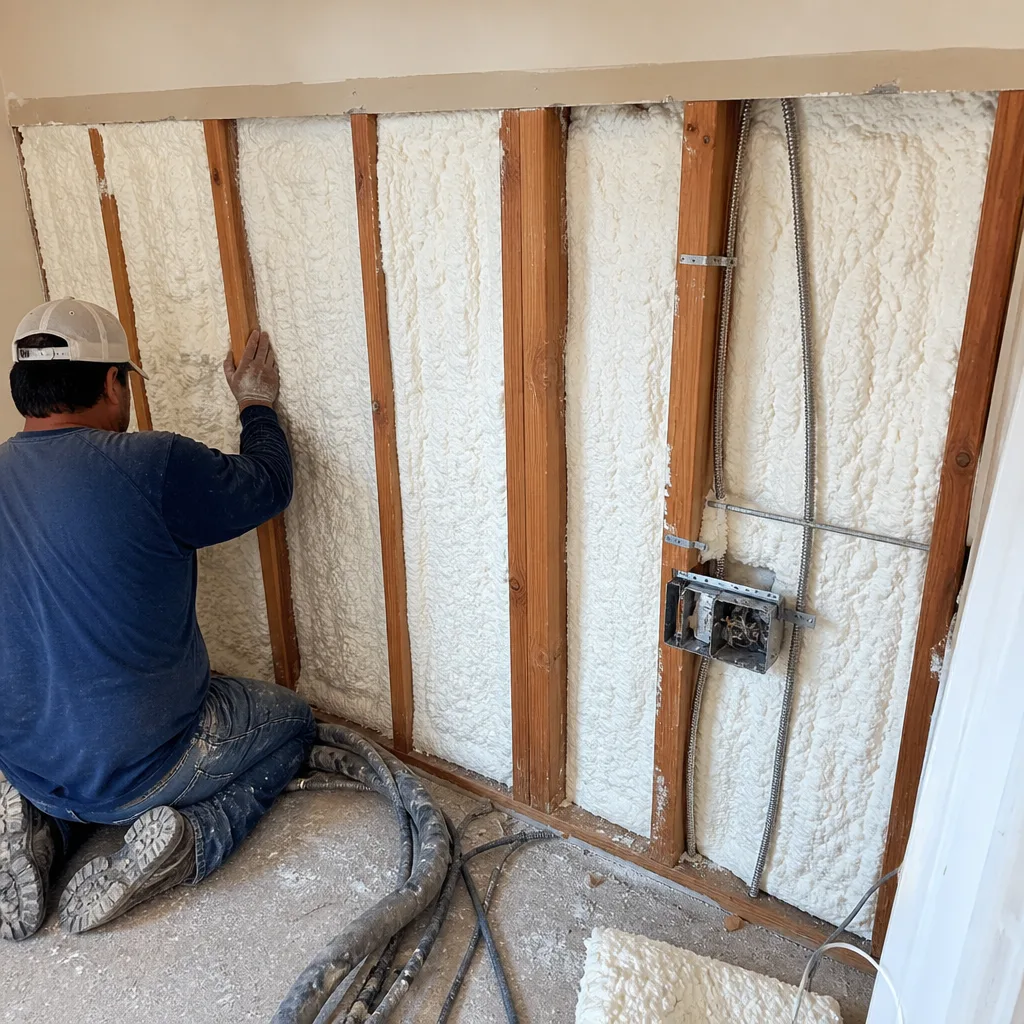 After
AfterSigns You Need Home Energy Audit Right Now
- Your August electric bill exceeds $300 for a home under 2,500 square feet. In Converse, where CPS Energy rates combine with extended cooling seasons, that figure suggests your HVAC is working harder than it should. The cause is usually a combination of duct leakage, attic air infiltration, and insulation that’s been compromised by heat and moisture cycling. An audit isolates which factor dominates so you’re not paying for insulation when sealing would have solved it.
- Rooms on the west side of your home stay 5+ degrees warmer than the thermostat setting after 4 PM. This isn’t necessarily an HVAC sizing problem. In homes we’ve audited near Converse’s Woodlake and Valley Hi areas, the issue was often missing insulation over dropped soffits or unsealed top plates allowing attic air to wash down interior wall cavities. Thermal imaging finds the path; the blower door quantifies how much air is moving.
- You can feel air movement around electrical outlets on exterior walls. That draft is outdoor air entering through the wall assembly, typically because the exterior sheathing wasn’t sealed to the top plate during construction and the insulation batt doesn’t block airflow. It’s a common finding in Converse homes built 2005-2015, and it means your conditioned air is escaping at the same rate. The blower-door test puts a number on that exchange.
- Your attic insulation looks uneven, disturbed, or has dark staining. Dark streaks on fiberglass indicate air filtration - the insulation is acting as a filter as attic air moves through it. Uneven depth suggests settling, compression from foot traffic, or prior work that didn’t restore coverage. We measure, photograph, and map what’s there so you know whether replacement, supplementation, or just air sealing is the right next step.
- Your HVAC technician has suggested a larger unit without testing the envelope. Oversizing is one of the most expensive mistakes in Texas home performance. A unit that’s too large short-cycles, dehumidifies poorly, and wears out faster. Before you spend $8,000-$15,000 on new equipment, a $400 audit tells you whether your existing unit would perform adequately with proper sealing and insulation. We’ve seen 3-ton systems replaced with 4-ton units when the real problem was 30% duct leakage to the attic - a fix that costs a fraction of replacement.
Our Home Energy Audit Process - Step by Step
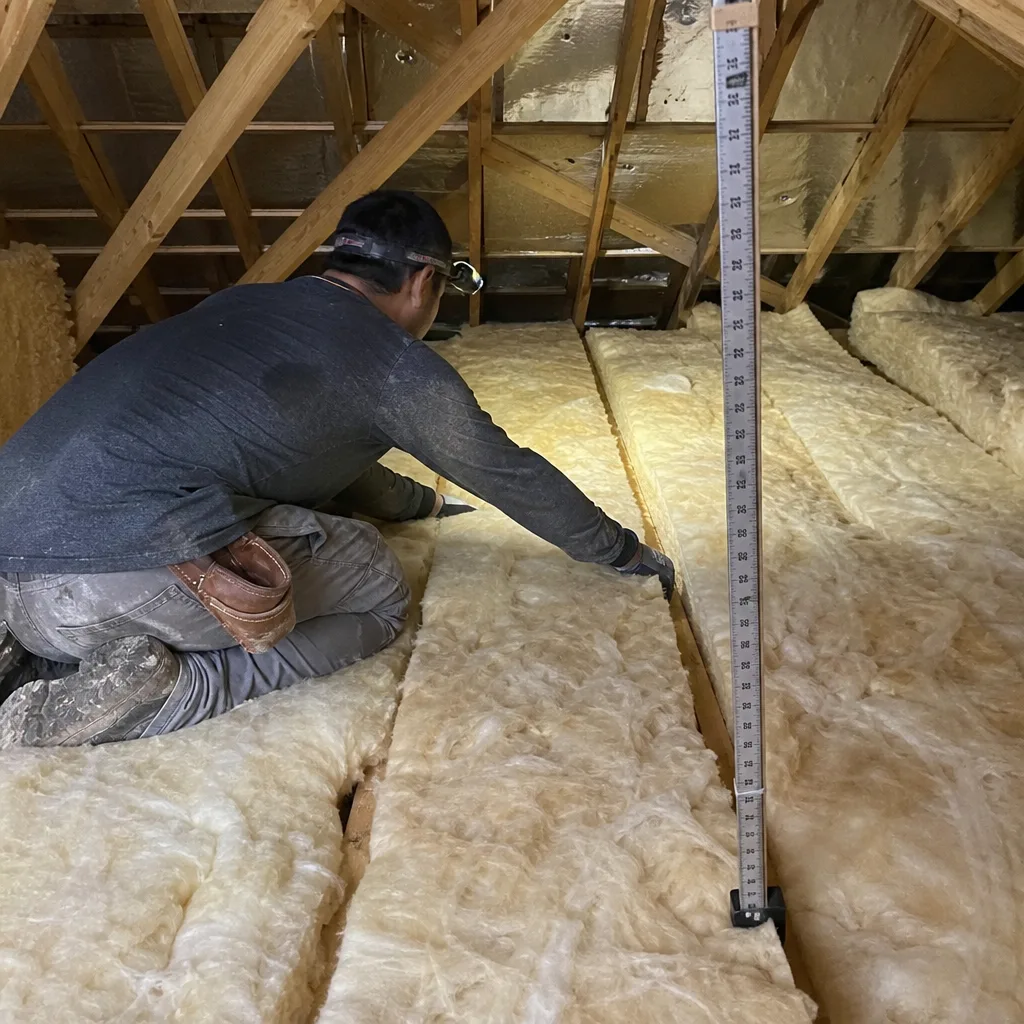
- 1
Schedule and confirm. Call (830) 420-0953 and a live person picks up, 24/7. We ask about your home’s age, size, and the specific symptoms you’re seeing. We schedule the audit, send a confirmation with your technician’s name, and text when they’re en route. Under Haven Standard: Arrive on schedule, you get a named technician and a text when they are on the way.
- 2
Walkthrough and interview. The technician arrives in uniform, introduces themselves, and walks the home with you. We want to know which rooms are problematic, whether you’ve had roof leaks or prior insulation work, and what your utility bills look like seasonally. This takes 15-20 minutes and shapes what we emphasize during testing.
- 3
Blower-door testing and diagnostic imaging. We set up the blower door, run the depressurization test, and record the CFM50 reading. Then we run the thermal camera and smoke pencil to locate and document leakage paths. For homes with attic ductwork, we perform the duct leakage test. The combined testing takes 90-120 minutes for a typical 2,000-square-foot home.
- 4
Photo documentation and preliminary findings. Before we pack up, we show you the thermal images and explain what we’re seeing. We point out the priority issues - the ones affecting your comfort and bills most directly - and answer questions. Nothing is sold at this stage; the written report comes next.
- 5
Written report and scope delivery. Within 24 hours, you receive a Documented Photo Record with annotated thermal images, blower-door and duct-leakage numbers, insulation depth measurements, and a written scope of recommended work with flat pricing. If you have competing estimates, bring them in - we provide a Free Second Opinion on any written estimate. The 365-Day Done Right Promise applies to any work we perform.
How Much Does Home Energy Audit Cost in Converse?
A standard home energy audit for a single-family home in Converse runs $250-$450 for homes under 2,500 square feet, and $400-$650 for larger homes or those requiring extended duct-leakage testing; see how much Home Energy Audit costs for details. The base audit includes blower-door testing, thermal imaging, insulation inspection, and a written report with photos. Adding a full duct-leakage test typically adds $150-$250, and homes with multiple HVAC zones or complex attic configurations may fall at the higher end of the range.
Several factors move the price within that range. Home size is the most straightforward - more square footage means more surface area to image and more registers to seal for duct testing. Accessibility matters too: a 12/12 pitch roof with a small hatch takes longer to enter and inspect than a walk-up attic with permanent stairs. The age and condition of the home affects testing time - older homes with multiple additions or prior DIY work often have more anomalies to investigate and document. And the scope of testing you choose determines the final figure; we always quote the full menu and let you decide whether to include duct leakage testing or focus on the envelope first.
To avoid overpaying, get the scope in writing before anyone starts. Some providers in the Converse market advertise low audit fees but charge separately for the thermal imaging or deliver a generic checklist instead of site-specific findings. Our price includes the complete diagnostic package, the Documented Photo Record, and the written scope - no add-ons required to get actionable information. The audit fee is credited toward any insulation or air-sealing work you hire us to complete within 90 days.
What’s included in our free estimate: if you call (830) 420-0953 and describe your symptoms, we can often give you a preliminary price range over the phone based on home size and the testing you want. For complex situations, we’ll schedule a brief site visit at no charge to confirm the scope and deliver a written price. Estimates are always free, always written, and always delivered before any work starts - Haven Standard Clause 1.
Home Energy Audit Near Converse - Our Service Area
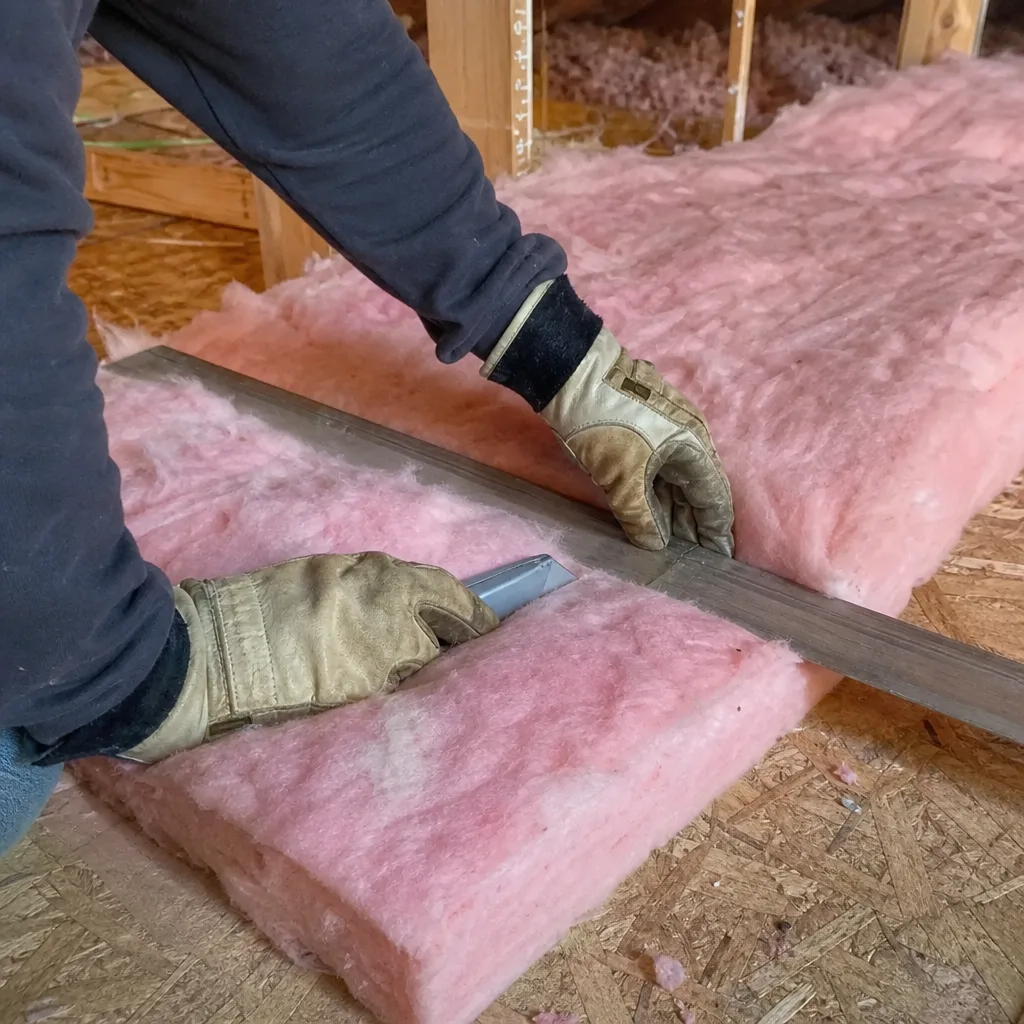
We perform home energy audits throughout Converse and the surrounding Bexar and Guadalupe County communities. Typical drive time to Universal City is 15 minutes, Live Oak 10 minutes, Schertz 20 minutes, Selma 25 minutes, Cibolo 30 minutes, and Windcrest 15 minutes. We also work in Kirby, Terrell Hills, Alamo Heights, Castle Hills, and the San Antonio metro core. If you’re in Universal City or Live Oak and considering whether to book with a Converse-based crew or wait for a closer appointment, our scheduling typically has next-day availability across this entire service area - call and we’ll confirm.
Serving Converse, TX - Our Local Coverage Area
We’re based in the Converse area and know this community well. Use the map below to see our service coverage - if you’re nearby, we can almost certainly help.
Frequently Asked Questions - Home Energy Audit in Converse
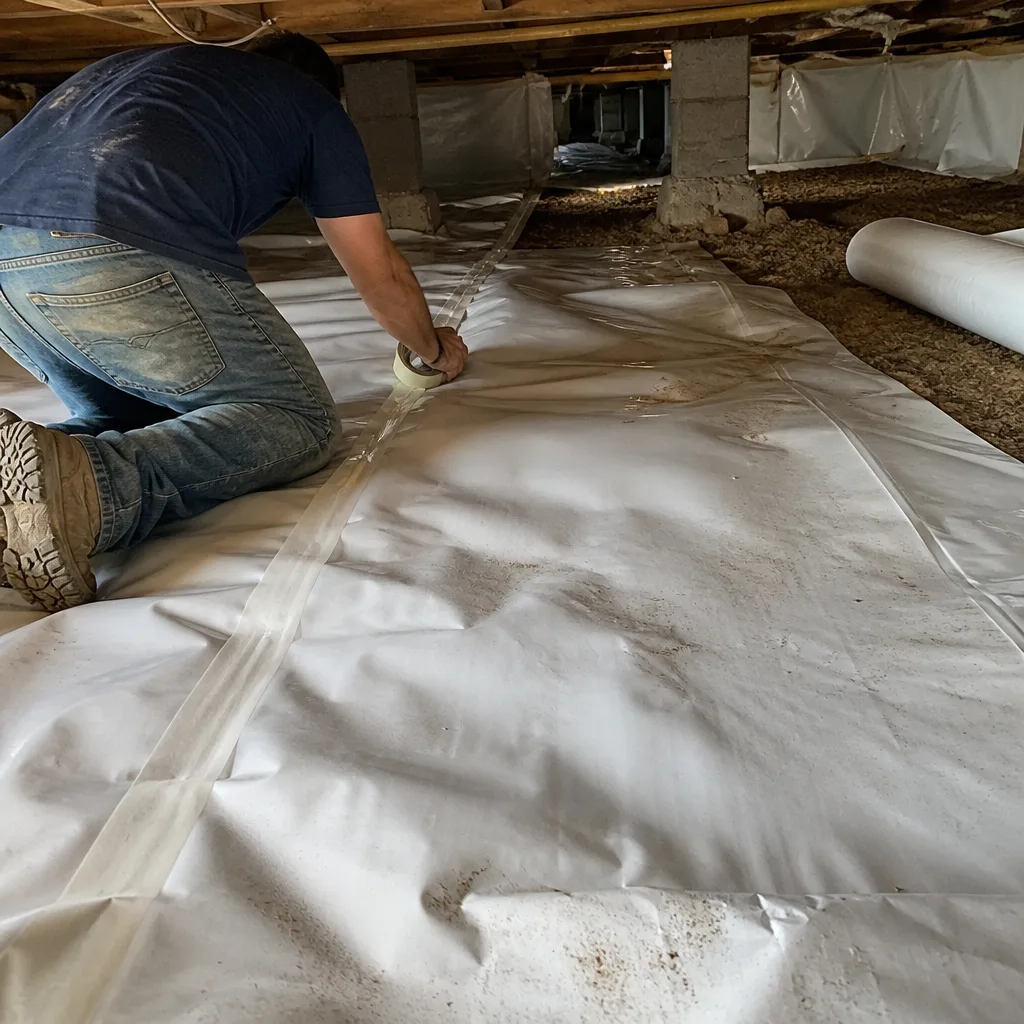
A home energy audit is a diagnostic evaluation of your building envelope, insulation, and HVAC distribution system to identify where conditioned air is being lost and energy is being wasted. Our audit combines a blower-door test for air leakage, thermal imaging for insulation gaps, visual inspection of material condition, and optional duct-leakage testing to measure HVAC efficiency. You receive a written report with photos, numerical findings, and prioritized recommendations for improvement. Call (830) 420-0953 to schedule - estimates are free.
A standard audit takes 2.5-4 hours on site, depending on home size, accessibility, and whether duct-leakage testing is included. The written report with annotated thermal images, blower-door numbers, and recommended scope arrives within 24 hours. Most Converse homeowners schedule morning appointments and have their report by the following evening. Call (830) 420-0953 for availability - we typically book within 48 hours.
Most home energy audits in Converse run $250-$450 for homes under 2,500 square feet, with larger homes or those adding duct-leakage testing reaching $400-$650. The price includes blower-door testing, thermal imaging, insulation inspection, and a Documented Photo Record with written findings. We deliver a written price before any work starts, and the audit fee credits toward work completed within 90 days. Call (830) 420-0953 for an exact quote - estimates are free.
Yes - we’ve assessed and upgraded hundreds of homes with Owens Corning fiberglass batts, blown-in systems, and ProCat installations throughout Converse and Bexar County. We know the product specifications and common installation failures, and we can tell you whether your existing Owens Corning material is performing to its rated R-value or needs supplementation. Whether you have Owens Corning, Johns Manville, Knauf, or any other brand, we provide an unbiased assessment with no proprietary product lock-in. Call (830) 420-0953 to schedule.
We do not classify energy audits as emergency services, but we maintain next-day availability for Converse homeowners in most weeks and can occasionally accommodate same-day requests if our schedule allows. If you’re facing an urgent situation - a sudden spike in energy costs after roof work, or a home purchase contingency with a short inspection period - call (830) 420-0953 and we’ll find the earliest opening. A live person answers 24/7.
The audit itself is a diagnostic service, so warranty applies to the findings’ accuracy and the documentation you receive. If we perform recommended air-sealing or insulation work following the audit, that work carries our 365-Day Done Right Promise - if it’s not done right, we make it right, backed by a written scope and written warranty delivered before anyone starts. Haven Standard: Have it in writing. Call (830) 420-0953 for details.
Close all windows and exterior doors at least 4 hours before the appointment, and avoid operating fireplaces or wood stoves for 24 hours prior. We need access to the attic, crawl space, and all rooms including closets with HVAC registers. Have 12 months of utility bills available if you want us to correlate our findings with your actual consumption. The technician will explain any additional preparation when they confirm your appointment. Call (830) 420-0953 to book - we’ll send a checklist with your confirmation.
Schedule Your Home Energy Audit Service in Converse Today
Call (830) 420-0953 now and a live person will answer, 24/7. We’ll confirm availability, ask about your home’s symptoms, and deliver a written price before any work starts. Your audit includes blower-door testing, thermal imaging, and a Documented Photo Record with prioritized recommendations. If you have competing estimates, bring them - we provide a Free Second Opinion on any written quote. The 365-Day Done Right Promise applies to all work we perform. No obligation, no pressure, no surprises.
Written by Wes Okafor, Owner at Envelope Insulation Co., serving Converse since 2016.