
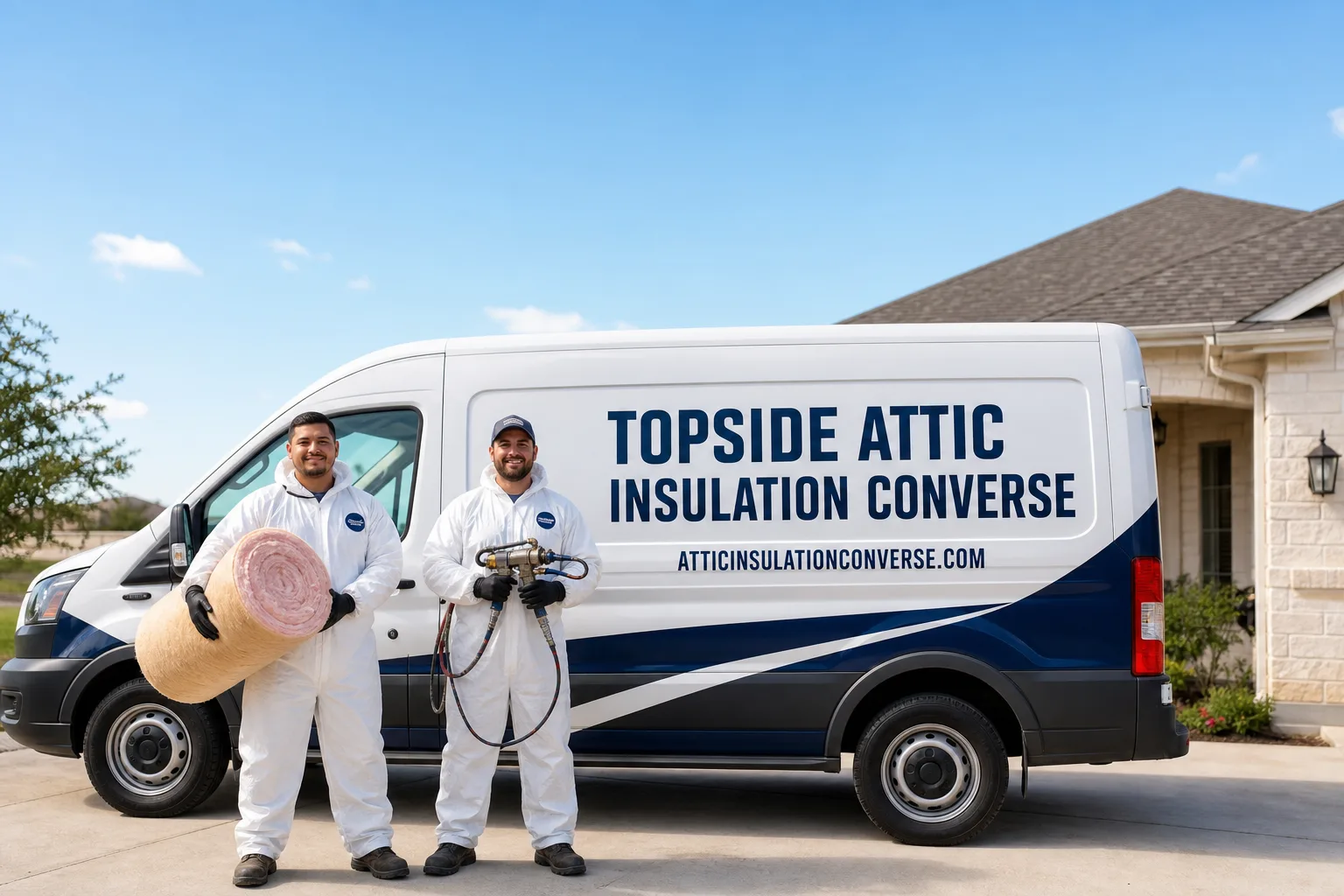
How Much Does Insulation Removal & Replacement Cost in Converse?
Our Insulation Removal & Replacement services in Converse, TX typically run between $1,400 and $4,200 for a standard attic, depending on square footage, the condition of the existing material, and whether air sealing is completed before new insulation goes in. Most homeowners in Converse with a 1,500-2,000 sq ft single-story home land somewhere between $1,800 and $3,000 for a full attic tearout and re-insulation to current energy code. That range assumes blown-in fiberglass or cellulose as the replacement material; spray foam or a hybrid system will push the number higher.
This page breaks down what drives those numbers in the Converse market specifically, what you get for the money at each price tier, and how to read a competing estimate before you sign anything.
Insulation Removal & Replacement Cost Breakdown (2026)
Insulation removal and replacement in Converse, TX typically runs between $1,400 and $4,200 for a standard attic, depending on square footage, existing material condition, and whether air sealing is completed before new insulation goes in. Most homeowners with a 1,500-2,000 sq ft single-story home land between $1,800 and $3,000 for a full attic tearout and re-insulation to current energy code.
| Scope of Work | Typical Range (Converse, TX, 2026) | Notes |
|---|---|---|
| Attic insulation removal only (vac-out) | $600 - $1,100 | Old batt or blown-in, bagged and hauled off; price rises with contamination (rodent waste, moisture damage) |
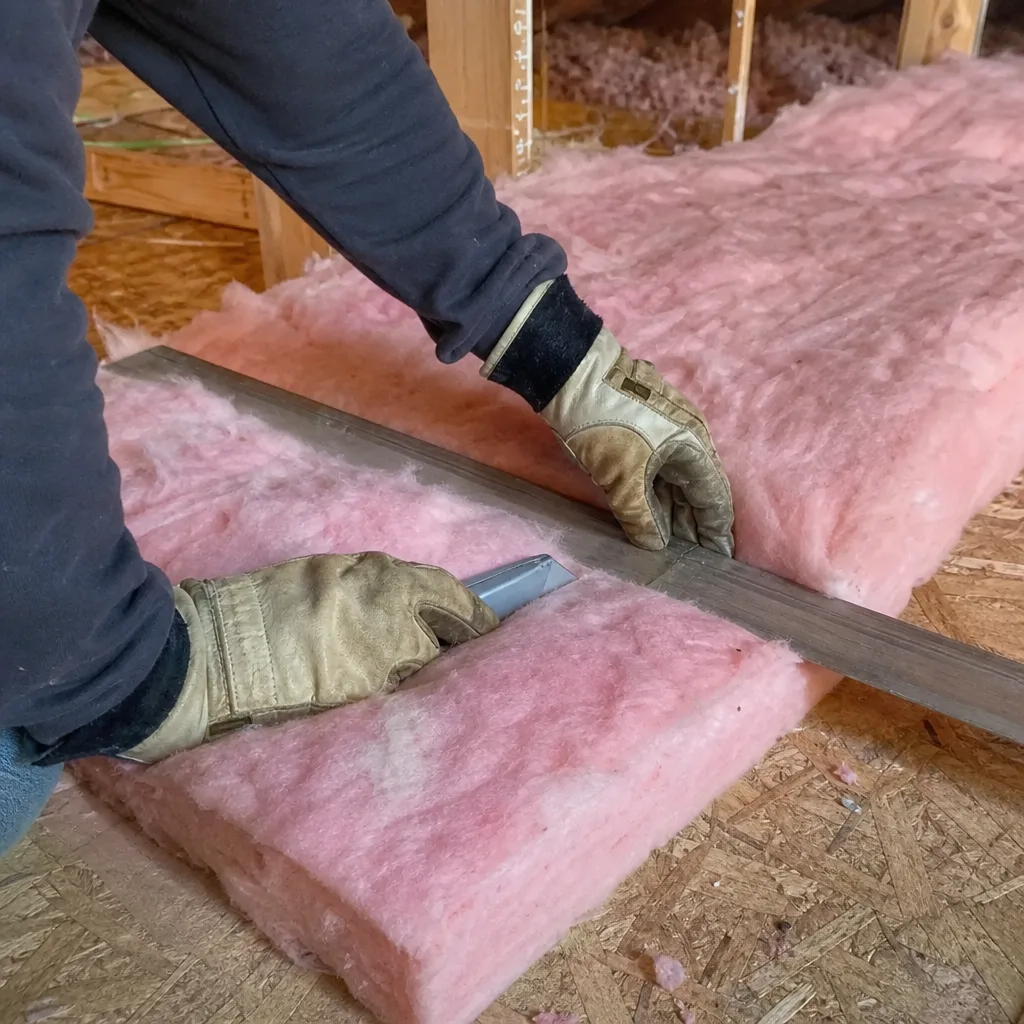
| Blown-in fiberglass replacement (R-38 to R-49) | $800 - $1,600 | Per 1,000-2,000 sq ft attic floor; GreenFiber and Knauf material pricing baked in |
| Blown-in cellulose replacement (R-38 to R-49) | $700 - $1,500 | Slightly lower material cost than fiberglass; performs similarly in Converse’s climate zone 2 heat |
| Attic air sealing (top plates, can lights, penetrations) | $350 - $850 | Completed before any new insulation is blown in; critical step most competitors skip or upsell |
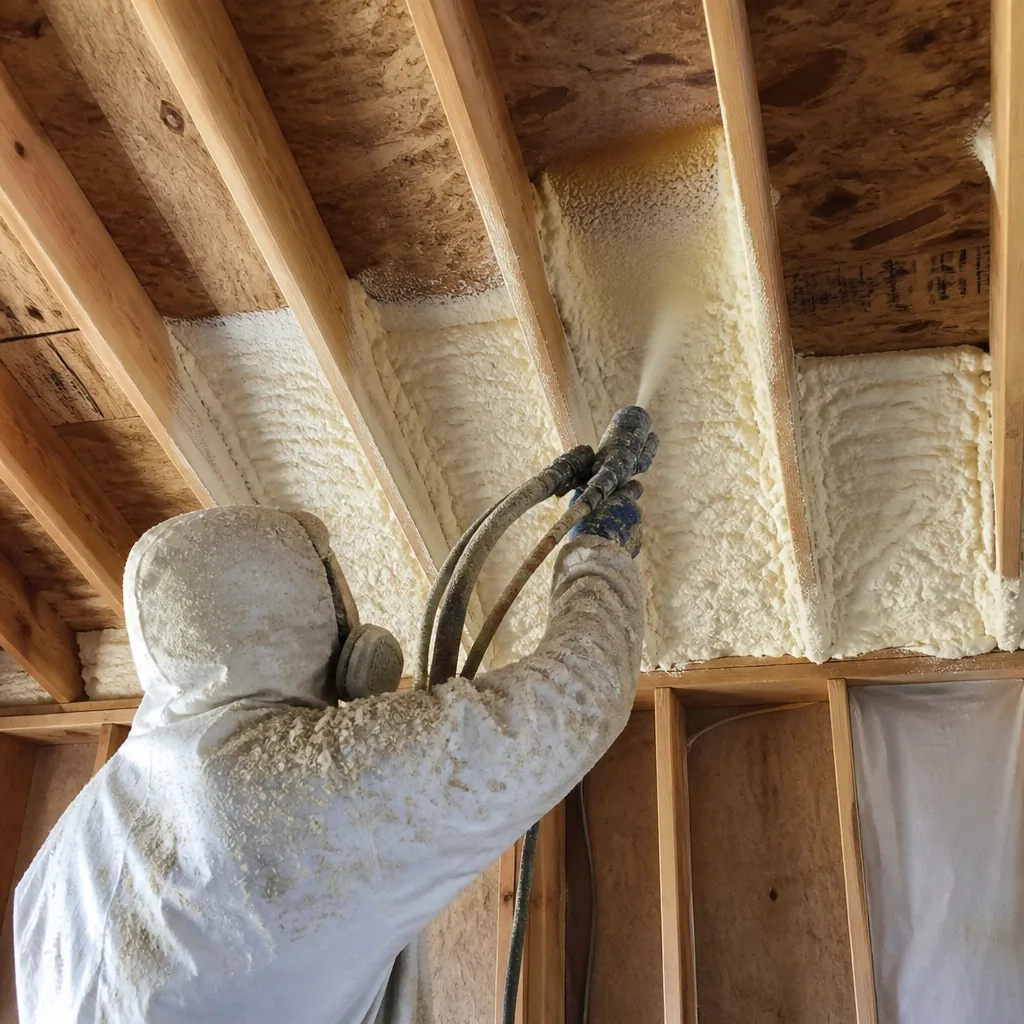
| Open-cell spray foam replacement (walls or specialty areas) | $1,800 - $3,500 | Icynene or Demilec product lines; best for cathedral ceilings or unvented roof assemblies |
| Full attic removal + air seal + blown-in replacement (combo) | $1,800 - $3,800 | Most common scope in Converse; includes all three phases as a single written price |
| Rodent-proofing and attic sanitation add-on | $300 - $700 | Necessary when contamination is present; sometimes required before insulation install under local code |
| Large home (2,500+ sq ft), full scope | $3,200 - $5,500+ | Two-day job in many cases; vaulted or complex rooflines add labor time |
A few things move the needle most in the Converse market. First, the age of the home. Converse grew quickly through the 1980s and again in the 2000s, and the insulation practices from those two eras are genuinely different. A 1980s-era home in Oak Crest or Converse Meadows will often have 3-4 inches of deteriorated fiberglass batt that was never air-sealed and has been sitting on a leaky attic floor for 40 years. Removing that material typically takes more vac time than blown-in cellulose from a mid-2000s build. Second, contamination. Rodent activity in the attic raises the job cost because the waste material has to be handled, bagged, and disposed of separately, and the surface has to be sanitized before new insulation is installed. Third, the replacement target. Bexar County and the surrounding Converse area sit firmly in IECC climate zone 2, where the Department of Energy’s current recommendation for attic insulation is R-49 to R-60. Getting from bare sheetrock up to R-49 after a full tearout is a more material-intensive job than simply topping off existing insulation.
Under Haven Standard Clause 1, you get a flat written price before anyone lifts a tool. That single commitment changes what the number on the page means: it’s the actual number, not a starting point.
What Affects Insulation Removal & Replacement Pricing in Converse
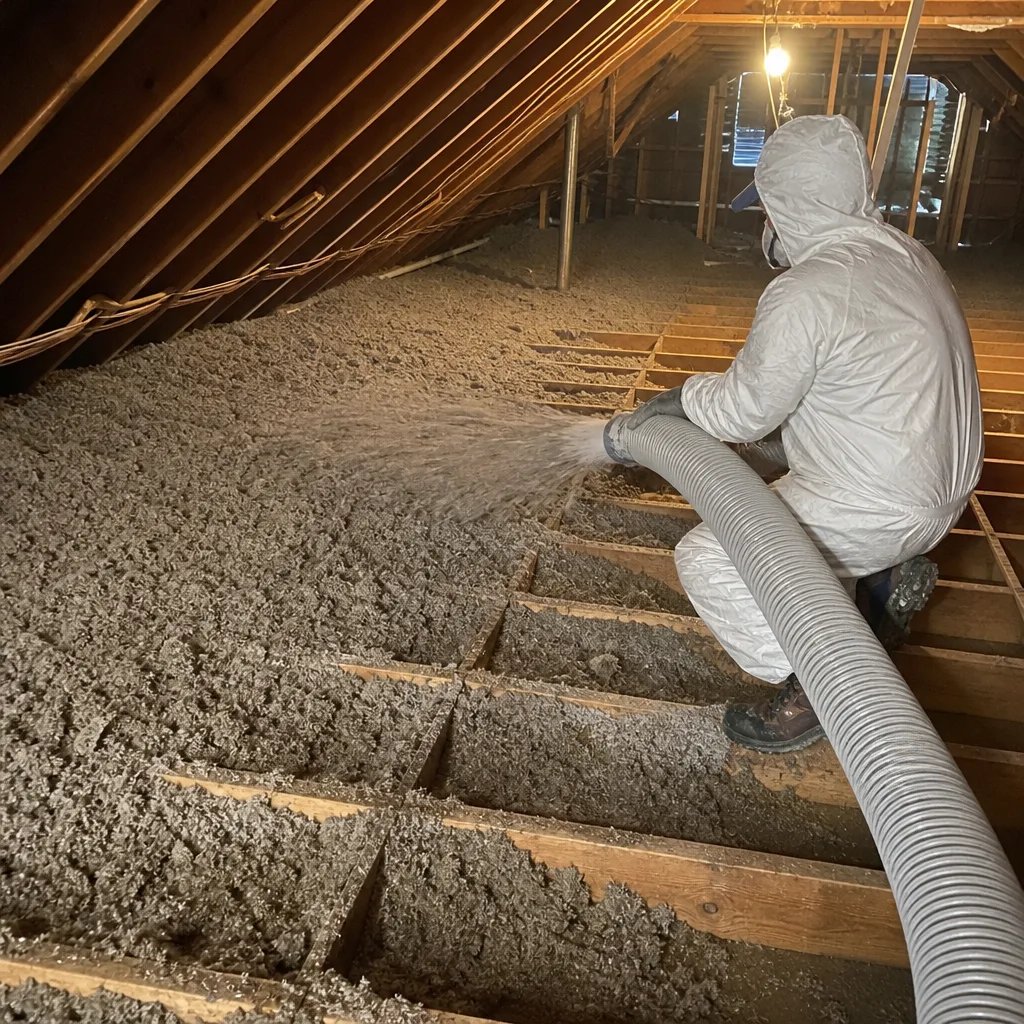
- Attic square footage and layout. Labor is priced per square foot, so a 2,400 sq ft attic in a home in Converse’s Olympia neighborhood costs meaningfully more to vac out and re-insulate than a 1,200 sq ft attic in a patio-home subdivision near FM 1516. Knee walls, dropped soffits, and cathedral ceiling sections each add time because the crew can’t simply walk a straight line across the attic floor.
- Existing insulation depth and type. Thin, degraded batt is faster to remove than compressed blown-in that has been in place for 20 years and has picked up attic humidity from Converse’s long summer heat cycles. Wet or clumped insulation bags slower and adds to disposal weight, which affects the final price.
- Contamination level. Rodent activity is a real factor in Converse, particularly in older homes backing up to greenbelt areas near the Escondido Creek corridor. When we open an attic and find evidence of animal intrusion – droppings, nesting material, saturated insulation – the job scope changes. Remediation comes first, and that adds cost. The good news is that you’ll know the full contamination scope before any price is set, not after.
- Whether air sealing is included before replacement. This is where price estimates in Converse vary the most between contractors. Some quotes you’ll see are removal plus insulation only, with no air sealing line item. That’s a cheaper number on paper, but it means new insulation is going over the same leaky attic floor. In Converse’s climate, an unsealed attic floor can account for 30-40% of a home’s total air leakage. A blower-door test – a pressurization reading that shows, in one number, how much conditioned air the home is losing – will show that difference clearly. We publish those before-and-after numbers on every applicable job, so the comparison is documented, not claimed.
- Replacement material selection. Blown-in fiberglass (Knauf, Owens Corning) and blown-in cellulose (GreenFiber) are the workhorses for most Converse attic replacement jobs and carry the lowest per-square-foot cost. Open-cell spray foam (Icynene, Demilec) is appropriate for unvented roof assemblies or areas where a blown product won’t stay put, but at $1.00-$1.50 per board foot in material cost alone, it adds up quickly. We don’t push any single product because we source from multiple manufacturers with no proprietary lock-in.
- Access difficulty and attic clearance. Converse has a large share of single-story ranch homes with low-pitch rooflines. When the attic clearance above the insulated floor drops below 24 inches, crew members are working on their sides or bellies with the vacuum hose. That slows the job and is factored into labor pricing. A pre-job photo assessment – part of the Documented Photo Record we complete on every visit – captures exactly what the crew is walking into before a price is set.
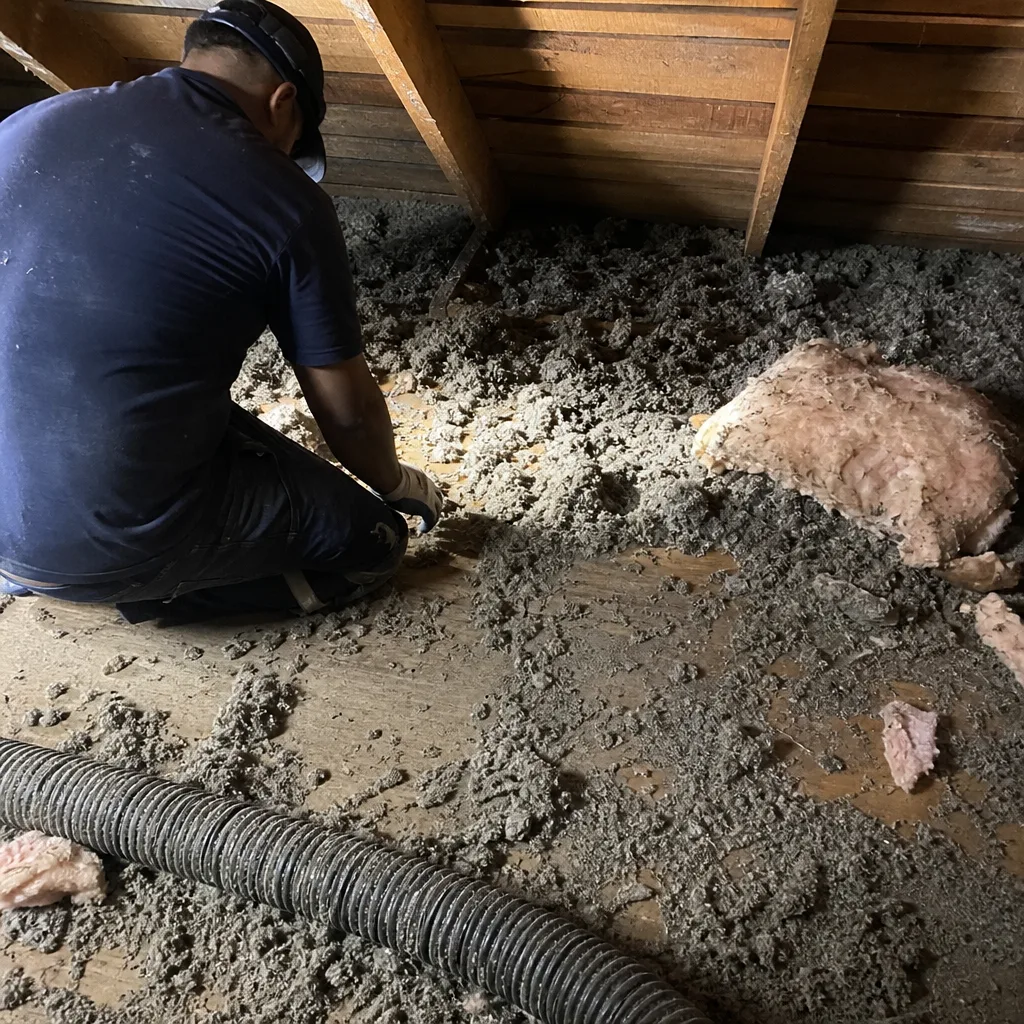 Before
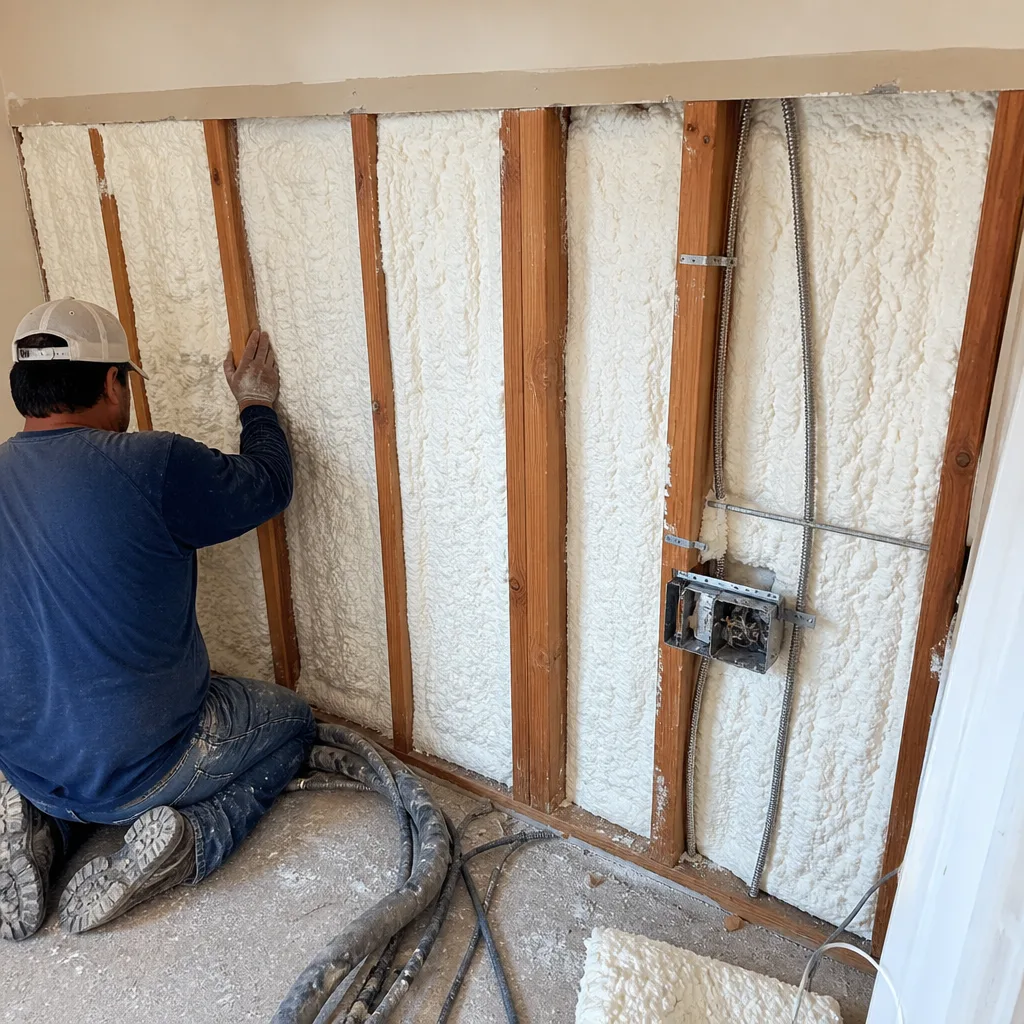 After
AfterHow to Save on Insulation Removal & Replacement in Converse
The most direct way to reduce cost on a removal and replacement job is to understand exactly what you’re buying before you agree to it. That sounds obvious, but in practice, most homeowners in Converse are comparing quotes that don’t include the same scope. One bid covers removal plus blown-in. Another covers removal, air sealing, and blown-in. A third covers removal plus a product the contractor has a preferred distributor relationship with. You can’t compare those numbers without reading the scope.
We offer a Free Second Opinion on any written estimate. Bring us a competing quote – printed or digital – and we’ll read it line by line with you. We’ll point out what’s included, what’s missing, and where the numbers land relative to the Converse market in 2026. That’s not a sales tactic; it’s just useful information that helps you make a better decision regardless of who you hire.
Practical steps that actually reduce your final invoice
- Clear the attic access before the crew arrives. If the pull-down stair or hatch is blocked by boxes, furniture in the hallway below, or stored items on the attic floor, the crew spends time moving things instead of working. That’s billable labor in most contractor pricing models. With us, the written price is a flat price, but clearing access makes the job faster for everyone.
- Do removal and replacement in the same job, not separate trips. Scheduling insulation removal in one season and replacement in the next means two mobilization costs, two disposal runs, and an exposed attic floor in between. In Converse, where summer attic temps routinely exceed 140°F, leaving the attic floor uninsulated even for a few weeks measurably affects your cooling costs.
- Ask specifically about the R-value target before signing anything. IECC 2021 for climate zone 2 calls for R-49 in attics. Older code was R-30 or R-38. If a contractor is quoting R-30, the material cost looks lower – but you’re leaving performance and energy savings on the table for the life of the home. The difference in material between R-38 and R-49 in blown-in fiberglass on a 1,500 sq ft attic floor is roughly $150-$300. That’s a small increment for a decade-plus of improved performance.
- Check for utility rebates before the job starts, not after. CPS Energy, which serves most of the Converse area, has historically offered rebates for attic insulation upgrades. Rebate structures change year to year, so we won’t quote a specific figure here – but the CPS Energy website publishes current residential rebate schedules, and a few minutes of reading before your job date could offset $100-$400 of the total cost depending on the scope.
- Combine air sealing with the replacement job. Air sealing as a standalone service – top plates, can lights, HVAC penetrations, chimney chases – typically costs $350-$850 in Converse. Done at the same time as removal and replacement, the mobilization cost is already paid and the attic floor is already exposed. Scheduling it separately means paying to open the attic twice.
For a free written estimate on your Converse home, call (830) 420-0953. You’ll get the price on paper before any decision is required.
The Air Sealing Step Most Converse Contractors Skip
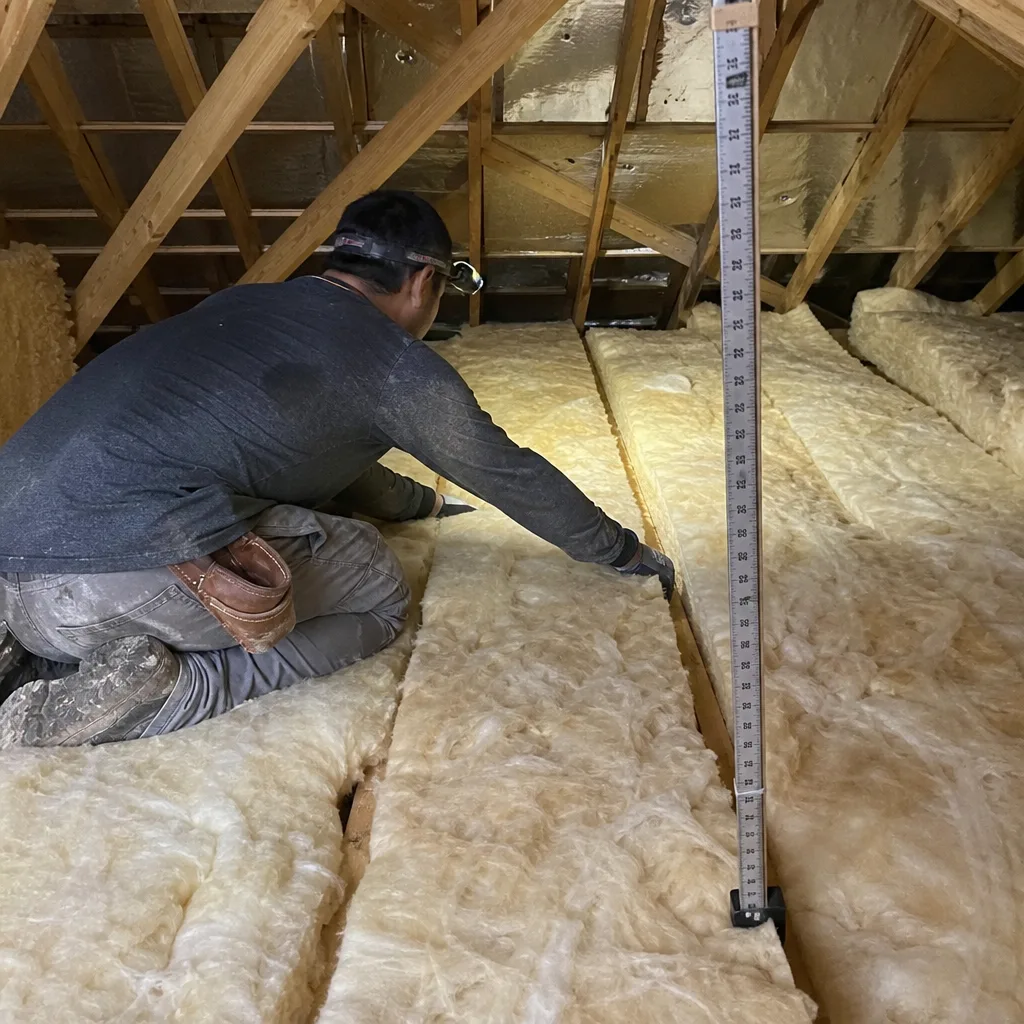
It’s worth describing this in plain terms because it changes the math on every insulation job. An attic floor in a typical Converse home built before 2010 is not a sealed surface. It has gaps at every interior wall top plate, open cavities around recessed light fixtures, HVAC boot penetrations that were never caulked, and plumbing or electrical chases that run straight from conditioned space into the attic. When you remove old insulation and look at that floor, you’re looking at a surface that lets conditioned air flow freely in both directions.
Blowing new insulation over that floor without sealing those gaps first is functionally similar to insulating the outside of a colander. The insulation slows conductive heat transfer – moving heat through the material itself – but it does nothing for the convective air moving through the gaps. In Converse’s climate zone 2, where the cooling season runs from April through October and the temperature delta between conditioned space and the attic is sometimes 50°F or more, air movement through an unsealed floor is a substantial load on the HVAC system.
The blower-door test quantifies this in a single number: CFM50, the cubic feet per minute of air flowing through the building envelope when the house is depressurized to 50 Pascals. On jobs in Converse where we’ve completed a full attic air seal before re-insulating, we’ve seen that number drop by 30-50%. We publish the before and after readings on every applicable job as part of the Documented Photo Record. You can read the number yourself and verify the result independently.
That’s why, at Envelope Insulation Co., air sealing is completed before new insulation is ever added – not as an upsell, but as a condition of the job. We won’t blow insulation over an unsealed attic floor. It’s the right sequence, and it’s documented in writing before we start.
What the Documented Photo Record Looks Like in Practice
Before the crew starts, we photograph the attic access, the existing insulation depth and condition, any contamination or damage, and the attic floor at several reference points. After air sealing is complete, we photograph the sealed penetrations – canned lights, top plates, plumbing chases – so you can see what was sealed and how. After blown-in is complete, we photograph the final depth at multiple locations across the attic floor with a ruler in frame.
You receive those photos in a written job record when the crew leaves. It’s not a PDF link that expires in 30 days. It’s documentation of the specific work completed in your specific home in Converse. If something comes into question under the 365-Day Done Right Promise, the photos are the record we both refer back to.
Wes Okafor built the Documented Photo Record into the Haven Standard from the beginning because a written scope at the start and a photo record at the end eliminates the ambiguity that causes disputes in the first place. Most homeowners in Converse never have to use the 365-Day Done Right Promise – but knowing it’s backed by documentation changes what “warranty” actually means.
Converse-Specific Considerations: Climate, Housing Stock, and Local Code
Converse sits in Bexar County at the eastern edge of the San Antonio metro, technically in IECC climate zone 2. That designation means the dominant load is cooling, not heating – and the physics of that load shape every insulation decision. R-value recommendations that make sense in Dallas or Austin (also zone 2, but with more moderate summers) translate directly to Converse, where summer cooling loads run long and hard.
The housing stock in Converse skews toward single-story ranch construction from the early 1980s through the early 2000s, with a newer wave of construction in subdivisions like Horizon Pointe, Classen Crossing, and Royal Oak Estates built from 2005 onward. The older homes frequently have two problems simultaneously: degraded insulation that’s lost R-value over 30-40 years of thermal cycling, and attic floors that were never air-sealed because that practice wasn’t standard in residential construction here until relatively recently. The newer homes are sometimes better insulated on paper – but not always. Quick-build production homes from the mid-2000s construction boom in Converse are well-known in the trade for inconsistent installation quality, particularly around recessed lights and HVAC penetrations.
On the permit side: insulation removal and replacement in Converse generally does not require a separate building permit when the work is limited to the attic insulation layer. However, if the scope includes air sealing work around mechanical penetrations or if the job involves any structural attic work, it’s worth confirming with the City of Converse’s building department. Requirements can change, and the written scope you receive before any work starts will note whether permit pull is part of the job or not.
Converse’s extreme summer attic temperatures – regularly measured above 140°F at peak on a dark shingle roof – accelerate the degradation of both fiberglass batt and older cellulose. Batt insulation that was correctly installed to R-19 in 1990 may be performing at R-12 or less today due to compression, moisture cycling, and simple age. A depth measurement at the start of any assessment will tell you exactly where you stand.
How to Read a Competing Insulation Estimate in Converse
When you’re comparing quotes for insulation removal and replacement, four line items tell you most of what you need to know.
- Is removal and disposal explicitly listed? Some quotes roll removal into a single “replacement” line item. If disposal isn’t broken out, ask whether haul-off is included and how many bags are estimated. Disposal for a full attic tearout on a 1,800 sq ft home typically runs 30-50 bags; if that cost isn’t on the quote, it may appear on the final invoice.
- Is air sealing a separate line item? If it isn’t on the quote at all, ask directly: “Is air sealing of top plates and penetrations included before you blow in the new material?” The answer tells you whether the scopes are comparable.
- What is the stated R-value target? A quote to R-38 and a quote to R-49 are not the same job. The material volume difference on a 1,500 sq ft attic floor is roughly 2-3 inches of additional blown-in depth, which adds real cost. Make sure you’re comparing the same R-value target across quotes.
- Is the price written and fixed, or is it an estimate that can change? “Estimate” has a specific meaning in contracting: it can change when the job is done. A flat written price with a defined scope cannot. Under Haven Standard Clause 1, the price you receive from Envelope Insulation Co. is a flat price in writing – not an estimate that floats.
If you have a written quote and want a second set of eyes on it, bring it to us. The Free Second Opinion isn’t conditional on you hiring us. We’ll read it, explain what we see, and let you decide what to do with that information.
FAQs – Insulation Removal & Replacement Cost in Converse, TX
How much does insulation removal cost in Converse, TX?
Insulation removal in Converse typically costs $600 to $1,100 for a standard attic of 1,000 to 2,000 square feet. That price covers the vacuum-out, bagging, and haul-off of the existing material. Jobs with rodent contamination or significant moisture damage run toward the higher end because the material has to be handled more carefully and disposal weight increases. For a written price on your specific attic, call (830) 420-0953 – estimates are free and the price is in writing before any work begins.
How much does attic re-insulation cost after a full tearout in Converse?
Replacement with blown-in fiberglass or cellulose to R-49 runs $800 to $1,600 for a 1,000 to 2,000 sq ft attic floor in Converse. Combined with removal and an attic air seal, most homeowners in Converse pay $1,800 to $3,800 for the full three-phase job: tearout, air sealing of top plates and penetrations, and new blown-in insulation. That range assumes a standard single-story home without significant contamination or access difficulty. Call (830) 420-0953 for a free written estimate specific to your address.
Is it worth replacing old insulation in a Converse home, or just adding on top?
In most Converse homes built before 2005, a full removal and replacement outperforms topping off the existing material. The reason is what’s underneath: degraded batt that has lost R-value, possible rodent contamination, and – most importantly – an attic floor that was never air-sealed. Blowing new insulation over an unsealed floor addresses only the conductive component of heat transfer. The convective air moving through gaps in the floor is not slowed by insulation depth. A blower-door test before and after air sealing will show the difference in a single measurable number. Our Insulation Removal & Replacement in Converse service covers all three phases – removal, air sealing, and replacement – as a documented, written-price job.
How long does insulation removal and replacement take in a Converse home?
Most jobs in Converse on a home between 1,200 and 2,000 square feet are completed in one day. Larger homes (2,500+ sq ft) or jobs with significant contamination remediation sometimes require two days. The crew arrives with industrial vacuum equipment, bags the old material, completes the air seal, and blows in the new product. At the end, you receive the Documented Photo Record showing before, during, and after conditions. Complex rooflines, very low attic clearance, or rodent-proofing add-ons can extend the timeline, which will be noted in your written scope before scheduling.
Does insulation removal and replacement require a permit in Converse, TX?
In most cases, attic insulation removal and replacement in Converse does not require a separate building permit when the scope is limited to the insulation layer itself. However, permit requirements can vary based on specific work scope – particularly if the job involves mechanical penetrations, structural work, or air sealing around conditioned systems. The written scope you receive before any work starts will state clearly whether a permit pull is part of the job. If you want to verify current requirements directly, the City of Converse building department is the authoritative source. We won’t start work without clarity on this.
Can you replace insulation in summer in Converse, TX?
Yes – and in many cases, summer is when the need is most obvious. Attic temperatures in Converse regularly exceed 140°F at peak in July and August, which means the failure of degraded insulation shows up as higher cooling bills and rooms that won’t hold temperature. Crew members working in those conditions use appropriate PPE and schedule attic entry during the cooler morning hours when possible. The work is not weather-dependent the way exterior projects are; it’s a matter of crew scheduling and safety protocol. If you’re seeing energy costs spike this summer, that’s a practical signal to get the attic assessed now rather than in the fall.
About This Page and the Information Behind It
Price ranges on this page reflect actual job costs in the Converse, TX market as of early 2026, based on materials from Owens Corning, Johns Manville, Knauf, Rockwool, CertainTeed, Icynene, Demilec, and GreenFiber at current distributor pricing for this region. Labor rates reflect Bexar County and northeast San Antonio metro market conditions. Wes Okafor, who leads Envelope Insulation Co., has reviewed these figures against the company’s written job history across 9,000+ homes sealed and insulated since 2016. Every home in that record started with a written price and closed with a documented photo record.
If your home is in Converse – whether in an older subdivision near FM 1516 or a newer build in one of the subdivisions north of Loop 1604 – the ranges on this page are a reasonable starting point. Your written quote will be specific to your attic’s square footage, existing conditions, and the scope of work required. That quote is free, it’s in writing, and it doesn’t change once it’s signed.
For more on what this service includes and how the job is structured, see our home page, or go directly to the Insulation Removal & Replacement in Converse service page for full scope details.
Get Your Free Written Estimate
If you’re in Converse and you want to know what removal and replacement will actually cost for your specific home, call (830) 420-0953. You’ll speak with a live person – not a voicemail – and we’ll schedule an assessment at your property. The estimate is free, the price is written before any work starts, and it won’t change once the scope is set.
If you already have a quote from another contractor, bring it. We’ll read it with you as a free second opinion, line by line, and tell you what you’re actually comparing. No obligation either way.
The 365-Day Done Right Promise applies to every completed job. If the work isn’t right, we make it right – and that’s in writing too, before anyone starts.
Written by Wes Okafor, Owner at Envelope Insulation Co. / Topside Attic Insulation Converse, serving Converse, TX since 2016.
Pricing reflects the Converse market as of 2026. Topside Attic Insulation Converse offers free estimates – call (830) 420-0953.
What Our Customers Say
"Two other companies quoted to blow more insulation on top of what was there. These were the only ones who said the existing material had to come out first, and explained why."
- Clifford E."The winter gas bill dropped by about a third. They had estimated a quarter, so they under-promised."
- Genevieve R."They photographed rodent damage in the old insulation that we had no idea about, and priced the exclusion work separately so we could decide."
- Harriet N.