
How Much Does Radiant Barrier Installation Cost in Converse?
Radiant barrier installation in Converse, TX typically runs between $1,400 and $3,200 for a standard single-story home, with most jobs landing around $1,800 to $2,400 depending on attic square footage and access conditions. Most installations are completed in a single day, and the payback period in Bexar County’s climate – where attic temperatures routinely hit 150°F-160°F in July and August – tends to run three to seven years on cooling costs alone.
If you’ve gotten a quote already, our Free Second Opinion offer means we’ll read it with you line by line before you commit to anything. Under Haven Standard Clause 1, every estimate we issue is written, flat-priced, and delivered before any work starts – no surprises when the crew leaves.
Radiant Barrier Installation Cost Breakdown (2026)
Radiant barrier installation cost in Converse breaks down primarily by attic square footage, barrier type, and whether any air sealing or prep work is needed first. The table below reflects current Converse-area pricing from jobs completed in 2025 and early 2026.
| Job Type / Scope | Typical Price Range | Notes |
|---|---|---|
| Foil radiant barrier, 1,000-1,500 sq ft attic | $1,400 – $1,900 | Ranch-style homes common in sections of Converse near FM 78 |
| Foil radiant barrier, 1,500-2,200 sq ft attic | $1,900 – $2,600 | Typical for 2,000-2,800 sq ft homes built in Converse between 2000-2015 |
| Foil radiant barrier, 2,200-3,000 sq ft attic | $2,600 – $3,400 | Larger footprints in established Converse neighborhoods like Elgin Park and Norton |
| Perforated foil barrier (preferred for humid climates) | Add $150 – $350 | Allows moisture vapor to pass – important in Converse’s humid subtropical climate |
| Spray-applied radiant barrier coating | $1,200 – $2,000 | Lower upfront cost; lower emissivity performance than foil; suited to complex rafter geometry |
| Radiant barrier + attic air sealing (combined scope) | $2,200 – $4,500 | Our standard recommendation – radiant barrier performs better when duct leaks and top-plate gaps are sealed first |
| Radiant barrier + blown-in insulation upgrade | $3,200 – $5,800 | Full envelope improvement; qualifies for combined energy incentives where applicable |
| Old barrier removal before reinstall | $300 – $700 | Applies to homes where a degraded or improperly installed barrier is already in place |
| Difficult access surcharge (low-pitch roof, minimal clearance) | $150 – $400 | Common in older Converse homes with 4:12 or lower pitches and compressed rafter bays |
What Drives Cost Up
The biggest variable is attic square footage – that part is obvious. But in Converse specifically, a few things push jobs toward the higher end of those ranges more than people expect. Homes built in Converse before 2005 often have compressed rafter bays with minimal standing room, which slows installation significantly. Homes near Converse Lake and the lower-lying sections off Kitty Hawk Road tend to have higher ambient humidity, which makes perforated foil the right call over solid foil – and that adds material cost. Duct systems running through the attic also affect the job: if ducts are uninsulated or wrapped in degraded flex duct, the radiant barrier’s effectiveness is partially undermined until that’s addressed.
What Keeps Cost Down
Homes built in Converse after 2010 with standard truss construction and good ridge-to-soffit ventilation are the most straightforward installations. If the attic is already clean, reasonably accessible, and free of rodent damage or old cellulose that needs removal, a foil installation can move quickly. Bundling radiant barrier work with attic air sealing in a single mobilization also cuts overall cost compared to scheduling them separately – one crew, one trip, one written scope.
What Affects Radiant Barrier Installation Pricing in Converse
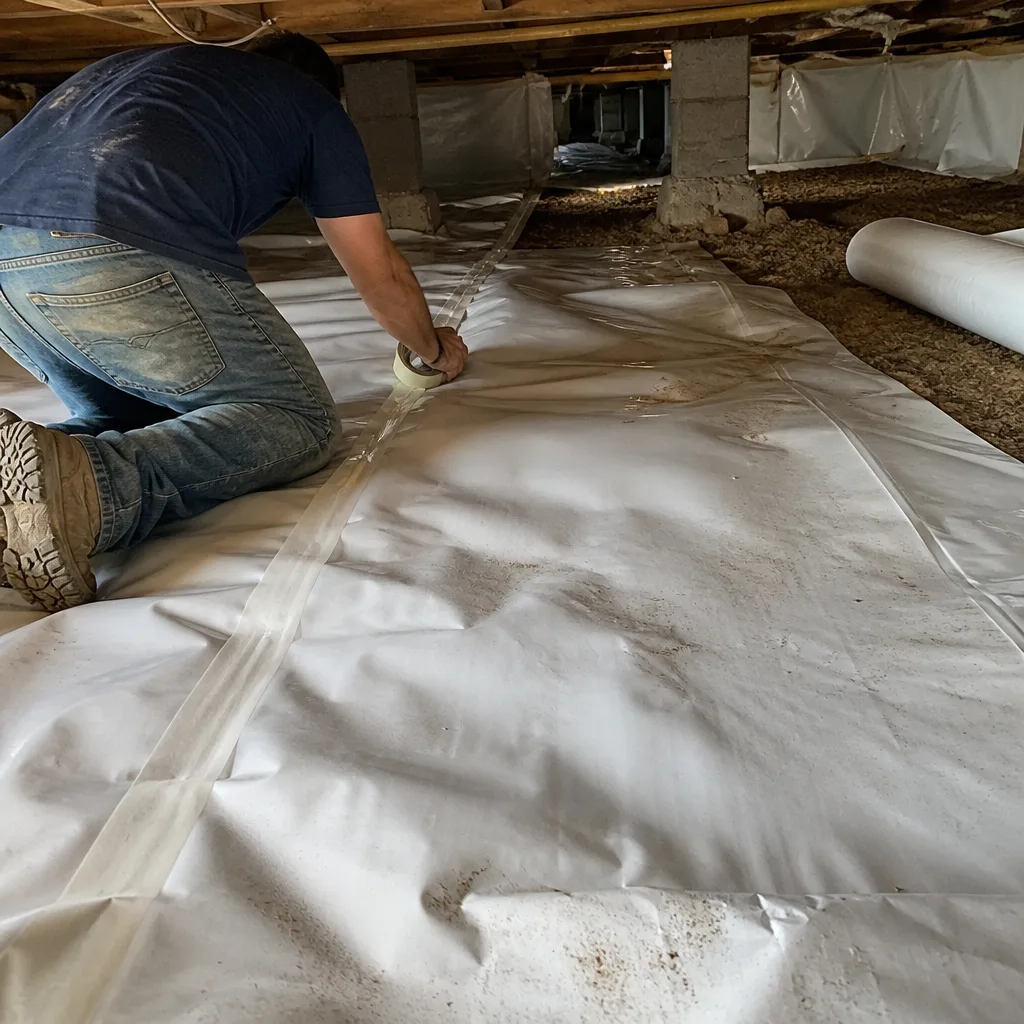
- Attic square footage and geometry: Cost scales directly with the area of rafters or roof deck that needs to be covered. A 1,200 sq ft attic in a simple rectangle on a 6:12 pitch is a different job than a 1,200 sq ft attic broken up by hips, valleys, and HVAC equipment. Many Converse homes built in the 1980s and 1990s – particularly in the older streets off Converse Boulevard – have irregular hip-roof geometry that adds labor time.
- Foil type: perforated vs. solid: Perforated foil costs slightly more in materials but is the correct choice for Converse’s climate. Bexar County sits in ASHRAE Climate Zone 2A – hot and humid – and solid foil in a humid attic can trap vapor against roof decking over time. Any contractor recommending solid foil in this market without addressing vapor movement is cutting a corner you’ll notice in five years.
- Installation method: stapled vs. draped: Stapling foil to the underside of rafters is the most effective method for blocking radiant heat gain before it enters the attic air. Draped-over-insulation installation is faster and cheaper, but it’s less effective because it’s not positioned at the point of heat entry. We install stapled-to-rafter as the default; if a different method is appropriate, that decision is documented in the written scope before anyone starts.
- Existing attic conditions: Attics that have rodent activity, wet or compressed insulation, or large sections of bypasses – gaps around top plates, plumbing chases, recessed lights – take longer to prepare. In Converse neighborhoods with older housing stock, like parts of Converse Heights, it’s common to find can lights that penetrate directly into the thermal boundary with no air sealing at all. We address those before installing barrier, not after.
- Duct condition: If duct work is running through the attic unconditioned space – which is the case in the large majority of Converse homes – a radiant barrier alone doesn’t solve the duct conduction problem. Jobs that include duct sealing or duct insulation upgrades cost more upfront but produce meaningfully larger energy savings. This is worth understanding before comparing quotes that differ by $600.
- Combining with other envelope work: Radiant barrier installed on the same day as attic air sealing costs less per dollar of savings than either job done separately. One crew mobilization, one access point, one photo record. We run the blower-door test before and after on combined jobs so you have a documented number showing what changed – not an estimate of what might change.
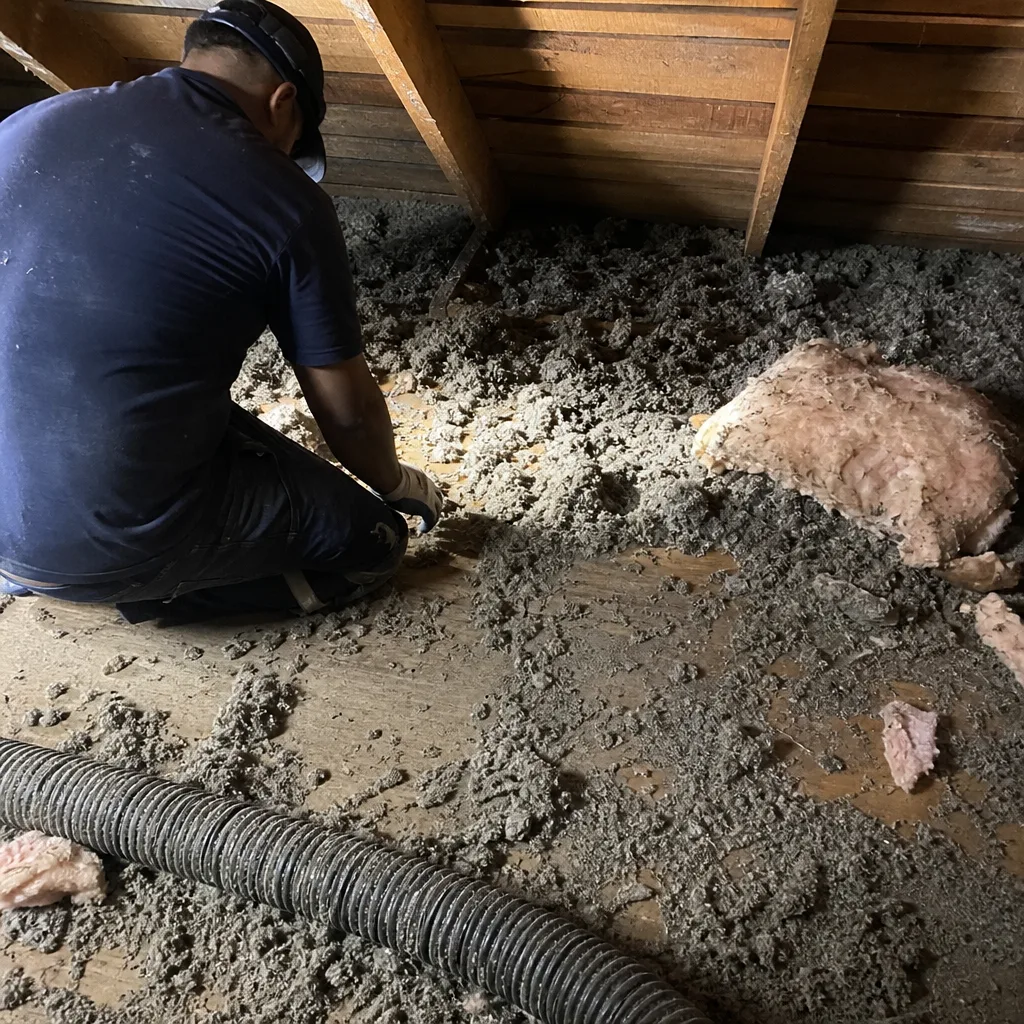 Before
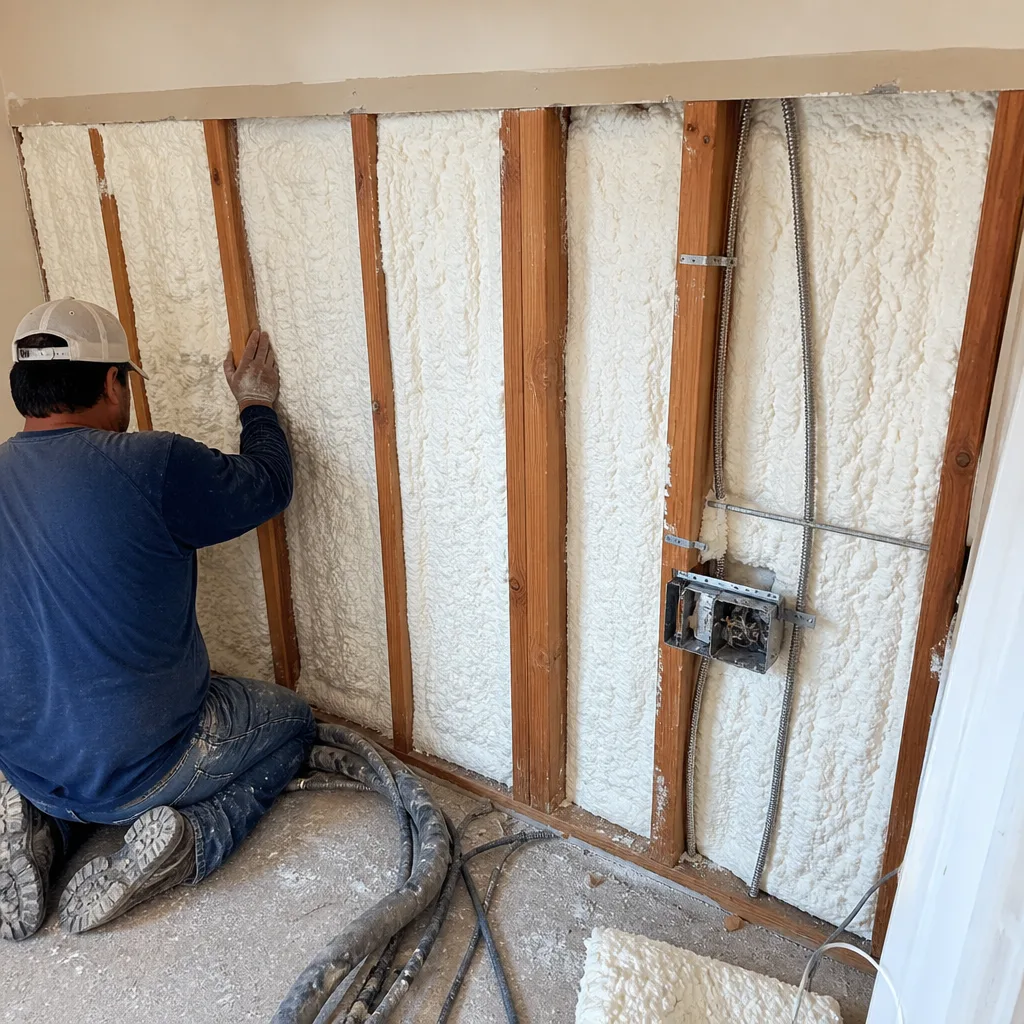 After
AfterRadiant Barrier and Converse’s Climate: Why This Particular Investment Makes Sense Here
Converse sits in the northeast San Antonio metro where summer cooling loads are as high as anywhere in Central Texas. The city’s position east of the Escarpment means it doesn’t get the same afternoon cloud cover that parts of Bexar County occasionally see. In practical terms: attic temperatures in Converse homes without radiant barrier routinely measure 150°F to 165°F on a clear July afternoon. With a properly installed foil barrier on the rafter underside, that number typically drops 25°F to 40°F – not the attic air temperature, but the radiant heat flux striking the attic floor, which is what your insulation is actually fighting.
Homes along Foster Road and in the Converse area’s newer developments off Judson Road tend to be larger footprints, built to code minimums, and carrying HVAC systems that run long cycles in summer. That’s the exact profile where radiant barrier delivers measurable payback. The Department of Energy estimates 5-10% cooling savings in hot-climate attics with proper barrier installation; in a Converse home running a 4-ton system through August, that translates to real dollars per month, not fractions.
The Converse city code doesn’t mandate radiant barrier in new construction – it’s still optional under San Antonio metro building standards – but the 2021 International Energy Conservation Code, which Bexar County has adopted, does allow radiant barrier credit toward overall envelope performance. If you’re involved in a new build or major renovation, that matters for permit compliance calculations.
How to Save on Radiant Barrier Installation in Converse
Bundle Work in a Single Mobilization
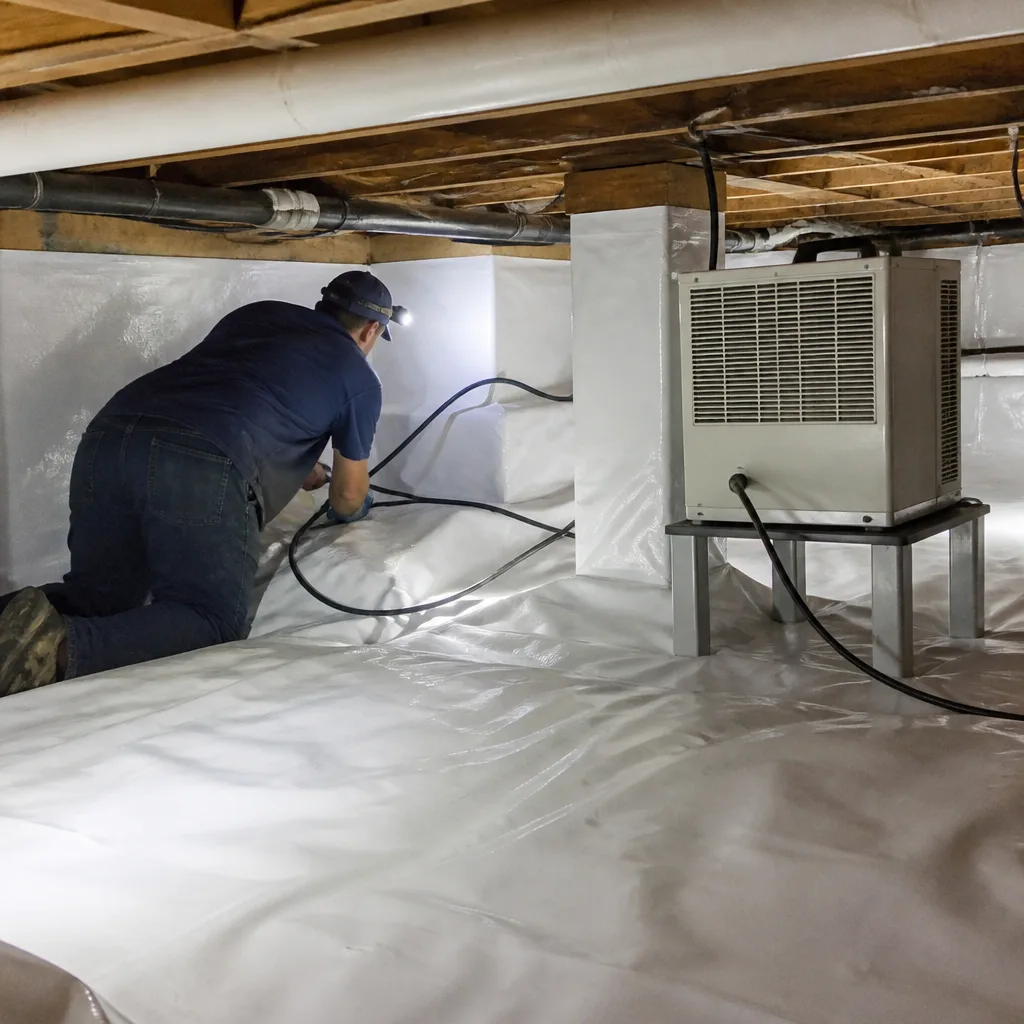
The single most effective way to reduce cost per dollar of improvement is to combine radiant barrier with attic air sealing in the same appointment. Air sealing – closing top-plate gaps, sealing around plumbing penetrations, capping uninsulated can lights – is work that happens at the attic floor level. Radiant barrier happens at the rafter level. Both scopes use the same access point and can be completed in one day by the same crew. Scheduling them separately means two mobilizations, two sets of setup time, and two invoices. One combined scope routinely costs $400 to $700 less than the same work ordered separately.
Get a Second Opinion on Any Quote You’ve Already Received
We offer a Free Second Opinion on any written estimate. Bring us the scope and the number, and we’ll go through it line by line. The goal isn’t to undercut anyone – it’s to make sure you understand what you’re buying. A quote for $1,600 that doesn’t include perforated foil in a humid attic, or that skips air sealing prep, might cost you more over five years than a $2,200 quote that addresses both.
Federal Tax Credits for 2026
The Inflation Reduction Act’s Section 25C tax credit covers certain insulation and air sealing improvements at 30% of project cost, up to $1,200 per year. Radiant barrier qualifies when it’s part of a building envelope improvement that meets the credit’s energy-efficiency criteria. We document every job with a photo record and written scope – the paperwork you’d need to substantiate a credit claim is part of what we hand you when the job is done. Confirm current eligibility with a tax professional; IRS guidance on this changes more often than most people expect.
CPS Energy Rebates (San Antonio Metro)
CPS Energy, which serves much of the greater San Antonio area including parts of the Converse service territory, has historically offered rebates on insulation upgrades. Rebate program specifics change annually – check cpsenergy.com for current offers. If a rebate applies to your job, we’ll note it in your written estimate so you know exactly what the net cost looks like before any work starts.
Don’t Optimize for Lowest Upfront Cost Alone
A spray-applied radiant barrier coating typically runs $1,200 to $2,000 – less than foil in most cases. But the emissivity rating of a spray coating, typically 0.25 to 0.35, is meaningfully lower-performing than quality foil at 0.03 to 0.05. Lower emissivity means better radiant heat blocking. If your primary goal is long-term cooling savings, the math usually favors foil over coating unless the attic geometry makes foil installation impractical. We’ll tell you which is appropriate for your specific attic – and document that recommendation in writing.
To get a written estimate for your Converse home with no obligation, call (830) 420-0953. A live person answers – not a voicemail, not a callback queue.
FAQs – Radiant Barrier Installation Cost in Converse, TX
How much does radiant barrier installation cost in Converse, TX in 2026?
Most radiant barrier installations in Converse run between $1,400 and $3,200 for a standard home, with the majority of single-story homes in the 1,500-2,500 sq ft range falling between $1,900 and $2,600. Homes with complex roof geometry, low attic clearance, or existing barrier that needs removal can push toward $3,400 or above. Call (830) 420-0953 for a written estimate specific to your home’s attic dimensions.
Is radiant barrier worth the cost in Converse’s climate?
Yes – Converse’s position in Bexar County’s hot-humid climate makes it one of the higher-value applications for radiant barrier in Texas. Attic temperatures here regularly hit 150°F-165°F in summer, and a foil barrier properly installed on the rafter underside can reduce radiant heat flux to the attic floor by 25°F to 40°F. On a home running a 3.5 to 5-ton system, that typically translates to 5-10% lower cooling costs during the months you need it most – June through September. Most Converse homeowners see payback within four to six years. Call (830) 420-0953 to get a written estimate that includes projected savings for your specific home size.
How long does radiant barrier installation take in Converse?
Most single-story Converse homes take one full day – typically six to eight hours depending on attic size and access. Two-story homes or those with complex hip roof geometry may run into a second partial day. When radiant barrier is combined with attic air sealing in a single mobilization, the combined scope usually completes in one day for homes under 2,500 sq ft. You’ll receive a Documented Photo Record when the crew leaves so you can see exactly what was installed and where.
Does Converse, TX require a permit for radiant barrier installation?
Radiant barrier installation in Converse is generally not permit-required as a standalone attic improvement under current Bexar County and City of Converse guidelines. However, if the work is part of a larger HVAC modification, duct replacement, or new construction scope, permit requirements may apply. We confirm applicable requirements before any work starts – it’s part of the written scope delivered under Haven Standard Clause 1. If your project involves duct work or structural changes, we’ll flag the permit question explicitly in your estimate.
What’s the difference between radiant barrier and attic insulation – do I need both?
They do different things and, in Converse’s climate, most homes benefit from both. Insulation – measured in R-value – slows conductive heat transfer, which is heat moving through a material by contact. Radiant barrier blocks radiant heat, which is the infrared energy your roof deck radiates downward into the attic space. In a Converse attic in July, the primary heat source is radiant, not conductive. A radiant barrier without adequate insulation still lets conductive heat through; insulation without a barrier still gets hammered by radiant load all day. The combination performs significantly better than either alone. Most Converse homes we see have R-19 to R-30 insulation where current recommendations call for R-38 to R-60, so both improvements often make sense. Call (830) 420-0953 to get a written assessment of what your attic currently has and what would produce the best return.
Can I install a radiant barrier myself to save money?
Technically yes, but the savings are smaller than they look on paper and the risks are real. Attic work in Converse in summer involves sustained temperatures that can cause heat illness quickly – attic air temperatures of 130°F-140°F are common in June through August. Beyond the safety concern, proper installation requires correct foil orientation (reflective side facing the air gap), perforated material in humid climates, and complete coverage at rafter bays without gaps at ridge or soffit that undermine performance. A partial or incorrectly oriented installation delivers a fraction of the measured benefit. We’ve re-done DIY installations in Converse where the foil was installed shiny-side-up against the roof deck with no air gap – that configuration actually traps heat rather than blocking it. If you want to compare costs, get a written estimate first – call (830) 420-0953 – and make the decision with full information.
Why Wes Okafor and Envelope Insulation Co. Do This Differently
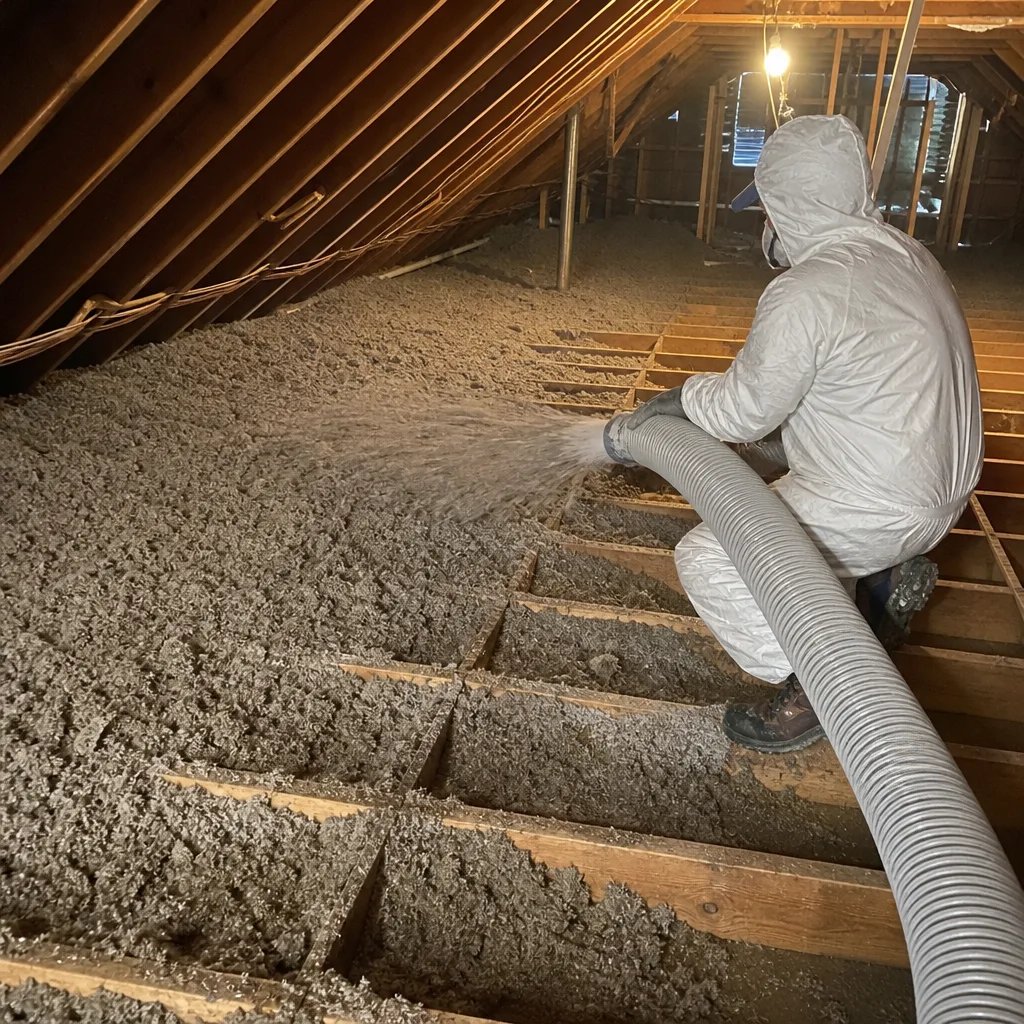
Wes Okafor has been in Converse and the broader San Antonio metro since Envelope Insulation Co. started operating under The Haven Standard in 2016. In that time, the crew has sealed and insulated more than 9,000 homes – every single one with a written price before work started and a documented photo record when the crew left. That’s not a customer-service philosophy. It’s a procedural requirement. The Haven Standard exists because a handshake scope and a verbal quote are how misunderstandings happen, and misunderstandings are how homeowners end up with attics that were insulated before the air leaks were sealed.
That sequencing point matters. In the majority of Converse homes we assess, the attic floor has bypasses – gaps around top plates, plumbing chases, electrical penetrations – that allow conditioned air to move freely between the living space and the attic. Blowing insulation over those gaps doesn’t seal them; it buries them. We seal first, then insulate. On applicable jobs, we run a blower-door test before and after – a pressurization reading that shows, in one number, how much air the building envelope was losing. You get the before number. You get the after number. You can see what changed.
If you’ve already received a written quote from another contractor, our Free Second Opinion means we’ll look at it with you. No obligation, no pressure. If their scope is solid and their price is fair, we’ll say so.
For a full description of what our Radiant Barrier Installation in Converse service includes – materials, sequencing, documentation, and warranty – that page covers every step. For a broader look at the full building envelope services we offer, you can start from our home page.
Key Takeaways: Radiant Barrier Cost in Converse, TX (2026)
- Typical cost range: $1,400 to $3,200 for most Converse homes; average single-story job runs $1,900 to $2,600
- Perforated foil is the right material for Converse’s humid subtropical climate – solid foil can trap moisture against roof decking over time
- Bundling with attic air sealing saves $400 to $700 compared to scheduling the work separately, and produces better measured results
- Before-and-after blower-door numbers are provided on applicable combined jobs so you have a documented performance record, not an estimate
- Federal Section 25C tax credit may cover 30% of eligible project costs up to $1,200 annually – job documentation for your claim is included in every written scope
- Every estimate is written and flat-priced before any work starts, under Haven Standard Clause 1 – no surprises
- The 365-Day Done Right Promise applies to all completed work – if it’s not right, it gets made right, in writing
Get a Written Estimate for Your Converse Home
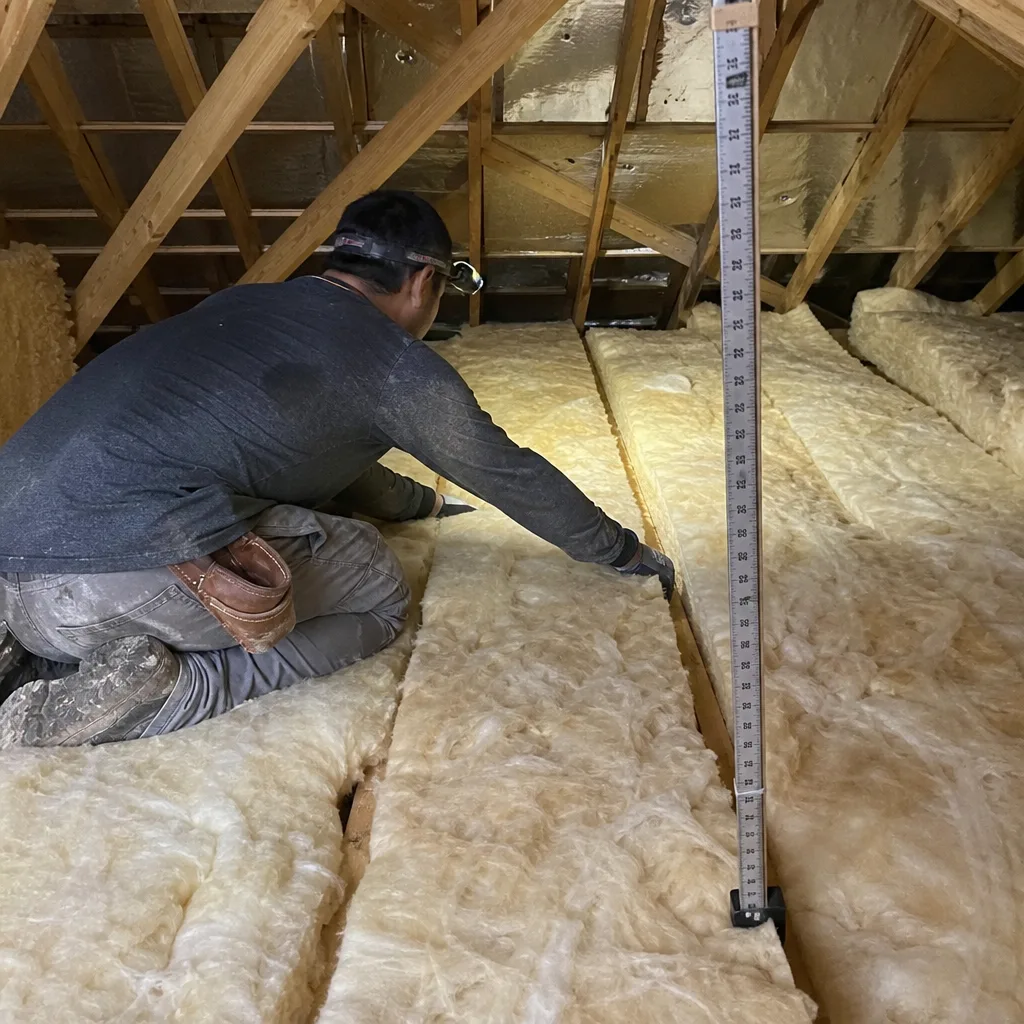
If you want to know exactly what radiant barrier installation would cost for your specific attic – not a ballpark, a flat written price – call (830) 420-0953. A live person will answer. Wes Okafor and the team at Envelope Insulation Co. have been pricing and completing attic work in Converse since 2016. You’ll get a written scope, a written price, and a documented photo record when the job is done. That’s what every job looks like, every time.
Pricing reflects the Converse market as of 2026. Topside Attic Insulation Converse offers free estimates – call (830) 420-0953.
Written by Wes Okafor, Owner at Envelope Insulation Co., serving Converse, TX since 2016.
What Our Customers Say
"They air-sealed the attic floor before insulating and showed me the blower-door number before and after. The upstairs is finally the same temperature as downstairs."
- Marisol D."Crawl space encapsulation done properly. Photographs of the vapour barrier at every seam, and the damp smell in the hallway is gone."
- Ainsley P."Two other companies quoted to blow more insulation on top of what was there. These were the only ones who said the existing material had to come out first, and explained why."
- Clifford E.