
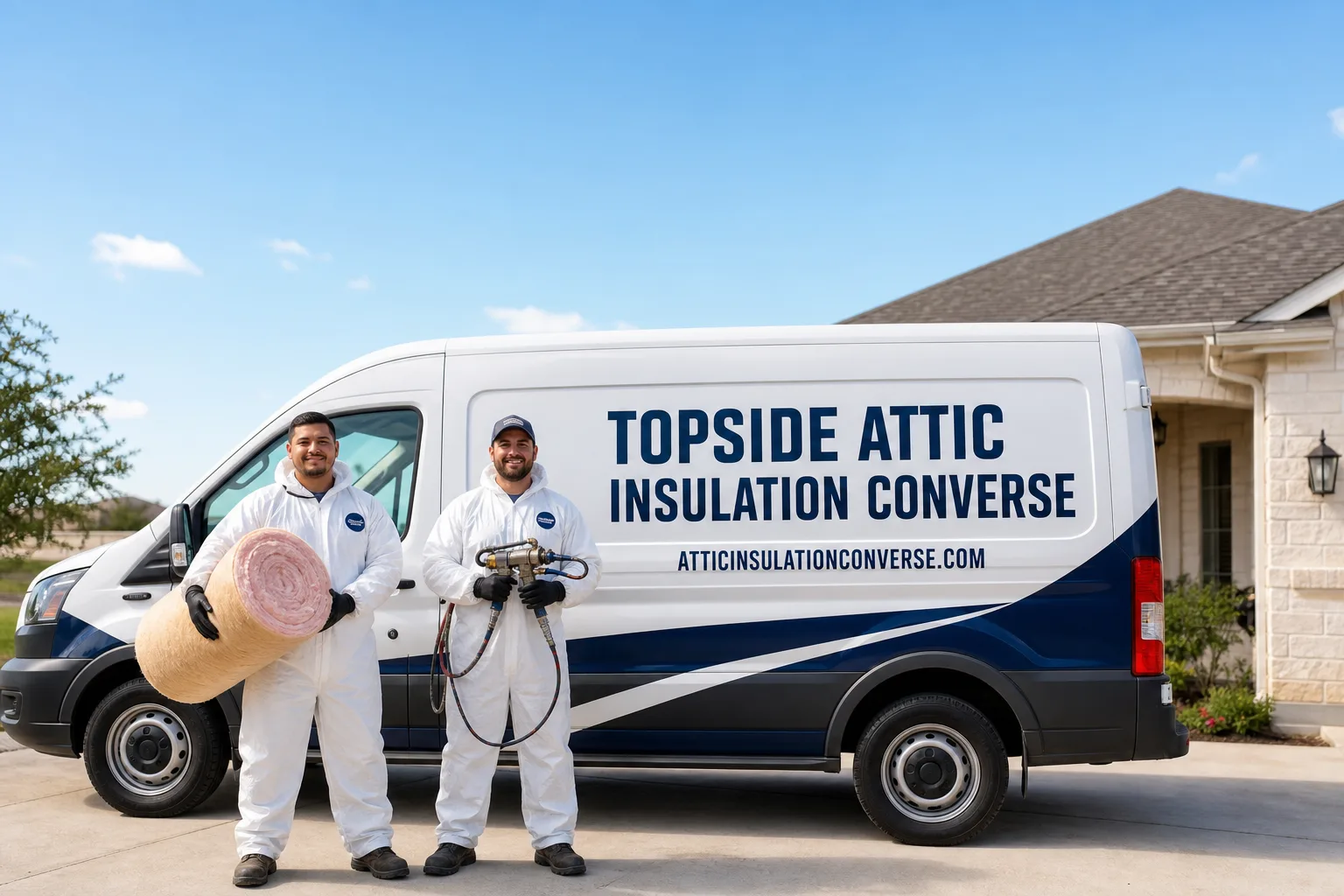
How Much Does Wall Insulation Cost in Converse?
Our Wall Insulation services in Converse, TX typically run between $1.50 and $4.25 per square foot of wall area, depending on the material, installation method, and whether air sealing is done first. For a 1,600-square-foot single-story home with roughly 800 square feet of exterior wall cavity, most homeowners pay between $1,200 and $3,400 for the full project. That range shifts based on whether you’re insulating new construction, retrofitting existing walls, or replacing degraded material.
If you want the price for your specific home before committing to anything, we publish a written price before any work starts – that’s not a policy option, it’s the foundation of how we operate under The Haven Standard. Call (830) 420-0953 and we’ll schedule a no-obligation assessment.
Wall Insulation Cost Breakdown (2026)
Wall insulation pricing in the Converse market breaks down by material type. Below is what we see on actual jobs here – not national averages copied from a trade publication.
| Material | Cost per Sq Ft (installed) | Best For | Notes |
|---|---|---|---|
| Blown-in fiberglass (retrofit) | $1.50 – $2.25 | Existing walls without opening drywall | Small holes drilled, filled after. Most common retrofit in Converse. |
| Blown-in cellulose (retrofit) | $1.40 – $2.10 | Existing walls, tight budgets | GreenFiber material; settles slightly over time in hot climates. |
| Fiberglass batt (open wall) | $1.25 – $1.75 | New construction or gut renovations | Owens Corning or Johns Manville; requires open stud bays. |
| Mineral wool / Rockwool batt | $2.00 – $3.10 | Fire resistance, soundproofing, moisture tolerance | Higher R-value per inch than fiberglass; performs well in TX humidity. |
| Open-cell spray foam | $2.50 – $3.75 | Open walls; air sealing + insulation combined | Icynene or Demilec; also seals the cavity as it cures. |
| Closed-cell spray foam | $3.25 – $4.25 | Moisture-prone walls, coastal zones, high-performance builds | Highest R-value per inch (R-6 to R-7); adds structural rigidity. |
| Air sealing (top plates, penetrations) | $300 – $700 per job (add-on) | Every project, ideally completed first | We complete this before insulation goes in – not as an upsell. |
What a Typical Converse Project Actually Costs
A 1,200 sq ft Converse home built in the late 1990s – common in the Kitty Hawk Estates and Ashley Place neighborhoods – often has little to no wall insulation from the original build. Retrofitting those walls with blown-in fiberglass, including air sealing of electrical outlets and penetrations, usually lands between $1,400 and $2,100. Larger homes in the Converse area running 2,000 sq ft or more, particularly the two-story layouts common near Loop 1604, typically run $2,800 to $4,000 for a full retrofit.
New construction framing with open stud bays is cheaper per square foot because access is straightforward. Retrofit work costs more per foot because of the drilling, filling, and patching involved. If your walls have old, wet, or rodent-damaged insulation that needs removal first, add $0.50 to $1.00 per square foot for that work before the new material goes in.
Air Sealing: Why It Appears as a Line Item Here
At Envelope Insulation Co., operating as Topside Attic Insulation Converse, we do not blow insulation over an unsealed wall cavity. That isn’t a preference – it’s a technical position. Insulation slows heat transfer. Air sealing stops air movement. You need both, in that order, because unchecked air movement through wall penetrations will carry conditioned air out and humid San Antonio Basin air in, which eventually degrades the insulation itself. Air sealing gets its own line item on every written estimate so you can see exactly what you’re paying for each piece of the work.
On applicable jobs, we provide before-and-after blower-door readings – a pressurization measurement that shows, in a single number, how much air your building envelope was losing before sealing and how much it loses after. That number is yours. It goes in your Documented Photo Record when the crew leaves.
What Affects Wall Insulation Pricing in Converse
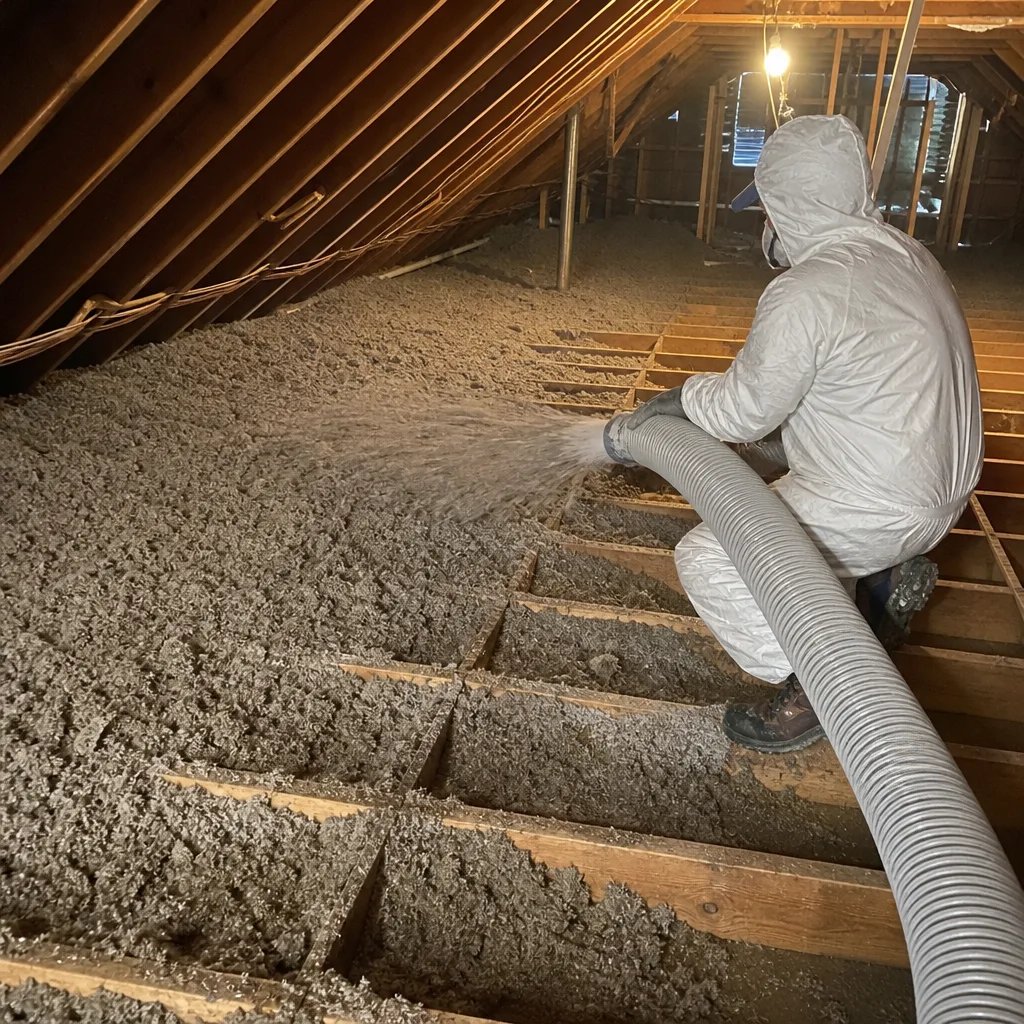
- Access method (retrofit vs. open wall): Retrofit drilling through existing drywall or siding adds labor time and patch materials. Open-stud new construction is faster to insulate and costs less per square foot because the installer isn’t working around finished surfaces.
- Wall cavity depth (2×4 vs. 2×6 framing): Most Converse homes built before 2005 use 2×4 framing, which gives you a 3.5-inch cavity – roughly R-13 to R-15 with a full batt or blown fill. Newer builds with 2×6 framing allow R-19 to R-21. More depth means more material, so cost per square foot rises slightly, but performance improves enough that the payback period shortens.
- Material choice: The spread between cellulose and closed-cell spray foam is wide – roughly $0.70 to $1.60 per square foot difference on the same wall. Material selection should be based on your goals: budget, moisture risk, soundproofing, or maximum R-value per inch.
- Existing insulation condition: A significant number of homes we visit in Converse – particularly those built in the 1988-2002 range in subdivisions like Converse Trails and Converse Hills – have fiberglass batts that have slumped, gotten wet, or been compressed by added drywall layers. Wet or compressed insulation performs at a fraction of its rated value and usually needs to come out before new material goes in. Removal adds cost but skipping it means you’re paying to insulate over a problem.
- Local climate factors: Converse sits in Bexar County’s heat island fringe, where summer design temperatures push past 100°F and the combination of heat and intermittent Gulf humidity creates genuine moisture stress on building envelopes. Walls facing west and south see the most solar load. Material choices matter here more than they would in a milder climate – and materials that perform adequately in Denver may underperform in Converse’s peak summer conditions.
- Story height and access: Second-story exterior walls or vaulted-wall sections require taller scaffolding or ladder staging. Converse has a fair number of two-story homes, particularly in the Kitty Hawk and Woodbridge areas. Expect a modest labor premium – typically $0.15 to $0.30 per square foot extra – for any walls above the first floor.
- Permit requirements: Converse falls under Bexar County jurisdiction for residential permits. Insulation-only retrofit work typically does not require a mechanical permit in this jurisdiction, but any work that involves opening walls for structural reasons or modifying penetrations may trigger additional requirements. We handle permit research as part of scoping every job – it’s included in the written estimate, not billed separately.
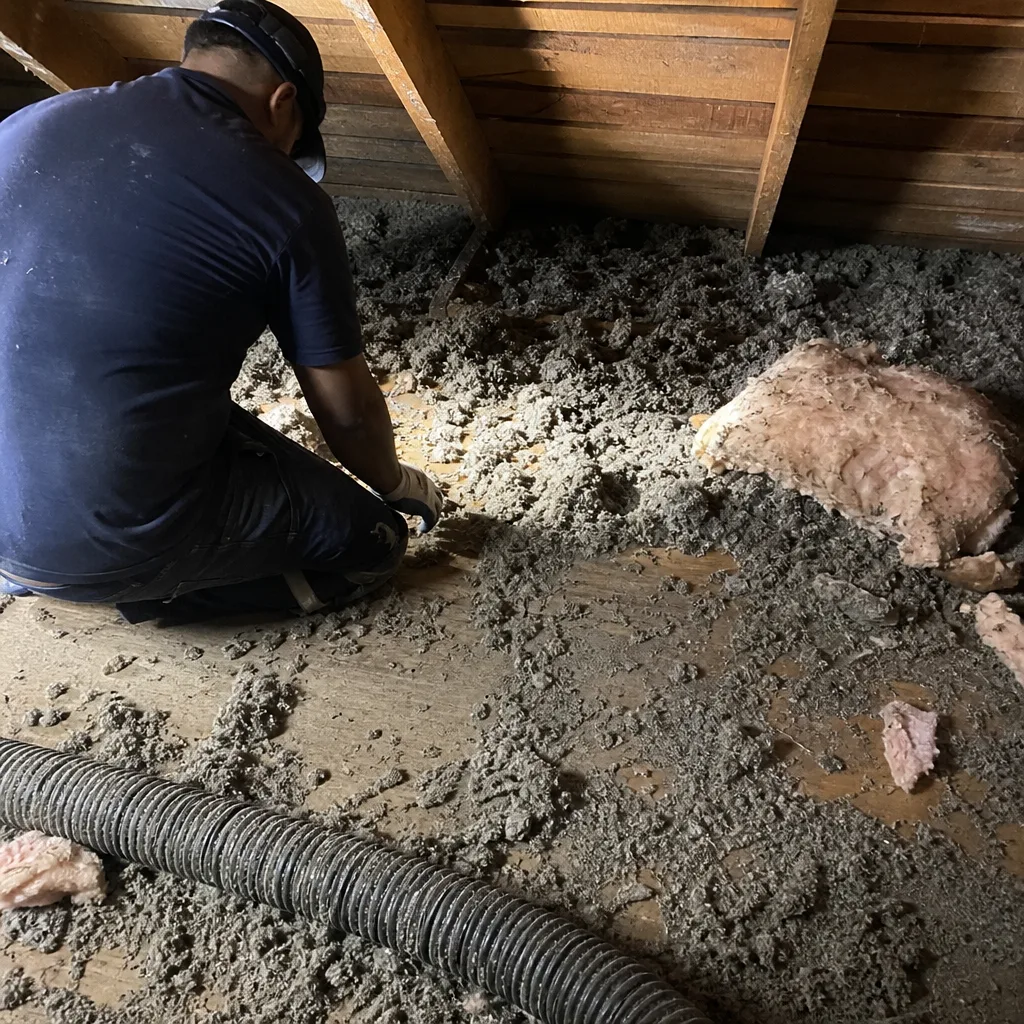 Before
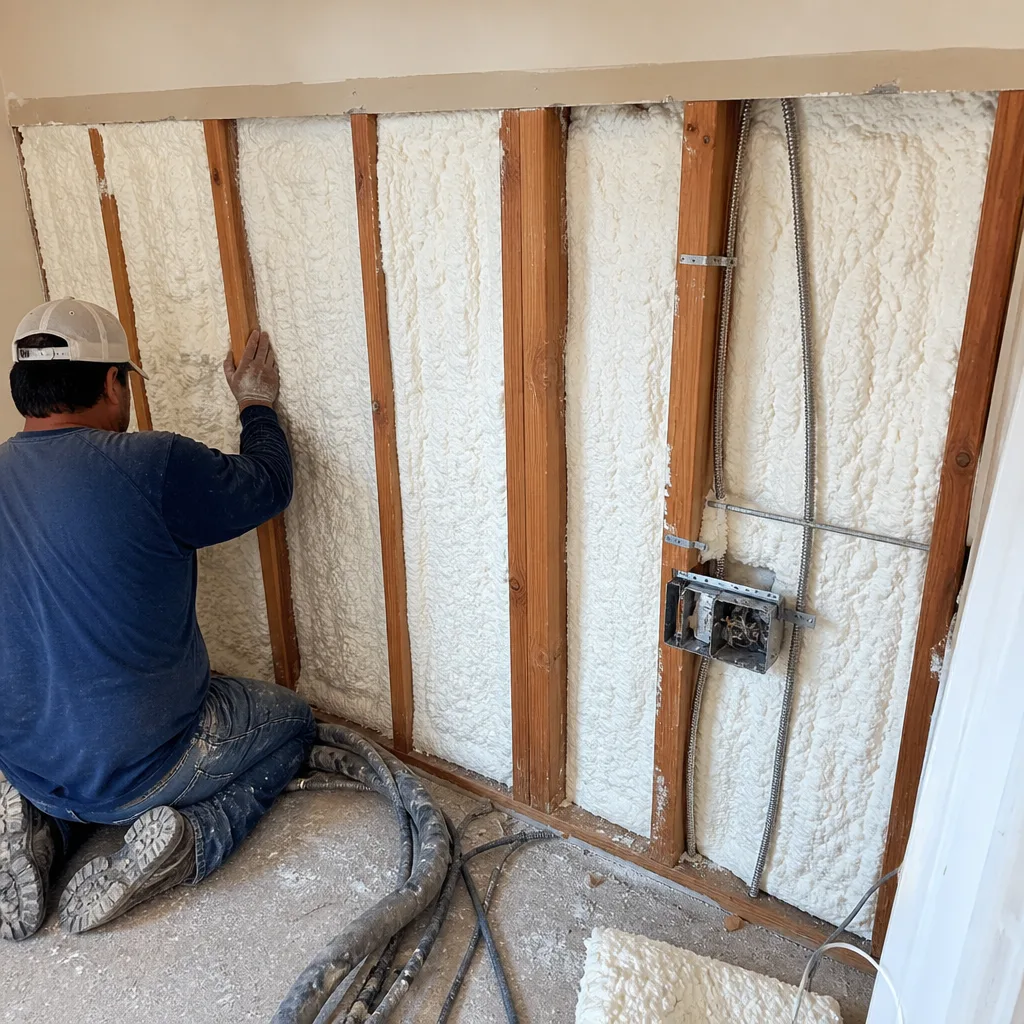 After
AfterWall Insulation Types: Which One Makes Sense for Converse Homes
Blown-In Fiberglass and Cellulose (Retrofit)
This is the most common approach for existing Converse homes where nobody wants to demo drywall. A technician drills a series of small holes – typically 2 inches in diameter – at the top of each stud bay, fills the cavity with either fiberglass or cellulose using a hose, then patches and paints. Done correctly, the patches are nearly invisible. Done incorrectly, you get voids in the cavity where the material bridged instead of fully dropping. We document fill completeness with photos as part of every job’s Documented Photo Record.
Cellulose from GreenFiber performs slightly better at blocking sound than fiberglass and uses recycled content. In Converse’s humid summers, fiberglass has a slight edge because it doesn’t absorb moisture the way cellulose can if there’s any wall leak that goes unnoticed. Neither is a wrong choice; the right one depends on your wall’s moisture history and your priorities.
Fiberglass and Mineral Wool Batts (Open Wall)
Batts from Owens Corning, Johns Manville, or Rockwool are the go-to for new construction or full gut renovations. They’re cut to fit between studs, faced or unfaced depending on the vapor control strategy for that wall assembly. Rockwool’s mineral wool is worth the price premium when fire resistance or sound control matters – it’s non-combustible, performs in wet conditions without degrading, and fits into a 2×4 stud bay at R-15. That’s a meaningful upgrade over standard fiberglass R-13 batt for a modest cost difference.
Spray Foam (Open or Retrofit-Injected)
Open-cell spray foam from Icynene or Demilec fills a wall cavity completely, seals around every wire and pipe as it expands, and provides a good air barrier with a useful R-value – typically R-3.7 to R-4.0 per inch. It’s softer and easier to trim or modify later. Closed-cell spray foam gives you R-6 to R-7 per inch, creates a vapor retarder as well as an air barrier, and adds measurable structural stiffness to the wall panel. Closed-cell is the right call on walls that face moisture risk or where you want maximum performance in minimum depth.
Spray foam installation involves chemicals that require proper ventilation and protective equipment during application. We don’t treat spray foam work as a DIY-adjacent service – the chemicals involved require trained installers who understand cure times, temperature constraints, and ventilation requirements. Attempting spray foam application without the right equipment and training is a genuine safety risk. Our technicians are trained and background-checked; that’s documented before anyone sets foot in your home.
CertainTeed’s MemBrain and Vapor Control
In Converse’s mixed-humid climate (IECC Climate Zone 2B/3A transition), vapor control in wall assemblies is a real design decision, not a checkbox. CertainTeed’s MemBrain smart vapor retarder, for example, changes permeability with ambient humidity – staying tight in winter to stop interior moisture from driving into the wall, and opening in summer to let the wall dry inward. Not every Converse home needs this level of vapor management, but homes with chronic interior humidity issues, or those being re-sided with new exterior foam insulation added, often benefit from it. It adds $0.15 to $0.35 per square foot to material cost and can prevent far more expensive moisture damage down the road.
How to Save on Wall Insulation in Converse
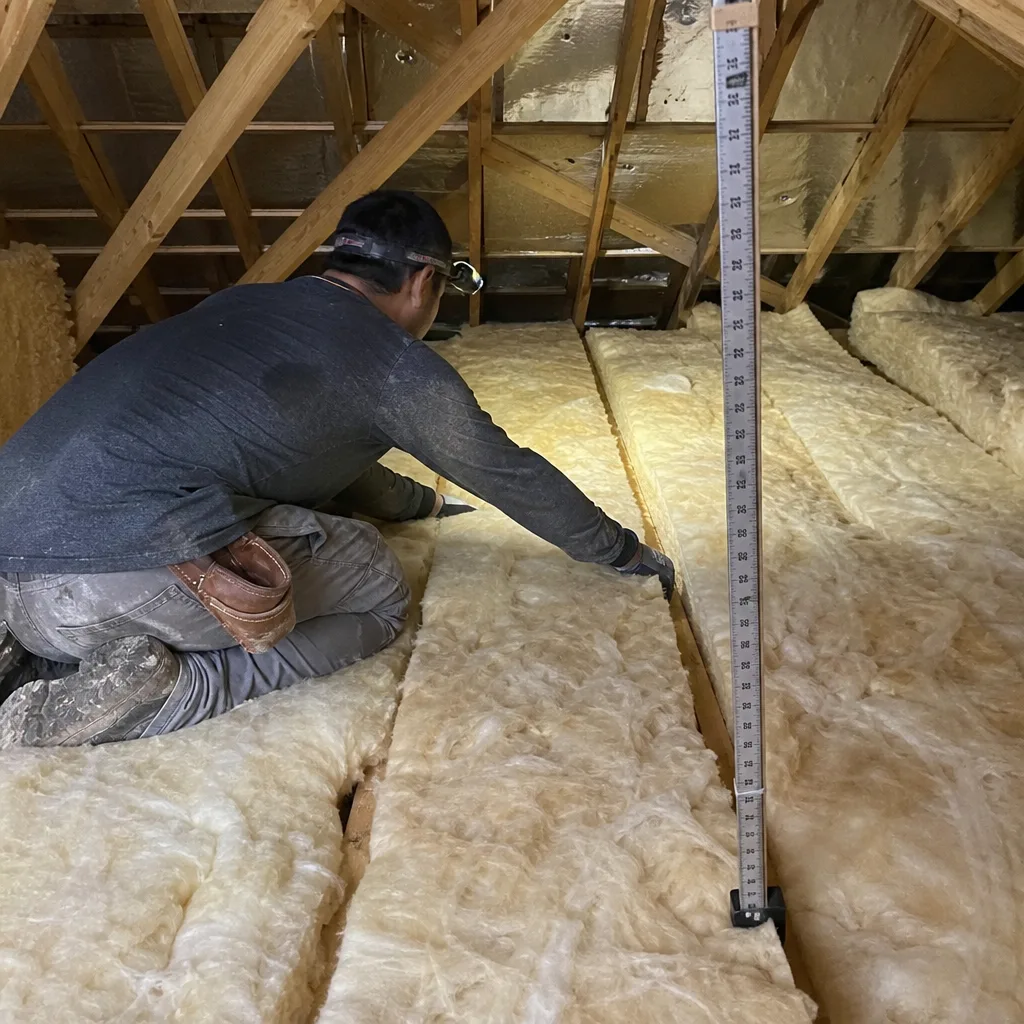
There are real ways to reduce what you pay without reducing what you get, and a few shortcuts that look like savings but aren’t.
Get a Written, Line-Item Estimate Before Agreeing to Anything
Under Haven Standard Clause 1, we give you a flat price, written scope, and written warranty before anyone lifts a tool. That written document is the basis for any honest comparison. If you have a competing quote, bring it to us. We offer a free second opinion on any written estimate – we’ll read it with you and tell you exactly what you’re comparing, including whether the scope covers air sealing before insulation or just blows new material over whatever’s there now. Call (830) 420-0953 to set that up at no charge.
Combine Wall Insulation with Attic Work
If your attic insulation is also thin or degraded – very common in Converse homes from the 1990s – scheduling both projects together reduces mobilization cost. Our crew shows up once with equipment already staged. The per-square-foot cost of wall work doesn’t change, but the flat overhead of the job (setup, patching materials, disposal) gets shared across both scopes. Homeowners who combine attic and wall work in a single project often save $200 to $500 compared to doing them separately.
Check for Utility Rebates
CPS Energy serves most of the Converse area and periodically offers rebates on insulation upgrades meeting specific R-value thresholds. The exact rebate amounts change year to year and are tied to IECC compliance. As of 2026, insulation improvements that bring walls to R-13 or better in existing homes have qualified in past program cycles. We include rebate-eligibility notes in the written estimate when applicable so you know before you commit whether any credit is available.
Don’t Skip Air Sealing to Cut Cost
This is the shortcut that looks like savings and isn’t. Adding R-15 batts to a leaky wall does improve the wall’s thermal resistance. But if the top plates and electrical penetrations are still open, conditioned air keeps moving through the wall assembly. You’ve paid for insulation that’s working at half its potential because the air bypass is still there. Envelope Insulation Co. seals first, then insulates – always in that order – because the alternative produces a documented, measurable result that’s worse than the full scope would have been. We’ve seen this on blower-door tests. The numbers don’t lie.
Ask About Material Options Up Front
Blown-in cellulose versus blown-in fiberglass is a $0.10 to $0.15 per square foot difference in material cost with minimal performance variation on most Converse wall retrofits. If budget is genuinely tight, cellulose is a reasonable choice for interior partition walls where moisture risk is low. Being specific about your priorities – soundproofing, moisture resistance, maximum R-value, or budget – lets us spec the right material rather than defaulting to the most expensive option.
FAQs – Wall Insulation Cost in Converse
How much does wall insulation cost per square foot in Converse, TX?
Installed wall insulation in Converse runs $1.40 to $4.25 per square foot depending on material. Blown-in cellulose sits at the low end ($1.40-$2.10); closed-cell spray foam sits at the high end ($3.25-$4.25). Most retrofit jobs on standard 2×4-framed Converse homes using blown-in fiberglass land between $1.50 and $2.25 per square foot installed, which for a typical 1,400 sq ft single-story home works out to roughly $1,100-$1,800 for the wall scope alone. Call (830) 420-0953 for a written estimate specific to your home’s dimensions and framing.
Do I need a permit to insulate my walls in Converse?
For most retrofit insulation work in Converse – drilling and filling existing walls without structural changes – no building permit is required under current Bexar County residential code. If the project involves opening walls for any structural modification, adding exterior rigid foam that changes siding attachment, or any work touching mechanical systems, a permit may be required. We research permit requirements as part of every job scope and include that information in the written estimate before anything starts.
Is wall insulation worth it in Converse’s climate?
Yes, particularly for homes built before 2000 that have either no wall insulation or original batts that have slumped or gotten wet. Converse summers are long and hot – design temperatures above 100°F are common, and wall assemblies without adequate insulation transfer significant heat load into conditioned space. We’ve measured blower-door improvements of 30-45% on Converse homes where wall and attic air sealing were both addressed in the same project. That translates to measurable utility bill reduction and noticeably more even room temperatures. The payback period on wall insulation in this climate, combined with available CPS Energy rebates, typically runs 5-9 years depending on the scope.
Can you insulate walls without removing drywall?
Yes. Retrofit blown-in installation – fiberglass or cellulose – is specifically designed for existing walls with intact drywall. Small holes (typically 2 inches) are drilled at the top of each stud bay, material is injected through a fill hose, and the holes are patched. The patches require paint to fully disappear, but the drywall itself stays in place. The one case where we recommend opening a wall section is when there’s evidence of past water intrusion or existing insulation that’s wet and needs removal before new material goes in. We confirm that during the initial assessment before writing the price.
What’s the difference between wall insulation and attic insulation cost?
Attic insulation is generally cheaper per square foot than wall insulation because access is straightforward and large volumes of material can be blown in quickly. Blown-in attic insulation in Converse typically runs $1.00 to $1.80 per square foot. Wall insulation costs more per foot because retrofit access requires drilling, filling in vertical cavities (which is slower than horizontal attic fills), and patching. That said, attic projects usually cover more square footage, so total project cost can be similar. Many Converse homeowners find that addressing both together – through our Wall Insulation in Converse service combined with attic work – produces the most significant measurable improvement in envelope performance for the total dollar spent. You can read more about the full range of envelope services on our home page.
Does wall insulation help with soundproofing in Converse?
Yes, particularly mineral wool (Rockwool) and open-cell spray foam. Standard fiberglass batt provides modest sound attenuation – roughly STC 39-42 for a typical wall assembly. Mineral wool in the same cavity raises that to approximately STC 45-52 depending on the full assembly. Open-cell spray foam fills the cavity completely with no air gaps, which eliminates the paths through which sound typically passes. Homes near Loop 1604, I-10, or the Converse Parkway corridor see the most benefit from upgraded wall sound control. If sound is a priority, tell us during the estimate and we’ll spec accordingly.
What You Receive When We Leave
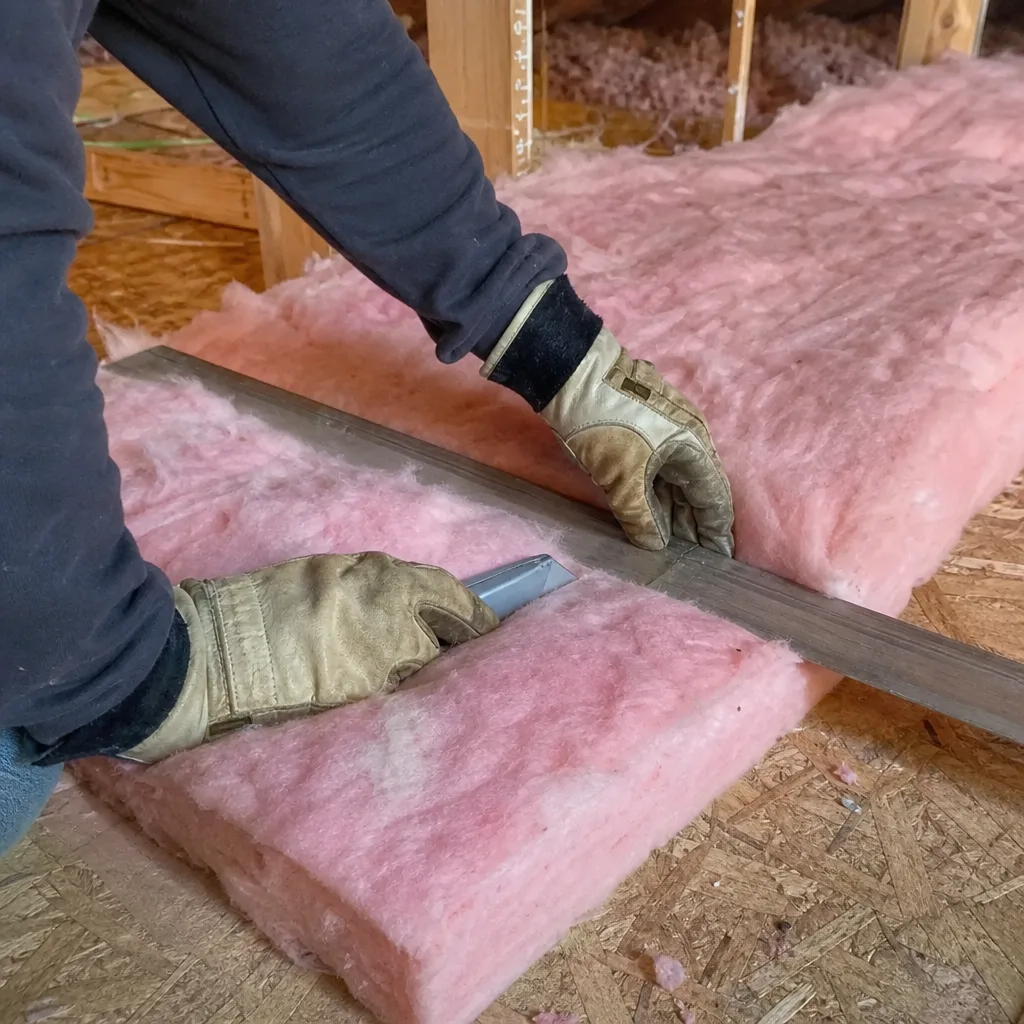
Before we arrive, you have a written price, written scope, and written warranty. That’s Haven Standard Clause 1, and it applies to every project regardless of size. When the crew leaves, you have a Documented Photo Record showing wall access points, fill confirmation, and patched surfaces. On applicable projects – any job where attic or envelope air sealing is part of the scope – you also receive before-and-after blower-door readings, the pressurization measurements that show in a single number what your building envelope was doing before and what it’s doing now. And you have the 365-Day Done Right Promise in writing: if it’s not done right, we make it right.
That documentation matters particularly for homeowners who plan to sell. A buyer’s inspector who finds properly documented, recently installed wall insulation with before-and-after performance readings is reading a different story than one who finds aging, slumped batts with no record of when they went in or who put them there.
Wes Okafor leads every project scope review at Envelope Insulation Co., operating in Converse under the name Topside Attic Insulation Converse since 2016. If something about the written estimate doesn’t look right to you, Wes reviews it directly. That’s not marketing language – it’s the person whose name is on the work.
Key Takeaways
- Wall insulation in Converse, TX costs $1.40 to $4.25 per square foot installed, depending on material and access method.
- Most retrofit jobs on Converse homes (blown-in fiberglass or cellulose) run $1,200 to $3,400 total for the full exterior wall scope.
- Air sealing comes first – we seal top plates, can lights, and penetrations before any insulation is added. It’s a hard prerequisite, not an upsell.
- Before-and-after blower-door readings are provided on applicable jobs so you can verify the performance change in a single number.
- A written price, written scope, and written warranty are delivered before any work starts – every time, no exceptions.
- The 365-Day Done Right Promise covers all completed work in writing.
- CPS Energy rebates may apply depending on the scope and the current program cycle – we include eligibility notes in the estimate.
- Combining wall insulation with attic work in one project typically saves $200-$500 compared to scheduling them separately.
Get a Written Estimate for Your Converse Home
If you know your home’s square footage and approximate build year, we can give you a ballpark range in a short phone call. If you want a written price tied to your actual walls, we schedule an on-site assessment, document what we find, and deliver a flat written price before any work starts. No work begins without that document in your hand.
Call (830) 420-0953 to schedule a free estimate. A live person answers – no voicemail, no callback window measured in business days. If you have a written estimate from another contractor, bring it. We’ll read it with you as part of our free second opinion and explain exactly what you’re comparing.
Envelope Insulation Co., operating as Topside Attic Insulation Converse, has completed work on more than 9,000 homes since 2016 – every one with a written price before work started and a documented record when the crew left. That’s the Haven Standard, and it applies to your project too.
Written by Wes Okafor, Owner at Topside Attic Insulation Converse (Envelope Insulation Co.), serving Converse, TX since 2016.
Pricing reflects the Converse market as of 2026. Topside Attic Insulation Converse offers free estimates – call (830) 420-0953.
What Our Customers Say
"Turned up on time, protected the hallway, and the written scope matched what was actually done."
- Bruno S."They air-sealed the attic floor before insulating and showed me the blower-door number before and after. The upstairs is finally the same temperature as downstairs."
- Marisol D."Crawl space encapsulation done properly. Photographs of the vapour barrier at every seam, and the damp smell in the hallway is gone."
- Ainsley P.