
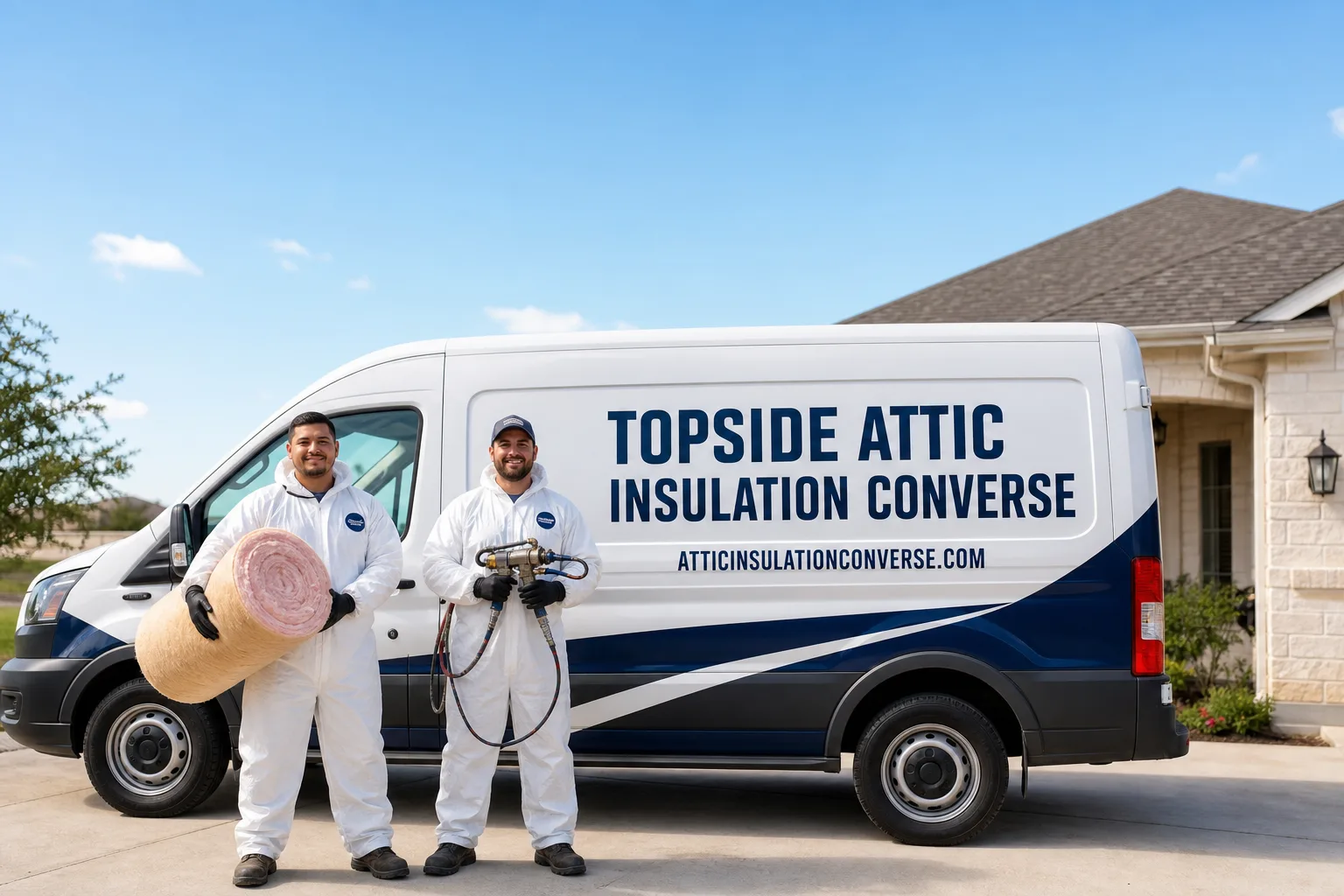
How Much Does a Home Energy Audit Cost in Converse?
A home energy audit in Converse, TX typically runs between $250 and $650 for a standard single-family home, with most homeowners paying around $350-$400 for a full blower-door test and written diagnostic report. Larger homes above 2,500 square feet, or homes with crawl spaces and complex duct systems, can reach $600-$800. If you’re comparing bids, the number that matters most isn’t the audit price itself – it’s whether the auditor hands you documented before-and-after blower-door readings you can actually use.
Home Energy Audit Cost Breakdown (2026)
A Home Energy Audit in Converse is not one service – it’s a set of diagnostic tests, and pricing depends on which tests your auditor performs. Here’s how the line items typically stack up in the Converse market this year:
| Audit Component | Typical Cost Range | What You Get |
|---|---|---|
| Blower-door test (air leakage) | $150 – $300 | A pressurization reading (CFM50) showing how much conditioned air your building envelope loses |
| Thermal imaging / infrared scan | $100 – $250 | Camera pass through walls, attic, and crawl space to find insulation gaps and moisture intrusion |
| Duct leakage test (duct blaster) | $75 – $150 | Measures how much conditioned air leaks out of ductwork before reaching living spaces |
| Basic visual walkthrough only | $100 – $200 | Technician notes and written summary; no pressurization data |
| Full audit (blower door + IR + duct test + written report) | $300 – $650 | Complete diagnostic package with documented readings and a prioritized improvement list |
| Full audit + air sealing work (bundled) | $800 – $1,800+ | Audit findings acted on same visit; before-and-after blower-door numbers confirm the result |
The single biggest driver of audit cost is whether pressurization equipment – specifically a blower-door test rig – is actually used. A technician who walks through your attic with a flashlight and writes a report is doing a visual inspection, not a diagnostic audit. The blower-door test is the measurement that tells you, in one CFM50 number, how leaky your building envelope actually is. Without it, any insulation recommendation is a guess. At Envelope Insulation Co., operating as Topside Attic Insulation Converse, Wes Okafor has run that pressurization test on homes across Converse since 2016, and the before-and-after numbers are documented on every applicable job – not summarized, not paraphrased, documented.
For context on what the numbers mean: a typical 1,800-square-foot Converse home built in the 1990s often reads between 3,500 and 5,500 CFM50 before any air sealing. Homes in the Converse Meadows and Western Hills neighborhoods, where slab-on-grade construction is common and attic can-light penetrations are rarely sealed from the factory, tend to land toward the higher end of that range. After thorough attic air sealing – top plates, can lights, plumbing penetrations – that same home routinely tests below 2,200 CFM50. That’s the number worth paying for.
What Affects Home Energy Audit Pricing in Converse
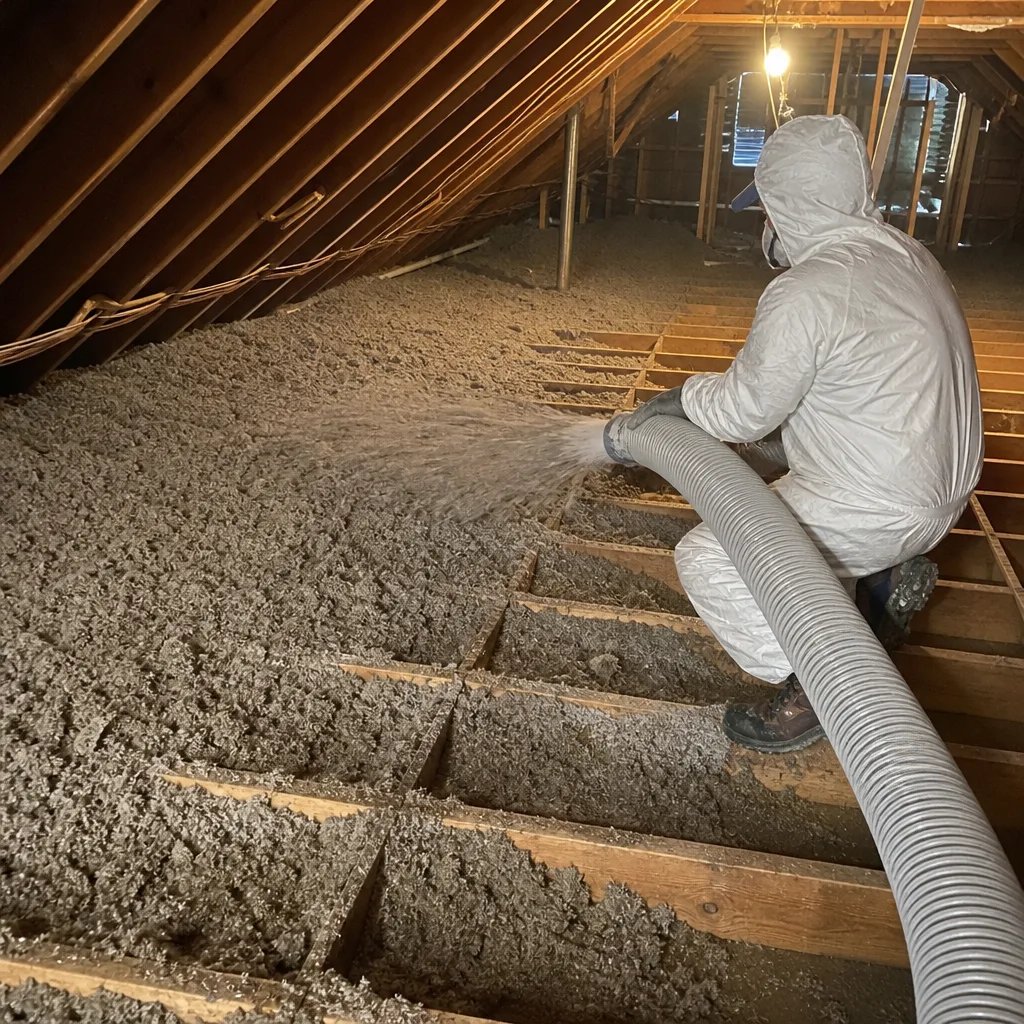
Six variables consistently move the price up or down in the Converse market. Understanding them before you book helps you compare bids on equal terms.
- Home square footage. Most auditors price in tiers: under 1,500 sq ft, 1,500-2,500 sq ft, and over 2,500 sq ft. Larger homes take longer to pressurize, scan, and document. A 3,200-square-foot home near Judson Road will almost always cost more to audit than a 1,400-square-foot home in the older sections of Converse near FM 78.
- Slab vs. pier-and-beam vs. crawl space foundation. Converse is predominantly slab-on-grade, which simplifies the below-grade portion of an audit. If your home has a crawl space – less common here but not rare in the older stock near Converse Lake – expect to add $75-$150 for the extra inspection time and equipment setup.
- Number of HVAC systems and duct runs. Each air handler adds a duct blaster test. Homes over 2,200 square feet in Converse often have two zones with two separate duct systems, which doubles the duct-leakage measurement time and adds roughly $75-$100 to the total.
- Attic configuration and accessibility. Low-slope roofs and finished attic areas are harder to navigate. Many homes in newer Converse subdivisions built after 2005 have tight truss configurations that slow down infrared scanning. That time cost is real and typically reflected in the price.
- Audit purpose: standalone diagnostic vs. pre-work baseline. If you’re booking an audit before insulation removal and replacement, or before a major air-sealing project, the auditor may credit the audit fee against the work – reducing your out-of-pocket on the diagnostic itself. Ask specifically whether a credit applies before you sign anything.
- San Antonio metro summer heat load. Converse sits about 14 miles northeast of downtown San Antonio and shares the region’s heat profile: summers routinely push 95-100°F for weeks at a stretch, which means attic temperatures in poorly insulated homes regularly exceed 140°F. That heat load makes duct leakage and radiant gain more costly than in cooler markets, and it’s why a thorough audit here produces more actionable data than a similar audit in a milder climate. The diagnostic is doing more work.
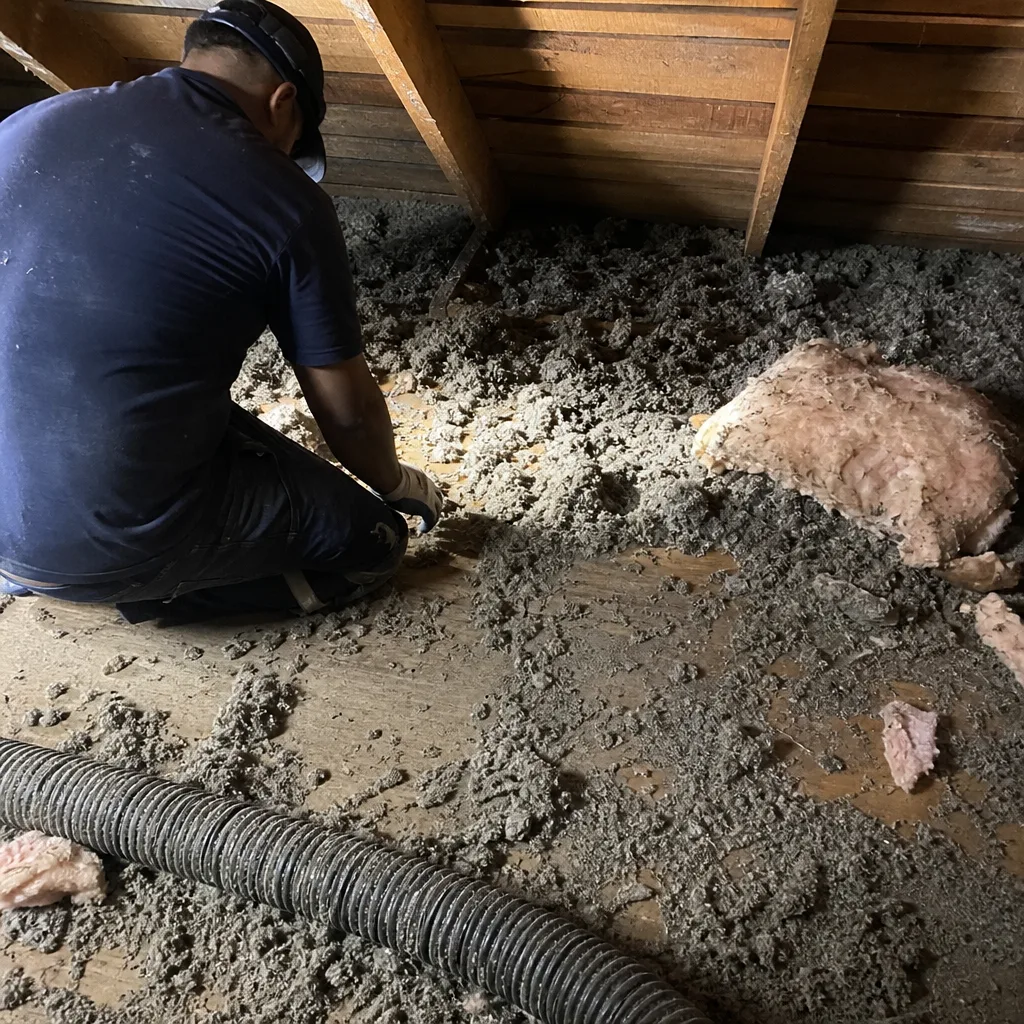 Before
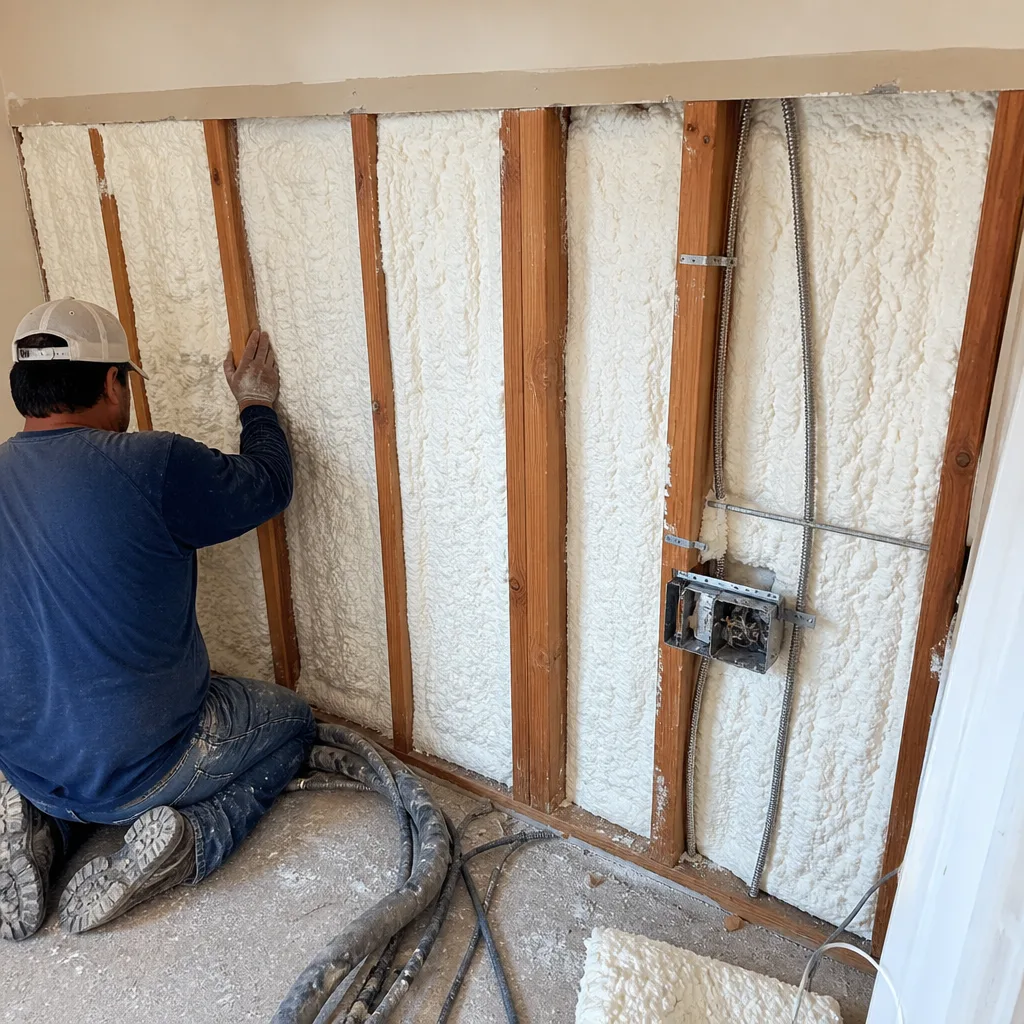 After
AfterHow to Save on a Home Energy Audit in Converse
There are four practical ways to reduce what you spend on a home energy audit in Converse without giving up diagnostic accuracy.
Bundle the audit with the work. If you already know your attic insulation is inadequate – you can feel the heat radiating through your ceiling in July, or you’ve seen blown-in insulation that’s settled below R-15 – booking a standalone audit and then separately booking insulation work means two mobilizations, two written scopes, two service calls. Many contractors, including Envelope Insulation Co., will fold the diagnostic into the overall project price when both are scheduled together. The blower-door baseline still gets run – that number matters too much to skip – but the audit fee isn’t a separate line item on your invoice.
Check CPS Energy rebate programs. CPS Energy, which serves most of the Converse service area, has historically offered rebates for qualifying energy-efficiency improvements. The rebate structure changes year to year, but the underlying audit is often the gateway to any rebate eligibility. A qualifying audit report is documentation you’ll need anyway. Confirm the current rebate schedule directly with CPS Energy before booking, because a rebate that was available in 2024 may have different terms in 2026.
Use a free second opinion before committing. If you have a written estimate from another auditor or contractor, Envelope Insulation Co. will read it with you – under the Haven Standard – at no charge. This is particularly useful if a competing bid includes a “diagnostic fee” that seems disproportionate to the work described, or if the scope of the audit doesn’t specify whether a blower-door test is included. Knowing what you’re buying before you buy it is the point of a written price.
Prioritize the blower-door test over add-ons. Infrared cameras are useful, and duct blaster tests are genuinely informative – but if your budget is tight, the blower-door test alone tells you more about your building envelope than any visual inspection. A CFM50 reading before and after air sealing is the number that proves whether the work actually changed anything. Start there.
For a written price on a Home Energy Audit in Converse – with the full scope listed before anyone shows up – call (830) 420-0953. Estimates are free, and the price is in writing before any work starts. That’s not a policy option; it’s how every job works under the Haven Standard.
What Does a Home Energy Audit in Converse Actually Include?
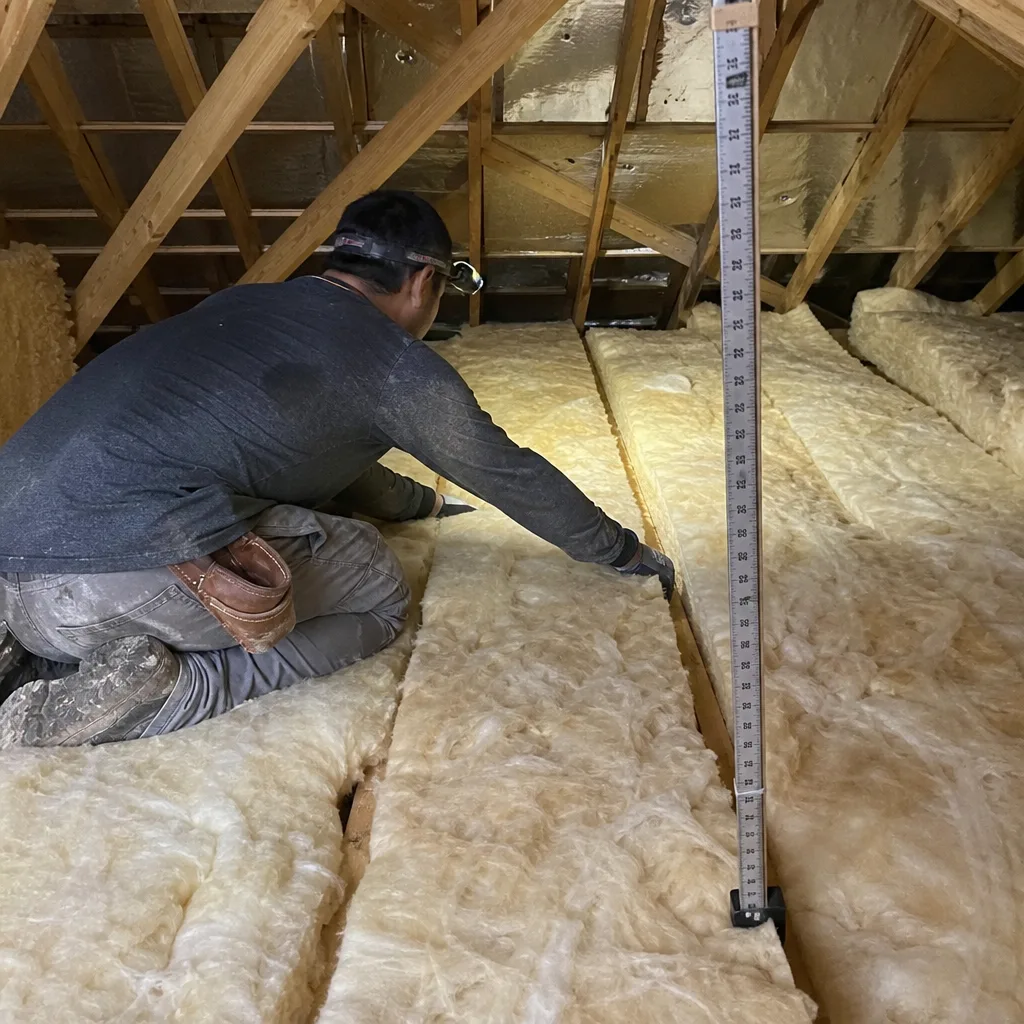
This question matters more than most homeowners realize, because the word “audit” gets applied to services that vary enormously in what’s actually measured. Here’s what a thorough audit in Converse should produce, and what you should have in hand when the technician leaves.
The Blower-Door Test
A blower-door test – the pressurization measurement that shows, in a single CFM50 figure, how much conditioned air your building envelope loses – is the foundation of any useful energy audit. The technician mounts a calibrated fan in an exterior door frame, depressurizes the house to a standard 50 pascals of negative pressure, and records the airflow required to maintain that pressure. That number is your CFM50 baseline. A result above 3,000 CFM50 on a 1,600-square-foot Converse home indicates meaningful air-sealing work is warranted. Below 1,500 CFM50 on the same home suggests a reasonably tight envelope. The number is objective; it doesn’t require interpretation or trust in the technician’s opinion.
After any air-sealing work, the test is run again. Wes Okafor publishes both numbers on every applicable job at Envelope Insulation Co. – the before reading and the after reading – so the homeowner can verify that the sealing work actually moved the needle. If a contractor won’t provide an after-test number, ask why.
Infrared Thermal Imaging
An infrared camera pass through the attic floor, exterior walls, and sometimes the crawl space reveals temperature differentials that indicate missing insulation, insulation gaps, or moisture intrusion. In Converse, the most common findings during an infrared scan are: unsealed can-light penetrations in the attic floor acting as convective chimneys; top-plate gaps at interior wall intersections where insulation was never installed; and duct sections running through unconditioned attic space that are poorly insulated or have separated joints. None of these problems are visible from below without the camera.
Duct Leakage Testing
The duct blaster – a pressurization device attached to the air handler’s return – measures how much conditioned air escapes ductwork before reaching the living space. In older Converse homes with original flex duct, it’s common to find 20-30% duct leakage. That means one in four or five dollars you spend on air conditioning is cooling your attic, not your house. The test produces a CFM25 or CFM50 number specific to your duct system, which gives you a basis for deciding whether duct sealing is worth the investment before you re-insulate.
The Written Report
At the end of a proper audit, you should have a written report that includes: your blower-door CFM50 baseline; infrared images with notes on specific locations; duct leakage readings; and a prioritized list of recommended improvements with estimated impact on each. Not a verbal summary. Not a “we’ll email it to you.” A document you can compare against a second opinion or share with another contractor.
At Envelope Insulation Co., the Documented Photo Record is included on every visit – not available on request. The written scope and written price come before any work starts. That structure isn’t about being thorough for its own sake; it’s what makes the 365-Day Done Right Promise enforceable. If the scope is written and the after-test number is documented, there’s no ambiguity about whether the work was completed as agreed.
Converse-Specific Factors That Change Audit Findings
Converse is not a generic Texas suburb when it comes to building envelope performance. A few local conditions consistently show up in audit reports here, and knowing them in advance helps you understand why the diagnostic findings matter.
Slab construction and interior partition leakage. Most Converse homes built between 1985 and 2010 are slab-on-grade with wood-framed walls. The top plates of interior partition walls – the horizontal lumber at the ceiling – are rarely sealed at the attic floor. Each gap acts as a direct conduit between the living space and the attic. In a home in the Woodlake or Crestdale sections of Converse, it’s common to find 15-20 individual unsealed top-plate gaps in the attic floor, each contributing to the blower-door number. Sealing them is straightforward; finding them without a blower-door test and a can of smoke is not.
Can-light penetrations. Recessed can lights installed through the attic floor are a direct hole in the building envelope, and older non-IC-rated fixtures can’t be insulated over safely – a detail that matters during the sealing phase. In Converse neighborhoods built during the 1990s housing expansion along IH-10 East, can lights in kitchen ceilings are nearly universal, and their attic-side penetrations are almost never factory-sealed.
Heat gain from unshaded west-facing rooflines. Many Converse subdivisions oriented in standard grid patterns put west-facing roof slopes directly into afternoon sun from May through September. Attic temperatures in these orientations regularly exceed 140°F on July afternoons. A radiant barrier installation reduces that heat transfer, but a blower-door test completed before any insulation work tells you whether radiant gain or air infiltration is the bigger problem first. Skipping the diagnostic and going straight to insulation is how homeowners end up with a well-insulated but still-leaky attic.
Humidity and vapor management. Bexar County’s climate – hot, moderately humid summers followed by dry winters with occasional freezing events – creates bidirectional vapor pressure across the building envelope. An audit conducted in summer measures a different vapor gradient than one run in January. If moisture management is part of your concern, tell the auditor upfront so they can calibrate the infrared scan for it.
When to Book a Home Energy Audit in Converse
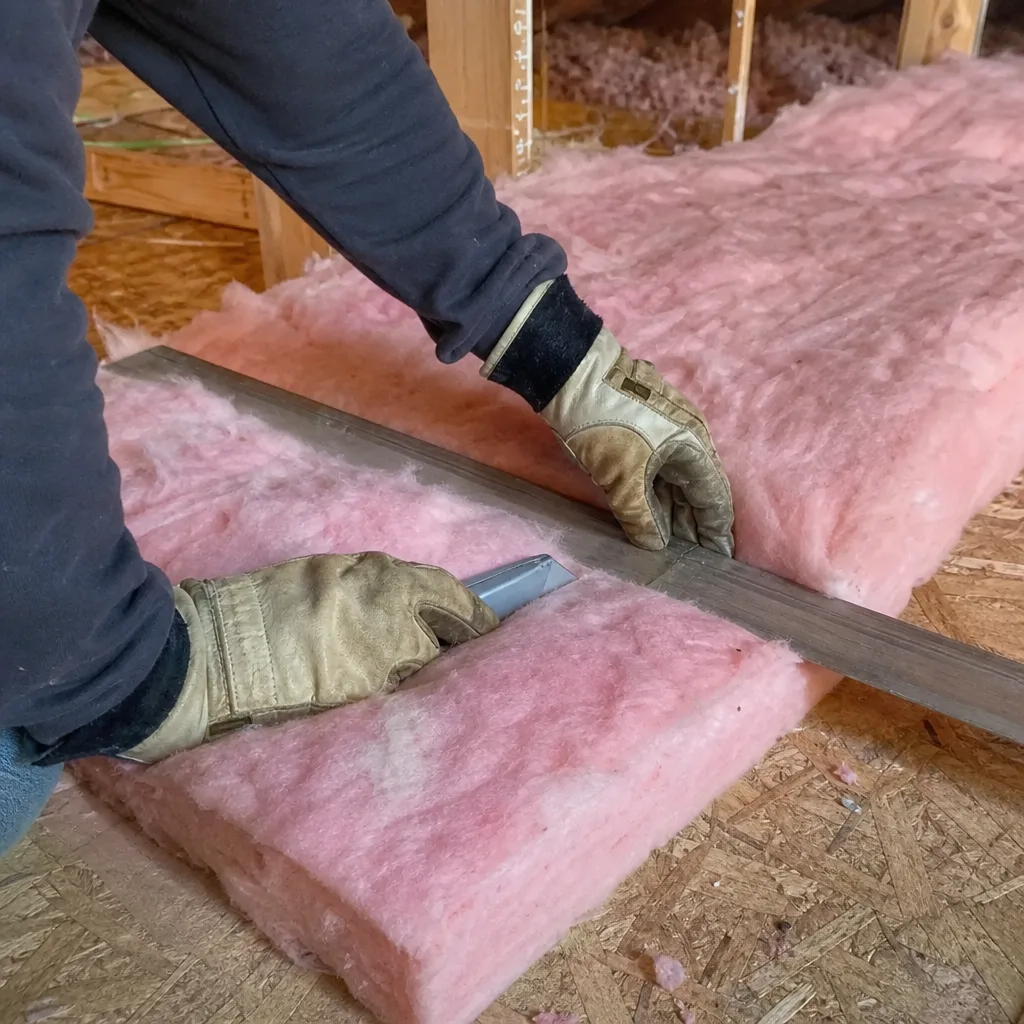
The best time to audit is before you commit to any insulation work. If a contractor quotes you insulation without first establishing your CFM50 baseline, you have no way to measure whether their work improved your building envelope or simply added material over existing problems. This is why, at Envelope Insulation Co., air sealing comes before insulation – not as an upsell tacked on after the estimate, but as a prerequisite. Insulation blown over an unsealed attic floor slows conductive heat transfer but does nothing about the conditioned air leaving through every unsealed penetration.
Practically speaking, fall (October-November) is the most useful window for a Converse home audit. Temperatures are mild enough for a blower-door test without creating uncomfortable interior conditions, and you’ll have documented findings in hand before the winter heating season and well before next summer’s cooling bills arrive. Spring (March-April) is the second-best window for the same reason.
If your home’s energy bills have increased noticeably in the last two to three years without a major occupancy or usage change – a common complaint in the older Converse stock east of Loop 1604 – that’s a strong indicator the building envelope has degraded and an audit will pay for itself in prioritized repair decisions.
FAQs – Home Energy Audit Cost in Converse, TX
How much does a home energy audit cost in Converse, TX?
A home energy audit in Converse typically costs between $250 and $650 for a full diagnostic – blower-door test, infrared scan, and written report. Basic visual-only inspections start around $100-$200, but they don’t produce the CFM50 pressurization number that makes findings verifiable. Most homeowners in Converse with homes between 1,500 and 2,500 square feet land in the $300-$450 range for a complete audit. Call (830) 420-0953 for a written price before any work begins – estimates are free.
Is a home energy audit worth the cost in Converse?
For most Converse homeowners, yes – specifically because the audit tells you which fix to prioritize. A blower-door test reading of 4,800 CFM50 on a 1,800-square-foot home means air sealing should come before any insulation upgrade. Without that number, contractors are recommending work based on visual judgment rather than measurement. The audit cost ($300-$450) is typically recovered within the first year if it redirects even one significant expenditure toward the right repair first.
Does a home energy audit include the blower-door test?
Not always – and this is the most important thing to confirm before booking. Some auditors offer “energy audits” that are visual inspections with no pressurization equipment. A real blower-door test uses a calibrated fan mounted in a door frame and records a CFM50 figure. Ask specifically: “Will you run a blower-door test and give me the CFM50 reading in writing?” If the answer is vague, the audit likely won’t include it. At Envelope Insulation Co., the blower-door reading is documented before and after any air-sealing work on every applicable job.
Can I get a rebate for a home energy audit in Converse?
Possibly. CPS Energy, which serves most of the Converse service area, has historically offered incentives tied to qualifying energy efficiency improvements, and a documented audit report is typically required to access them. The specific rebate amounts and eligibility requirements change year to year, so confirm the current 2026 program terms directly with CPS Energy before booking. The audit documentation you receive – blower-door readings, written report – is what makes you eligible for those programs, which is another reason to verify that pressurization data is included in your audit scope.
How long does a home energy audit take in Converse?
A full audit on a 1,500-2,000 square foot Converse home takes approximately 2 to 3 hours on site. Larger homes with multiple HVAC systems or crawl spaces run 3 to 4 hours. The blower-door test itself takes 30-45 minutes including setup; the infrared scan pass through the attic and walls adds another 45-60 minutes. The written report is typically delivered same day or within 24 hours. If a company quotes you a 45-minute “full audit,” ask what they’re skipping.
Key Takeaways
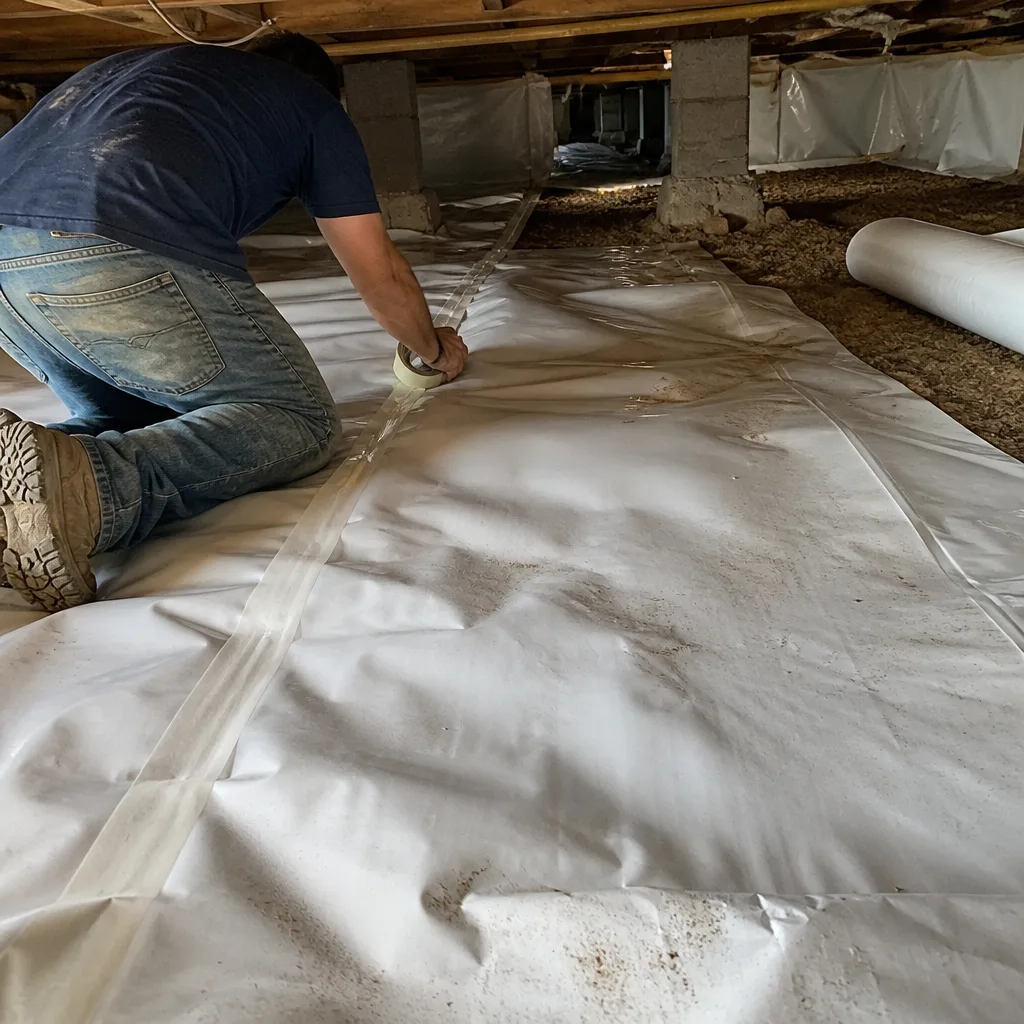
- Home energy audits in Converse run $250-$650 for a full diagnostic, with most homes in the $300-$450 range.
- The blower-door test – which produces a CFM50 air-leakage reading – is the most valuable single component of any audit. Confirm it’s included before booking.
- Slab construction, unsealed can-light penetrations, and top-plate gaps are the three most common findings in Converse homes built between 1985 and 2010.
- An audit conducted before insulation work is installed tells you whether air sealing or additional insulation is the higher-priority fix – a distinction that changes the repair cost significantly.
- Written scope, written price, and documented before-and-after readings are what make an audit result verifiable. Ask for all three before any contractor begins.
- The 365-Day Done Right Promise applies to all completed work at Envelope Insulation Co. – if it’s not done right, it gets made right, with the written scope as the reference point.
Ready to Book a Home Energy Audit in Converse?
Wes Okafor and the team at Envelope Insulation Co., operating as Topside Attic Insulation Converse, have been auditing and sealing homes across Converse since 2016 – more than 9,000 homes completed with a written price before work started and a documented record when the crew left. Every audit begins with a free written estimate and ends with documented readings you can keep, compare, or use to qualify for utility rebates.
Under Haven Standard Clause 1: a flat price and written scope are in your hands before anyone lifts a tool. The blower-door readings are documented. The 365-Day Done Right Promise is in writing. If a second opinion on a competing estimate would help you decide, bring the quote – that review is free too.
To schedule a home energy audit in Converse with a written price before any work starts, call (830) 420-0953. A live person answers – no voicemail loop, no callback window measured in business days.
Pricing reflects the Converse, TX market as of 2026. Topside Attic Insulation Converse offers free estimates – call (830) 420-0953.
Written by Wes Okafor, Owner at Envelope Insulation Co. (Topside Attic Insulation Converse), serving Converse, TX since 2016.
What Our Customers Say
"They air-sealed the attic floor before insulating and showed me the blower-door number before and after. The upstairs is finally the same temperature as downstairs."
- Marisol D."Crawl space encapsulation done properly. Photographs of the vapour barrier at every seam, and the damp smell in the hallway is gone."
- Ainsley P."Two other companies quoted to blow more insulation on top of what was there. These were the only ones who said the existing material had to come out first, and explained why."
- Clifford E.