
Attic Insulation Replacement in Converse, TX
Our Attic Insulation services in Converse, TX typically run between $1,400 and $3,800 for a standard single-story home, depending on square footage, current insulation condition, and whether air sealing is included – which at Topside Attic Insulation Converse, it always is. We remove what’s failing, seal the attic floor before any new material goes in, and document the result with before-and-after blower-door numbers so you can see the performance change in a single measurable figure.
Most Converse homeowners reaching out about replacement are dealing with one of two situations: insulation that has compacted, been contaminated by moisture or pests, or simply aged past the point where it still performs – or homes built in the 1980s and 1990s where the original blown fiberglass has settled to R-11 or below when R-38 is the current recommended minimum for this climate zone. Either way, layering new material on top of compromised old insulation is not a fix. It locks in the problem. Under Topside Attic Insulation Converse’s standard approach, every replacement job starts with a full inspection, proceeds through a complete removal, and only reaches the installation phase after air sealing is confirmed complete.
For a full picture of what insulation work looks like in this area, start with our Attic Insulation in Converse page. If you already know replacement is what you need, call us at (830) 420-0953 – a live person picks up, and you’ll have a written price before any work begins.
When You Need Attic Insulation Replacement
Replacement is the right call in specific circumstances – not every insulation job qualifies. Here are the situations where removal and reinstallation is the correct path rather than an Attic Insulation Top-Up or supplemental installation:
- Settled or compacted blown fiberglass below R-19. In homes built across Converse and the wider Bexar County area through the mid-2000s, the original insulation was often installed at 4-6 inches of blown fiberglass – adequate at the time, but now compacted to depths that deliver R-11 to R-14 at best. That’s less than half the current minimum recommendation for Climate Zone 2. Adding more insulation over severely depleted material without addressing the floor first produces inconsistent coverage.
- Rodent or pest contamination. Attic spaces in the Converse and Universal City corridor see consistent pressure from roof rats and squirrels. When rodents nest in insulation, they void it with urine and fecal matter, create channels through the material that eliminate its air resistance, and introduce health hazards that make a top-off inappropriate. Full removal, sanitization, and rodent-proofing are required before any new insulation goes in.
- Water damage or mold growth. Roof leaks – common after hail events in this part of Bexar County – saturate blown cellulose or fiberglass batts. Wet insulation loses R-value immediately and creates conditions for mold colonization. Once mold is present in the insulation layer, replacement is not optional.
- Post-remediation attic work. If you’ve had an HVAC replacement, ductwork repair, or any significant attic renovation, workers moving through the space will have disturbed and compressed insulation unevenly. Spot repairs rarely address the full coverage loss. A fresh start after that kind of disruption often produces a more uniform result.
- Older vermiculite or degraded batt insulation. Some homes in Converse’s established neighborhoods – particularly those built before 1985 – still have original fiberglass batts or, in rarer cases, vermiculite-containing material. Vermiculite from certain sources contains asbestos and must be tested before any disturbance. If it tests positive, licensed abatement and full replacement follow. We can walk you through what that process looks like during the initial inspection.
- Persistent high energy bills without another clear cause. If your home in Converse is running the HVAC hard through summer and the utility bills don’t match the square footage, degraded insulation is a primary suspect. A blower-door test – a pressurization measurement that quantifies air loss through the building envelope in a single CFM50 figure – combined with a thermal scan of the attic floor usually identifies the specific failure point.
Our Attic Insulation Replacement Process
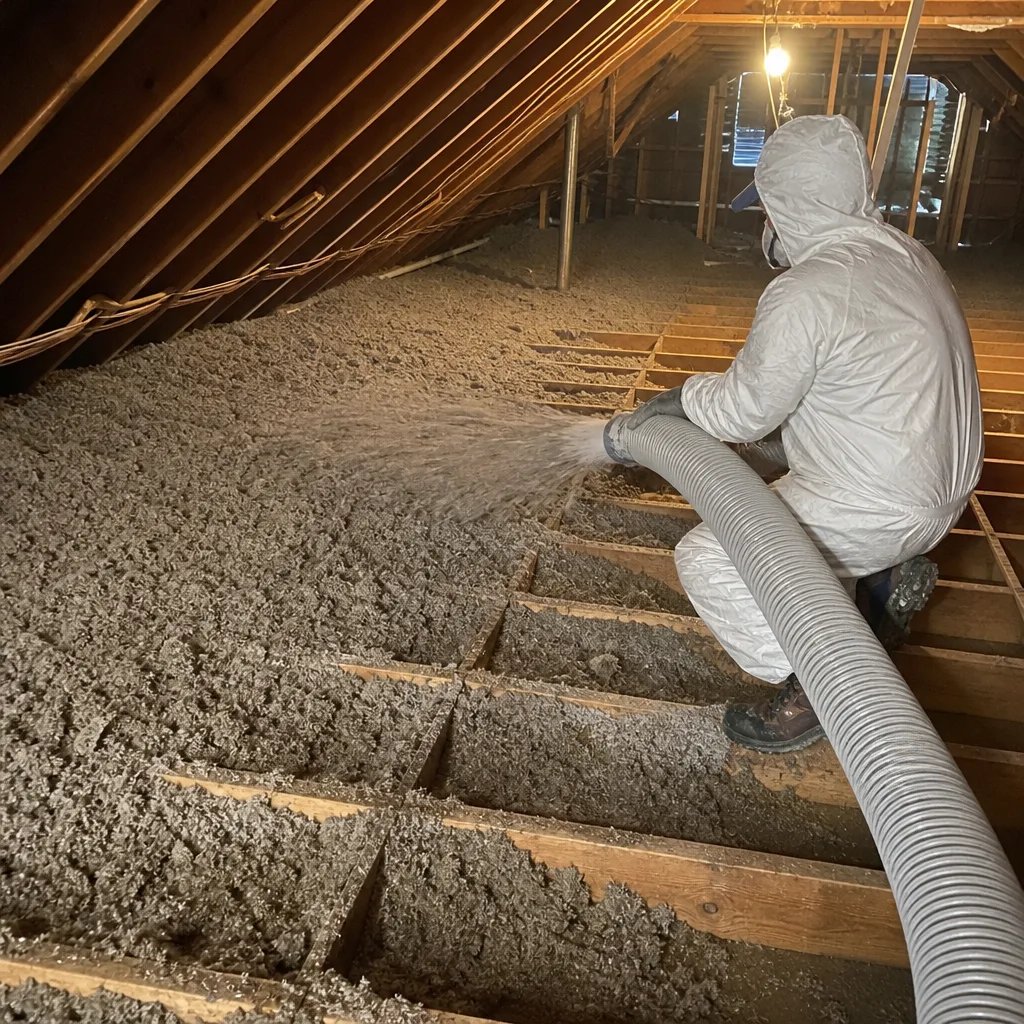
The sequence below is not variable. Wes Okafor built this process around a single premise: insulation performs at its rated R-value only when the air barrier beneath it is intact. Blowing new material over an unsealed attic floor is one of the most common and most expensive mistakes in this trade. We don’t do it.
- Written inspection and scoped estimate before any commitment. A background-checked, uniformed technician inspects your attic – measuring existing depth, identifying contamination, checking for moisture, and documenting what’s there with photographs. You receive a written price and written scope before any work is scheduled. Under Haven Standard Clause 1, no work starts without that written price in your hands. The estimate is free. If you have a competing written estimate, we’ll read it with you – that’s the Free Second Opinion offer, and it applies here.
- Full mechanical removal of existing insulation. We use truck-mounted vacuum equipment to extract the old material from the attic floor, top plates, eave baffles, and around penetrations. Removed material is bagged and hauled off-site. This step includes a thorough inspection of the attic deck for rot, pest entry points, and any signs of active moisture intrusion that need to be addressed before the new installation begins.
- Air sealing – completed before any insulation is installed. This is the step most contractors skip or treat as optional. We seal top plates (the framing members at the top of interior walls where conditioned air leaks directly into the attic), recessed can lights, plumbing and electrical penetrations, attic hatches, and any HVAC boot connections visible from the attic floor. Two-component spray foam and mastic are used at penetrations depending on the geometry. The sealing is completed and inspected before a single bag of new insulation is opened. In Converse homes we work on regularly, this step alone often drops the blower-door reading by 800 to 1,400 CFM50 before new insulation is factored in.
- Blower-door baseline and post-seal measurement. On applicable jobs, we run a blower-door test – a pressurization measurement that shows, in one number, how much air your building envelope is losing – before the sealing work begins and again after it’s complete. The before-and-after numbers are published in your job record. If a competing contractor tells you air sealing is not measurable or not necessary, the blower-door result is your answer.
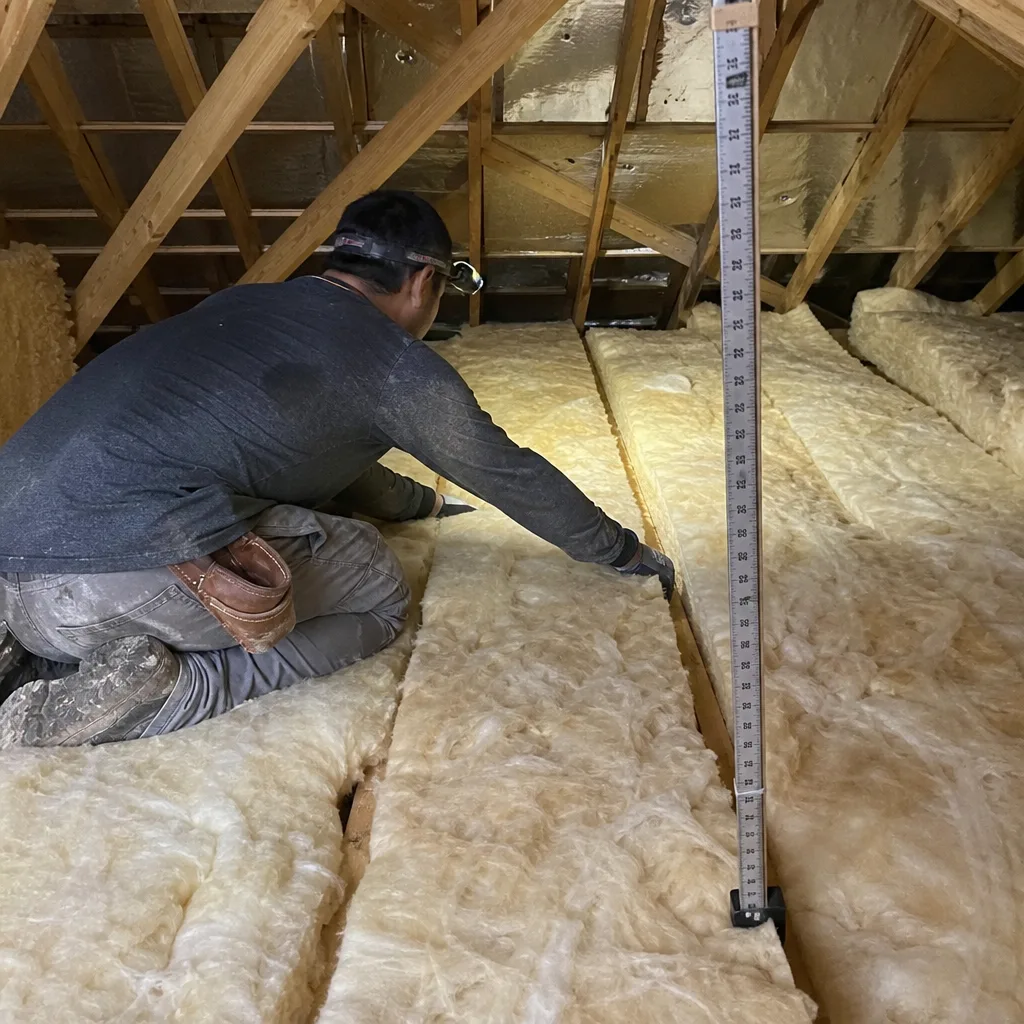
- Installation of new insulation to specified R-value. For most Converse attics, we’re targeting R-38 to R-49 depending on the existing structure and the homeowner’s energy goals. Material selection depends on the attic geometry and any specific performance considerations. We work with Owens Corning blown fiberglass and GreenFiber cellulose on the majority of replacement jobs – both are materials we can source without a proprietary lock-in, and both are well-suited to the heat loads this region puts on an attic from May through September. In tight attic configurations or where the homeowner has specific moisture or fire-rating requirements, Johns Manville products may be the better fit.
- Documented photo record and written warranty delivered at close. Before the crew leaves, you receive a documented photo record of the completed attic floor, depth measurements, and the blower-door results where applicable. The 365-Day Done Right Promise applies in writing: if it’s not done right, we make it right. That promise is documented, not stated verbally.
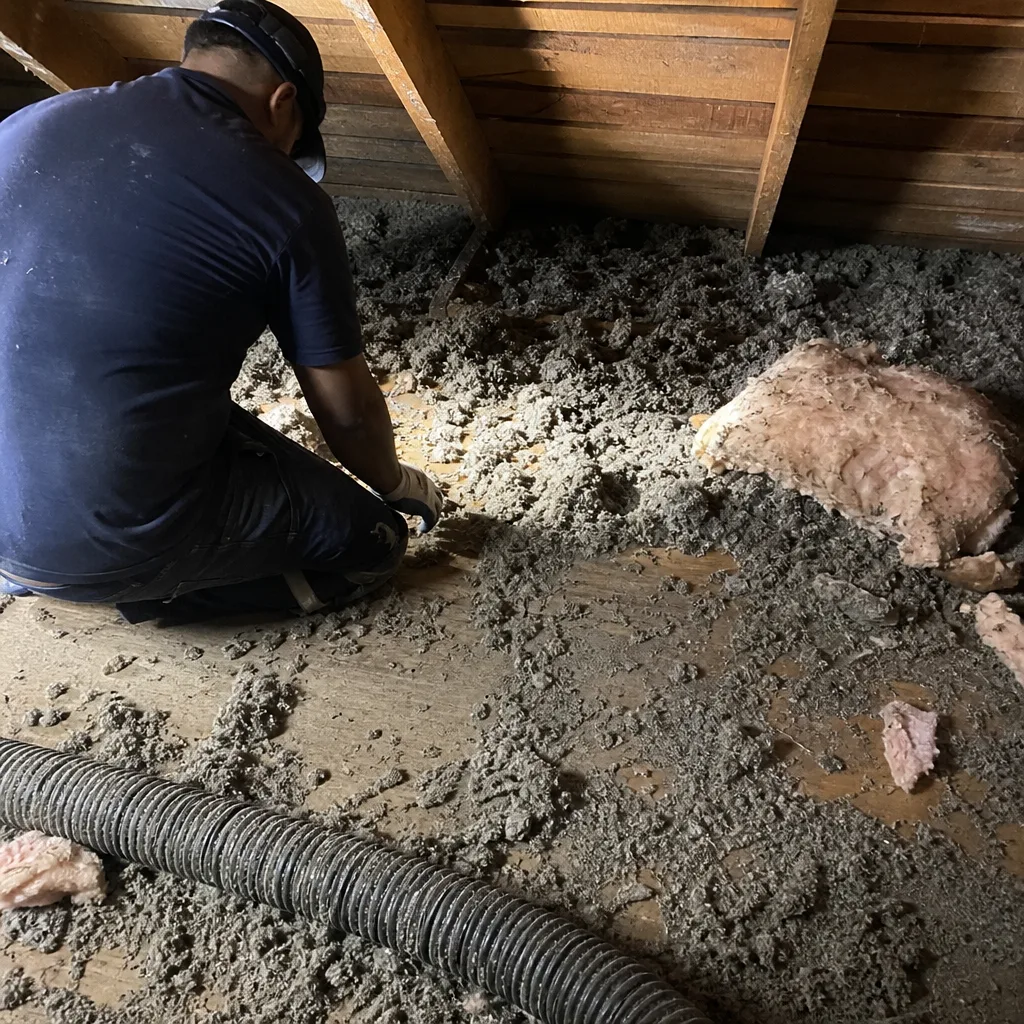 Before
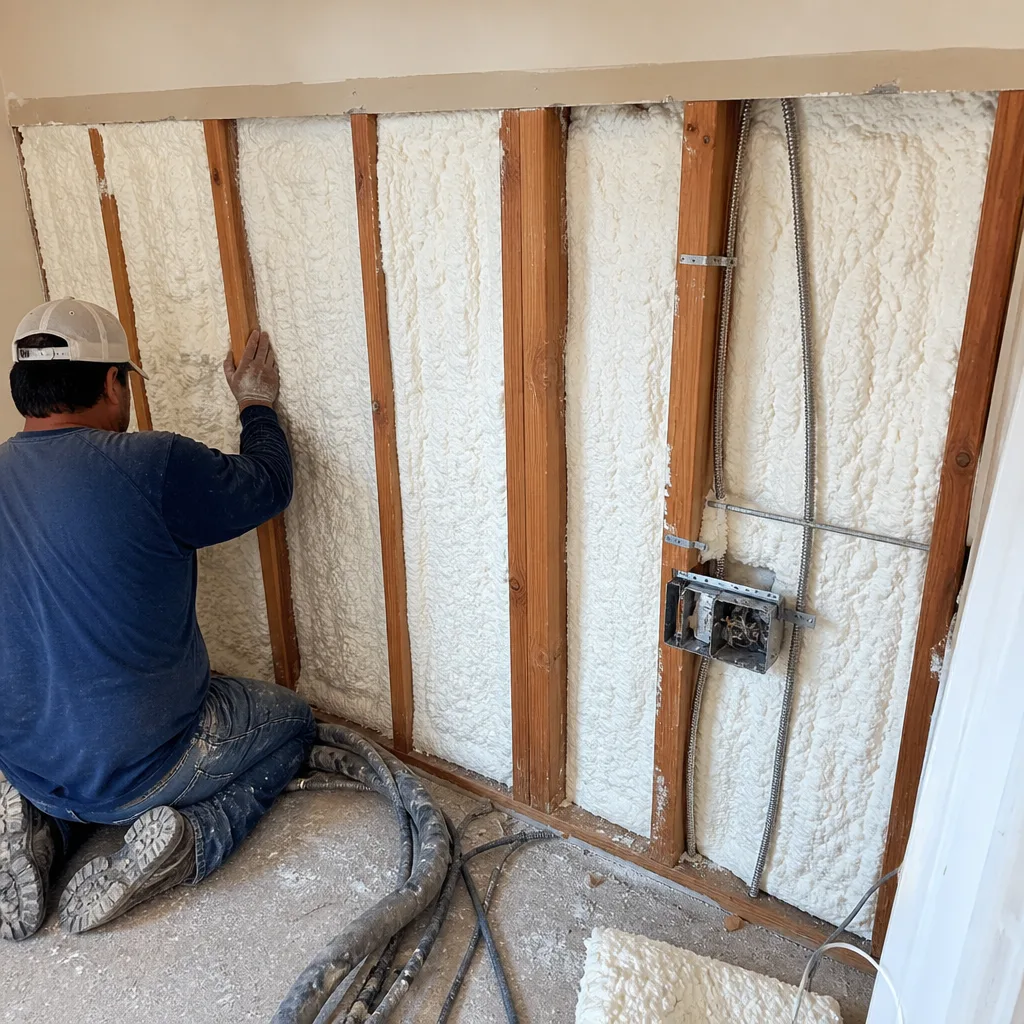 After
AfterAttic Insulation Replacement Pricing in Converse
Most attic insulation replacement jobs in Converse run between $1,400 and $3,800 for a finished, air-sealed installation. The range is wide because the variables that drive cost are real and significant. Here is how the main factors break down:
| Factor | Typical Cost Impact |
|---|---|
| Attic square footage (removal + reinstall, 1,000-1,200 sq ft) | $1,400 – $2,000 |
| Attic square footage (removal + reinstall, 1,600-2,000 sq ft) | $2,000 – $2,900 |
| Attic square footage (removal + reinstall, 2,200-2,800 sq ft) | $2,600 – $3,800 |
| Air sealing at top plates, penetrations, can lights | Included – not priced separately |
| Pest contamination requiring sanitization before removal | Add $200 – $600 depending on extent |
| Vermiculite testing (pre-1985 homes) | Lab test cost disclosed upfront in writing |
| Rodent-proofing / entry point sealing | Priced separately in written scope if needed |
Air sealing is included in every job because it is a prerequisite, not an upsell. A contractor who quotes removal and reinstallation without air sealing is quoting a partial service. The blower-door number will tell the story either way.
The written price you receive before work starts is a flat price – not a “starting at” figure that grows once we’re in the attic. If the inspection turns up something that changes the scope (rodent damage more extensive than visible on the surface, for example), that change is documented in writing before any additional work is authorized. That’s Haven Standard Clause 1, applied without exception.
To get your written estimate, call (830) 420-0953. The inspection is free, the estimate is free, and you leave that conversation with a number in writing before you make any decision.
FAQs – Attic Insulation Replacement in Converse
How long does attic insulation replacement take in a typical Converse home?
Most single-story Converse homes in the 1,400 to 2,000 square foot range are completed in one day – typically six to eight hours from crew arrival to final documentation. That includes removal, debris hauling, air sealing, and installation of new Blown-In Attic Insulation. Larger homes or those with significant contamination requiring sanitization may extend to a second half-day. The written scope you receive before work starts will specify the expected timeline so there are no surprises on the day of the job.
Can you blow new insulation on top of the old material instead of replacing it?
In some cases, yes – but only when the existing insulation is dry, uncontaminated, and present in enough depth to serve as a useful base layer. When old insulation is compacted below R-15, contaminated by pests or moisture, or made up of materials that are degrading, topping it off doesn’t fix the performance problem – it covers it up. An honest inspection will tell you which situation you’re in. If a contractor quotes a top-off without going into your attic to physically check the existing depth and condition, that’s worth a second opinion. Our Free Second Opinion offer applies to any written estimate you’ve already received.
Does replacing attic insulation actually lower energy bills in Converse?
Yes, measurably – and we can show you the number. The combination of air sealing and new insulation to R-38 or above consistently reduces the CFM50 blower-door reading (the measure of air leakage across the entire building envelope) in homes we work on in Converse and the surrounding area. In practical terms, homeowners in comparable homes have reported HVAC runtime reductions of 15 to 25 percent in the first summer after a full replacement. The blower-door before-and-after figures we publish on every applicable job give you a documented baseline rather than an estimate of what you might save.
Do I need a permit for attic insulation replacement in Converse, TX?
Attic insulation replacement – including removal and reinstallation of blown-in or batt insulation – does not typically require a building permit in Converse or the surrounding Bexar County jurisdictions, provided the work is limited to the insulation layer and does not involve structural changes, HVAC modifications, or Attic Baffles & Ventilation Prep. That said, local code interpretations can shift, and if your project involves work beyond the insulation itself, the applicable permit requirement will be identified during your inspection and included in the written scope. We don’t start work on anything that would require a permit without confirming it first.
Why Converse Homeowners Choose Topside Attic Insulation Converse
Wes Okafor started Topside Attic Insulation Converse under the Haven Standard in 2016 with one position that hasn’t changed: air sealing is a hard prerequisite, not an optional line item, and every homeowner deserves a written price before a single tool is picked up. Since then, the company has completed work on more than 9,000 homes – every one with a written scope delivered before work started and a documented photo record handed to the homeowner when the crew left.
Converse presents specific attic conditions worth naming. The area’s climate – sustained heat loads from late April through early October, combined with periods of high humidity that can drive moisture into attic spaces – puts insulation under stress that less extreme climates don’t produce. Homes in the neighborhoods around Judson Road, Cibolo Creek, and the older subdivisions off FM 78 that were built in the 1980s and 1990s tend to have original insulation that is now 30 to 40 years old, often well below current R-value minimums, and in some cases sharing attic space with ducts that have separated at the boots – a combination that accelerates energy loss faster than any single factor alone.
That’s the context in which we do this work. The materials we use – primarily Owens Corning and GreenFiber on blown-in replacement jobs – are sourced without proprietary lock-in, which means we specify what the attic actually needs rather than what a preferred brand agreement pushes. The 365-Day Done Right Promise covers every job in writing. And the blower-door results go home with the homeowner, not into a file cabinet.
If you’re researching attic insulation options more broadly, the Attic Insulation in Converse page covers the full range of what’s applicable to homes in this area, including situations where replacement is not necessary. If you already know replacement is the right call, or if you want an inspection to tell you which way you fall, call (830) 420-0953. A live person answers. You’ll have a written price before any work is scheduled.
Key Takeaways
- Attic insulation replacement in Converse typically costs $1,400 to $3,800, depending on attic size and contamination level.
- Air sealing at top plates, can lights, and penetrations is completed before new insulation is installed on every job – not offered as an add-on.
- Before-and-after blower-door readings are documented and provided to the homeowner on every applicable job.
- A written price and written scope are delivered before any work begins – Haven Standard Clause 1, no exceptions.
- The 365-Day Done Right Promise applies in writing to all completed work.
- Free inspection, free estimate, and a Free Second Opinion on any competing written estimate.
Written by Wes Okafor, Owner at Topside Attic Insulation Converse, serving Converse.