
Attic Insulation Top-Up in Converse, TX
An attic insulation top-up means adding a new layer of blown-in insulation over your existing material to bring the total depth up to the R-38 or R-49 level that homes in Converse actually need to hold conditioned air through a Texas summer. Most houses built before 2010 are running at R-19 to R-25 – about half what current energy codes recommend – and the gap costs real money every billing cycle. If your attic has some insulation already but not enough, a top-up is almost always faster and less expensive than a full tear-out and replacement.
At Topside Attic Insulation Converse, we’ve been doing this work under The Haven Standard since 2016, and we treat air sealing as a hard prerequisite – not an optional add-on – before any new insulation goes in. That sequence matters more than most homeowners realize, and we’ll explain exactly why below. For a free written estimate, call us at (830) 420-0953. You can also read about our full scope of work on the Attic Insulation in Converse page.
When You Need Attic Insulation Top-Up
Not every attic needs a full removal and reinstall. A top-up is the right call when the existing material is clean, dry, and structurally intact – just thin. Here are the clearest signs that a top-up is what your Converse home needs:
- Insulation depth is below 10-11 inches. In a Converse attic, 10 inches of blown fiberglass puts you around R-30. Anything less than that is measurably underperforming, especially from June through September when attic temperatures regularly exceed 140°F.
- Energy bills crept up after year five or six in the home. Blown insulation settles over time. What was installed at 13 inches in 2012 might be sitting at 9 inches today, and the performance loss is roughly proportional to the depth loss.
- The second floor or bonus room runs noticeably hotter than the rest of the house. This is one of the most common complaints we hear from homeowners in Converse neighborhoods like Oak Hills and Judson Farms – rooms directly below the attic floor that never quite cool down no matter how long the AC runs.
- A home energy audit flagged low R-value. If you’ve had a blower-door test done and the report calls out attic insulation as a heat-gain contributor, a top-up with proper air sealing first is usually the fastest path to a measurable result.
- The home was built between 1985 and 2005. Homes in this build window in Converse were permitted under older energy codes that allowed R-19 attic assemblies. They were code-compliant then; they’re not performing well now.
- You can see the tops of the ceiling joists. When you can see the framing members through the existing insulation, you’re probably below R-22. The joists in a standard Converse home are 2×6 or 2×8, so if the insulation is flush with or below the top edge, you need more material.
Our Attic Insulation Top-Up Process
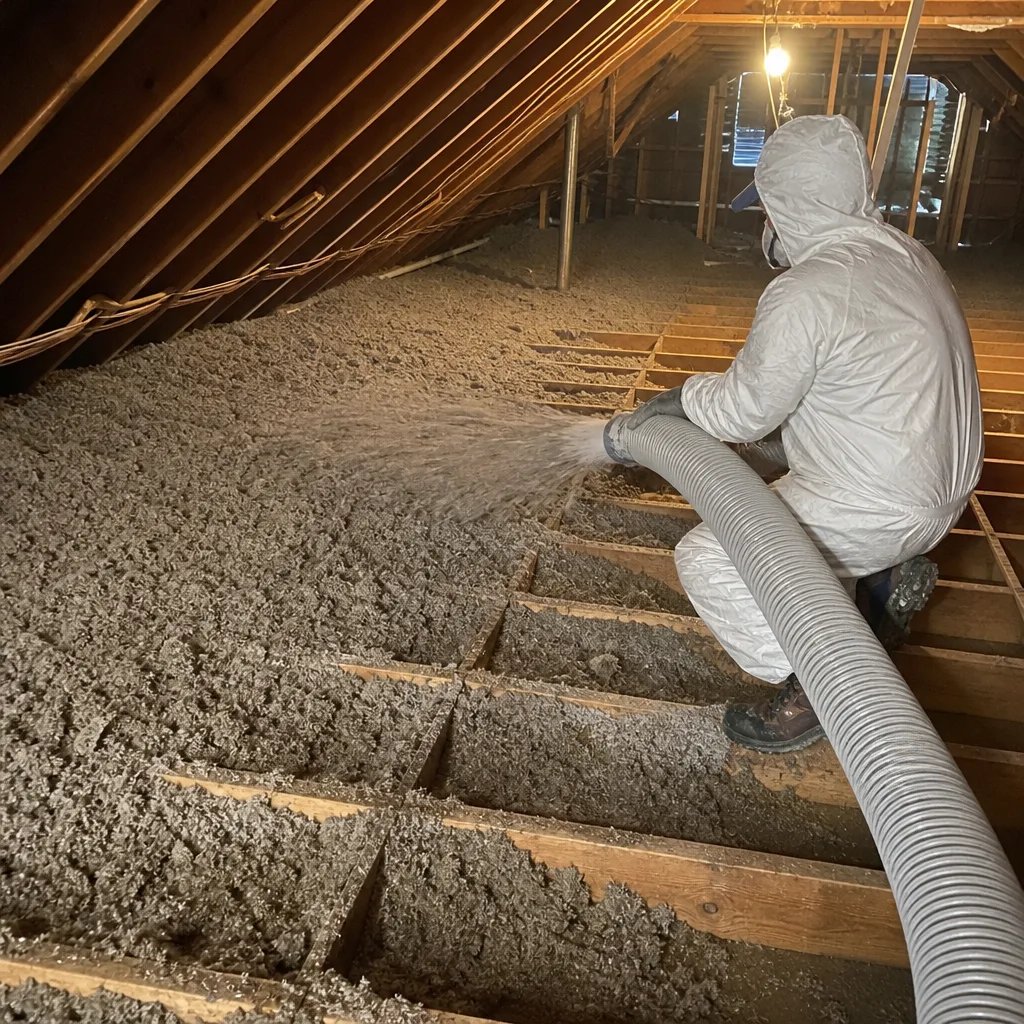
The sequence we follow is not negotiable, and it’s the part that separates a top-up that actually performs from one that just looks deeper on a ruler. Here’s how every job runs, from first visit to final documentation.
- Pre-job blower-door test and attic inspection. Before we quote anything, Wes Okafor or a member of his crew walks the attic with a moisture meter, a flashlight, and a tape measure. We check the condition of the existing insulation, measure depth at six or more points, note the location of can lights, top plates, and any penetrations through the ceiling plane, and record the current estimated R-value in writing. On applicable jobs, a blower-door test – a pressurization reading that shows, in one number, how much air the building envelope is losing – is run before any work starts. That baseline number is yours to keep.
- Written price before any work starts. Under Haven Standard Clause 1, you get a flat written price and a written scope before anyone lifts a tool. No surprises when the invoice arrives. If the job scope changes for any reason, we put the change in writing before the work changes.
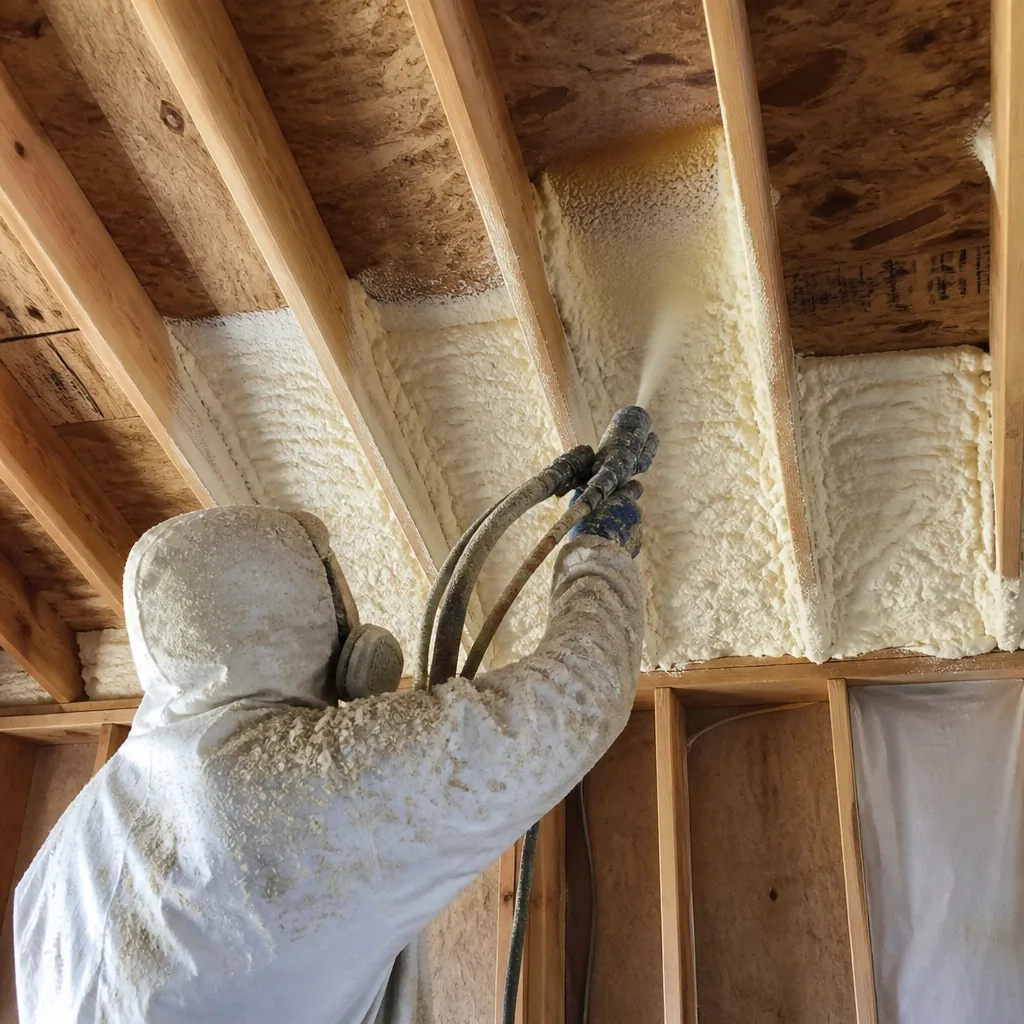
- Air sealing – completed before insulation is added. This is the step most contractors skip, and it’s the most consequential one. We seal top plates, electrical and plumbing penetrations, recessed can lights, and any other bypasses through the ceiling plane using spray foam and fire-rated caulk. Blown insulation does not stop air movement – it only slows heat conduction. If we blow material over an unsealed attic floor, the new insulation will perform significantly below its rated R-value because conditioned air is still escaping through the gaps. We won’t do it the other way.
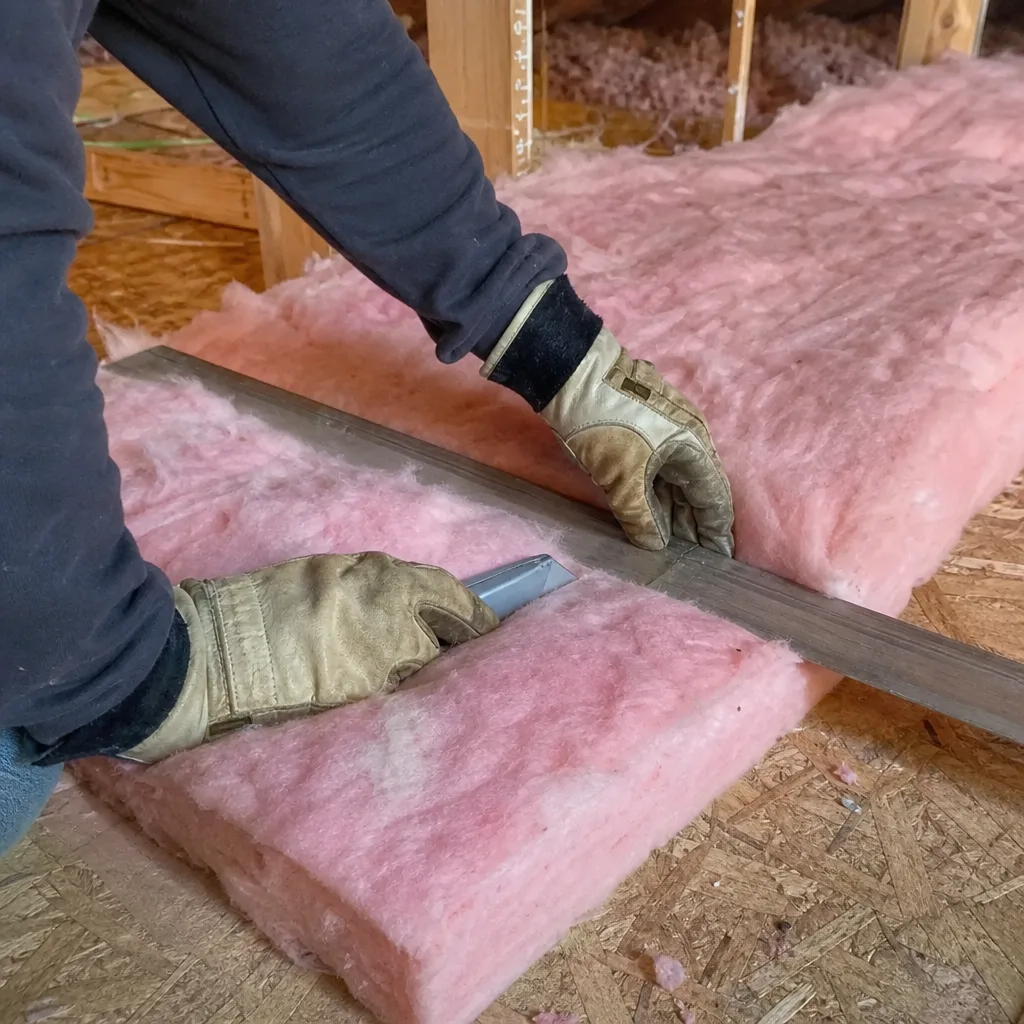
- Blowing insulation to the specified depth. Once air sealing is complete, we install blown insulation to reach your target R-value – typically R-38 or R-49 depending on your existing depth and your energy goals. For most top-up jobs in Converse, we use GreenFiber cellulose or Owens Corning blown fiberglass, both of which are manufactured to consistent density specs and settle predictably in the Texas heat. Depth gauges are placed throughout the attic so you can verify the finished depth before we leave.
- Post-job blower-door test (where applicable). On jobs where air sealing was part of the scope, we run a second blower-door test after the work is complete. The before-and-after numbers go into your documentation. A result like “4,100 CFM50 before, 2,200 CFM50 after” tells you exactly what the air sealing accomplished – not as a feeling, but as a measurement.
- Documented photo record and written warranty delivered before we leave. Every visit closes with a photo record of the finished attic – depth gauges in frame, sealed penetrations photographed, material placement documented. You also receive your written warranty and the blower-door numbers, if applicable, the same day. Under the Haven Standard, this documentation is included on every job, not available on request.
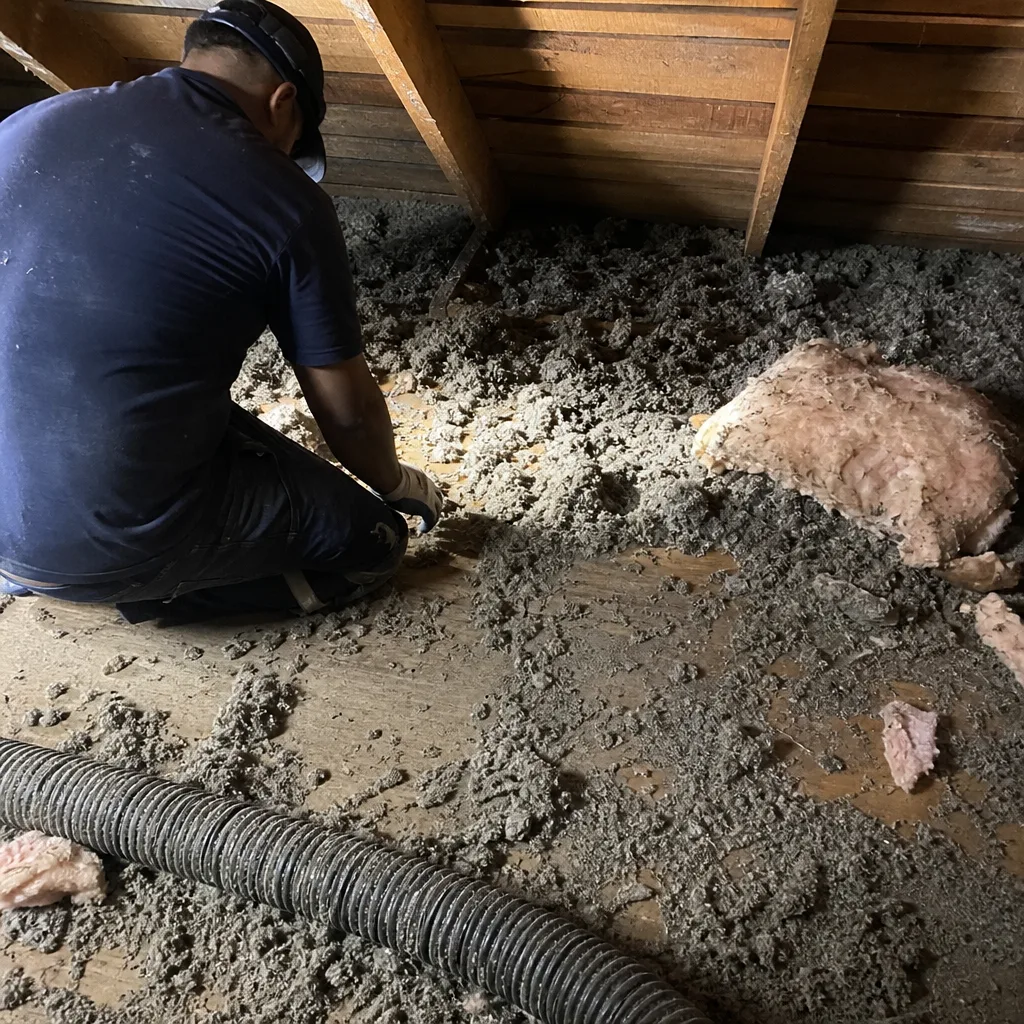 Before
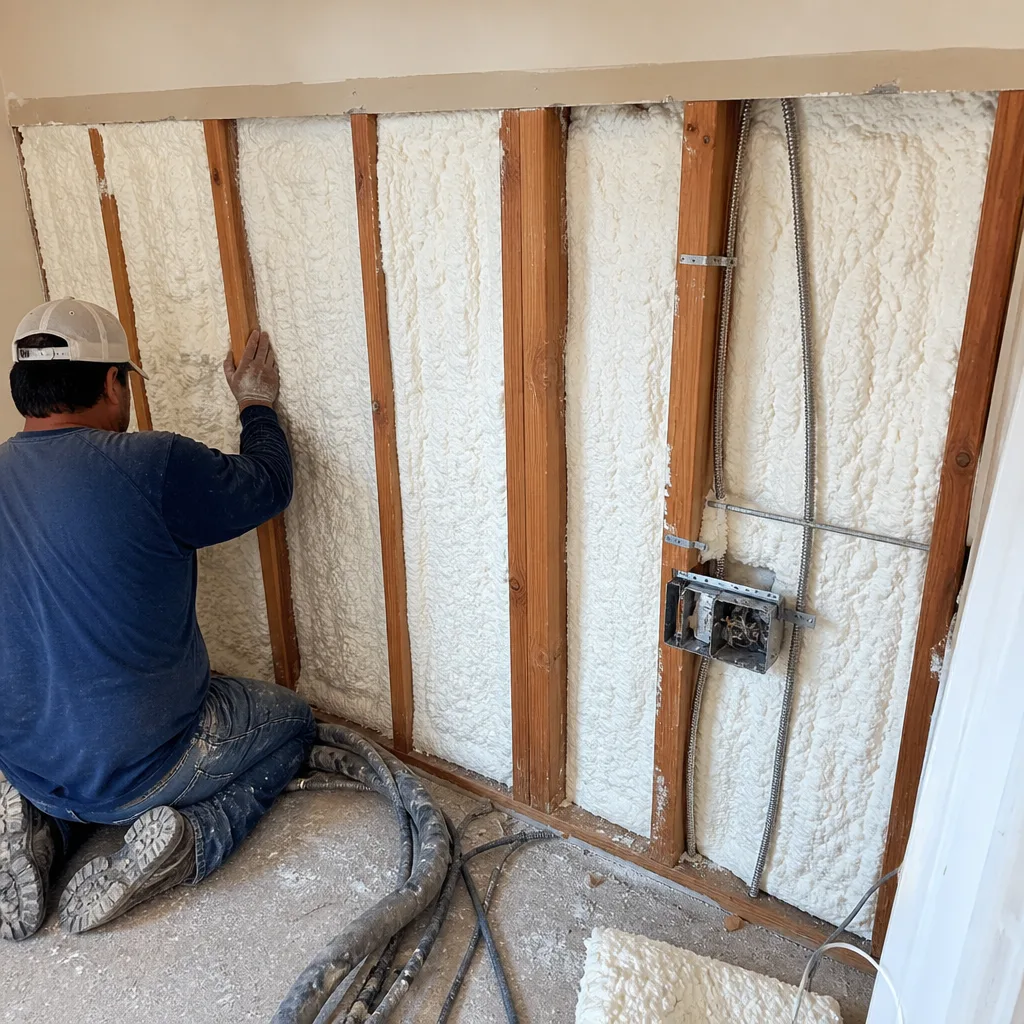 After
AfterAttic Insulation Top-Up Pricing in Converse
Most attic insulation top-up jobs in Converse run between $900 and $2,400 depending on the variables below. That range covers the air sealing step as a standard part of the job – not as a separate line item you have to ask for.
| Home Size (Sq Ft) | Approximate Top-Up Cost (Incl. Air Sealing) | Target R-Value |
|---|---|---|
| 1,200 – 1,600 sq ft | $900 – $1,300 | R-38 |
| 1,600 – 2,200 sq ft | $1,200 – $1,750 | R-38 to R-49 |
| 2,200 – 3,000 sq ft | $1,600 – $2,400 | R-49 |
Several factors move the number up or down within that range:
- Existing insulation depth. The thinner what’s already there, the more new material the job requires. A Converse home at R-19 needs more added material than one already sitting at R-30.
- Number of penetrations needing air sealing. A 1990s home with 20 recessed can lights in the ceiling below the attic takes more time to seal than a newer build with LED surface mounts. The can lights common in Converse homes built during the 1995-2008 construction boom are among the worst air leakers we see.
- Attic accessibility. Tight knee-wall areas or a low-pitch roof section that requires extra setup time adds labor. We note this during the inspection and include it in the written price before any work starts.
- Material selection. Blown fiberglass (Owens Corning or Johns Manville) and blown cellulose (GreenFiber) are priced similarly per installed R-value. If you have a preference for a specific material, we can work with that.
The estimate is free, the price is written, and it doesn’t change after the job starts. To get your number in writing, call (830) 420-0953.
Why Air Sealing Has to Come First
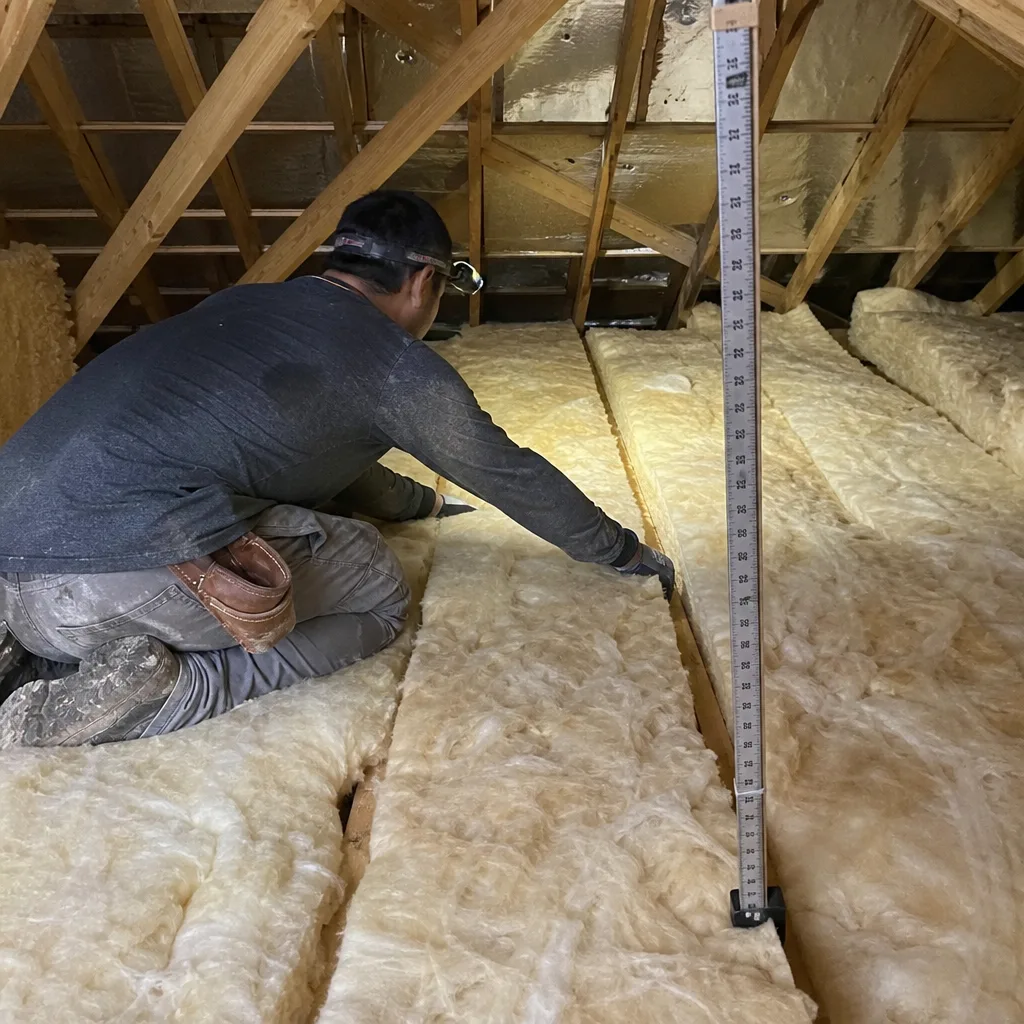
This is the part of a top-up job that gets skipped most often, and it’s the reason some homeowners add insulation and still don’t see their energy bills drop. Insulation is a thermal barrier – it slows the transfer of heat through a material. But it doesn’t seal gaps. Air moves through gaps freely, carrying conditioned air out of your living space and pulling unconditioned attic air in.
In Converse homes, the most common air bypass points are: top plates where interior walls meet the ceiling, recessed can lights (especially older non-IC-rated fixtures), plumbing vent penetrations, and HVAC chase openings. When we run a blower-door test on a typical Converse house before any work starts, it’s not unusual to see readings in the 3,500-5,000 CFM50 range. After sealing those specific points and then blowing insulation over them, the same house frequently tests in the 1,800-2,500 CFM50 range. That’s a real, documented reduction – not an estimate.
Blowing insulation over an unsealed attic floor does not produce that result. It just produces a thicker layer of insulation with the same air leaks running through it.
This is why the Haven Standard at Topside Attic Insulation Converse treats air sealing and Attic Baffles & Ventilation Prep as prerequisites – sealed first, then insulated, in that order, every time.
What You Receive When the Job Is Done
Before the crew leaves your Converse home, you’ll have:
- A documented photo record showing finished insulation depth, sealed penetrations, and depth gauges in place – included on every job.
- Before-and-after blower-door readings in writing, where air sealing was part of the scope.
- A written warranty under the 365-Day Done Right Promise – if it’s not done right, we make it right.
- The written price and scope you approved before any work started, with the completed work confirmed against it.
You don’t have to ask for any of this. It’s the standard close on every job we do, and it has been since we started operating under The Haven Standard in 2016. Across more than 9,000 homes sealed and insulated since then, the documentation process hasn’t changed.
FAQs – Attic Insulation Top-Up in Converse
How much does an attic insulation top-up cost in Converse, TX?
Most attic insulation top-up jobs in Converse run between $900 and $2,400, with the final number depending on your attic’s square footage, the depth of your existing insulation, and how many air-sealing penetrations need to be addressed before blowing. Air sealing is included in every top-up we do – it’s not a separate line item. To get a flat written price for your specific attic, call (830) 420-0953 and we’ll schedule a free estimate.
Do I need to remove my old insulation before adding more?
No, not if the existing insulation is dry, undamaged, and free of pest contamination. Blowing new material directly over sound existing insulation is standard practice and performs the same as a full reinstall at the same total depth. If we find moisture damage, mold, rodent activity, or deteriorated Attic Batt Insulation during the inspection, we’ll tell you in writing what needs to come out and why before the job changes scope. If your existing insulation does need to come out first, that’s a different service – insulation removal and replacement – and we’ll quote it separately.
How long does an attic insulation top-up take in a typical Converse home?
For a home in the 1,600-2,200 square-foot range – which covers a large share of the housing stock in Converse – the full job, including air sealing and blowing, typically takes four to six hours. Larger homes or attics with significant air-sealing work (high counts of recessed lights, complex HVAC penetrations) can run into a second half-day. The written scope you receive before work starts will include a realistic time estimate so you know what the day looks like.
What R-value should my attic reach after a top-up in Converse?
The current International Energy Conservation Code recommendation for Climate Zone 2, which covers Converse and the broader San Antonio metro area, is R-38 minimum for existing homes and R-49 for new construction. In practice, we target R-49 on most top-up jobs because the material cost difference between R-38 and R-49 is modest and the performance benefit in a Converse summer is measurable. Your written scope will specify the exact target depth and R-value so there’s no ambiguity about what you’re getting.
Key Takeaways
- An attic insulation top-up adds blown material over existing insulation to reach R-38 or R-49 – the level Converse homes need to perform through a Texas summer.
- Air sealing comes first, always. New insulation blown over an unsealed attic floor underperforms its rated R-value because conditioned air keeps escaping through gaps.
- Most top-up jobs in Converse run $900-$2,400 depending on attic size, existing depth, and number of penetrations needing sealing.
- Every job closes with before-and-after blower-door numbers (where applicable), a documented photo record, a written warranty, and the 365-Day Done Right Promise.
- Written price before any work starts – Haven Standard Clause 1, no exceptions.
Schedule Your Free Attic Insulation Top-Up Estimate in Converse
If your Converse home is running warm upstairs, your energy bills are higher than they were a few years ago, or you just know the attic hasn’t been looked at since you bought the house, a top-up assessment is a straightforward starting point. We’ll measure what’s there, run a blower-door test on applicable jobs, and hand you a flat written price before anyone does anything. No pressure, no callback windows measured in days – a live person answers at (830) 420-0953 whenever you call. If you’d like to read more about the full scope of what we do in the attic, start on the home page or go directly to the full Attic Insulation in Converse service page.
Written by Wes Okafor, Owner at Topside Attic Insulation Converse, serving Converse.