
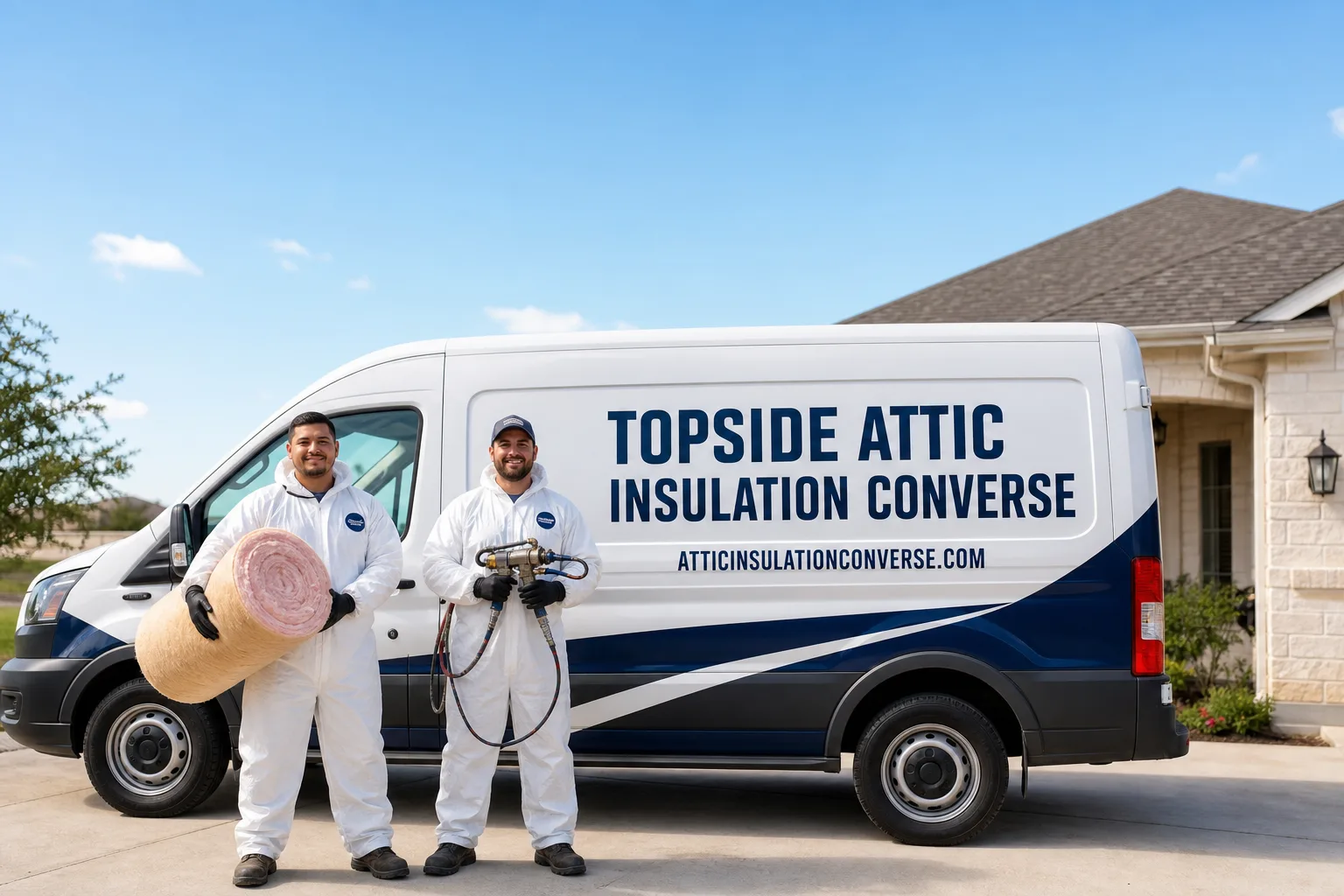
Fast, Reliable Attic Insulation Across San Antonio
Most attic insulation jobs in San Antonio run $1,800-$4,500 depending on square footage and whether air sealing is needed first, and our crews typically complete the work in a single day. We dispatch from our San Antonio metro office and carry Owens Corning, Knauf, and GreenFiber materials on every truck so we’re not waiting on deliveries while your attic sits open.
San Antonio’s housing stock doesn’t respond to generic insulation advice. A 1960s ranch in Converse with compressed R-11 batts needs something entirely different than a 1920s limestone-block bungalow in Monte Vista with no wall cavities at all. Our Attic Insulation team has worked in both, and we start every job with a blower-door test so you know exactly how much conditioned air your home is losing before we touch anything.
Call (830) 420-0953 to schedule a free estimate. A live person answers 24/7, and you’ll get a written price before any work starts - that’s Haven Standard Clause 1, no exceptions.
Why Topside Attic Insulation Converse Is San Antonio’s Preferred Attic Insulation Company
We’ve sealed and insulated more than 9,000 homes since 2016, and a significant share of those have been in San Antonio’s distinct housing eras - from the pre-1940s limestone blocks of King William to the mid-century military tract homes ringing JBSA Lackland and Fort Sam Houston. Homeowners in San Antonio leave reviews that specifically mention our blower-door documentation; they want the before-and-after numbers, not a handshake promise.
Our response time to San Antonio neighborhoods averages same-day or next-day for standard bookings, and we carry enough inventory to avoid the supply-chain delays that plague contractors who special-order everything. Every crew is background-checked and uniformed, and you get a text when your technician is en route - Haven Standard: Arrive on schedule, named technician, no guessing.
What separates us in San Antonio specifically is that we know which houses can’t be treated with standard methods. When we pull up to a Monte Vista address and see limestone block construction, we don’t waste time quoting blow-in wall fill that isn’t physically possible. We explain the interior rigid-foam alternative and we put both scopes in writing.
Our Attic Insulation Services in San Antonio
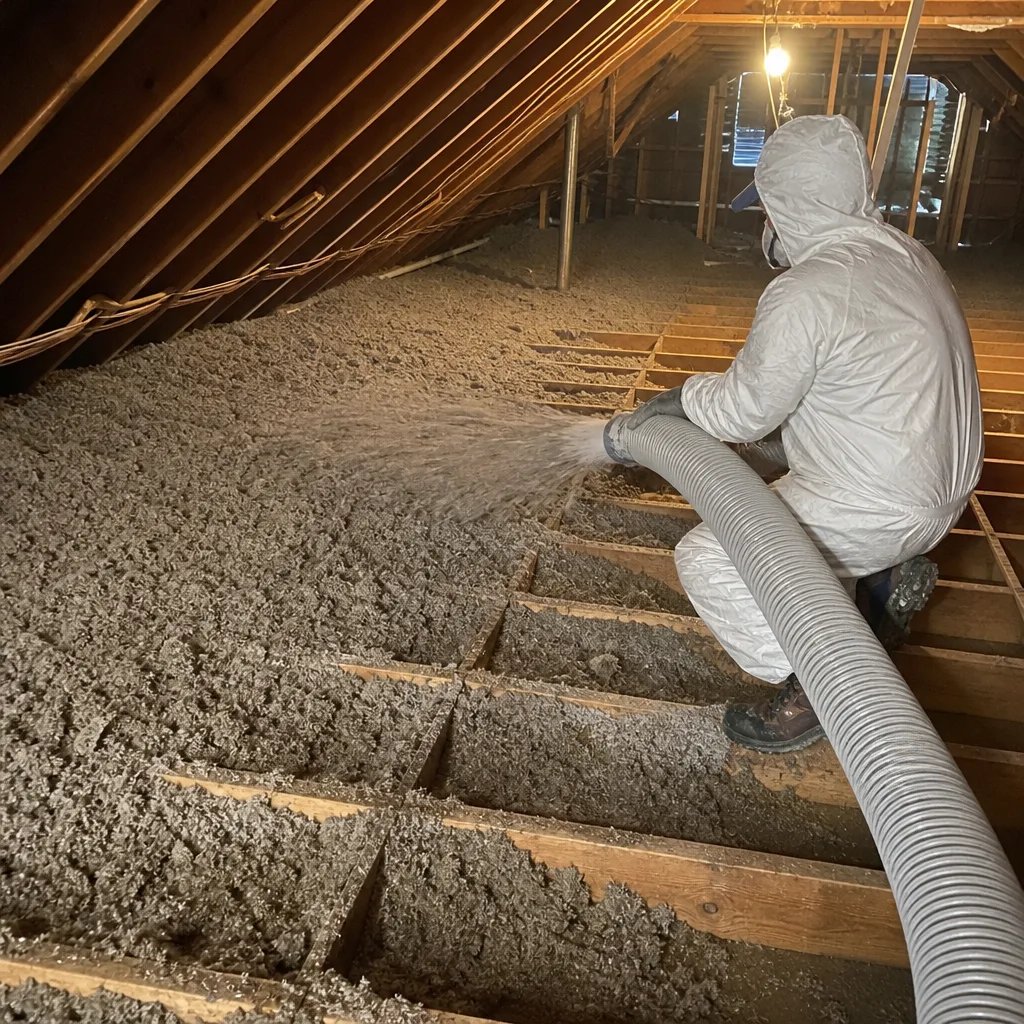
Blown-In Attic Insulation
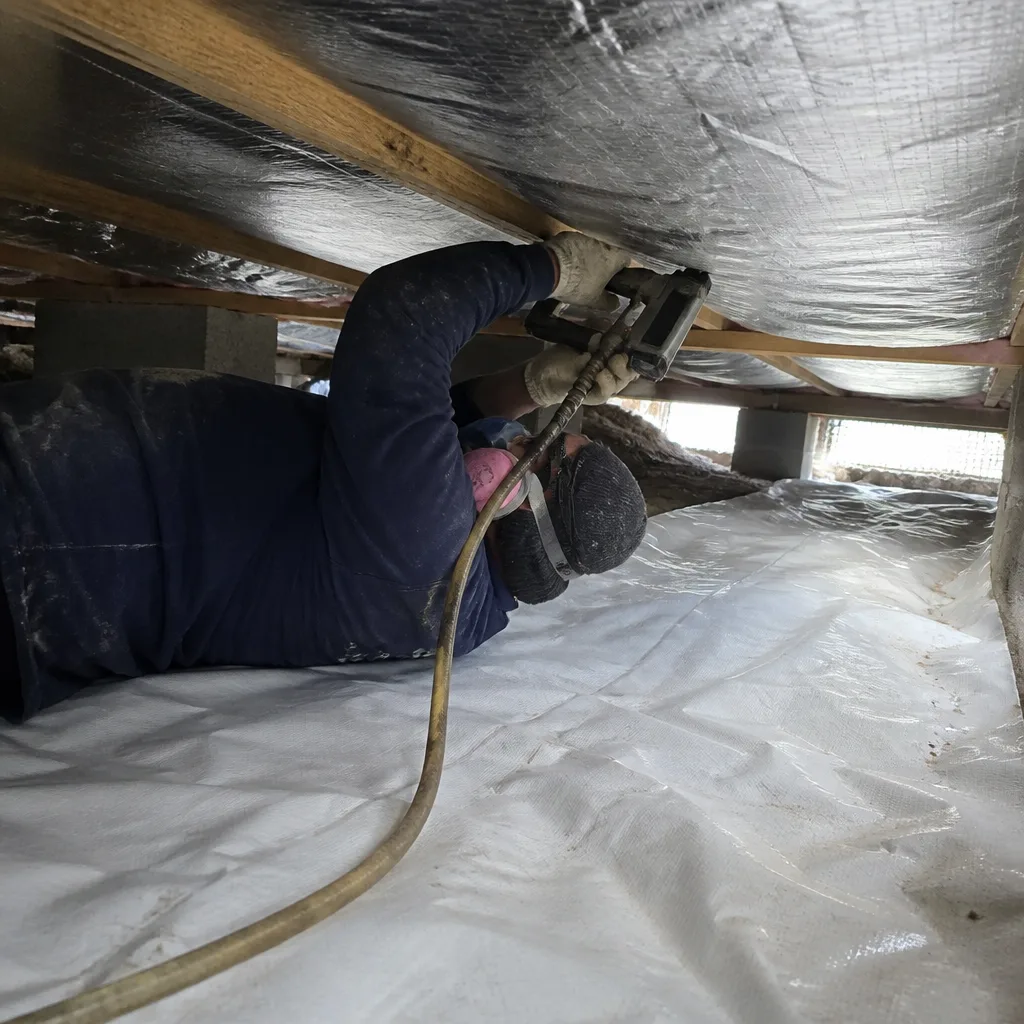
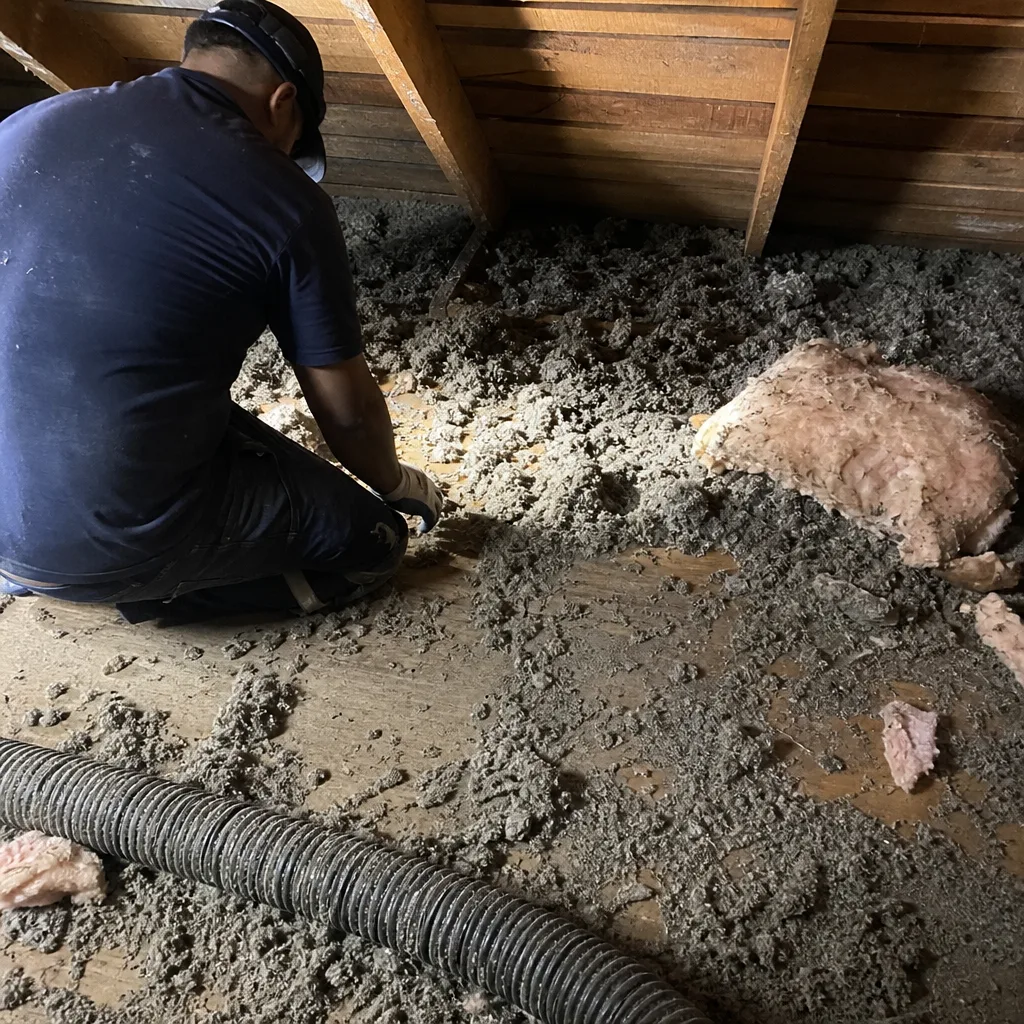
Blown-in cellulose or fiberglass is the right call for most San Antonio attics, especially the post-WWII slab-on-grade homes that dominate Converse, Universal City, and the northeast military corridors. These houses were built with R-11 batts or less, and that original insulation has compressed, sagged, or been shoved aside by decades of HVAC and electrical work. We blow GreenFiber cellulose or Owens Corning fiberglass to R-38 or R-49 depending on your roof structure, but only after we air-seal the attic floor - top plates, can lights, wire penetrations, and plumbing stacks. In San Antonio’s cooling-dominated climate, an unsealed attic floor is like leaving a window cracked eight months a year.
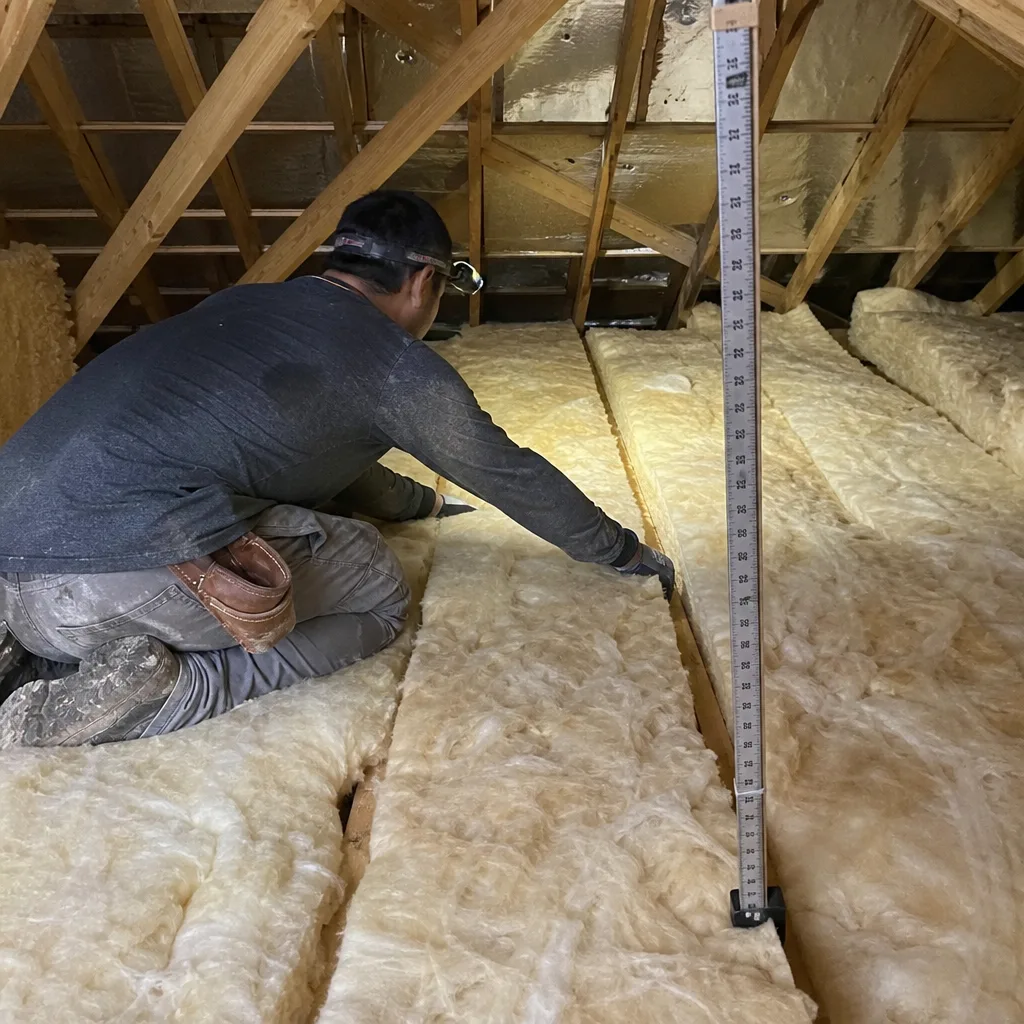
Attic Batt Insulation
Batt insulation still has a place in San Antonio, particularly in newer north-side construction where the attic is already reasonably sealed and the homeowner wants a straightforward material swap. We use Knauf or Johns Manville batts in these cases, installed to fill cavities fully without compression. But we’re direct with homeowners: if your existing batts are baked and the kraft facing is degraded from years of 150°F+ attic temperatures, the batt replacement needs to happen alongside air sealing or you’re not fixing the heat transfer problem. We see this constantly in the 1950s-70s low-pitched roofs common through Leon Valley and the southwest corridors.
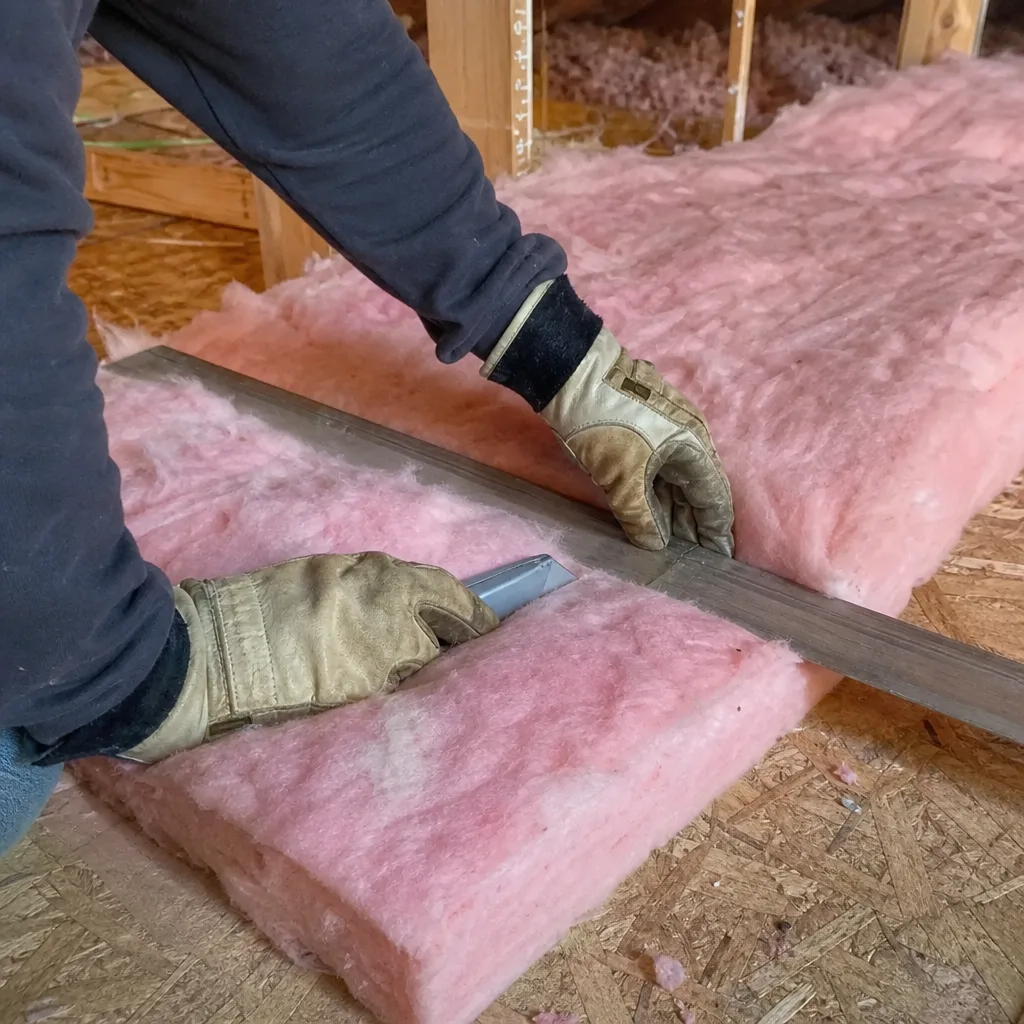
Attic Insulation Top-Up
A top-up is the most common request we get from San Antonio homeowners after an energy audit or a brutal summer electric bill. The question is always: is the existing insulation salvageable? If your R-11 batts are still in place but compressed and patchy, we can often blow new material over them after air sealing and baffle installation. But if the original insulation is mold-contaminated, rodent-damaged, or saturated from a roof leak, we remove first. In the field vignette from Monte Vista: a 1920s limestone-block bungalow measured R-4 in the attic and had zero cavity insulation in the walls; our crew air-sealed the attic floor, prepped baffles at the soffits, and blew in GreenFiber cellulose to R-38, then quoted the homeowner a separate interior rigid-foam scope for the walls because limestone can’t be drilled for blow-in fill. The attic top-up alone dropped their August attic temperature from roughly 155°F to about 120°F, and the AC stopped short-cycling by mid-afternoon.
Attic Insulation Replacement
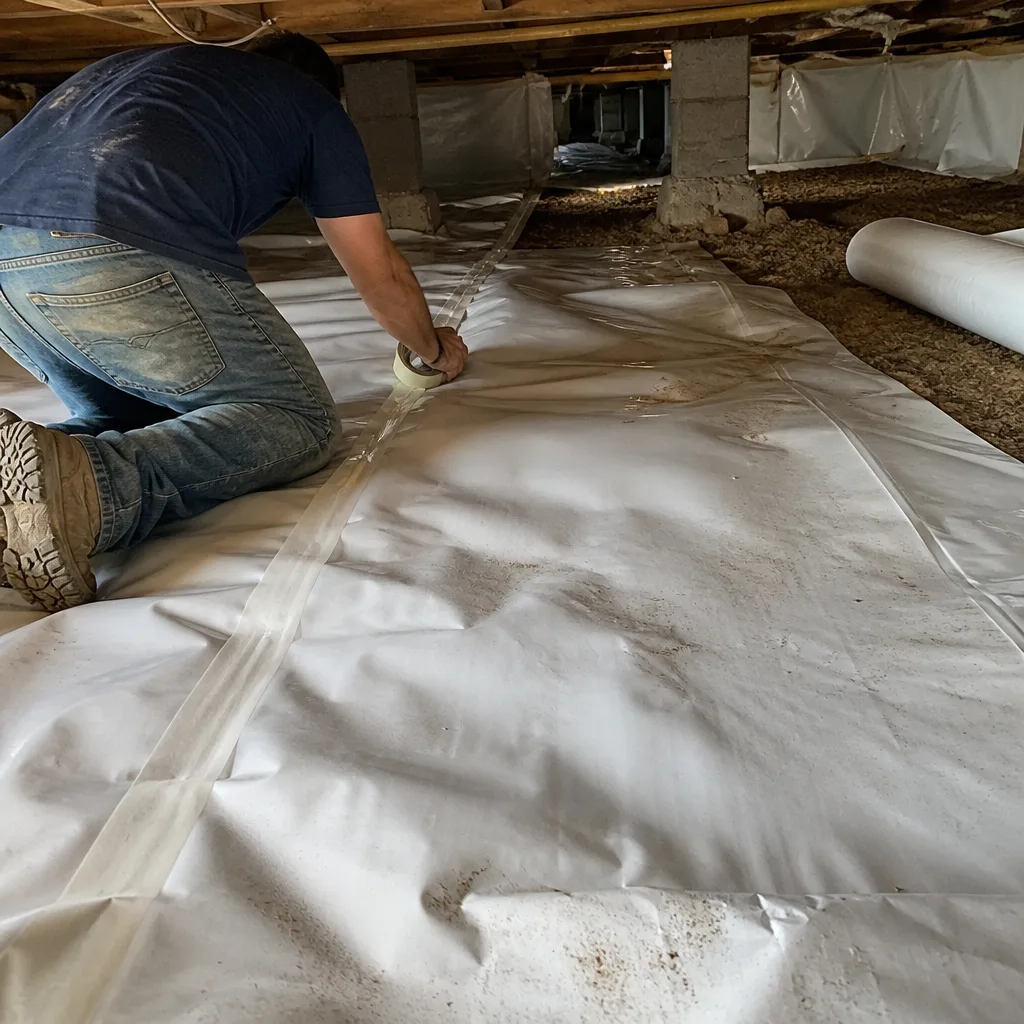
Full replacement is necessary when the existing insulation is doing more harm than good. In San Antonio, we see this after roof leaks that went undetected through summer storm season, after rodent infestations in older homes with unsealed soffits, and in houses where a previous contractor blew new insulation over old without air sealing first - trapping moisture and creating a condensation problem. We remove the compromised material, HEPA-vacuum the deck, seal every penetration, then install new insulation with a fresh blower-door test to verify the result. You get the before-and-after CFM50 reading in writing, plus a Documented Photo Record of the empty attic, the sealed deck, and the finished install.
Attic Baffles & Ventilation Prep
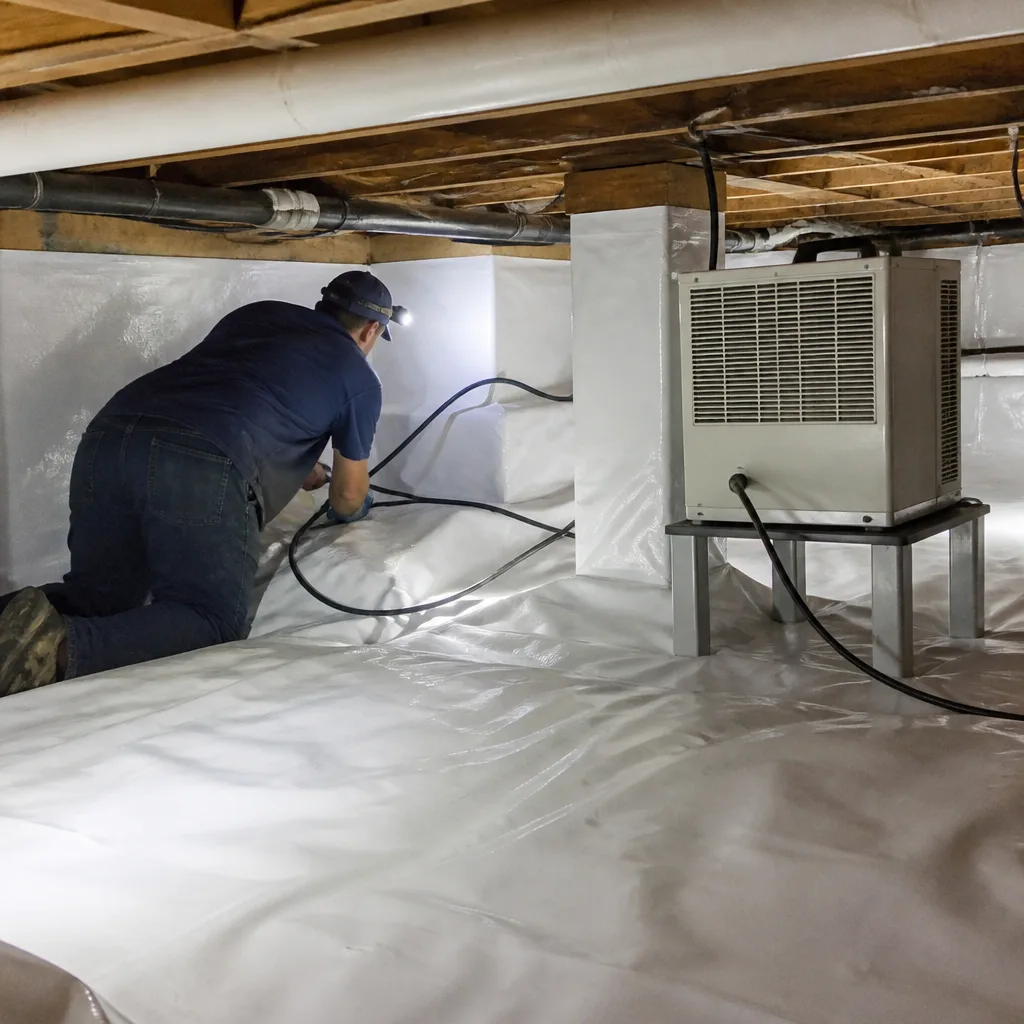
San Antonio’s combination of low-pitched roofs and eight-month cooling seasons makes attic ventilation prep non-negotiable. Baffles - also called rafter vents or vent chutes - maintain the air channel from soffit to ridge vent so insulation doesn’t block intake airflow. Without them, wind-washing pulls conditioned air out through the soffits in winter and radiant heat bakes the roof deck in summer. We install baffles on every job where soffit venting exists, and we flag homes where the original builder skipped soffit vents entirely. That’s common in the 1950s-70s federal-spec tracts, and it’s a separate conversation about adding intake ventilation before any insulation goes in.
What happens when you call
- 1
A real person answersNo phone trees - you reach a local pro.
- 2
You get an upfront price rangeHonest numbers before anyone is dispatched.
- 3
A background-checked tech heads outLicensed & insured, dispatched right away.
- 4
You approve before work beginsNothing starts until you say go.
 Before
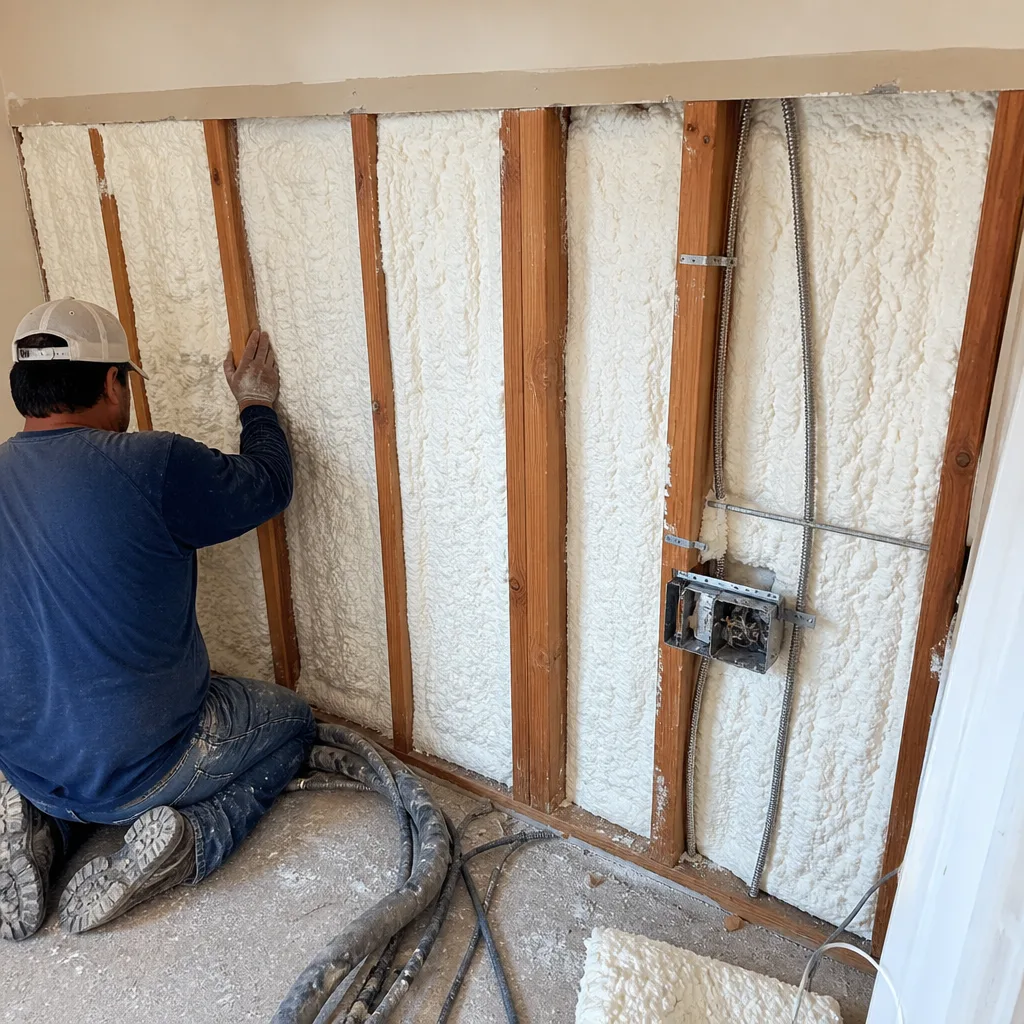 After
AfterTrusted Brands We Service in San Antonio
We source from Owens Corning, Johns Manville, Knauf, Rockwool, CertainTeed, Icynene, Demilec, and GreenFiber - no proprietary lock-in that limits your options. For San Antonio’s climate, we typically recommend Owens Corning fiberglass or GreenFiber cellulose for blown-in attic work, with Rockwool reserved for fire-blocking or sound-dampening applications where its density matters. Our trucks carry the most common R-values and baffle sizes for the local housing stock, so we’re not ordering specialty material while your job sits half-finished. Every bag is documented in your written scope, and every manufacturer warranty is transferred to you at completion.
Common Attic Insulation Problems We See in San Antonio Homes
- Mid-century federal-spec tract homes in Converse, Universal City, and Leon Valley were built with R-11 or less, and that original batts have compressed, sagged, or been displaced by decades of HVAC and electrical work, leaving huge bare patches on the attic floor. A visual inspection from the hatch usually reveals pink or yellow fiberglass draped over joists like old curtains.
- Low-pitched roofs common in the 1950s-70s housing stock push attic cavities past 150°F in July and August, baking fiberglass batts and degrading the kraft facing until it no longer controls radiant heat. By August, the attic is a solar oven and the insulation is just occupying space.
- Winter Storm Uri in February 2021 exposed that same under-insulated stock as dangerously cold-vulnerable, and many homeowners added blown-in without first air-sealing or adding baffles, so wind-washing and soffit blockage undermine the new R-value. We find these jobs regularly - thick, fluffy insulation with cold spots directly above the bedrooms because the air is moving through it.
- Pre-1940s central-city neighborhoods - Monte Vista, Beacon Hill, Lavaca, King William - have exterior walls of solid limestone block or hollow clay tile with zero cavity insulation; the limestone cannot be drilled for blow-in fill, so the only viable retrofit is interior rigid foam board plus full drywall, a scope that shocks homeowners expecting a simple blown-in quote and is essentially never encountered in the newer north-side suburbs.
Pricing for Attic Insulation in San Antonio, TX
A typical blown-in attic top-up in San Antonio runs $1,800-$2,800 for a 1,500-square-foot home with reasonable attic access and intact existing insulation. Full removal and replacement with air sealing and baffles runs $3,200-$4,500 for the same footprint. Attic batt replacement in newer construction falls between $2,000-$3,500 depending on whether we’re working around stored items and platform decking.
What moves the number: attic accessibility (steep roof pitch or tight scuttle adds labor), existing condition (removal of contaminated material is additional), and whether the home needs ventilation upgrades before insulation goes in. We don’t quote wall insulation for limestone-block homes until we’ve inspected, because interior rigid foam plus drywall is a fundamentally different scope - typically $8,000-$15,000 for a full single-story exterior.
Every estimate is a written price before any work starts. Bring us a competing quote and we’ll give you a Free Second Opinion - we’ll read it with you line by line. Call (830) 420-0953 to schedule.
| Service | Typical Range in San Antonio |
|---|---|
| Blown-in attic top-up (1,500 sq ft) | $1,800 - $2,800 |
| Full removal + replacement with air sealing | $3,200 - $4,500 |
| Batt replacement, newer construction | $2,000 - $3,500 |
| Interior rigid foam + drywall (limestone block walls) | $8,000 - $15,000 |
| Attic baffles & ventilation prep only | $400 - $900 |
We Also Serve Cities Near San Antonio
Our crews work daily in San Antonio and the surrounding communities of Converse, Universal City, Schertz, and Cibolo. Dispatch and scheduling are coordinated from our San Antonio metro office, so response times to these areas are comparable to in-city bookings. The same housing-era expertise applies - Converse and Universal City have heavy concentrations of the mid-century military tract stock, while Cibolo’s newer builds trend toward spray foam and radiant barrier as code-expected standards.
Serving San Antonio, TX - Our Local Coverage Area
We’re based in the San Antonio area and know this community well. Use the map below to see our service coverage - if you’re nearby, we can almost certainly help.
FAQs - Attic Insulation in San Antonio
Limestone block and hollow clay tile walls have no cavity to fill - the masonry is solid or the voids are horizontal, not vertical, so blow-in material has nowhere to go and no way to stay. The only viable retrofit is interior rigid foam board cut to fit each bay, then new drywall over it. We quote this as a separate scope after we’ve done the attic, because many homeowners in San Antonio’s central neighborhoods understandably assume blown-in works everywhere. Call (830) 420-0953 and we’ll inspect to confirm your wall construction before any pricing.
Often yes, but only after air sealing and baffle installation. The original R-11 in Converse’s military tract housing is typically compressed and patchy, but if it’s clean and dry, we can blow new cellulose or fiberglass over it to reach R-38. The critical step is sealing the attic floor first - those homes were built with zero attention to top-plate gaps and can-light bypasses, and blowing over unsealed leaks just buries the problem. We’ll test with a blower-door and show you the CFM50 number before and after. Call (830) 420-0953 for a free estimate.
More than most homeowners realize. Attic cavities in San Antonio regularly hit 150°F+ from June through September, and sustained heat that extreme degrades fiberglass kraft facing, accelerates cellulose settling, and increases conductive heat transfer through the ceiling plane. The insulation doesn’t stop working entirely, but its effective R-value drops under thermal load, and air leaks become more punishing because the temperature differential is so extreme. This is why we prioritize air sealing before insulation in San Antonio - a tight attic floor with moderate R-value outperforms a leaky floor with high R-value in this climate.
Yes, specifically for the under-insulated mid-century stock that failed catastrophically in February 2021. Uri proved that R-11 or less isn’t just inefficient - it’s dangerous when outside temperatures drop into single digits and the power grid fails. We now recommend R-38 minimum for every attic we touch, and we’re more aggressive about flagging homes that received post-Uri blown-in additions without proper air sealing or baffles. That wind-washed insulation performed poorly in the next summer and won’t protect in the next extreme cold event. Call (830) 420-0953 and we’ll assess whether your post-Uri upgrade was done right.
We primarily install Owens Corning fiberglass, GreenFiber cellulose, and Knauf batts for standard attic work in San Antonio, with Rockwool available for fire-blocking or sound-control applications. We don’t push proprietary products or exclusive brand relationships - the right material depends on your attic’s condition, your roof structure, and whether you’re dealing with moisture history. Every brand we carry is documented in your written scope with the specific product line and R-value, so you know exactly what was installed. Call (830) 420-0953 if you have a preference or want to compare options.
Ready to fix your attic? Call (830) 420-0953 for a free estimate with a written price before any work starts. Live person answering 24/7.
Written by Wes Okafor, Owner at Topside Attic Insulation Converse, serving San Antonio since 2016 under The Haven Standard.