
Last updated September 24, 2026
How to Hire a Insulation Contractor in Converse: A Step-by-Step Guide
Here’s a fact most Converse homeowners don’t learn until it’s too late: a written bid that lists “attic insulation” without specifying installed depth, settled R-value, material brand, and air-sealing scope is legally a complete contract in Texas. That means if the crew blows two inches less than you discussed over the phone, you have no recourse. The contract says “attic insulation,” and attic insulation was provided. In this guide, you’ll learn how to compare bids on measurable criteria rather than price alone, why the contractor who skips the blower-door test is selling you a different service entirely, and the five line items every legitimate bid in Converse must include. For Insulation Warning Signs: A Converse Homeowner’s Reference Guide, see our companion resource.
Quick Answer
To hire a legitimate insulation contractor in Converse, request a written bid that specifies material type and brand, installed thickness, target settled R-value, air-sealing scope by location, and post-job documentation deliverables. Verify the contractor holds a current TDLR registration and, ideally, BPI Building Analyst certification. A proper contractor in Converse will perform a blower-door test before and after work to prove results, not just promise them.
Table of Contents
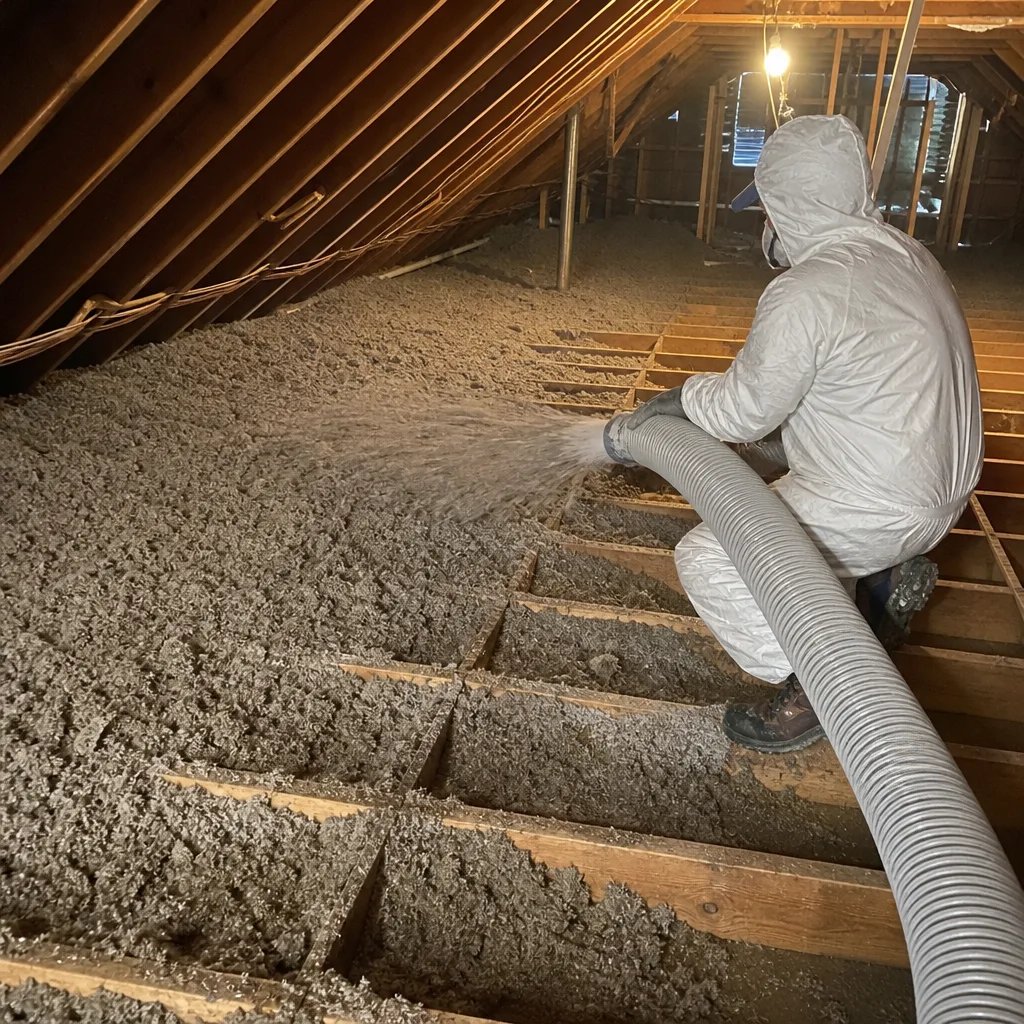
- The Five Line Items Every Legitimate Bid Must Include
- TDLR Registration vs. BPI Certification: What Each Actually Means
- How to Read a Blower-Door Test Result (And Why It Matters)
- Five Interview Questions That Separate Real Contractors From Insulation-Only Crews
- Red Flags in a Converse Insulation Contract
- How Converse Climate and Building Stock Affect Your Insulation Strategy
- What Insulation Jobs Actually Cost in Converse
- Common Mistakes to Avoid
- When to Call a Professional
- Frequently Asked Questions
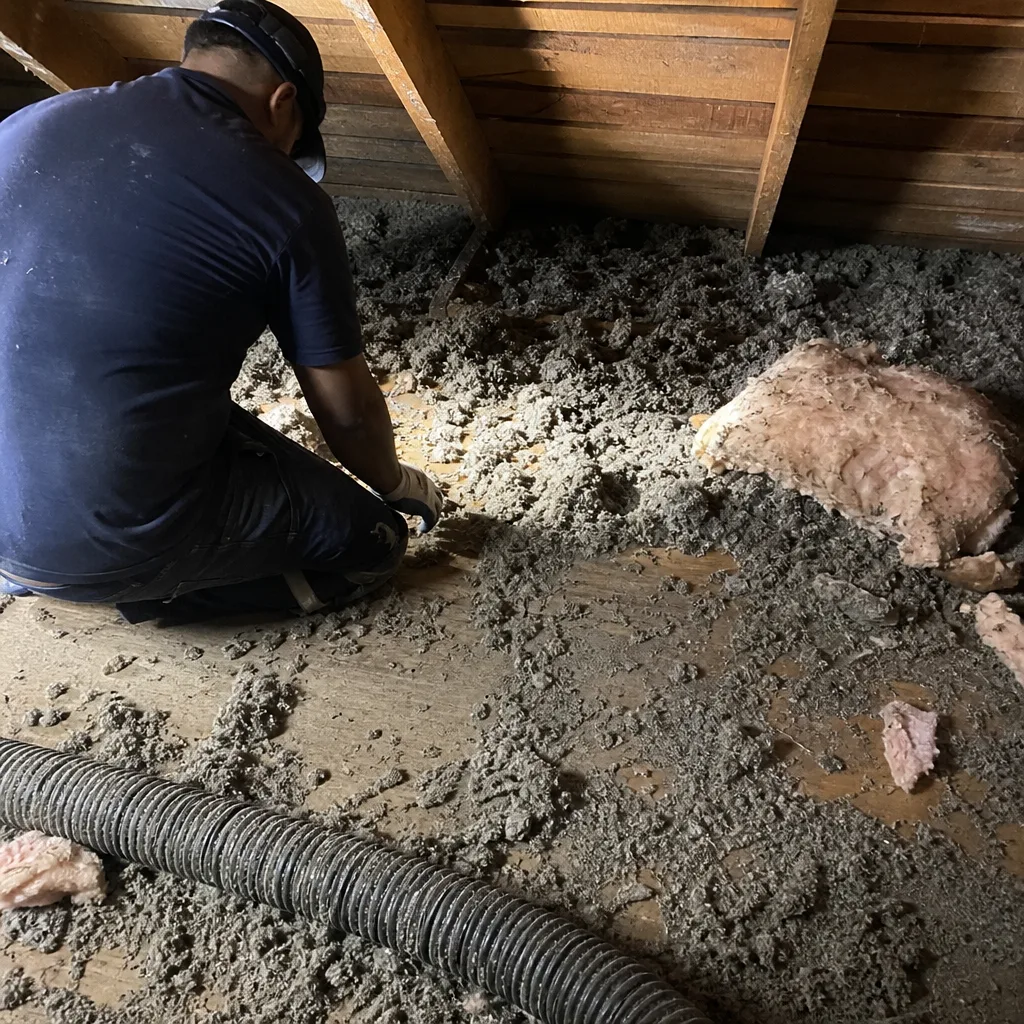 Before
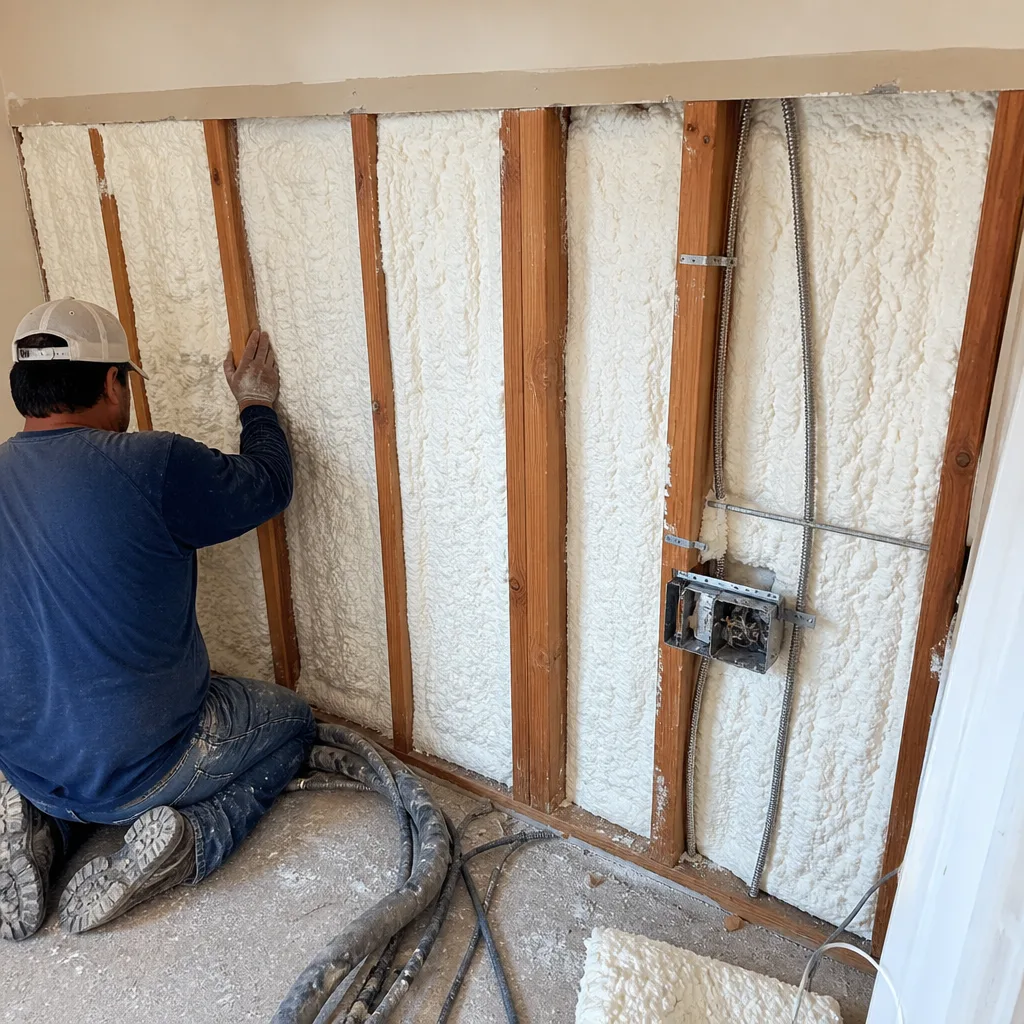 After
AfterThe Five Line Items Every Legitimate Bid Must Include
Most hiring guides tell you to “get three quotes.” They don’t tell you what those quotes should contain. Without a standard scorecard, you’re comparing a $2,800 bid to a $4,200 bid with no way to know if the cheaper option is saving you money or selling you a lesser product.
Here are the five line items we require on every Attic Insulation in Converse bid we write. Any bid missing one of these is incomplete, and an incomplete bid is a contract that favors the contractor.
1. Material Type and Brand
The bid should state whether the material is fiberglass batts, blown-in cellulose, spray foam, mineral wool, or another product - and it should name the manufacturer. “Fiberglass” is not sufficient. Owens Corning, Johns Manville, and Knauf each produce fiberglass with different densities, recycled content percentages, and warranty terms. In Converse, where summer attic temperatures regularly exceed 140°F, the binder chemistry matters. Some lower-grade fiberglass products lose loft faster under sustained heat load.
At Envelope Insulation Co., we source from Owens Corning, Johns Manville, Knauf, Rockwool, CertainTeed, Icynene, Demilec, and GreenFiber - no proprietary product lock-in. We specify the brand on every bid so the homeowner knows exactly what is going in.
2. Installed Thickness
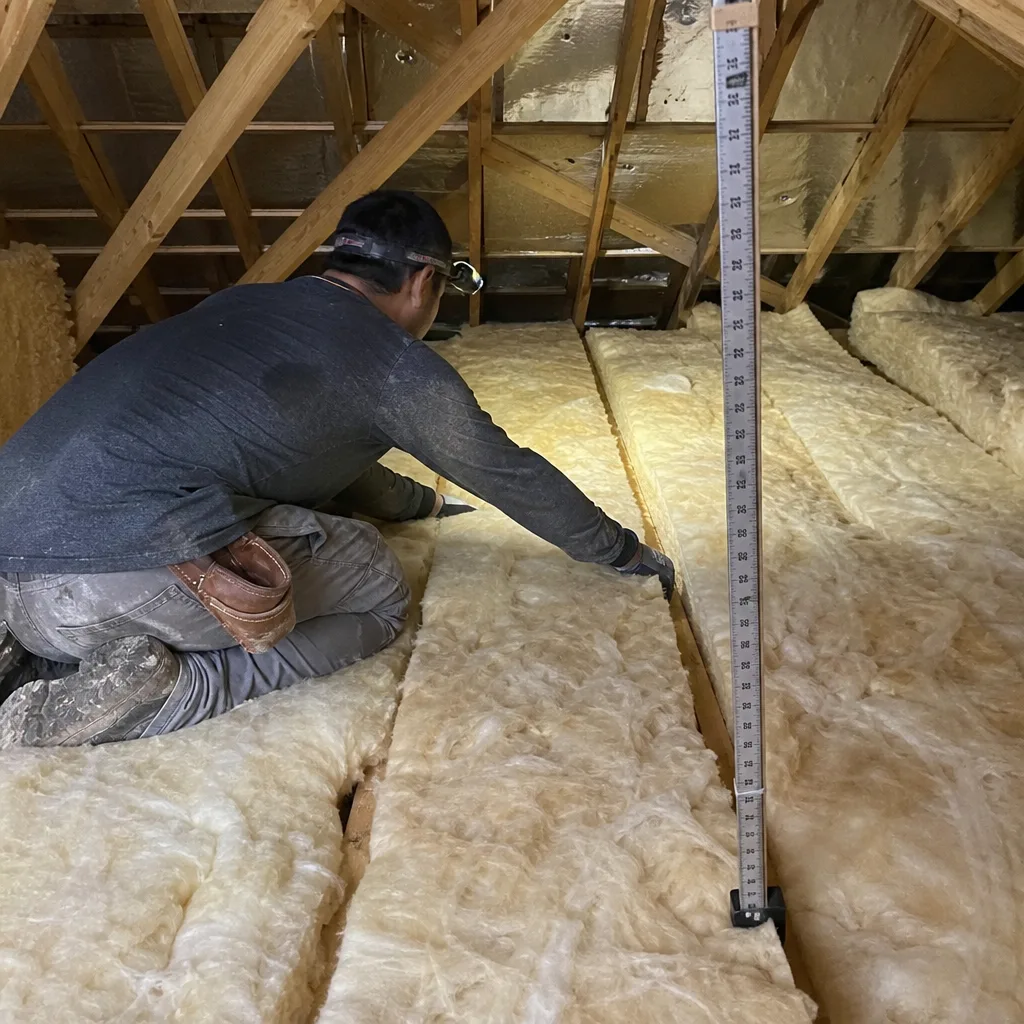
Insulation settles. A contractor who quotes “R-38” without stating installed thickness is leaving room to under-blow. For blown fiberglass to settle to R-38, it typically needs to be installed at 14 to 16 inches, depending on the product’s settled density. The bid should state both numbers: installed thickness and settled thickness.
3. Target Settled R-Value
R-value is the resistance to heat flow. In Converse, which sits in IECC Climate Zone 2, the prescriptive code requirement for attic insulation is R-30 minimum, but most contractors recommend R-38 to R-49 given the cooling load from Texas summers. The bid should state the target settled R-value, not just a thickness. “12 inches of fiberglass” could mean R-30 or R-38 depending on the product. The R-value is what you’re actually buying.
4. Air-Sealing Scope by Location
This is where most bids fail. A contractor who plans to blow insulation over an unsealed attic floor is installing a filter, not a thermal barrier. Conditioned air will still leak through top plates, can lights, plumbing penetrations, and chimney chases. The bid should list, by location, what will be sealed before insulation goes in.
At minimum, a Converse attic air-sealing scope should include:
- Top plate bypasses (the horizontal framing member where walls meet the ceiling)
- Recessed can lights and electrical penetrations
- Plumbing and HVAC vent stacks
- Chimney chases and flue penetrations
- Attic access hatch or pull-down stair perimeter
We will never blow insulation over an unsealed attic floor. Air sealing of top plates, can lights, and penetrations is completed before any insulation is added. That is not an upsell. It is the prerequisite.
5. Post-Job Documentation Deliverables
The bid should state what documentation you receive when the crew leaves. At Envelope Insulation Co., every job closes with a Documented Photo Record - photos of the completed work, not available on request but included on every visit. On applicable jobs, we provide before-and-after blower-door numbers so the homeowner can verify the air-sealing result in a single figure.
TDLR Registration vs. BPI Certification: What Each Actually Means
Homeowners in Converse routinely confuse two credentials that mean very different things. Understanding the distinction protects you from contractors who trade on official-sounding language.
TDLR Registration: The Texas Business License
The Texas Department of Licensing and Regulation (TDLR) registers contractors in the Air Conditioning and Refrigeration, Electrical, and other trades. For insulation specifically, TDLL registration often falls under the Air Conditioning and Refrigeration Contractor category, since insulation work is frequently performed alongside HVAC upgrades. A TDLR registration number means the business has paid the fee, posted the required bond, and has a designated responsible party. It does not mean anyone on the crew has been tested on building science, air leakage, or combustion safety.
You can verify a TDLR registration at the department’s website. Any legitimate contractor will provide their number without hesitation.
BPI Building Analyst: The Performance Credential
The Building Performance Institute (BPI) certifies individuals, not companies. A BPI Building Analyst has passed written and field exams on building science, including pressure diagnostics, combustion safety, and moisture management. This person understands why a blower-door test matters, how to interpret the results, and when insulating without air sealing risks creating a moisture problem.
In Converse, where many homes in neighborhoods like Rolling Creek and Converse Heights were built in the 1980s and 1990s with minimal attention to air barriers, this expertise matters. A BPI-certified analyst can identify whether your home has a vented or unvented attic assembly, whether the ductwork is inside or outside the thermal envelope, and whether adding insulation without addressing pressure imbalances could backdraft a gas water heater.
The ideal contractor has both: TDLR registration for legal operation in Texas, and BPI-certified staff for technical competence. Ask for both numbers, and verify them independently.
How to Read a Blower-Door Test Result (And Why It Matters)
A blower-door test is a pressurization reading that shows, in one number, how much air your building envelope is losing. The test uses a powerful fan mounted in an exterior door to depressurize the house to 50 Pascals below outdoor pressure. The equipment measures how much air flow, in cubic feet per minute (CFM), is required to maintain that pressure difference. The result is expressed as CFM50 - cubic feet per minute at 50 Pascals.
What the Number Means
A higher CFM50 means more air leakage. A lower number means a tighter envelope. But “tight” is relative to house size. A 4,000-square-foot home with 3,500 CFM50 is looser than a 1,500-square-foot home with the same reading. For comparison, the number is often converted to ACH50 - air changes per hour at 50 Pascals - which normalizes for volume.
Here is how to interpret ACH50 for a typical Converse home:
| ACH50 Range | What It Indicates |
|---|---|
| 15+ | Very leaky; significant air sealing needed before insulation |
| 10-15 | Moderately leaky; air sealing will improve comfort measurably |
| 7-10 | Average for 1990s construction; room for improvement |
| 5-7 | Reasonably tight; insulation upgrade may be primary need |
| Below 5 | Tight envelope; verify mechanical ventilation is adequate |
Why Before-and-After Numbers Matter
Any contractor can claim they “improved your home’s efficiency.” A contractor who provides before-and-after blower-door numbers proves it. At Envelope Insulation Co., we publish before-and-after blower-door numbers on every applicable job. A typical result in Converse: a 1990s ranch in the Fox Fire neighborhood tests at 4,200 CFM50 before work and 2,100 CFM50 after air sealing and attic insulation. That is a 50% reduction in air leakage, documented, not promised.
When evaluating bids, ask: “Will you perform a blower-door test before and after the work, and will you provide the results in writing?” A contractor who hesitates or offers excuses - “we can tell by feel,” or “we’ve been doing this long enough” - is offering a different service than one who measures.
Five Interview Questions That Separate Real Contractors From Insulation-Only Crews
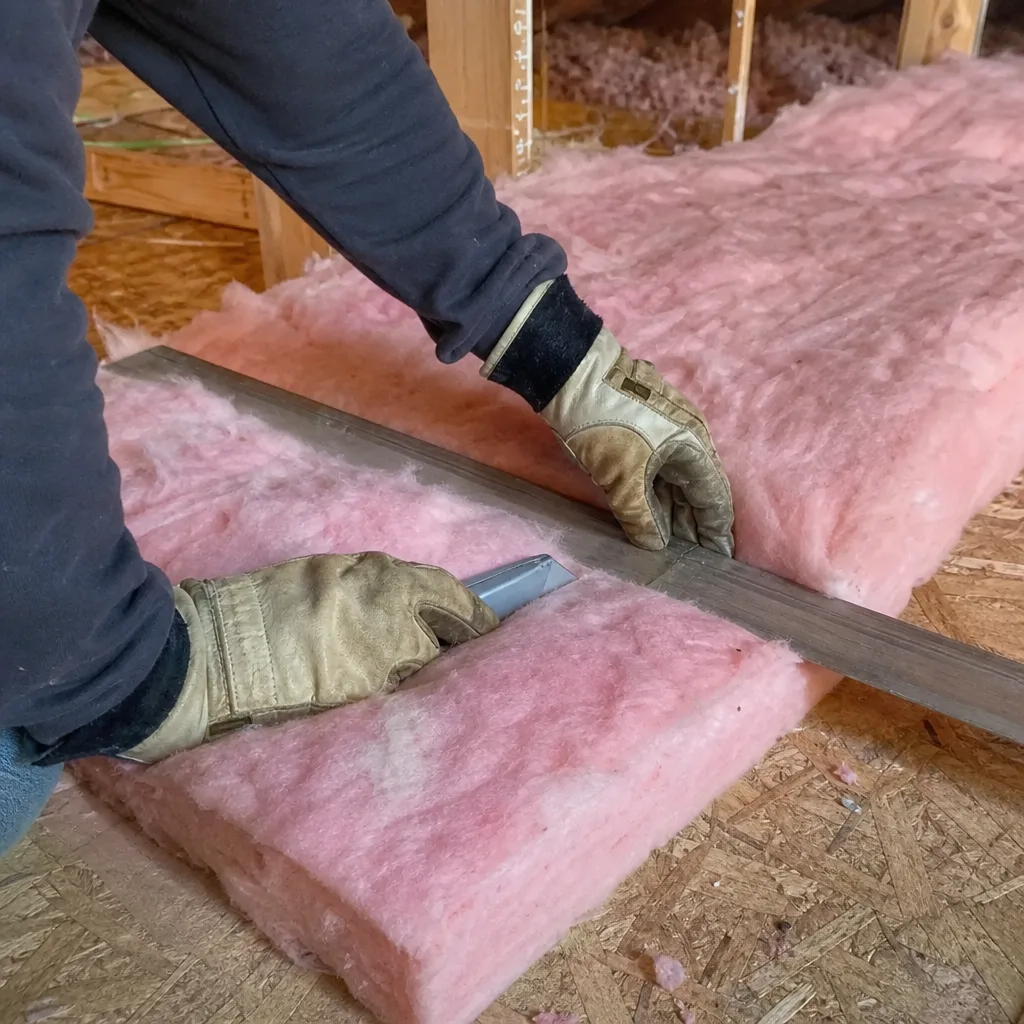
These questions are designed to reveal whether a contractor treats air sealing as a prerequisite or an afterthought. The answers will tell you whether you’re hiring a building envelope specialist or a crew that blows product.
- “What is your protocol for top-plate bypasses?” Top plates are the horizontal framing members where interior walls meet the ceiling. In most Converse homes built before 2000, these are unsealed gaps that allow conditioned air to escape into the attic. A competent contractor will describe a specific procedure: removing existing insulation to expose the plates, sealing with caulk or foam, then reinstalling or adding new insulation. A crew that blows over the plates without addressing them is installing a filter.
- “What ACH50 do you target on a 1990s Converse ranch?” This question tests whether the contractor has local experience and performance targets. A knowledgeable contractor will give a specific range - typically 7-10 ACH50 for a home of that era, depending on foundation type and duct location. A contractor who cannot name a target does not measure results.
- “Will you provide before-and-after blower-door numbers, and in what format?” The correct answer is yes, in writing, with the test date and technician signature. At Envelope Insulation Co., these are included in the job documentation. A contractor who offers only a verbal summary or refuses to test is not verifying their work.
- “What is your procedure if you find knob-and-tube wiring or a non-IC-rated can light in the attic?” This reveals safety protocols and whether the crew is trained to recognize hazards. In Converse neighborhoods like Camelot, homes from the 1970s and 1980s sometimes have buried electrical issues. The contractor should describe a stop-work procedure and notification protocol, not a “we work around it” approach.
- “What documentation do I receive when the crew leaves?” The answer should include specific deliverables: photos of completed work, blower-door results if applicable, a final invoice matching the written price, and warranty documentation. Under Haven Standard Clause 1, every job begins with a written price and ends with a documented record. No exceptions.
Red Flags in a Converse Insulation Contract
A contract is a risk allocation document. It determines who bears the cost if something goes wrong. Here are specific provisions that should prompt you to reconsider, or at minimum to negotiate.
Payment in Full Before Work Begins
Texas law does not prohibit this practice, but it removes your leverage if the work is incomplete or defective. A standard structure is 50% at material delivery, 50% at substantial completion after your walkthrough. Under Haven Standard: Have it in writing - and that includes payment terms.
No Mention of Permits
In Converse, located in Bexar County with city jurisdiction, attic insulation generally does not require a permit if no structural modifications are made. However, spray foam insulation that alters the attic from vented to unvented may trigger code review. A contract that does not address permits at all suggests the contractor has not considered whether your specific job requires one. For details, read Insulation Permits, Codes & Inspections in TX: What You Need to Know.
No Post-Job Inspection Protocol
The contract should specify who inspects the work, when, and against what standard. Is there a final walkthrough with the homeowner? Is the blower-door test performed with the homeowner present? Without this language, the “completion” is determined by the contractor alone.
Vague Material Descriptions
“Insulation as needed” or “to code” is insufficient. Texas adopts the IECC, but local amendments apply. The contract should specify the material, brand, installed thickness, and settled R-value as discussed above.
No Warranty in Writing
Verbal warranties are unenforceable. The 365-Day Done Right Promise at Envelope Insulation Co. is backed by a written scope and written warranty delivered before anyone starts. If a contractor’s warranty is not in the contract, it does not exist.
How Converse Climate and Building Stock Affect Your Insulation Strategy
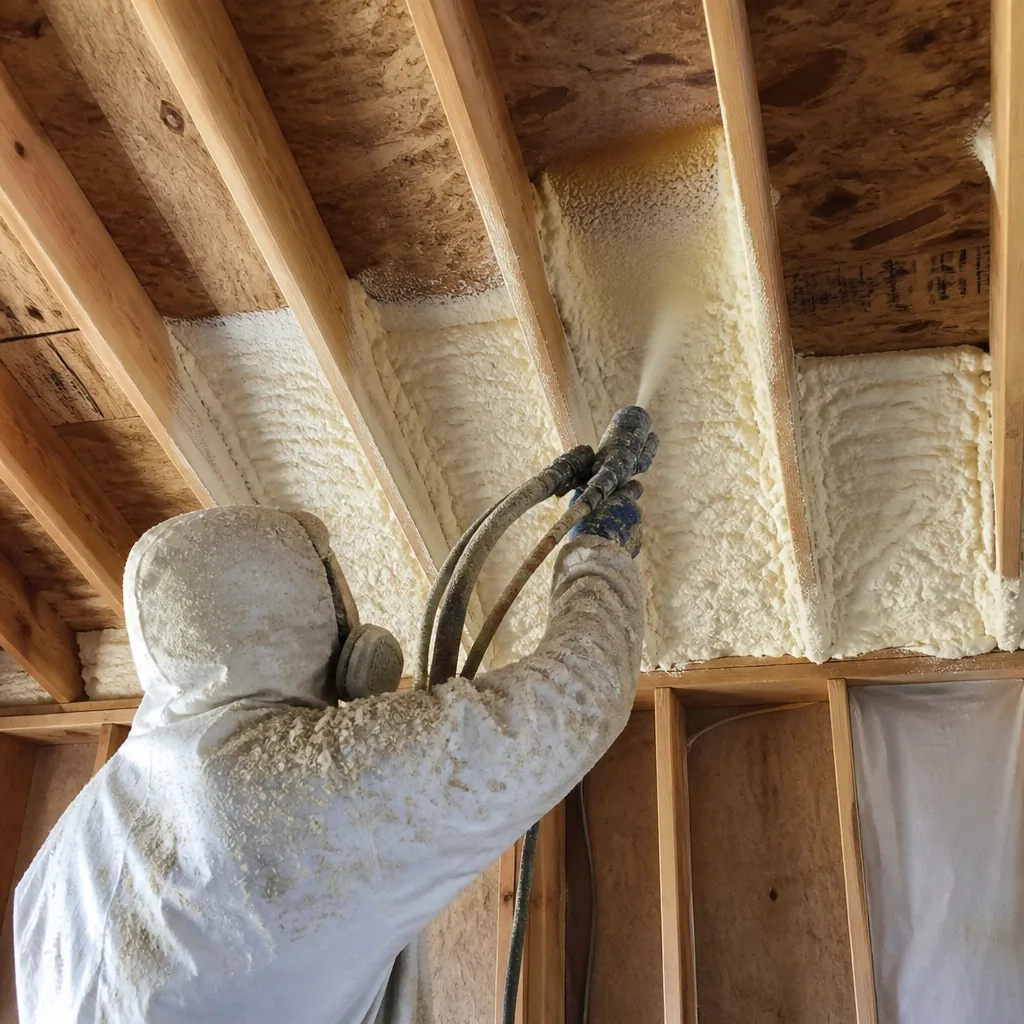
Converse sits at approximately 650 feet elevation in the Texas Hill Country transition zone, with hot, humid summers and mild winters. The cooling load dominates energy bills. This climate reality should shape every insulation decision.
Summer Attic Temperatures and Radiant Heat
In July and August, attic temperatures in Converse can reach 150°F. Radiant heat transfer from the roof deck to the attic floor is significant even with adequate insulation. A contractor who addresses only conductive heat transfer (R-value) without considering radiant barriers or reflective roof coatings is solving half the problem. In homes with dark shingle roofs and minimal roof ventilation, this is especially relevant.
Humidity and Moisture Management
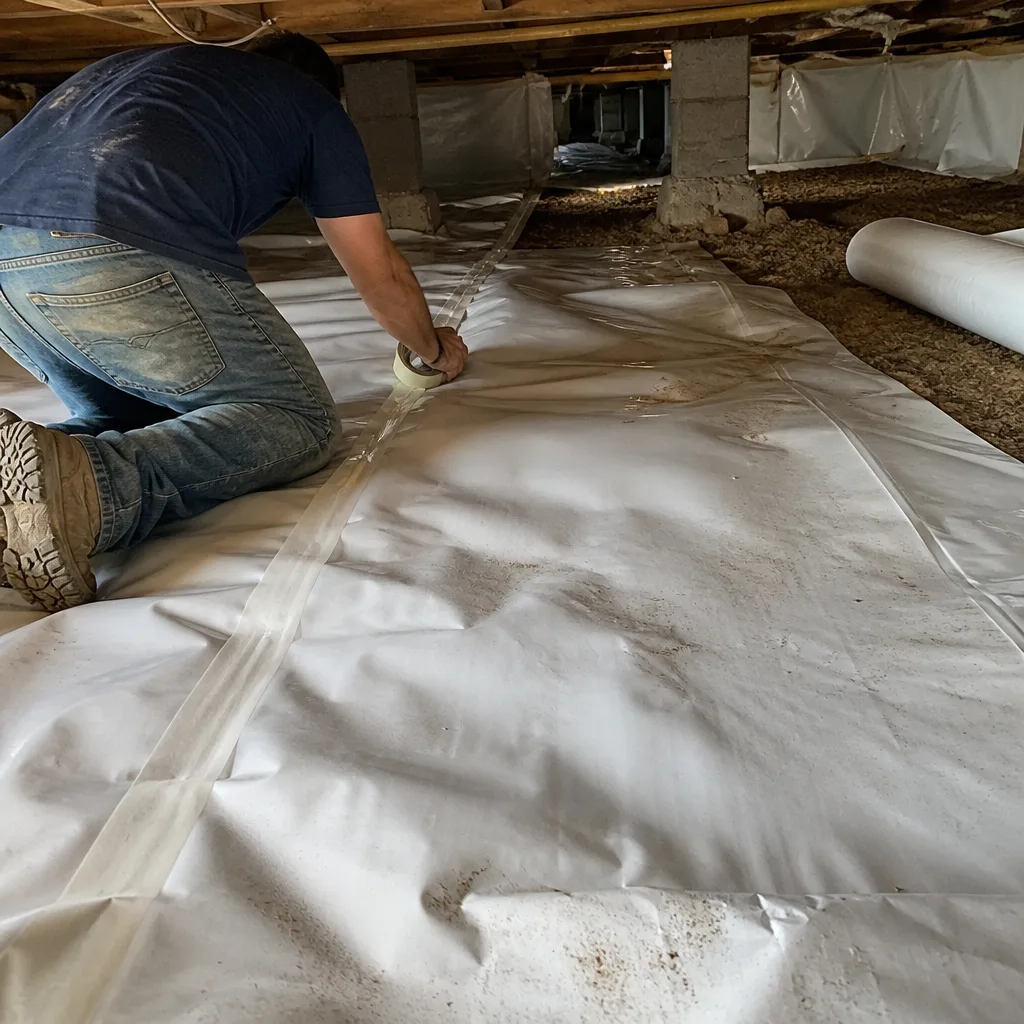
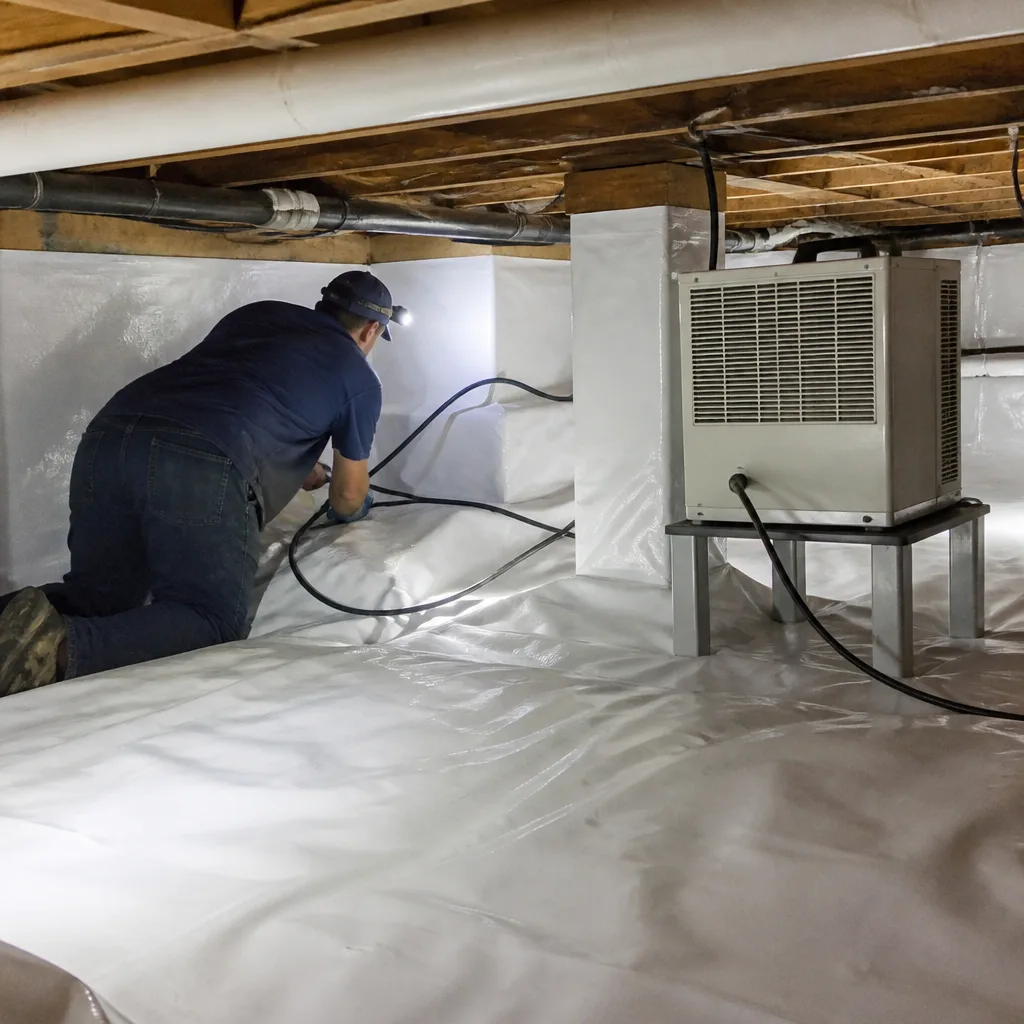
Converse averages 60-80% relative humidity in summer months. Adding insulation without air sealing can trap moist indoor air in wall cavities and attic spaces, leading to condensation and mold. This is why the blower-door test matters: it identifies the leakage paths that carry moisture. A Crawl Space Encapsulation & Vapor Barrier in Converse may also be necessary if your home has a vented crawl space with dirt floors, as ground moisture contributes significantly to indoor humidity.
Neighborhood-Specific Building Patterns
Homes in Converse vary significantly by era:
- Pre-1980 (Camelot, areas near FM 78): Often uninsulated or R-11 batts, minimal air sealing, possible knob-and-tube wiring. Full insulation removal and replacement is frequently necessary.
- 1980-1999 (Rolling Creek, Converse Heights, most of the city): R-19 to R-30 blown fiberglass, some top-plate sealing but inconsistent. Air sealing upgrade typically yields 30-50% leakage reduction.
- 2000-2010 (Newer subdivisions): R-30 to R-38, better initial sealing, but ductwork often in vented attics. Spray Foam Insulation in Converse can convert vented to unvented attic, moving ducts inside the thermal envelope.
- 2010-present: Code-compliant R-38, but quality control varies. Blower-door testing often reveals tradesman gaps around fixtures and access points.
What Insulation Jobs Actually Cost in Converse
Price transparency is a core value. Here are the ranges we see in the Converse market for typical jobs, based on 9,000+ homes sealed and insulated since 2016. Every one of those jobs began with a written price before work started and a documented record when the crew left. See our Insulation Cost Breakdown: The Converse Homeowner’s Reference for 2026 for detailed pricing guidance.
| Service | Typical Range | What Affects Price |
|---|---|---|
| Attic air sealing only | $800 - $1,800 | Attic square footage, number of penetrations, accessibility |
| Blown-in fiberglass (R-38, typical 1,800 sq ft attic) | $1,800 - $3,200 | Material brand, existing insulation removal, deck repairs needed |
| Blown-in cellulose (R-38, same footprint) | $1,600 - $2,800 | Density specified, borate treatment for pest resistance |
| Spray foam (open-cell, full attic, 5.5 inches) | $4,500 - $8,500 | Attic complexity, roof pitch, need for ignition barrier |
| Spray foam (closed-cell, rim joist only) | $2,200 - $4,000 | Linear footage, accessibility, existing moisture issues |
| Insulation removal and replacement | $2,500 - $5,500 | Contamination level (rodent, smoke), disposal fees, deck repairs |
| Crawl space encapsulation | $3,500 - $7,500 | Linear footage, vapor barrier thickness, dehumidifier sizing |
These are ranges, not quotes. Your specific home may fall above or below depending on access, condition, and scope. We provide a Written Price Before Any Work Starts - always - and a Free Second Opinion on any written estimate. Bring us a competing quote; we will read it with you line by line.
Common Mistakes to Avoid
- Comparing bids without a line-item scorecard. A $2,800 bid for “attic insulation” and a $4,200 bid for “attic insulation, R-38, Owens Corning blown fiberglass, 16 inches installed, air sealing of top plates and can lights, before-and-after blower-door test, photo documentation” are not comparable services. The first is cheaper because it is less.
- Ignoring air sealing to save money. In Converse’s climate, unsealed insulation performs like a filter, not a barrier. Conditioned air escapes, moisture enters, and your HVAC runs longer. The savings from skipping air sealing are borrowed against higher energy bills and potential moisture damage.
- Hiring based on lowest price for spray foam. Spray foam installation requires precise temperature, humidity, and mix-ratio control. Inexperienced applicators or off-brand chemicals can produce foam that shrinks, cracks, or emits odors for months. Specify certified installers and named products like Demilec or Icynene.
- Not verifying the post-job documentation. A contractor who cannot show you a sample report from a previous job - photos, test results, warranty - has not delivered it consistently. Ask to see one before you sign.
- Assuming all fiberglass is the same. Density, recycled content, and binder chemistry vary significantly. Owens Corning and Johns Manville publish technical data sheets for each product. A contractor who cannot name the specific product is not specifying, they are buying whatever is cheapest that week.
- Neglecting to ask about the crew. Background-checked, uniformed technicians are a baseline expectation. Ask who will be in your home, and whether they are employees or subcontractors. At Envelope Insulation Co., our technicians are employees, background-checked, and uniformed.
- Waiting for a problem to become urgent. In Converse, insulation deficiencies compound through summer. A home that is uncomfortable in May becomes unlivable in August, and contractors’ schedules fill. Schedule assessments in spring for summer-ready results.
When to Call a Professional
Call a professional when your energy bills are rising without rate increases, when rooms are consistently hotter or colder than others, when you feel drafts from outlets and fixtures, or when you can see floor joists in your attic because insulation has settled below them. In Converse, where summer cooling costs often exceed winter heating by three to one, attic performance is a year-round concern.
Topside Attic Insulation Converse offers free estimates in Converse. A trained technician will assess your attic, perform a blower-door test if indicated, and provide a written price before any work starts. Call (830) 420-0953 to schedule. Calls are answered by a live person, 24/7 - no voicemail loops, no callback windows measured in business days. Browse our more guides & resources for additional homeowner references.
Frequently Asked Questions
Most homes built before 2010 in Converse need both, but air sealing should come first. A blower-door test will quantify your leakage. If your ACH50 is above 10, air sealing will improve comfort more per dollar than adding insulation. If you’re already reasonably tight, insulation is the priority. We perform both assessments and provide a written scope with line-item pricing for each.
Spray foam is worth considering if your ductwork is in a vented attic, which is common in Converse homes from the 1980s and 1990s. Converting to an unvented attic with open-cell spray foam moves the thermal boundary to the roof deck, placing ducts inside conditioned space. This often reduces cooling load by 15-25% in our climate. For homes with ducts in conditioned space already, blown fiberglass or cellulose at R-38 to R-49 is typically more cost-effective.
Blown fiberglass and cellulose can last 20-30 years if not disturbed or contaminated. However, in Converse’s hot attic environment, settling occurs faster than in cooler climates. We inspect attics where R-38 was installed at 14 inches and has compressed to 10 inches within 10 years. A photo inspection every 5-7 years will catch this. Our Documented Photo Record on every visit establishes a baseline for future comparison.
You can if the old insulation is dry, uncontaminated, and uncompressed. In Converse, we frequently find old insulation compromised by roof leaks, rodent activity, or improper storage. We remove and replace in approximately 30% of the attics we assess. A visual and moisture inspection determines the correct approach. We do not bury problems.
Standard blown-in or batt attic insulation typically does not require a permit in Converse if no structural changes are made. Spray foam that alters attic ventilation strategy, or any work involving electrical or HVAC modifications, may require review. We address permit requirements in our written scope before work begins. If a permit is needed, we obtain it.
Bring us the competing written estimate - we offer a Free Second Opinion on any written estimate. We will read it with you line by line against our five-point scorecard: material type and brand, installed thickness, target settled R-value, air-sealing scope by location, and post-job documentation deliverables. A lower price with a missing line item is not a better deal. Call (830) 420-0953 to schedule your review.
The Bottom Line
Hiring an insulation contractor in Converse is not about finding the lowest price. It is about finding a contractor who specifies what you are buying, measures what they achieved, and documents what you received. The five line items on every legitimate bid - material and brand, installed thickness, settled R-value, air-sealing scope, and post-job documentation - protect you from the legally complete but technically incomplete contract. The blower-door test separates contractors who promise efficiency from those who prove it. And the written price before any work starts, with a written warranty delivered before anyone lifts a tool, is the foundation of a transaction where the homeowner holds the leverage.
At Envelope Insulation Co., operating under The Haven Standard since 2016, we have sealed and insulated 9,000+ homes. Every one began with a written price and ended with a documented record. If you are evaluating bids and want a second set of eyes, or if you are ready to start with an assessment that includes a blower-door test and a written scope, we are available.
Written by Wes Okafor, Owner at Topside Attic Insulation Converse, serving Converse since 2016.