

Fast, Reliable Spray Foam Insulation Across San Antonio
Spray foam insulation in San Antonio runs $1.80-$3.20 per board foot for open-cell and $3.50-$5.50 for closed-cell, with most whole-attic retrofits landing between $2,800 and $6,500 depending on access and condition. We’re Envelope Insulation Co., operating under The Haven Standard since 2016, and our San Antonio office dispatches crews daily to homes from King William to Cibolo. Call (830) 420-0953 - a live person answers 24/7, and we’ll schedule a free written estimate with a flat price before any work starts.
San Antonio’s housing stock doesn’t respond to one-size-fits-all insulation. The same crew that sprays open-cell foam in a 2019 Stone Oak build is sealing rim joists in a 1964 Universal City ranch where the original R-11 batts failed during Winter Storm Uri. We don’t guess. We test, seal, document, and then insulate - in that order.
Why Topside Attic Insulation Converse Is San Antonio’s Preferred Spray Foam Insulation Company
We’ve sealed and insulated over 9,000 homes since 2016, and a significant share of those are right here in San Antonio - from the limestone-block walls of Monte Vista to the low-pitched roof decks of the military corridor. Our local reputation rests on documentation, not slogans: every applicable job leaves the homeowner with before-and-after blower-door numbers, a photo record, and a written warranty under our 365-Day Done Right Promise.
San Antonio customers find us because they read three-star reviews as carefully as five-star ones, and they stay because we publish what we measure. A blower-door test - a pressurization reading that shows, in one number, how much air your building envelope is losing - is standard on every job where air sealing is performed. No contractor in this market provides that level of verification as routinely as we do.
Response time matters in July when your attic hits 155°F and your AC can’t keep up. Our San Antonio office dispatches same-day or next-day for most calls. Crews are background-checked, uniformed, and named - you’ll get a text when your technician is on the way. Under Haven Standard: Arrive on schedule, with a named technician and a text en route.
We know the local codes, the local housing eras, and the local failure modes. A contractor who treats a Monte Vista limestone block house like a north-side frame build will drill holes in solid masonry and achieve zero R-value gain. We don’t make that mistake because we don’t assume.
Our Spray Foam Insulation Services in San Antonio
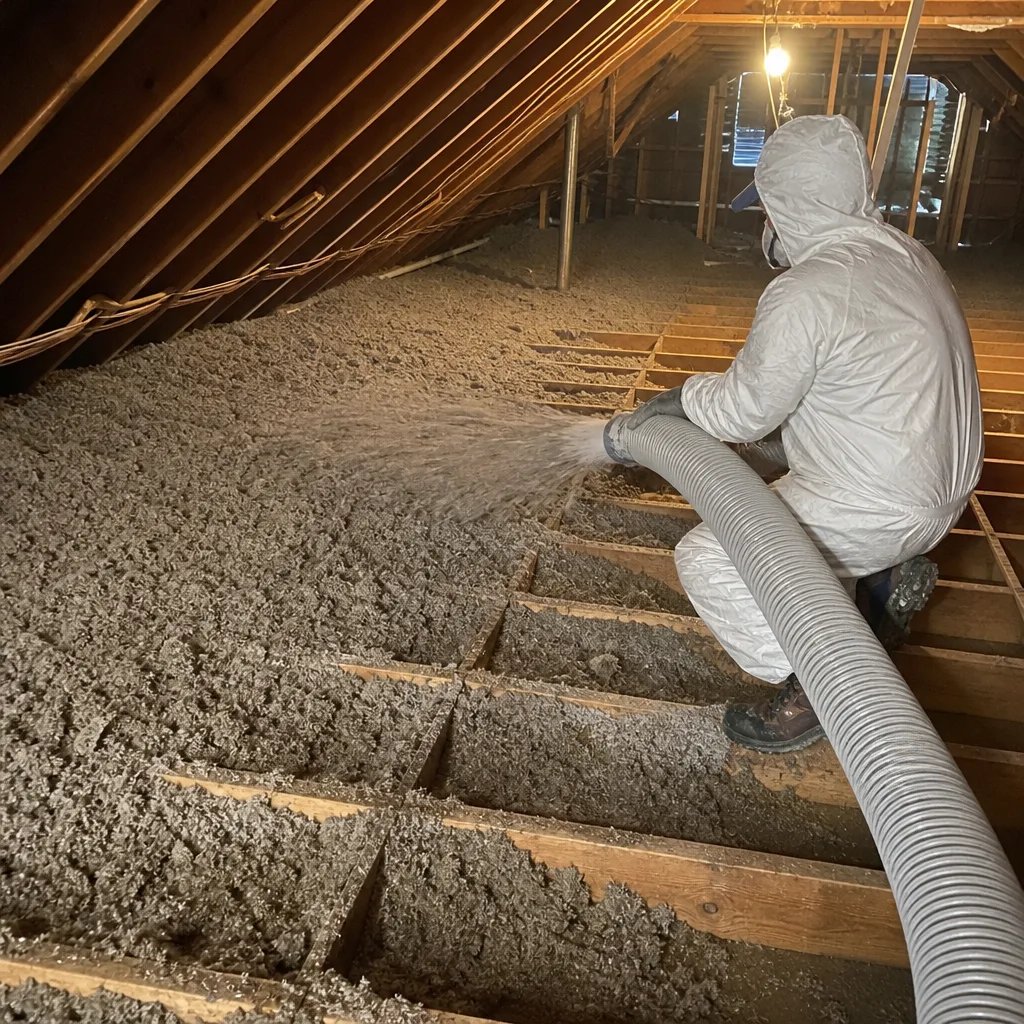
Open-Cell Spray Foam
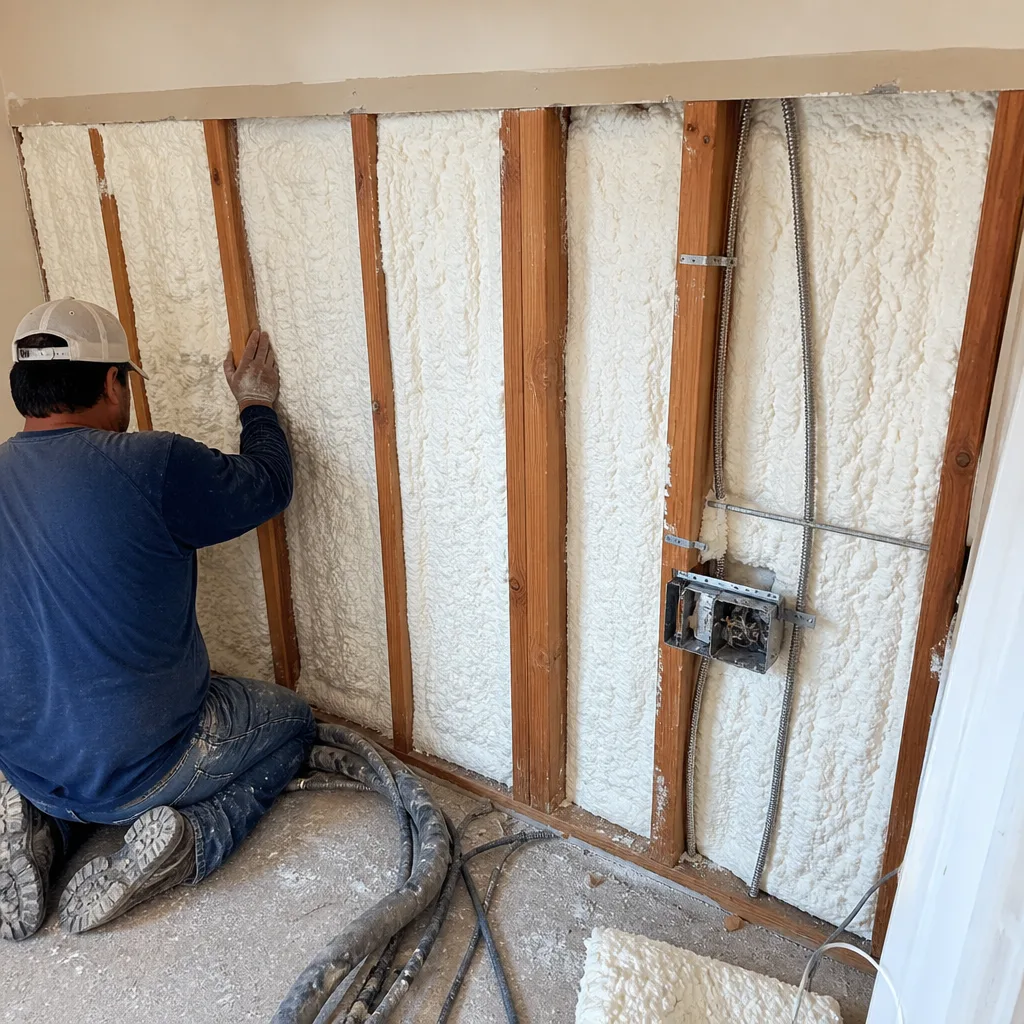
Open-cell spray foam - the lighter, vapor-permeable option that expands to roughly 100 times its liquid volume - is our default for San Antonio attic floors and roof decks where moisture management matters. In the military-corridor tract homes of Converse and Universal City, we regularly apply 7 inches of open-cell (R-26 equivalent) to attic floors after first air-sealing top plates and can-light penetrations. The foam breathes, so it won’t trap the humidity that builds up in San Antonio’s shoulder seasons when the AC cycles less. We source open-cell products from Icynene and Demilec, among others - no proprietary lock-in, so we match the material to the assembly.
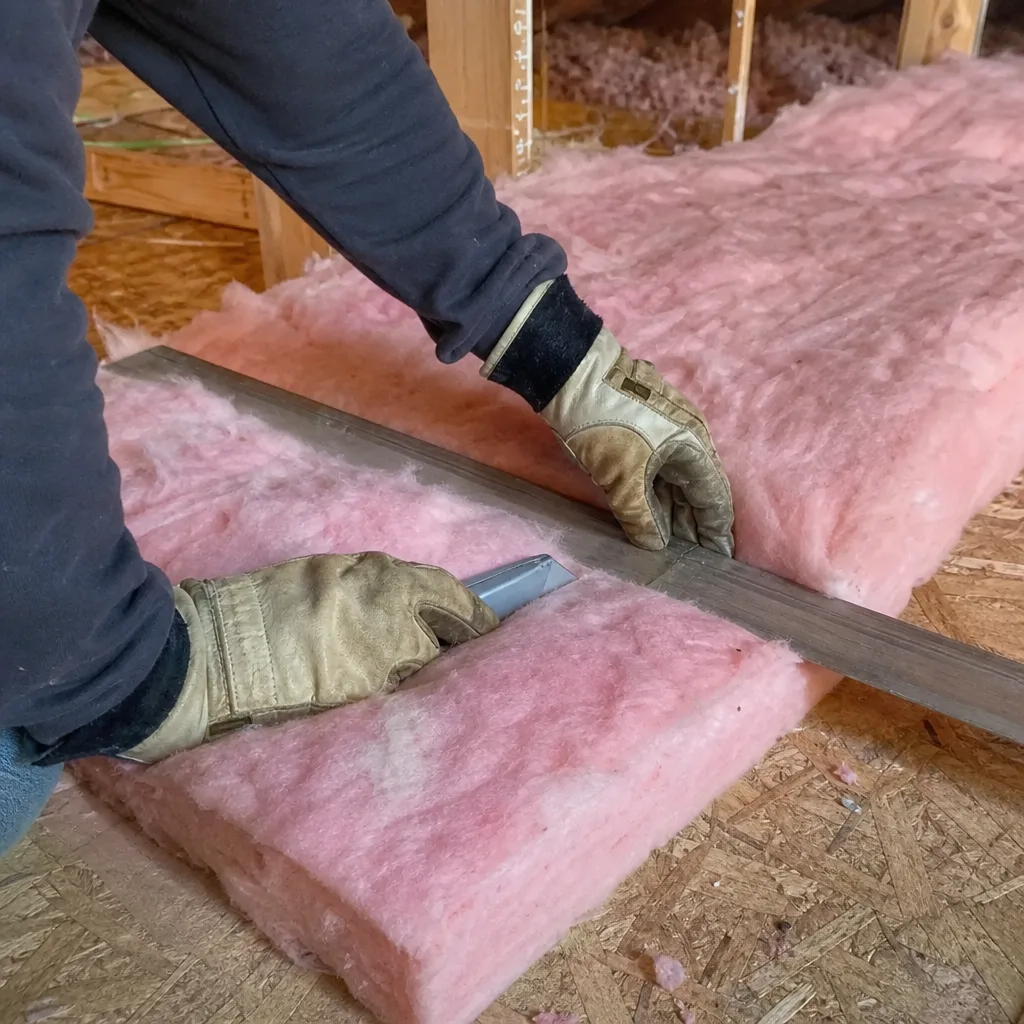
Closed-Cell Spray Foam
Closed-cell spray foam - denser, vapor-closed, and rated at R-6.5 per inch - is what we use where space is tight and moisture must be blocked. In San Antonio, that means rim joists in 1960s ranches, garage ceiling assemblies, and any application where the foam serves as both insulation and air barrier in a 2-inch cavity. Closed-cell is also our choice for roof decks where the attic is conditioned and the deck temperature exceeds 140°F; the rigid structure resists the sag and delamination that can afflict open-cell if the thermal barrier is skipped. We stock closed-cell from Johns Manville and Owens Corning formulations, selected per job.
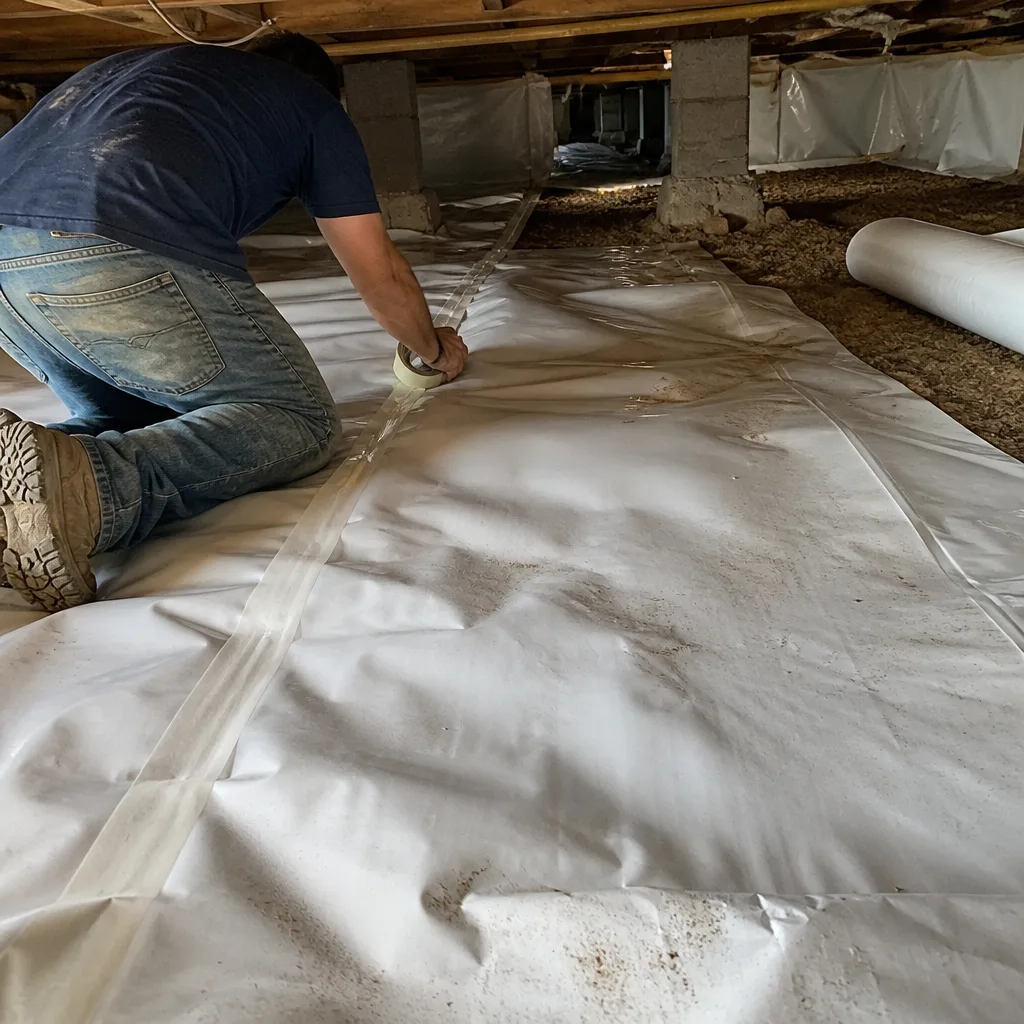
Rim Joist Spray Foam
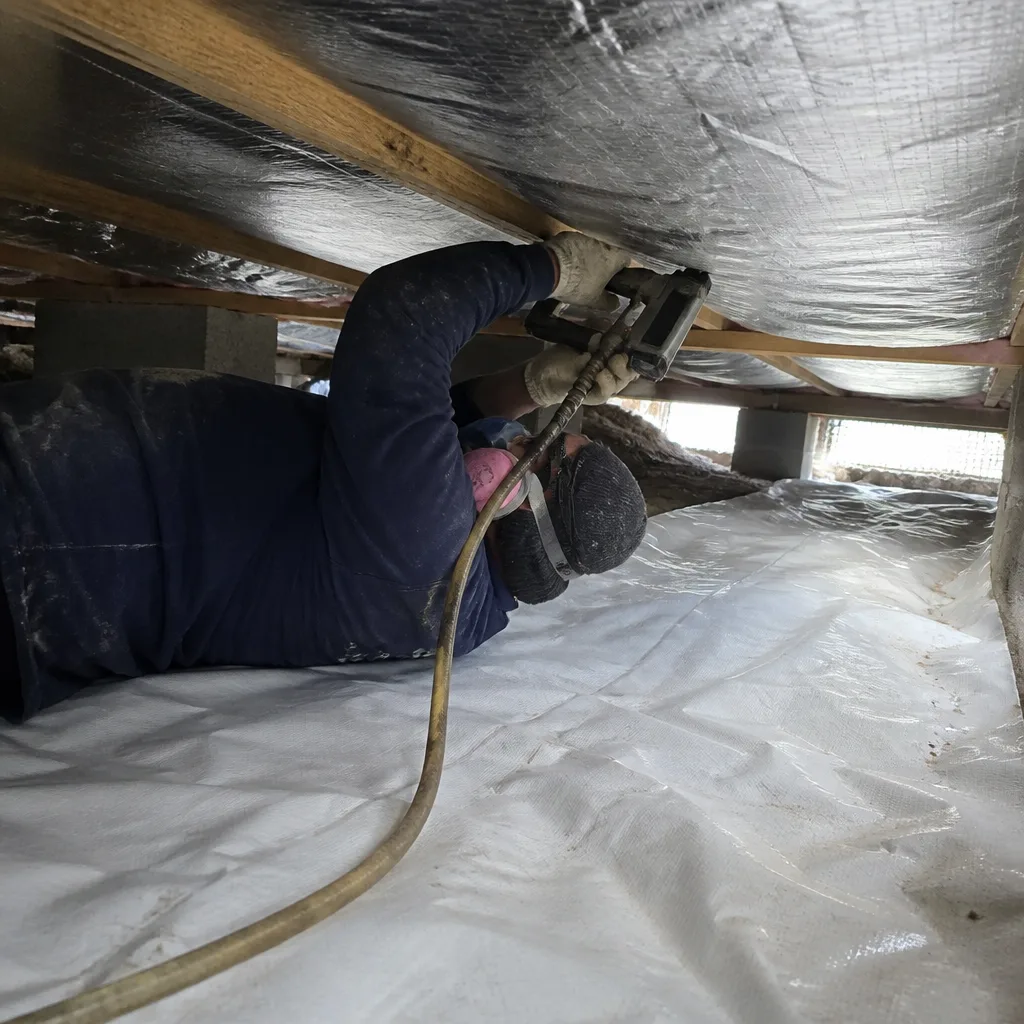
The rim joist - the perimeter band where your foundation meets your first floor - is the single most common air-leakage site we find in San Antonio’s slab-on-grade military housing. These joints were often left open to garage or crawlspace air in the 1950s-70s builds, and they’re a direct path for 105°F garage air, termites, and roach activity into your conditioned envelope. We spray 2-3 inches of closed-cell foam to seal and insulate simultaneously, but only after inspecting for active pest intrusion. Trapping a colony inside the cavity with foam is worse than leaving it open. We document the pre-spray condition with photos; you get the record.
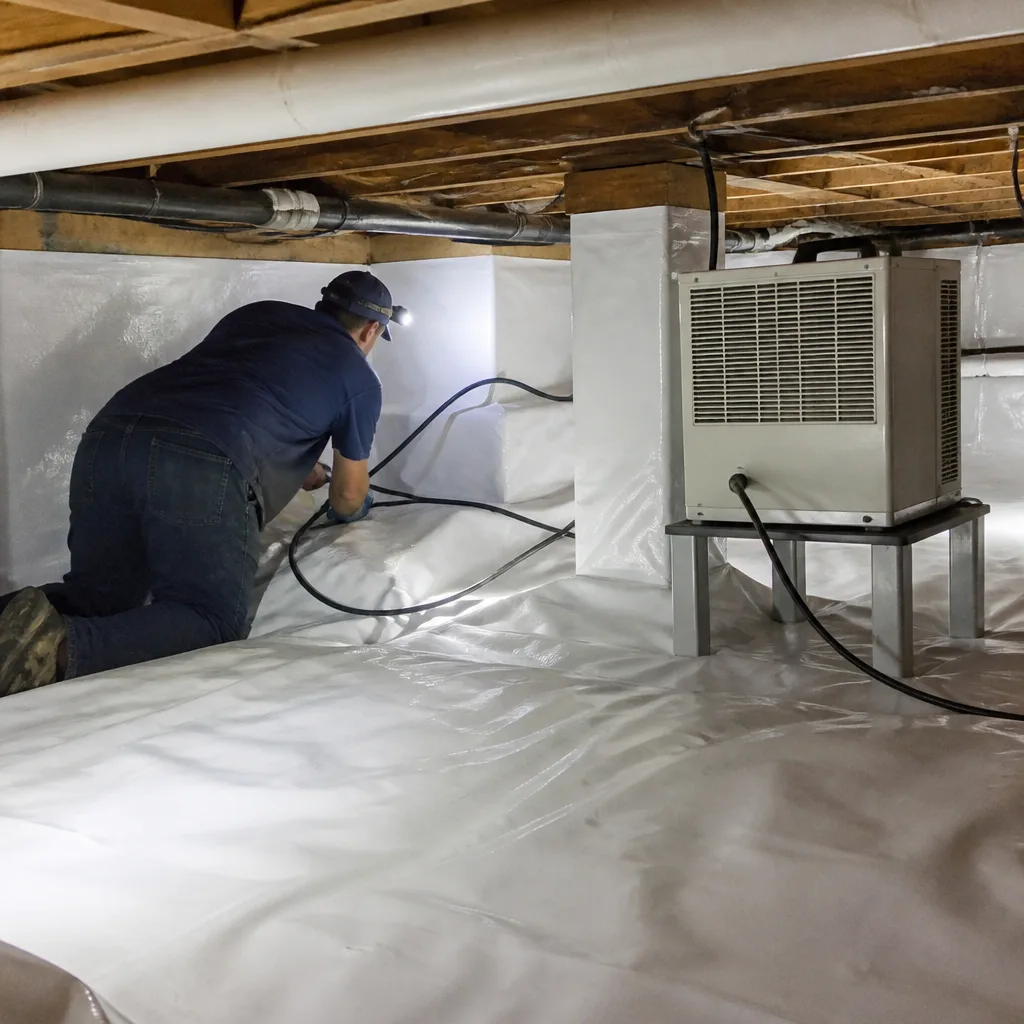
Garage Ceiling Spray Foam
San Antonio garages are unconditioned ovens for eight months of the year, and bedrooms above them suffer. We spray open-cell or closed-cell foam to the garage ceiling - depending on whether the bedroom floor needs vapor permeability or a hard air block - after sealing all penetrations for ductwork, wiring, and plumbing. In the northeast corridor near JBSA-Randolph, we’ve treated dozens of these assemblies in base housing and adjacent tracts. The result is measurable: bedroom temperatures that track the thermostat instead of the garage.
Spray Foam Roof Deck
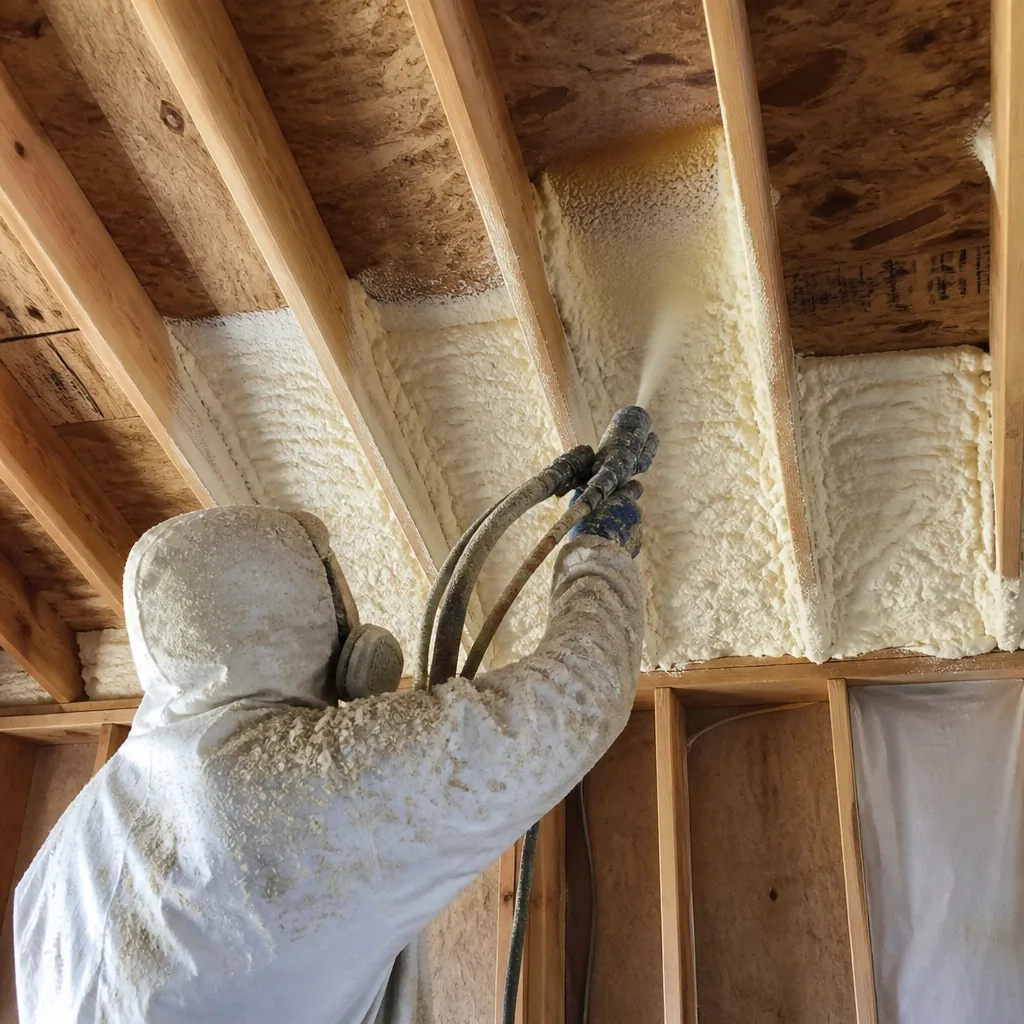
Conditioned attics - where the insulation moves from the floor to the roof deck - are increasingly common in San Antonio’s newer builds and deep retrofits. We spray open-cell or closed-cell foam to the underside of the roof deck, creating a sealed, conditioned space that houses HVAC equipment inside the thermal envelope. Critical caveat: low-pitched roofs on mid-century homes can see deck surface temps of 160°F+ in August. We verify thermal barrier requirements and deck temperature ratings before specifying; skipping this step is how open-cell delaminates and sags. We don’t skip steps.
What happens when you call
- 1
A real person answersNo phone trees - you reach a local pro.
- 2
You get an upfront price rangeHonest numbers before anyone is dispatched.
- 3
A background-checked tech heads outLicensed & insured, dispatched right away.
- 4
You approve before work beginsNothing starts until you say go.
 Before
 After
AfterTrusted Brands We Service in San Antonio
We source spray foam materials from Owens Corning, Johns Manville, Knauf, Icynene, Demilec, and GreenFiber - no exclusive supplier arrangements that limit what’s best for your assembly. Our San Antonio warehouse stocks common formulations for same-week scheduling, and we maintain relationships with local distributors for specialty products. If your project specifies a particular brand for compatibility with an existing system or warranty requirement, we accommodate. The material serves the job; the job doesn’t serve the material.
Common Spray Foam Insulation Problems We See in San Antonio Homes
- Limestone-block walls with no cavity. In Monte Vista, Beacon Hill, and King William, contractors who assume standard wood-frame construction drill into solid limestone or hollow clay tile, blow in cellulose or fiberglass, and achieve essentially zero R-value gain. The wall is still a thermal bridge. The only viable retrofit is interior rigid foam board plus full drywall replacement - a scope and price point that shocks homeowners who expected a simple blown-in quote.
- Open-cell foam sagging on hot roof decks. In Converse and Universal City, low-pitched military-spec roofs with 150°F+ deck temperatures will degrade open-cell spray foam if the installer skips the ignition barrier or misjudges the temperature rating. We see this on competitor jobs 2-3 years after installation: foam pulling away from the deck, creating voids that funnel hot attic air directly into conditioned space.
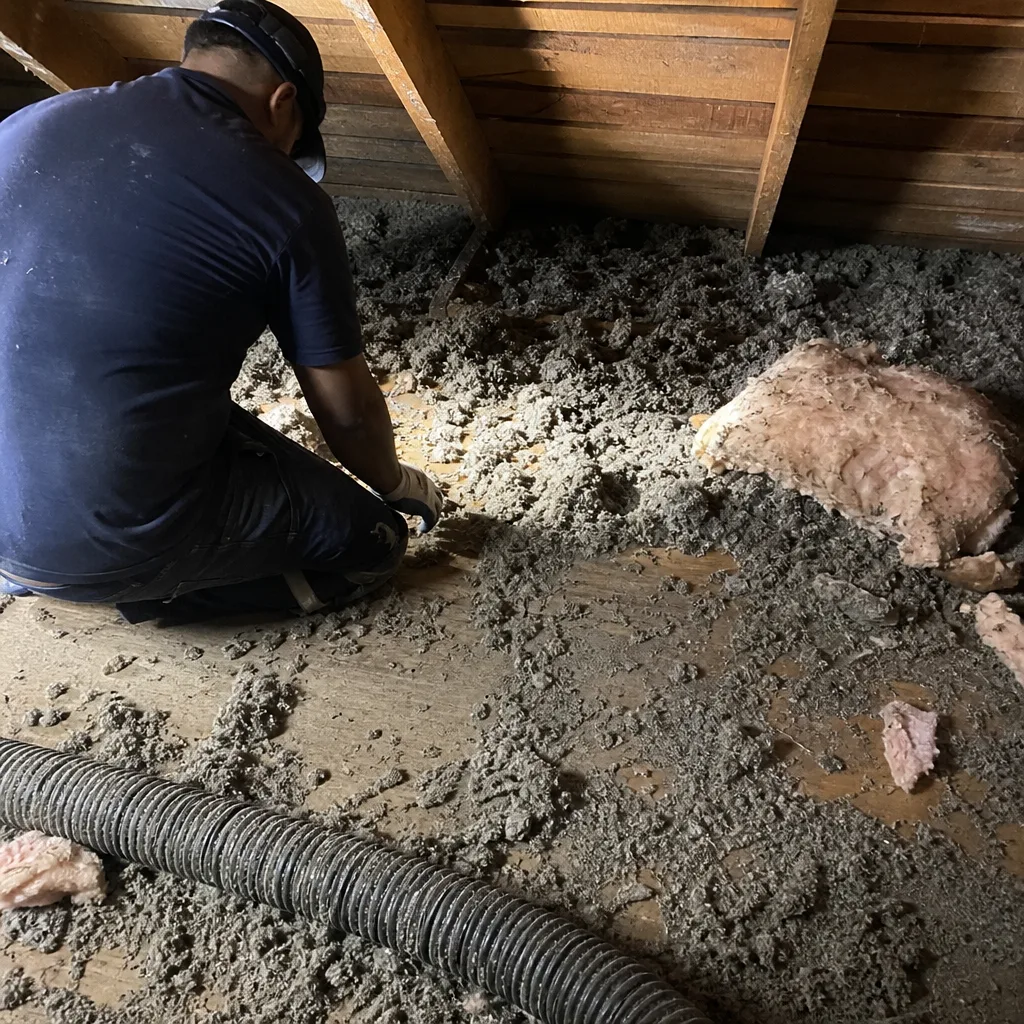
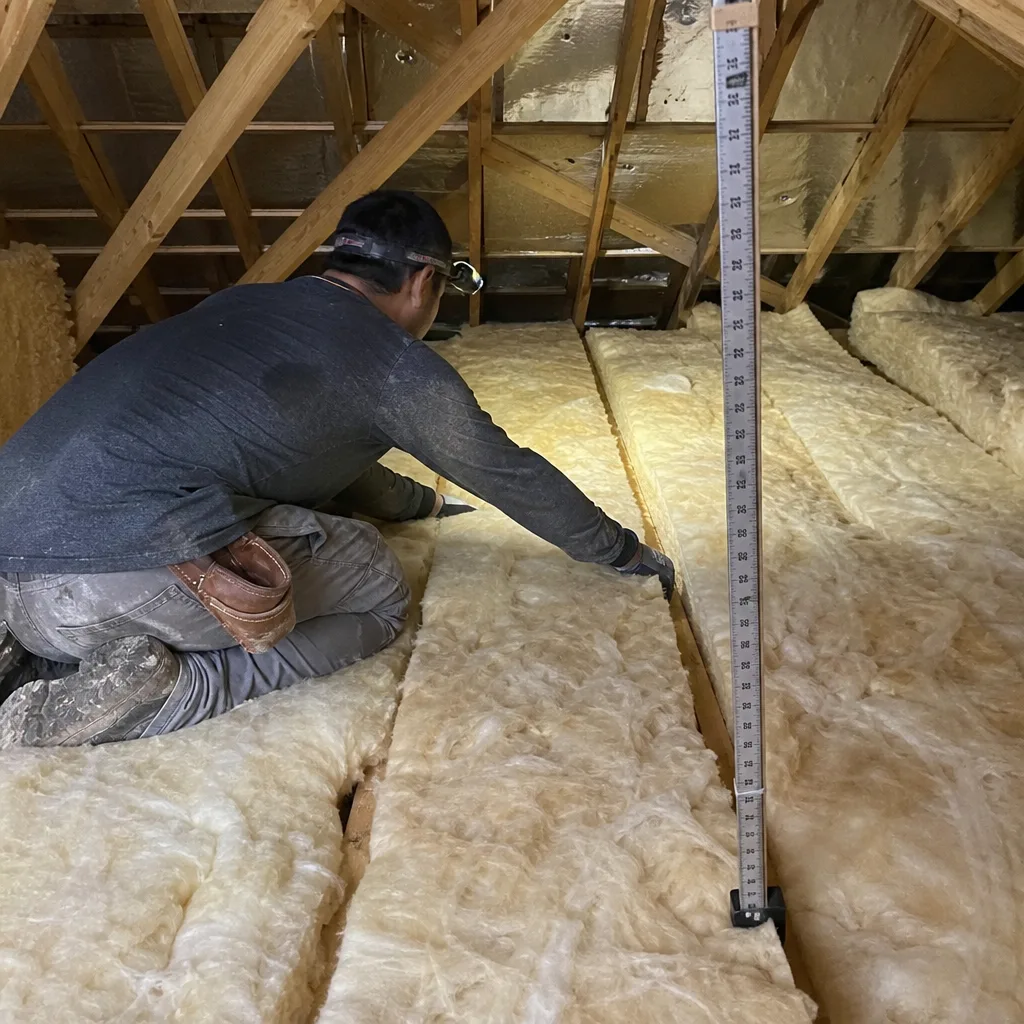
- Fiberglass batts trapping moisture under new foam. Winter Storm Uri exposed that legacy attics throughout San Antonio had R-11 batts laid over unsealed top plates. Contractors who spray foam over those batts without removal trap the existing moisture layer, create a double vapor barrier, and fail to stop the stack-effect heat gain that makes second floors unlivable in July. We remove first, seal second, spray third.
- Rim joists sprayed over active pest colonies. In the 1960s ranches of the military corridor, rim joists are often the highway for termite and roach movement between garage, crawlspace, and living space. Sealing with closed-cell foam before addressing the infestation entombs the pests and their pheromone trails, making future treatment impossible and guaranteeing they’ll find another path. We inspect, treat or refer for treatment, then seal.
Pricing for Spray Foam Insulation in San Antonio, TX
Most San Antonio spray foam jobs fall in these ranges:
| Application | Typical Range |
|---|---|
| Open-cell attic floor (1,200 sq ft) | $2,800 - $4,500 |
| Closed-cell rim joist (perimeter) | $1,200 - $2,400 |
| Garage ceiling (2-car, foam only) | $1,800 - $3,200 |
| Closed-cell roof deck (conditioned attic) | $4,500 - $7,500 |
| Whole-home open-cell (walls + attic, 2,000 sq ft) | $8,500 - $14,000 |
What moves the price: access difficulty (steep roof pitch, tight crawlspace), existing insulation removal, air-sealing scope before foam, and whether thermal or ignition barriers are required by code. We provide a written price before any work starts - Haven Standard Clause 1 - and a free second opinion on any competing written estimate. Call (830) 420-0953 for your flat-price quote; estimates are free, and no work begins without your signed written scope.
We Also Serve Cities Near San Antonio
Our San Antonio office dispatches crews throughout the metro, including San Antonio proper and the adjacent communities of Converse, Universal City, Schertz, and Cibolo. The military-corridor housing stock extends across all five cities, and we treat the same R-11 batt failures, rim-joist gaps, and 155°F attics from one ZIP code to the next. Same written price, same blower-door documentation, same 365-Day Done Right Promise.
Serving San Antonio, TX - Our Local Coverage Area
We’re based in the San Antonio area and know this community well. Use the map below to see our service coverage - if you’re nearby, we can almost certainly help.
FAQs - Spray Foam Insulation in San Antonio
No - not from the exterior, and not with spray foam in the wall cavity. These homes were built with solid limestone block or hollow clay tile that has no cavity to fill; drilling and blowing achieves zero R-value gain. The only viable retrofit is interior rigid foam board, full drywall removal and replacement, and meticulous air-sealing at the top and bottom plates. We scope this explicitly in our written estimate so there’s no surprise when the price reflects a full interior renovation rather than a simple blown-in job. Call (830) 420-0953 and we’ll walk through your specific wall assembly.
Because fiberglass batts don’t air-seal, and your top plates, can lights, and duct penetrations are leaking conditioned air into the attic while pulling 155°F air down through the ceiling. The R-11 batts were also likely crushed during a past HVAC replacement, reducing their already minimal effectiveness. We remove the old batts, air-seal all penetrations with targeted foam and caulk, then apply 7 inches of open-cell spray foam to the attic floor. Our blower-door test quantifies the leakage reduction; most Converse homes we treat drop from 4,000+ CFM50 to under 2,500.
Closed-cell is usually better for garage ceilings in San Antonio because it blocks the 105°F+ garage air and its humidity from reaching the bedroom floor above, and it provides structural rigidity in a space where we can’t always achieve full depth. Open-cell works if the floor assembly already has a separate vapor barrier and the primary need is sound dampening. We inspect the existing assembly - ductwork paths, plumbing penetrations, current floor temperature - before specifying. The written scope names the product and the reason.
Yes. Leaving old batts in place traps a moisture layer between the old and new insulation, creates an unintended double vapor barrier, and prevents the spray foam from adhering to the deck or floor joists. In San Antonio’s climate, where attic humidity spikes during shoulder seasons, this trapped moisture leads to mold and degraded foam performance within 2-4 years. We remove, haul, and dispose of old insulation as a standard scope item; you get photos of the clean deck before foam application. Call (830) 420-0953 for a removal-and-replacement quote.
It stops the single largest air leak in most slab-on-grade homes: the perimeter band where your foundation wall meets your first-floor framing. In military-corridor ranches, these rim joists were often left open to garage or exterior air, creating a direct path for 100°F+ air, humidity, and pests into your conditioned envelope. We spray 2-3 inches of closed-cell foam after inspecting for active termite or roach intrusion, sealing and insulating in one pass. The blower-door test typically shows a 300-600 CFM50 reduction from this step alone. Written price before work starts; photo record when we’re done.
Written by Wes Okafor, Owner at Envelope Insulation Co., serving San Antonio since 2016 under The Haven Standard.