
Crawl Space Insulation in Converse, TX
Crawl space insulation in Converse typically runs between $1,800 and $4,500 depending on square footage, current insulation condition, and whether air sealing is needed first – and at Topside Attic Insulation Converse, air sealing always comes first. We work under The Haven Standard established by Wes Okafor in 2016: written price before any work starts, documented photo record when we leave, and a 365-Day Done Right Promise covering every job.
Converse sits in Bexar County’s northeastern corridor where summer slab temperatures and high humidity create a specific crawl space problem set. Unconditioned crawl spaces here cycle between hot, damp air in summer and cool, dry air in winter – and uninsulated or degraded floor assemblies let that swing move straight into your living space. Crawl Space Encapsulation & Vapor Barrier solutions can help stabilize these conditions. If your floors feel warm in July or cold in January, or if your HVAC runs longer than it used to, the crawl space is usually where the answer lives.
This page covers crawl space insulation specifically. If you’re also dealing with standing moisture, mold, or a missing vapor barrier, our full Crawl Space Encapsulation & Vapor Barrier in Converse page walks through how both services work together – because insulation installed over a wet or uncontrolled crawl space almost always fails prematurely.
Call (830) 420-0953 to speak with a live person now. No voicemail, no callback window. We’ll schedule a free estimate and give you a written price before anyone arrives with a truck.
When You Need Crawl Space Insulation
Not every crawl space problem announces itself with a visible water stain or a broken pipe. Some of the clearest signals are subtler, and homeowners in Converse’s established neighborhoods – Universal City Road corridors, older sections near FM 1516, homes backing up to Salado Creek tributaries – often notice them years before they know what’s causing them.
- Floors that feel warm in summer and cold in winter. If the temperature difference between your floor surface and the rest of the room is noticeable when you walk barefoot, the floor assembly between you and the crawl space has little to no effective thermal resistance. In Converse’s July heat, a poorly insulated crawl space floor can add 4 to 6 degrees to your living room floor temperature.
- Energy bills that have crept up without a clear reason. When floor insulation degrades – and fiberglass batts in humid climates often sag and lose contact with the subfloor within 8 to 12 years – your HVAC compensates. A system that used to cycle off now runs 20 minutes longer. That pattern shows up in your utility bills before it shows up anywhere else.
- Existing insulation that’s sagging, wet, or missing entirely. This is common in Converse homes built in the 1980s and 1990s, where fiberglass batt insulation was stapled between floor joists and has since absorbed moisture, compacted, or fallen to the crawl space floor. Wet fiberglass has near-zero R-value and can harbor mold.
- Musty or damp odors on the first floor. Converse’s clay-heavy soil holds moisture after rain, and that moisture migrates upward through an uninsulated or unencapsulated crawl space. If the smell is there on humid mornings and fades by afternoon, the source is almost always below the floor.
- A newly encapsulated crawl space with no insulation update. Encapsulation controls moisture – it does not add thermal resistance. Many Converse homeowners encapsulate first and later realize the floor assembly still needs insulation to perform correctly. If your crawl space has a liner but no insulation, you’ve addressed one problem and left the other open.
- Pest damage to existing batt insulation. Rodents use fiberglass insulation for nesting material. In areas near Cibolo Creek and the greenbelt corridors east of Converse, this is a recurring problem. Damaged insulation needs to be removed and replaced before the crawl space is properly sealed and insulated.
Our Crawl Space Insulation Process
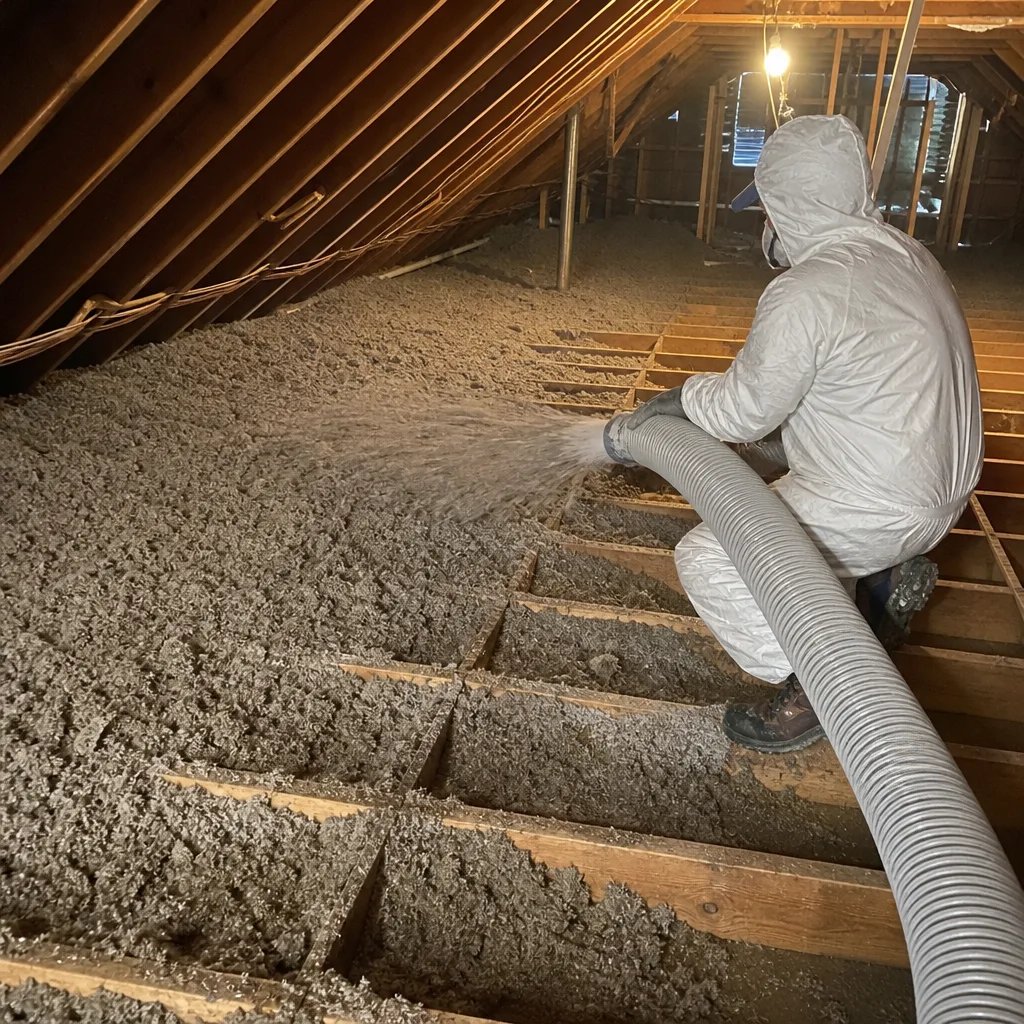
The sequence matters. At Topside Attic Insulation Converse, we follow the same order on every crawl space insulation job because skipping steps produces results that look finished but perform poorly. Here’s what actually happens from the day you call to the day we close out the job.
- Inspection and written scope – before any work is priced. Wes Okafor or a trained technician enters the crawl space with a moisture meter, a thermal camera, and a flashlight. We measure square footage, assess current insulation condition (R-value, contact with subfloor, moisture content), check for standing water or active leaks, and photograph every area that affects the scope. You receive a written price – flat, itemized, no change-order surprises – before we schedule any work. That’s Haven Standard Clause 1, and it applies to every Converse job without exception.
- Air sealing of the floor assembly before insulation goes in. This step is non-negotiable at Topside Attic Insulation Converse. We seal penetrations through the subfloor – plumbing stacks, electrical conduits, HVAC drops, band joists – using spray foam or fire-rated caulk depending on the application. Air sealing first means the insulation we add afterward performs at its rated R-value rather than being undermined by air movement through gaps. On applicable jobs, we run a blower-door test – a pressurization reading that shows, in one number, how much air the building envelope is losing – before and after sealing so you can see the actual measured change, not just our word for it.
- Removal of existing failed insulation, if present. Wet, compressed, or pest-damaged batt insulation comes out before new insulation goes in. We bag and remove it from the site, and we photograph the subfloor condition after removal so you have a clear before-and-after record. Leaving degraded material in place and insulating over it is something we won’t do – it traps moisture and masks problems that will cost more to fix later.
- Installation of new insulation – material chosen for the application. For vented crawl spaces in Converse, we most often install Johns Manville or Owens Corning unfaced fiberglass batts between floor joists, sized to achieve R-19 or R-30 depending on the home’s load calculations and the homeowner’s energy targets. For unvented or semi-conditioned crawl spaces – increasingly common in newer Converse builds that use the crawl space for HVAC equipment – we use closed-cell spray foam applied directly to the foundation walls and rim joists. We don’t have a proprietary product to push, so the material recommendation follows the application, not the margin.
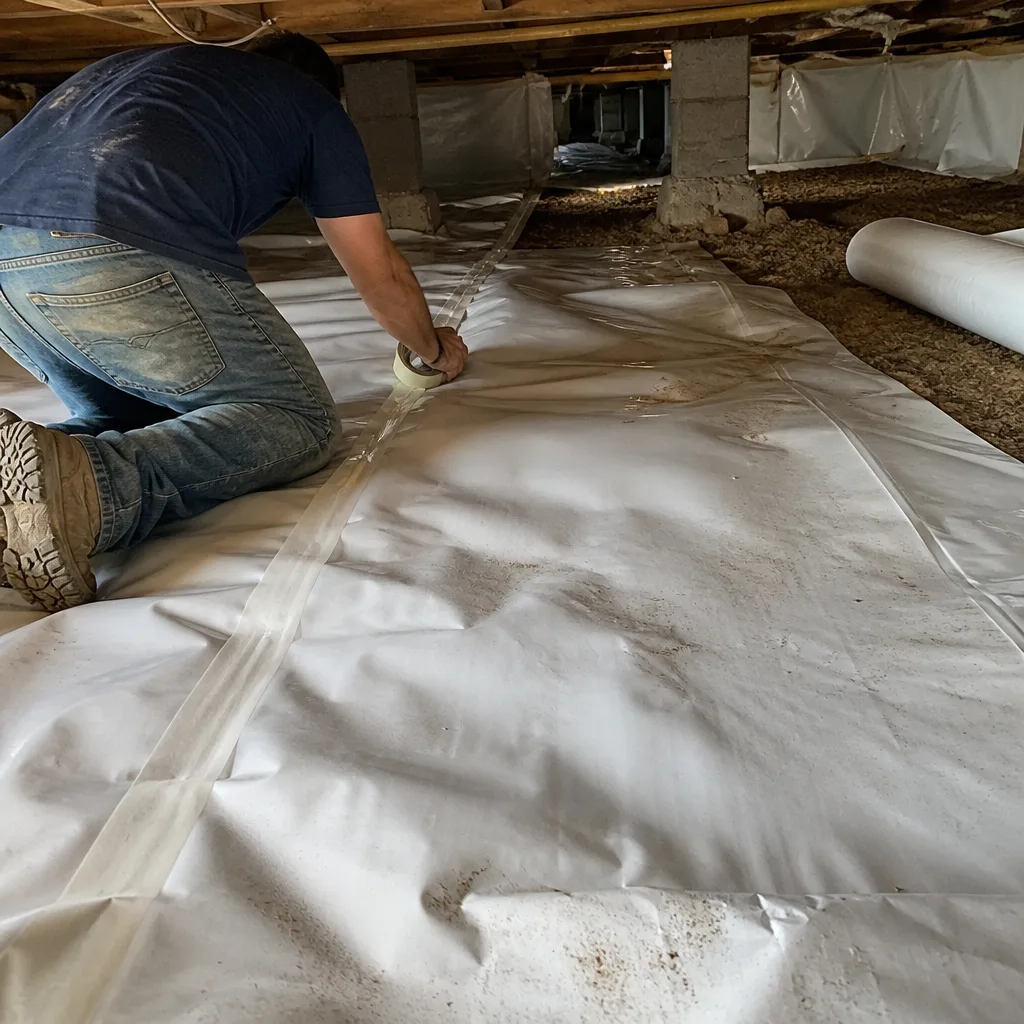
- Vapor barrier installation or verification, if not already present. Insulation installed in a crawl space without a ground cover vapor barrier will absorb moisture from the soil and fail. If your crawl space doesn’t have a barrier, or if the existing liner is torn or undersized, we address it before closing out the insulation scope. This is also where we connect to the broader Crawl Space Encapsulation & Vapor Barrier in Converse service if the moisture situation requires a full encapsulation rather than just a ground cover.
- Documented photo record and written close-out. Every Topside Attic Insulation Converse job closes with a photo record of the finished work – insulation in place, vapor barrier position, any sealed penetrations – delivered to you digitally. You also receive your written warranty documentation under the 365-Day Done Right Promise. If something isn’t right within that window, we come back and make it right. That promise is in writing before we start, not offered after you notice a problem.
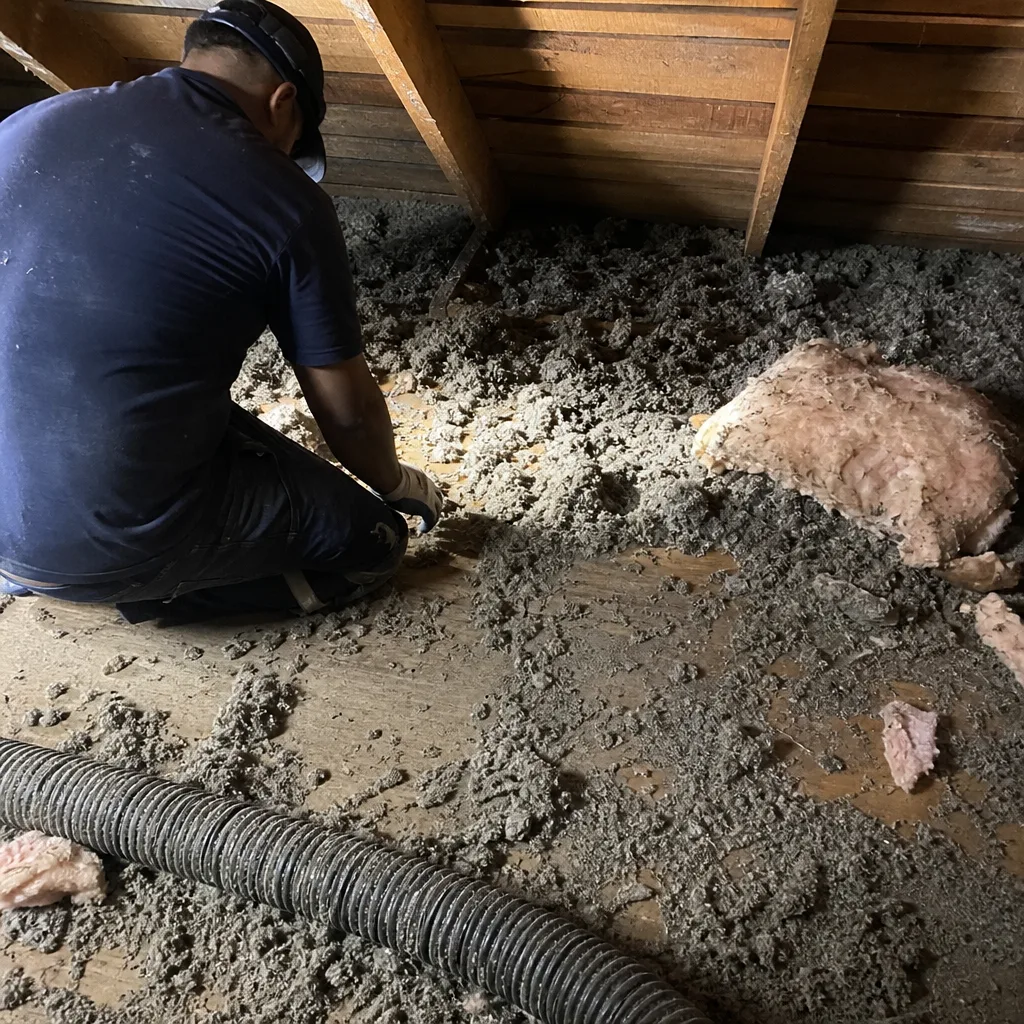 Before
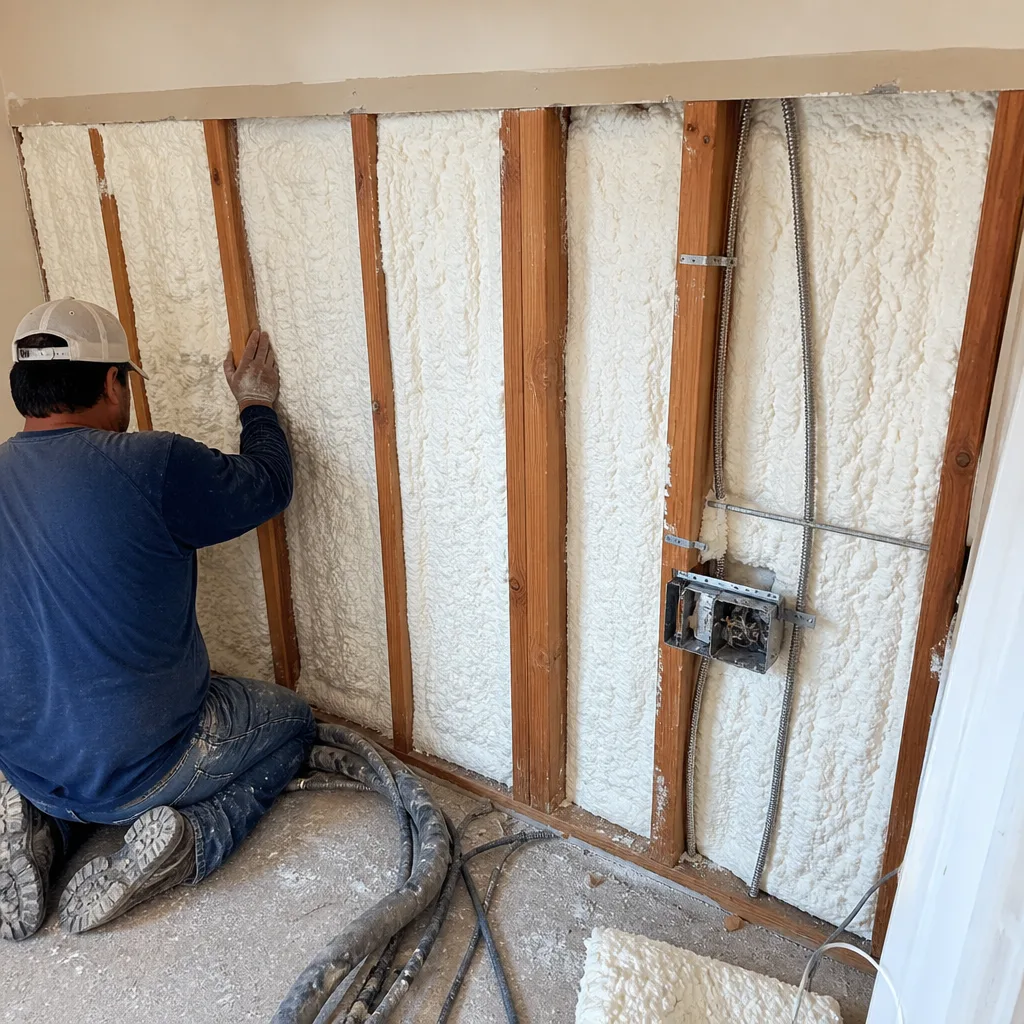 After
AfterCrawl Space Insulation Pricing in Converse
Most crawl space insulation jobs in Converse fall between $1,800 and $4,500 for the insulation work itself. That range moves based on four variables: crawl space square footage, whether existing insulation needs to be removed, the insulation type specified, and whether air sealing of the floor assembly is included in the scope.
| Scope | Typical Price Range |
|---|---|
| Air sealing only (floor penetrations, band joists) | $600 – $1,200 |
| Insulation removal (failed batts, pest-damaged material) | $500 – $1,500 |
| Fiberglass batt installation, vented crawl space (per 1,000 sq ft) | $1,200 – $2,200 |
| Closed-cell spray foam, foundation walls and rim joists | $1,800 – $3,500 |
| Full scope: removal + air seal + new insulation | $2,800 – $5,500 |
| Ground cover vapor barrier (if not already present) | $800 – $2,000 |
A few things that push cost higher in Converse specifically: homes near Cibolo Creek or the low-lying sections south of Converse City Hall tend to have wetter crawl spaces that require more prep before insulation installs correctly. Homes built on pier-and-beam foundations – more common in the older stock near FM 78 – often have taller crawl spaces with more linear footage of band joist to seal. Both add time and material.
What doesn’t affect the price after you’ve received your written quote: nothing. Under Haven Standard Clause 1, the price we put in writing is the price you pay. We don’t add line items on installation day.
We also offer a Free Second Opinion on any written estimate. If another contractor has given you a quote and you’re not sure whether it covers the right scope – or whether the insulation type they’ve specified is correct for your crawl space configuration – bring it to us. We’ll read it with you and tell you exactly what we see, at no charge.
Call (830) 420-0953 to schedule your free on-site estimate. You’ll get a written price within 24 hours of the inspection, and no work starts until you’ve signed off on that scope.
FAQs – Crawl Space Insulation in Converse
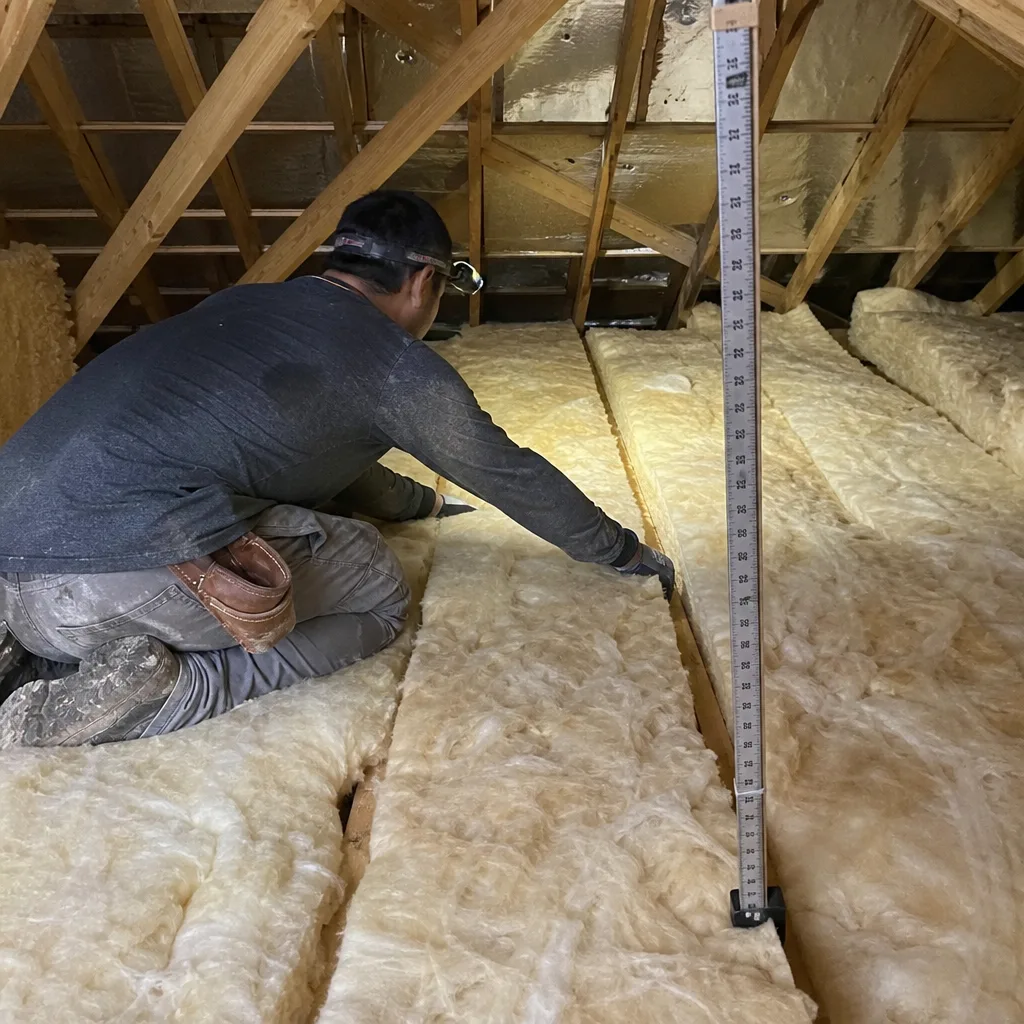
What R-value do I need for crawl space insulation in Converse, TX?
For a vented crawl space in Converse, the IRC minimum for Climate Zone 2 (where Bexar County falls) is R-13 between floor joists, but most energy-efficient builds and retrofits in this area target R-19 to R-30. The right number depends on your HVAC system, duct location, and whether the crawl space is vented or conditioned. We specify the R-value in writing on every job based on your home’s actual configuration – not a one-size number. Call (830) 420-0953 to get an inspection-based recommendation rather than a guess.
Can I insulate my crawl space without encapsulating it first?
Yes, but the result is often short-lived. In Converse’s climate, a crawl space without a vapor barrier – or with an inadequate one – will expose new insulation to soil moisture and high relative humidity year-round. Fiberglass batts in that environment lose effective R-value as they absorb moisture, and they can develop mold within a few years. We’ll tell you honestly in the inspection whether insulation alone addresses your situation or whether moisture control needs to come first. The full scope of moisture management is covered under our Crawl Space Encapsulation & Vapor Barrier in Converse service.
How long does crawl space insulation last in this climate?
Properly installed fiberglass batts in a dry, well-ventilated crawl space typically last 20 to 30 years. In a humid, uncontrolled crawl space, that lifespan can drop to 8 to 12 years before meaningful performance loss. Closed-cell spray foam applied to foundation walls in a conditioned crawl space tends to perform for the life of the structure when installed correctly. The key variable in Converse is moisture control – insulation longevity follows directly from how well the crawl space environment is managed, which is why Crawl Space Vapor Barrier installation matters for lasting performance. We document the starting condition with photos so you have a baseline for any future assessment.
Is crawl space insulation a DIY job?
The physical act of stapling batt insulation between floor joists is within reach for a capable homeowner – but the decisions that determine whether it works are not. Identifying failed air sealing locations, specifying the correct R-value and facing type for a vented versus unvented crawl space, and assessing whether existing moisture levels make installation premature all require measurement tools and familiarity with how crawl space assemblies fail. A batt installed in the wrong orientation or against a wet subfloor performs worse than no insulation at all. If you want to understand the scope before committing to anything, schedule a free estimate – we’ll walk through what we find and give you a written price with no pressure attached. Call (830) 420-0953.
Key Takeaways
- Crawl space insulation in Converse typically costs $1,800 to $4,500 for most residential jobs, depending on scope and current conditions.
- Air sealing comes before insulation on every Topside Attic Insulation Converse job – that’s not an upsell, it’s the sequence that makes the insulation work.
- Homes near Cibolo Creek corridors and older pier-and-beam construction near FM 78 often require additional moisture prep before insulation installs correctly.
- You receive a written price before any work starts and a documented photo record when the crew leaves – both are standard, not optional.
- The 365-Day Done Right Promise applies to every completed job, in writing.
- We offer a Free Second Opinion on any written estimate from another contractor.
Get a Written Price for Your Converse Crawl Space
If your floors are running warm in summer, your energy bills have shifted without explanation, or you know the crawl space insulation hasn’t been touched since the home was built, the next step is an inspection that gives you actual numbers – not a range quoted over the phone. Wes Okafor and the Topside Attic Insulation Converse team have been working on building envelopes under The Haven Standard since 2016, and every estimate closes with a flat written price before anyone schedules a crew.
Call (830) 420-0953 to reach a live person now. We’ll schedule your free on-site inspection, walk the crawl space with you, and deliver a written scope and price within 24 hours of the visit. No voicemail, no callback window measured in business days.
Written by Wes Okafor, Owner at Topside Attic Insulation Converse, serving Converse.